Stromanthe Thalia: A Comprehensive Guide
Stromanthe thalia, commonly known as Stromanthe, is a vibrant and visually stunning plant that has been gaining popularity among indoor and outdoor gardeners. This tropical plant is adorned with striking foliage, characterized by variegated patterns and vibrant colors. Its unique appearance and relatively low maintenance requirements make it an appealing choice for plant enthusiasts looking to add a touch of exotic beauty to their homes and gardens.
In this comprehensive guide, we will delve into the culture, uses, care requirements, common diseases, pests, and other essential aspects of Stromanthe thalia. Whether you are a seasoned plant enthusiast or a novice gardener, this guide will equip you with the knowledge and insights needed to cultivate and care for this captivating botanical specimen.
What is Stromanthe Thalia?
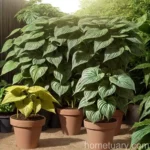
Stromanthe thalia, a member of the Marantaceae family, is native to the tropical regions of South America, particularly Brazil. It is renowned for its striking foliage, featuring a captivating blend of colors, patterns, and textures. The leaves of Stromanthe thalia are often adorned with hues of green, white, and pink, creating a visually enchanting display.
This plant is often prized for its ornamental value and is commonly cultivated as a decorative addition to indoor and outdoor spaces. Its lush foliage and unique leaf patterns make it a popular choice for adding a tropical flair to gardens, living rooms, offices, and a variety of other settings.
Key Takeaways – Stromanthe Thalia
Before we delve into the detailed care requirements and cultivation guidelines for Stromanthe thalia, let’s outline some key takeaways that capture the essence of this striking plant:
- Stromanthe thalia is a tropical plant celebrated for its vibrant and variegated foliage, making it an eye-catching addition to both indoor and outdoor spaces.
- This plant requires attentive care to thrive, with specific considerations for watering, sunlight exposure, humidity levels, soil conditions, and temperature requirements.
- Stromanthe thalia is known for its air-purifying properties, contributing to improved indoor air quality and creating a healthier living environment.
- While it exhibits striking aesthetics, Stromanthe thalia is also susceptible to certain diseases and pests, requiring proactive measures to maintain its health and vitality.
- The propagation of Stromanthe thalia can be achieved through division and other methods, offering opportunities to expand your plant collection and share its beauty with fellow gardening enthusiasts.
With these key takeaways in mind, let’s embark on a comprehensive exploration of the culture, care, and cultivation practices associated with Stromanthe thalia.
Culture
The culture of Stromanthe thalia encompasses its natural habitat, growth habits, and the environmental conditions that are conducive to its optimal development. Understanding the plant’s cultural preferences is essential for creating a nurturing and supportive environment that allows it to thrive and flourish.
Natural Habitat
Stromanthe thalia is indigenous to the lush, tropical landscapes of Brazil, where it thrives in the dappled shade of forest floors. In its native habitat, the plant is accustomed to warm temperatures, high humidity, and filtered sunlight, which are crucial factors to consider when recreating its natural environment in cultivation settings.
The plant’s preference for humid conditions and moderate light levels makes it well-suited for indoor cultivation, particularly in areas where direct sunlight may be limited or excessive. Recreating the plant’s natural habitat within indoor spaces can play a pivotal role in promoting its growth and maintaining the vibrancy of its foliage.
Uses
Stromanthe thalia is primarily valued for its ornamental and decorative uses, adding a touch of tropical elegance to a variety of settings. Its striking foliage and visual appeal make it a popular choice for enhancing the aesthetics of indoor spaces, including homes, offices, and commercial establishments.
Moreover, the air-purifying properties of Stromanthe thalia make it a valuable asset for indoor environments, contributing to improved air quality by removing harmful pollutants and enhancing overall well-being. The plant’s ability to thrive in both indoor and outdoor settings broadens its range of uses, offering versatility for landscaping and interior design applications.
Stromanthe Thalia Care
The care and maintenance of Stromanthe thalia are crucial aspects of cultivating this captivating plant. Achieving the optimal balance of water, sunlight, humidity, fertilizer, and soil conditions is essential for promoting its health and longevity. Here’s a comprehensive overview of the key care requirements and cultivation guidelines for Stromanthe thalia.
Water
Watering is a critical aspect of Stromanthe thalia care, as the plant has specific requirements to maintain optimal moisture levels and avoid water-related stress. Proper watering practices are essential for preventing issues such as leaf curling, browning, or drooping, which can signal inadequate or excessive moisture levels.
Watering Guidelines:
- Frequency: Stromanthe thalia requires consistent moisture, but it is essential to allow the soil to dry out slightly between waterings to prevent waterlogging. Water the plant when the top inch of the soil feels dry to the touch.
- Water Quality: Use room-temperature water to avoid shocking the plant with cold or chlorinated water. Filtered or distilled water can be beneficial, especially in areas with hard water.
- Drainage: Ensure that the pot or container has adequate drainage to prevent water from accumulating at the bottom, which can lead to root rot and other moisture-related issues.
- Humidity: In addition to regular watering, maintaining adequate humidity levels is crucial for the well-being of Stromanthe thalia. Grouping plants together, using a humidifier, or placing a tray of water and pebbles near the plant can help increase humidity levels, especially in dry indoor environments.
Sunlight
Sunlight requirements play a significant role in the cultivation of Stromanthe thalia, as the plant exhibits specific preferences for light intensity and exposure. Understanding its sunlight requirements is essential for positioning the plant in a suitable location that promotes healthy growth and vibrant foliage.
Sunlight Guidelines:
- Indoor Placement: Stromanthe thalia thrives in bright, indirect light, making it well-suited for indoor environments with filtered sunlight. Avoid exposing the plant to direct sunlight, especially during the hottest part of the day, as this can lead to leaf scorch and sun damage.
- Outdoor Considerations: When cultivating Stromanthe thalia outdoors, select a location with dappled or partial shade, protecting the plant from harsh midday sun. Sheltering the plant under taller trees or providing shading during peak sunlight hours can help create an ideal outdoor environment for the plant.
Fertilizer
Fertilizing Stromanthe thalia is essential for providing the plant with the necessary nutrients to support its growth and vitality. Selecting a suitable fertilizer and implementing a balanced feeding regimen can contribute to the overall health and vigor of the plant, enhancing its foliage color and promoting robust growth.
Fertilization Guidelines:
- Frequency: During the growing season, which typically spans from spring to early fall, fertilize Stromanthe thalia every 4-6 weeks using a balanced, water-soluble fertilizer designed for foliage plants. Reduce or suspend fertilization during the plant’s dormant period in late fall and winter.
- Dilution: Dilute the fertilizer to half or quarter strength to prevent over-fertilization, which can lead to salt buildup in the soil and cause root damage.
- Application: Apply the fertilizer to moist soil to allow for even distribution and uptake of nutrients by the plant’s roots. Avoid direct contact between the fertilizer and the plant’s foliage, as this can result in leaf burn or damage.
Soil
The soil requirements of Stromanthe thalia are instrumental in creating a well-balanced, moisture-retentive, and aerated growing medium that supports the plant’s root development and overall health. Understanding the composition and characteristics of the ideal soil mix for Stromanthe thalia is crucial for providing an optimal growing environment.
Soil Guidelines:
- Composition: Use a well-draining, peat-based potting mix that retains moisture without becoming waterlogged. The mix should also provide adequate aeration for the plant’s root system and offer a slightly acidic to neutral pH range.
- Additional Amendments: Incorporating organic matter such as compost or sphagnum peat moss can enhance the soil’s moisture retention and nutrient-holding capacity, promoting favorable growing conditions for Stromanthe thalia.
- Container Size: Ensure that the pot or container provides ample space for the plant’s root system to expand. Repotting may be necessary as the plant grows to prevent root congestion and promote healthy growth.
Pruning
Pruning Stromanthe thalia is primarily focused on maintaining the plant’s aesthetic appeal and addressing any damaged, yellowing, or discolored foliage. Regular pruning helps to remove spent or unsightly leaves, encourage new growth, and shape the overall appearance of the plant.
Pruning Guidelines:
- Sanitization: Use clean, sharp pruning shears or scissors to trim the plant’s foliage, ensuring that the cutting tools are disinfected to prevent the spread of diseases.
- Selective Trimming: Remove any yellow, brown, or damaged leaves by making clean cuts at the base of the petiole, where the leaf meets the stem. Avoid over-pruning, as excessive leaf removal can stress the plant.
- Propagation: The pruning process provides an opportunity to propagate Stromanthe thalia by division, allowing you to create new plants from the divided sections and expand your collection.
Propagation
Stromanthe thalia can be propagated through division, making it possible to create additional plants from established specimens. This propagation method offers a practical and rewarding way to share the beauty of Stromanthe thalia with fellow gardening enthusiasts and expand its presence in your indoor or outdoor spaces.
Division Propagation:
- Timing: Propagate Stromanthe thalia in the spring or early summer when the plant is actively growing, as this allows the divided sections to establish themselves more effectively.
- Process: Carefully remove the plant from its container and separate the root system into distinct sections, ensuring that each division has healthy roots and foliage. Replant the divisions in suitable containers or growing locations and provide them with the appropriate care and conditions for establishment.
Container Popularity
Stromanthe thalia’s popularity as a container plant stems from its suitability for indoor cultivation, ornamental value, and air-purifying attributes. The plant’s vibrant foliage and low-to-moderate maintenance requirements make it an appealing choice for container gardening enthusiasts seeking to introduce a tropical flair to their living spaces.
Key Considerations for Container Popularity:
- Indoor Placement: Select decorative pots or containers that complement the striking foliage of Stromanthe thalia, enhancing its visual impact as an interior décor element.
- Size and Drainage: Choose containers with adequate drainage holes and sufficient space for the plant’s root system to grow. Proper drainage is essential for preventing waterlogged soil and maintaining optimal moisture levels.
- Placement Options: Position containers of Stromanthe thalia in areas with bright, indirect light, such as near windows, to provide the plant with the necessary light exposure while avoiding direct sunlight.
Common Diseases
Stromanthe thalia, like many other plants, is susceptible to certain diseases that can affect its overall health and appearance. Being able to identify common diseases and implement appropriate preventive measures is essential for maintaining the well-being of Stromanthe thalia and addressing any issues promptly.
Disease Diagnosis
Common Diseases of Stromanthe Thalia:
- Leaf Spot: Leaf spot diseases, caused by fungal pathogens, can manifest as dark, water-soaked spots on the foliage of Stromanthe thalia. Preventive measures include adequate air circulation, avoiding overhead watering, and removing affected leaves.
- Root Rot: Excessive moisture or poor drainage can lead to root rot in Stromanthe thalia, causing yellowing, wilting, and eventual collapse of the plant. Addressing water-related issues and adjusting the watering practices can help prevent and mitigate the effects of root rot.
- Powdery Mildew: Powdery mildew can appear as a white, powdery coating on the plant’s foliage, leading to leaf distortion and reduced photosynthetic efficiency. Increasing air circulation and maintaining moderate humidity levels can deter powdery mildew development.
Common Pests
In addition to diseases, Stromanthe thalia may also be vulnerable to infestations by common pests that can compromise its health and vitality. Recognizing the signs of pest presence and implementing suitable pest control measures is crucial for safeguarding the plant from potential damage.
Pest Identification
Common Pests Affecting Stromanthe Thalia:
- Spider Mites: These tiny arachnids can infest the foliage of Stromanthe thalia, causing stippling, webbing, and discoloration of the leaves. Regularly misting the plant and keeping the foliage clean can help deter spider mite infestations.
- Mealybugs: Mealybugs may appear as white, cottony masses on the plant’s stems and foliage, sucking sap and weakening the plant. Isopropyl alcohol or insecticidal soap can be used to target and eliminate mealybug infestations.
- Scale Insects: Scale insects can affix themselves to the leaves and stems of Stromanthe thalia, feeding on plant sap and causing yellowing or wilting. Using horticultural oil or neem oil can help control and eradicate scale insect populations.
Botanist’s Tips
To further enhance your understanding of Stromanthe thalia care and cultivation, here are some valuable tips from botanists and experienced growers that can help you optimize the health and growth of this captivating plant:
Botanist-Recommended Tips
- Humidity Management: Implement measures to maintain adequate humidity levels, such as using a humidifier, grouping plants together, or misting the foliage, to create an environment that mimics the plant’s natural habitat.
- Grooming Practices: Regularly inspect the plant for damaged or discolored leaves, removing them to promote the healthy growth of new foliage and maintain the plant’s aesthetic appeal.
- Seasonal Adjustments: Adapt your care practices and environmental conditions to accommodate seasonal changes, such as adjusting watering frequency and light exposure during different times of the year.
- Observation and Response: Pay attention to any changes in the plant’s appearance, behavior, or growth patterns, and respond promptly to address potential issues before they escalate.
- Supportive Environment: Create a nurturing and supportive environment for Stromanthe thalia by considering its specific cultural preferences and tailoring care practices accordingly.
Fun Facts
Discover some intriguing and fascinating facts about Stromanthe thalia that highlight the unique qualities and captivating characteristics of this tropical plant:
Engaging Tidbits About Stromanthe Thalia
- Prayer Plant Kinship: Stromanthe thalia is a relative of the prayer plant (Maranta spp.), sharing similar leaf movement patterns that contribute to its alternate common name, “Tricolor Prayer Plant.”
- Nocturnal Leaf Movement: Like other members of the Marantaceae family, Stromanthe thalia exhibits nyctinasty, a phenomenon in which its leaves move in response to changes in light and environmental conditions, resulting in a captivating display of leaf movement.
- Air-Purifying Properties: In addition to its aesthetic appeal, Stromanthe thalia is known for its ability to purify the air, removing harmful pollutants and enhancing indoor air quality, making it a valuable addition to interior spaces.
- Cultural Significance: Stromanthe thalia holds cultural significance in certain regions of Brazil, where it is celebrated for its ornamental value and revered as a symbol of natural beauty and vitality.
Links to External Resources
As you continue to explore and expand your knowledge of Stromanthe thalia, here are some curated resources that provide valuable insights, care tips, and additional information about this captivating plant:
External Resources
- Royal Horticultural Society – Stromanthe Thalia Plant Profile
- University of Florida IFAS Extension – Stromanthe Management Guide
- American Society for the Prevention of Cruelty to Animals – Stromanthe Thalia Toxicity Information
- Gardeners’ World – Stromanthe Thalia Care Tips
- The Sill – Stromanthe Thalia: A Complete Guide
With an abundance of care tips, cultivation guidelines, and engaging facts, you are well-equipped to embark on a rewarding journey of nurturing and cultivating Stromanthe thalia. Whether you are drawn to its vibrant foliage, air-purifying properties, or cultural significance, this tropical plant offers a delightful and visually enchanting addition to diverse indoor and outdoor settings.
By understanding the unique requirements and characteristics of Stromanthe thalia, you can create an environment that promotes the health, vigor, and natural beauty of this captivating botanical specimen, enriching your indoor spaces and outdoor landscapes with its vibrant presence. Happy gardening, and may your journey with Stromanthe thalia be filled with flourishing foliage and enchanting botanical experiences!