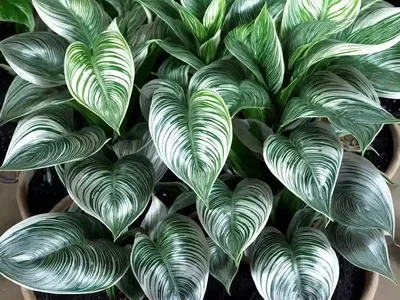
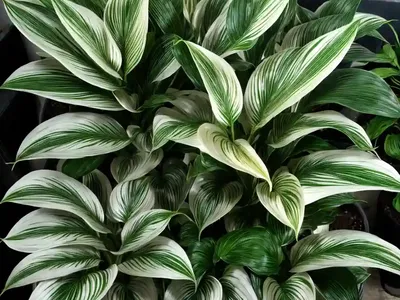
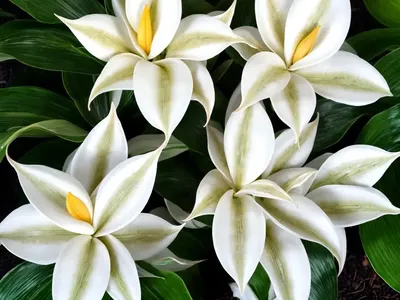
Rose Painted Calathea (Calathea Roseopicta)
Plants have a way of adding beauty and tranquility to any space. Among the vast variety of plants, the Rose Painted Calathea (Calathea roseopicta) stands.
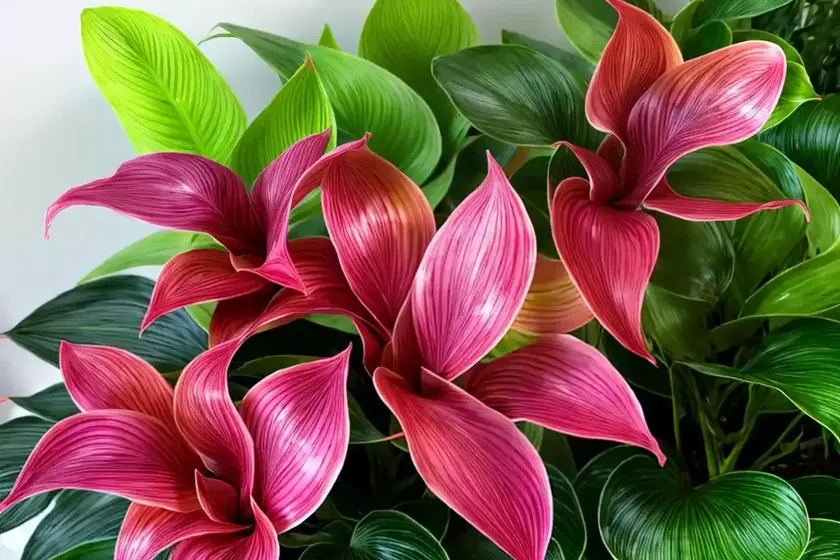
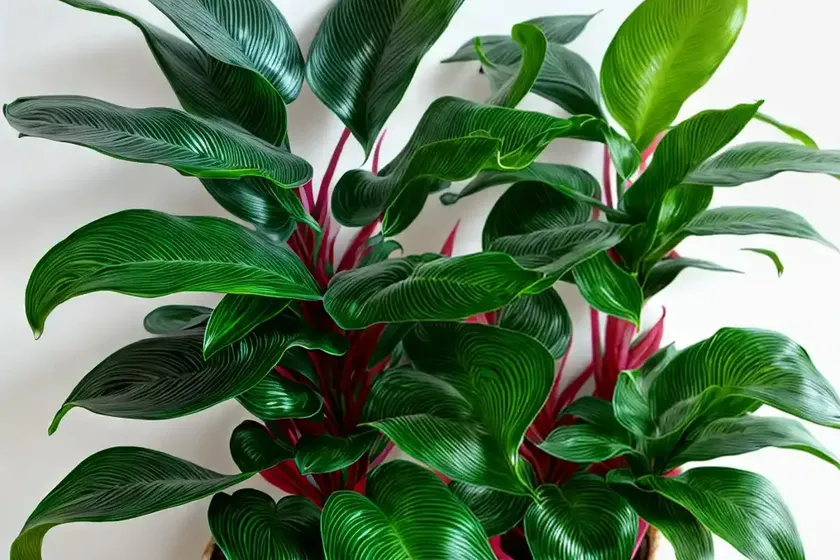
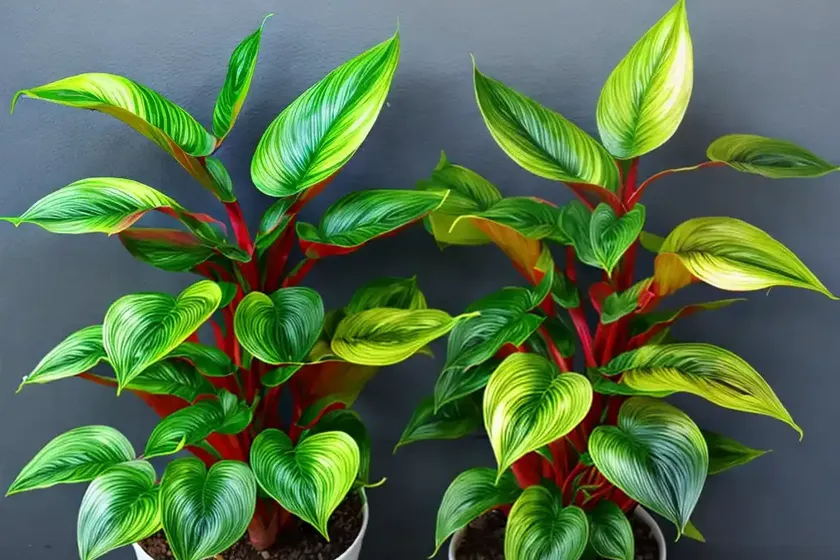
Plants have a way of adding beauty and tranquility to any space. Among the vast variety of plants, the Rose Painted Calathea (Calathea roseopicta) stands out as a captivating and intriguing species. This article aims to delve into the unique characteristics and care requirements of the Rose Painted Calathea, making it a comprehensive guide for plant enthusiasts and budding horticulturists.
What is the Rose Painted Calathea (Calathea roseopicta)?
The Rose Painted Calathea, scientifically known as Calathea roseopicta, is a species of perennial plant in the Marantaceae family. Its native habitat lies in the Brazilian rainforests, where it thrives in the warm, humid climate of the understory. This striking plant is characterized by its lush foliage and vibrant hues, making it a popular choice for indoor plant enthusiasts.
Key Takeaways – Rose Painted Calathea (Calathea roseopicta)
Before delving into the specific aspects of caring for the Rose Painted Calathea, let’s outline the key takeaways that will be covered in this article.
- Culture
- Uses
- Water
- Sunlight
- Fertilizer
- Soil
- Pruning
- Propagation
- Container
- Popularity
- Common Diseases
- Disease Diagnosis
- Common Pests
- Botanist’s Tips
- Fun Facts
- Links to External Resources
Culture
Uses
The Rose Painted Calathea is primarily used as an ornamental indoor plant, adding a touch of elegance to homes, offices, and other indoor spaces. Its vibrant foliage and unique leaf patterns make it a stunning decor piece. Additionally, the Calathea roseopicta has air-purifying properties, enhancing the overall air quality of its surroundings.
Water
Proper watering is crucial for the well-being of the Rose Painted Calathea. It thrives in moist but well-draining soil, so it is important to water it whenever the top inch of the soil becomes dry. However, it is essential to avoid overwatering, as this can lead to root rot and other issues.
Sunlight
In its natural habitat, the Rose Painted Calathea is accustomed to the dappled sunlight that filters through the forest canopy. Thus, it prefers bright, indirect light when grown indoors. Exposure to direct sunlight can cause the delicate foliage to scorch, leading to irreparable damage.
Fertilizer
Feeding the Rose Painted Calathea with a balanced fertilizer during the growing season (spring and summer) can promote healthy growth and vibrant foliage. It is advisable to dilute the fertilizer to half-strength to prevent the risk of fertilizer burn. During the dormant season, it is best to reduce or eliminate fertilization.
Soil
The ideal soil for the Rose Painted Calathea is a well-draining, peat-based mix that retains moisture without becoming waterlogged. Additionally, incorporating perlite or coarse sand can aid in improving the soil’s drainage properties.
Pruning
Pruning is mainly focused on removing any dead or yellowing leaves to maintain the plant’s overall health and appearance. Regular pruning also prevents the accumulation of debris and promotes air circulation, reducing the risk of diseases.
Propagation
The Rose Painted Calathea can be propagated through division, especially during repotting. Carefully dividing the plant to separate healthy clumps with roots intact can be a successful propagation method.
Container
When choosing a container for the Rose Painted Calathea, opt for a pot with adequate drainage holes to prevent waterlogging. A slightly larger pot than its current one can accommodate its growth while allowing ample space for the roots.
Popularity
The captivating combination of vibrant foliage and intriguing patterns has rendered the Rose Painted Calathea as a highly sought-after plant in the realm of indoor gardening. Its popularity stems from its ability to thrive in indoor environments while adding a touch of exotic beauty.
Common Diseases
Disease Diagnosis
The Rose Painted Calathea is susceptible to certain diseases, with leaf spot and root rot being common issues. Leaf spot is characterized by brown or black spots on the foliage, often caused by overwatering or poor air circulation. On the other hand, root rot occurs when the roots are consistently exposed to excess moisture, leading to their decay.
Common Pests
While being relatively resistant to pests, the Rose Painted Calathea may occasionally attract common houseplant pests such as spider mites, aphids, and mealybugs. Prompt intervention with eco-friendly pest control methods can effectively address these infestations.
Botanist’s Tips
The key to successfully caring for the Rose Painted Calathea lies in providing a consistent environment that replicates its natural habitat. Adhering to the plant’s specific requirements for water, light, and humidity can foster optimal growth and vibrant foliage.
Fun Facts
-
The Rose Painted Calathea is renowned for its nyctinastic movements, where the leaves adjust their position throughout the day, opening and closing in response to light changes.
-
The vibrant foliage of the Rose Painted Calathea is adorned with exquisite patterns that have earned it the moniker of “living plant art.”
With its ethereal beauty and captivating behaviors, the Rose Painted Calathea (Calathea roseopicta) remains a captivating addition to any plant enthusiast’s collection. By understanding its unique characteristics and specific care requirements, one can nurture this exquisite plant and witness its natural beauty flourish.
For more in-depth information on the Rose Painted Calathea, please refer to the following external resources:
-
The Spruce – Calathea Roseopicta: How to Grow the Rose-Painted Calathea
-
Gardening Know How – Caring for Calathea Roseopicta: How To Grow The Rose-Painted Prayer Plant
-
Plantophiles – Calathea Roseopicta Care: How to Grow the Rose-Painted Prayer Plant
By exploring these resources, you can gain further insight into the cultivation and appreciation of the exquisite Rose Painted Calathea.