Tall Thistle (Cirsium Altissimum)
Tall thistle, scientifically known as Cirsium altissimum, is a striking and robust perennial plant that belongs to the Asteraceae family. This species is.
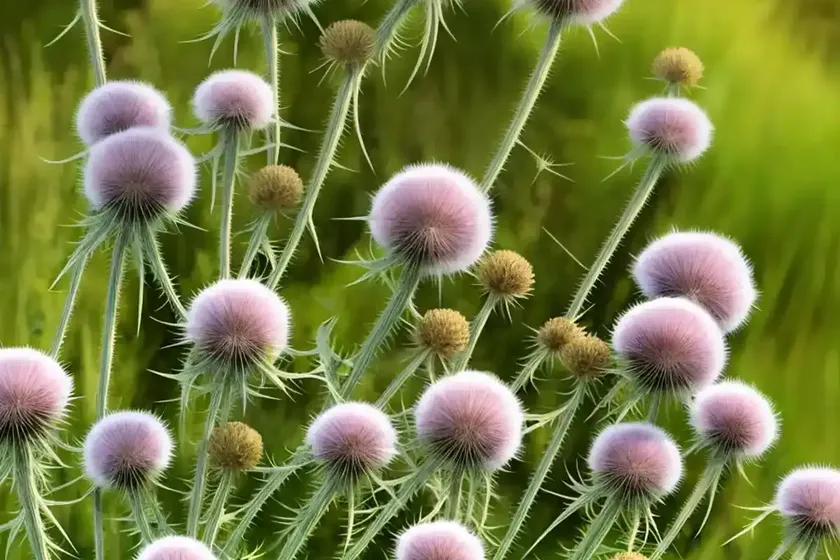
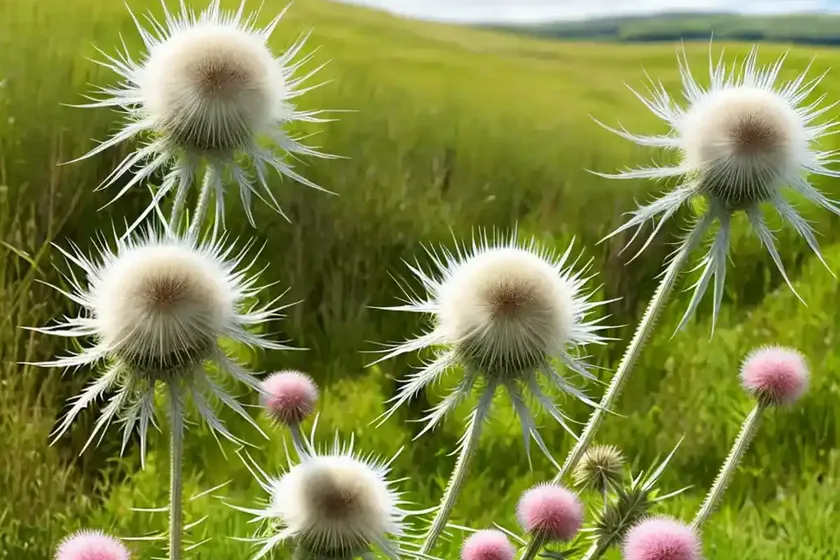
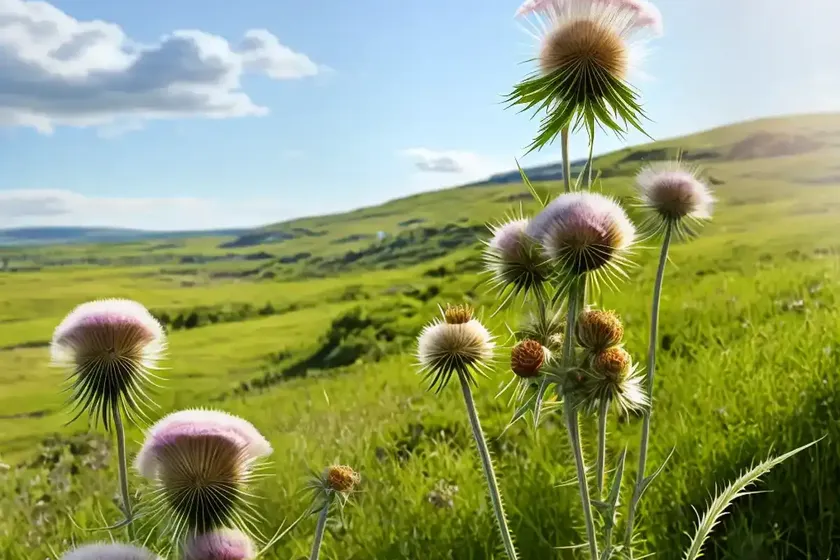
Tall thistle, scientifically known as Cirsium altissimum, is a striking and robust perennial plant that belongs to the Asteraceae family. This species is renowned for its majestic height and beautiful purple flowers. In this comprehensive guide, we will delve into the various aspects of tall thistle, including its characteristics, cultivation, uses, and ecological importance.
What is Tall Thistle (Cirsium altissimum)?
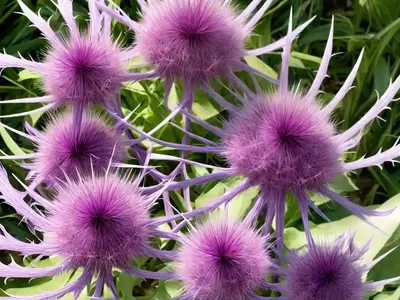
Tall thistle, also known as the roadside thistle, is a herbaceous perennial plant that is native to North America. It is characterized by its towering stature, reaching heights of up to 6 feet (1.8 meters), making it an imposing presence in the landscape. The plant is adorned with deeply lobed, spiny leaves and produces stunning pink to purple flowers that attract pollinators, such as bees and butterflies.
Tall Thistle (Cirsium altissimum) Facts
- Scientific Name: Cirsium altissimum
- Family: Asteraceae
- Common Names: Tall thistle, roadside thistle
- Native Range: North America
- Height: Up to 6 feet (1.8 meters)
- Flower Color: Pink to purple
- Blooming Season: Summer to early fall
This majestic plant has garnered attention not only for its visual appeal but also for its ecological significance and potential medicinal properties. Let’s explore the various facets of tall thistle and gain insights into its cultivation, benefits, and role in the environment.
Key Takeaways – Tall Thistle (Cirsium altissimum)
Tall Thistle Characteristics
- Height: The towering stature of tall thistle sets it apart, making it a standout feature in gardens and natural landscapes.
- Leaves: Deeply lobed and spiny leaves give the plant a unique and striking appearance.
- Flowers: Tall thistle produces attractive pink to purple flowers that are a magnet for pollinators.
Growing Cirsium altissimum
- Water: Tall thistle thrives in well-drained soils and generally requires moderate watering, particularly during the establishment phase.
- Sunlight: This plant flourishes in full sun, although it can tolerate partial shade.
- Soil: Well-drained, nutrient-rich soils are ideal for growing tall thistle.
- Pruning: Deadheading spent flowers can help prolong the blooming period and prevent self-seeding.
- Propagation: Propagation through seed sowing or division of established clumps is commonly practiced.
Benefits of Cirsium altissimum
- Ecological Importance: Tall thistle plays a vital role in supporting pollinators and contributing to the biodiversity of natural habitats.
- Aesthetic Value: Its impressive height and vibrant flowers make it a visually appealing addition to gardens and landscapes.
- Medicinal Potential: Some species within the Cirsium genus are traditionally used for their potential medicinal properties, warranting further exploration.
Uses of Tall Thistle
- Wildlife Habitat: Tall thistle serves as a valuable food and nectar source for various wildlife species, including pollinators.
- Ornamental Planting: Its striking appearance and architectural form make it an attractive choice for ornamental gardens and naturalistic landscapes.
Tall Thistle Care Tips
- Watering: Ensure adequate moisture, especially during dry spells, while avoiding waterlogged conditions.
- Soil: Well-drained soils with a good nutrient profile are essential for the optimal growth of tall thistle.
- Sunlight: Position the plant in a location that receives ample sunlight for robust growth and prolific flowering.
Cirsium altissimum Varieties
- Cirsium Genus: Explore other members of the Cirsium genus for a diverse range of thistle species with unique characteristics and growth habits.
How to Identify Cirsium altissimum
- Majestic Stature: The towering height of tall thistle makes it easily identifiable in the landscape.
- Distinctive Leaves: The deeply lobed and spiny leaves are a key feature for identifying this species.
- Flower Color: The pink to purple flowers are a distinguishing characteristic of Cirsium altissimum.
Tall Thistle Habitat
Tall thistle is predominantly found in open woodlands, prairies, and along roadsides. It thrives in sunny to partially shaded locations with well-drained soils, showcasing its adaptability to various habitats.
Tall Thistle Plant Description
The robust and erect nature of tall thistle, coupled with its visually appealing flowers and formidable leaves, creates a captivating plant that commands attention in its environment.
Cirsium altissimum Medicinal Properties
While specific medicinal uses of tall thistle require comprehensive research and validation, various species within the Cirsium genus have been traditionally used for their potential medicinal properties. Further exploration of these properties may unveil valuable contributions to herbal medicine and wellness.
Tall Thistle Ecosystem Role
Tall thistle plays a crucial role in supporting local ecosystems by providing a food source and habitat for diverse wildlife, including pollinators and other beneficial insects.
Cirsium altissimum Pollinators
The vibrant flowers of tall thistle attract an array of pollinators, including bees, butterflies, and other nectar-seeking insects, making it an essential plant in pollinator-friendly landscapes.
Tall Thistle Natural Habitat
The natural habitat of tall thistle encompasses open woodlands, prairies, and roadside areas, where it thrives in the presence of abundant sunlight and well-drained soils.
Tall Thistle Cultivation Guide
Cultivating tall thistle can greatly benefit from understanding its specific requirements and optimal cultivation practices, which are essential for the successful growth and vitality of the plant.
Cirsium altissimum Plant Family
Belonging to the Asteraceae family, tall thistle shares its botanical lineage with a diverse array of plants, each with its own unique botanical and ecological characteristics.
Tall Thistle Perennial Plant
As a perennial plant, tall thistle exhibits longevity and persistence in the garden, returning year after year to delight with its majestic presence and colorful blossoms.
Cirsium altissimum Pest Control
While relatively resilient, tall thistle may be susceptible to specific pests, necessitating vigilant monitoring and proactive pest control measures to maintain its health and vigor.
Tall Thistle Ecological Importance
The ecological significance of tall thistle extends to its role as a valuable wildlife food source and its support of pollinators, contributing to the biodiversity and balance of natural ecosystems.
Cirsium altissimum Wildlife Habitat
Tall thistle provides a habitat and sustenance for various wildlife species, enriching the surrounding landscape with biodiversity and ecological resilience.
Cirsium altissimum: Care and Maintenance
Proper care and maintenance practices are essential for nurturing tall thistle and ensuring its continued health and vitality, allowing it to thrive in various garden settings.
Tall Thistle Propagation
Propagation of tall thistle can be accomplished through the collection and sowing of seeds, as well as through the division of established clumps, offering opportunities for expanding its presence in the garden.
Tall Thistle Ornamental Plant
Embracing tall thistle as an ornamental plant can enhance the aesthetic appeal of naturalistic landscapes and provide an architectural focal point in garden designs.
Cirsium altissimum Native Plant Conservation
Recognizing the native status of tall thistle underscores its ecological relevance and emphasizes the importance of conserving and safeguarding its natural habitats.
Tall Thistle Ecological Restoration
Incorporating tall thistle into ecological restoration efforts can contribute to the reestablishment of native plant communities and the revitalization of degraded landscapes.
Cirsium altissimum Plant Diseases
While relatively resilient, tall thistle may encounter specific diseases that warrant prompt diagnosis and treatment to mitigate their impact and ensure the plant’s continued well-being.
Tall Thistle Garden Pests
Vigilant monitoring and integrated pest management strategies are essential for addressing potential pests and safeguarding the health and vitality of tall thistle in garden settings.
Botanist’s Tips for Caring for Tall Thistle
As a majestic and robust perennial, tall thistle benefits from attentive care and thoughtful consideration of its specific cultural requirements and ecological contributions.
Tall Thistle Plant Characteristics
Understanding the distinctive features and growth characteristics of tall thistle can aid in its successful cultivation and integration into diverse garden settings.
Cirsium altissimum Habitat Restoration
Incorporating tall thistle into habitat restoration initiatives can facilitate the revitalization of native plant communities and the enrichment of ecological landscapes.
Tall Thistle Herbal Uses
Traditionally, various species within the Cirsium genus have been associated with potential herbal uses, offering opportunities for further exploration and discovery in the realm of herbal remedies and wellness.
Cirsium altissimum Wildlife Gardening
Incorporating tall thistle into wildlife-friendly gardens can create thriving habitats for pollinators and other beneficial wildlife, contributing to the conservation of biodiversity.
Fun Facts About Tall Thistle
Uncover intriguing and delightful facts about tall thistle that showcase its unique attributes and ecological significance, further illuminating its compelling presence in the natural world.
Tall Thistle Wildlife Food Source
The seeds of tall thistle serve as a valuable food source for various wildlife species, illustrating its role in supporting local ecosystems and wildlife populations.
Tall Thistle Drought Tolerance
The drought tolerance of tall thistle underscores its resilience in challenging environmental conditions, making it an adaptable and hardy plant in diverse landscapes.
Tall Thistle Invasive Species
While tall thistle is not considered invasive in its native range, careful monitoring is essential when introducing it into new areas to prevent potential disruptions to local ecosystems.
Tall Thistle Garden Design
Incorporating tall thistle into garden designs can introduce vertical interest and structural elements, enhancing the aesthetic appeal and ecological value of garden landscapes.
Links to External Resources
For further exploration and in-depth information about tall thistle and related topics, the following external resources provide valuable insights and comprehensive guidance: