Never Never Plant (Ctenanthe Setosa)
Ctenanthe setosa, commonly known as the Never Never plant, is a stunning foliage plant that belongs to the Marantaceae family. It is a popular choice for.
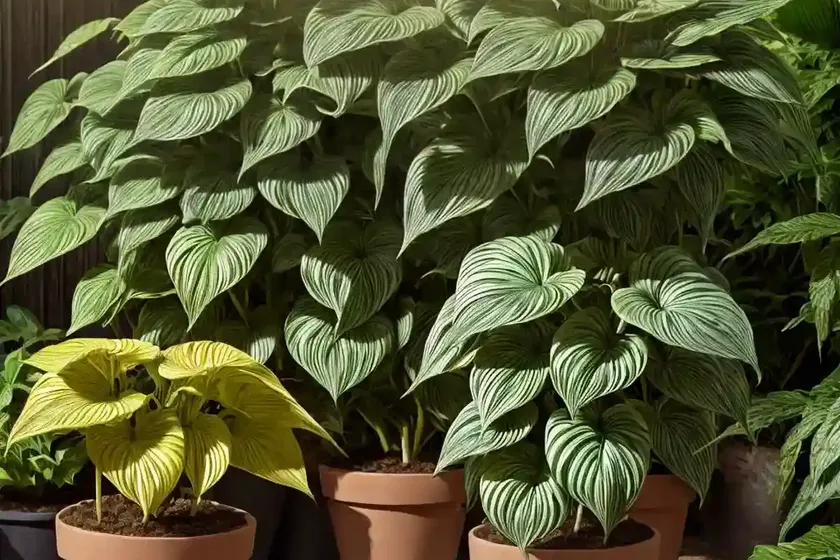
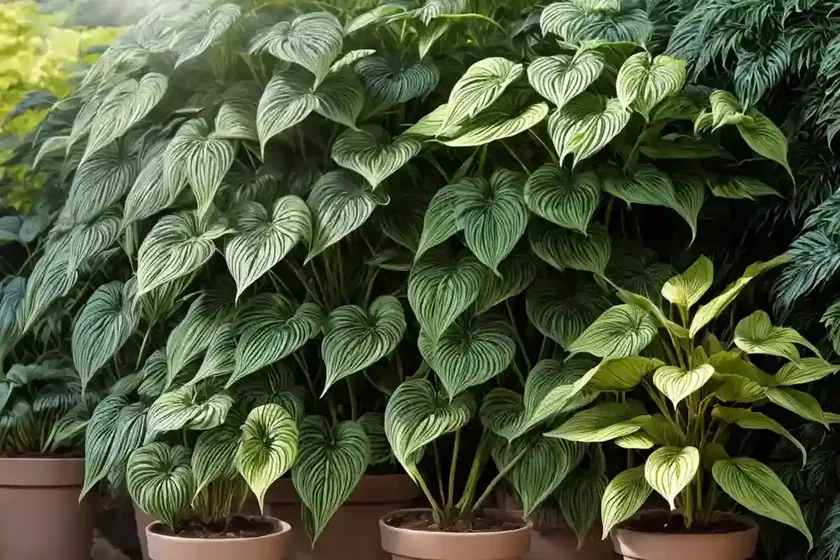
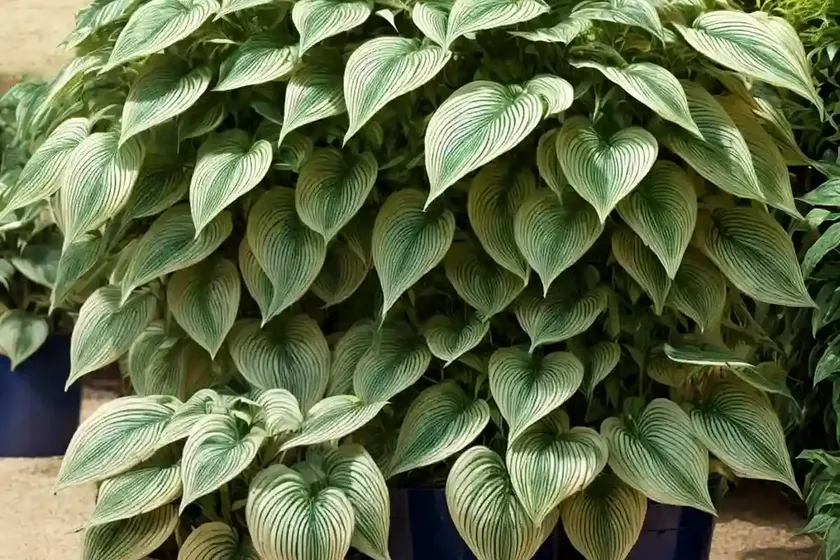
Ctenanthe setosa, commonly known as the Never Never plant, is a stunning foliage plant that belongs to the Marantaceae family. It is a popular choice for indoor plant enthusiasts and is cherished for its striking, variegated leaves that add a touch of tropical allure to any space. In this comprehensive guide, we will delve into the various aspects of caring for the Never Never plant to ensure its optimal growth and health.
What is the Never Never Plant (Ctenanthe Setosa)?
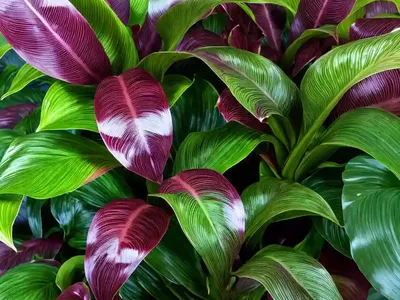
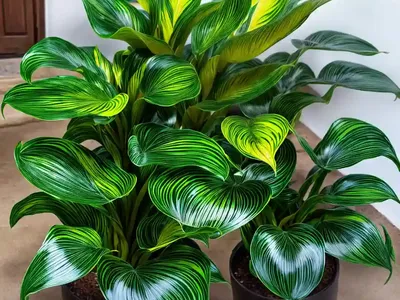
Ctenanthe setosa, also referred to as the Never Never plant or Fishbone prayer plant, is a species of flowering plant native to Brazil. It is known for its ornamental foliage characterized by intricate, silver-green patterns on the leaves. The leaves possess an intriguing feature where they fold up in the evening and unfurl in the morning, a trait common to many prayer plant species. This distinctive behavior adds an element of dynamism to the plant, making it a captivating addition to any indoor setting.
The Never Never plant is favored for its relatively low maintenance requirements and ability to thrive in indoor environments, making it a popular choice for decorative purposes.
Key Takeaways – Never Never Plant (Ctenanthe Setosa)
Before we delve into the specifics of caring for the Never Never plant, let’s outline the key takeaways regarding its care requirements and characteristics.
Culture
- The Never Never plant hails from Brazil and is known for its striking foliage with intricate patterns.
- It is a member of the Marantaceae family and shares the characteristic leaf-folding behavior of prayer plants.
Uses
- The Never Never plant is primarily cultivated as an ornamental plant for indoor spaces, adding a touch of lush greenery and exotic beauty.
Water
- Optimal watering practices are crucial to prevent issues such as leaf browning and curling.
Sunlight
- Ensure the Never Never plant receives bright, indirect light to support healthy growth and vibrant leaf patterns.
Fertilizer
- Diluted, balanced fertilizers are suitable for the Never Never plant, applied during the growing season to promote lush foliage.
Soil
- Well-draining, peat-based soils with added perlite are ideal for the Never Never plant to support healthy root growth.
Pruning
- Pruning is necessary to remove yellowing or damaged leaves and maintain the plant’s shape.
Propagation
- The Never Never plant can be propagated through division or stem cuttings, allowing for the expansion of your plant collection.
Container
- Well-draining containers of suitable size are essential to prevent waterlogging and promote healthy root development.
Common Diseases
- Watch out for common issues such as leaf spot and root rot, and take preventive measures to maintain plant health.
Common Pests
- Keep an eye out for pests like spider mites and scale insects that can affect the Never Never plant’s foliage.
Botanist’s Tips
- Addressing the Never Never plant’s specific care requirements can ensure its longevity and vibrancy in indoor environments.
Fun Facts
- The Never Never plant’s captivating leaf patterns and dynamic behavior make it a fascinating addition to any plant collection.
Now that we have outlined the key takeaways, let’s delve into the specifics of caring for the Never Never plant to ensure its thriving growth and beauty.
Never Never Plant (Ctenanthe Setosa) Care Guide
Water
Proper watering techniques are crucial to the health and vitality of the Never Never plant.
– Water Requirements: The Never Never plant thrives in consistently moist, but not waterlogged, soil. It is important to maintain a balanced approach to watering, ensuring that the soil does not dry out completely between waterings. Aim to keep the soil evenly moist, allowing excess water to drain away to prevent waterlogging.
– Watering Frequency: During the growing season, typically spring and summer, water the Never Never plant 2-3 times a week, adjusting the frequency based on environmental conditions. In the winter months, reduce the watering frequency to once a week, adjusting as necessary to accommodate the plant’s dormancy.
– Watering Technique: To prevent water from directly contacting the leaves, water the soil at the base of the plant. This helps reduce the risk of issues such as leaf browning and fungal infections.
Sunlight
Proper sunlight exposure is vital to the Never Never plant’s well-being and the vibrancy of its foliage.
– Light Requirements: The Never Never plant thrives in bright, indirect light. Position the plant near a window where it can receive ample natural light without being exposed to direct sunlight, which can lead to leaf scorching and damage.
– Indications of Insufficient Light: If the plant’s leaves begin to lose their variegation or appear dull, it may be an indication that the Never Never plant is not receiving adequate light.
Fertilizer
Regular fertilization supports the robust growth and lush foliage of the Never Never plant.
– Fertilizer Type: Apply a balanced, water-soluble fertilizer diluted to half the recommended strength every 4-6 weeks during the growing season. This helps replenish essential nutrients that may become depleted in the potting mix.
– Fertilizer Application: Administer the diluted fertilizer to the soil, avoiding direct contact with the leaves to prevent potential damage. Ensure that the soil is moist before applying the fertilizer to support optimal absorption by the plant’s roots.
Soil
Choosing the right soil composition is essential to provide the Never Never plant with a suitable growing medium for healthy root development.
– Soil Type: Utilize a well-draining, peat-based potting mix enriched with perlite to improve drainage and aeration. This helps prevent waterlogging and root rot, common issues associated with poorly draining soils.
– Potting Technique: When repotting or planting the Never Never plant, ensure that the potting mix is adequately packed around the root ball to provide stability while allowing for efficient drainage.
Pruning
Regular pruning helps maintain the Never Never plant’s shape and removes any damaged or unhealthy foliage.
– Pruning Frequency: Monitor the plant regularly for signs of yellowing, browning, or damaged leaves, and promptly remove them to maintain the plant’s aesthetic appeal.
– Pruning Technique: Use clean, sharp scissors to carefully trim away any undesirable foliage, ensuring that the cuts are clean to promote rapid healing. Additionally, pruning can help control the plant’s size and shape, making it an ideal practice for managing the Never Never plant’s growth.
Propagation
Expanding your Never Never plant collection through propagation can be a rewarding endeavor, offering an opportunity to share the plant’s beauty with friends and fellow plant enthusiasts.
– Propagation Methods: The Never Never plant can be propagated through division or stem cuttings. Division involves separating the plant at the roots and replanting the individual sections. Stem cuttings can be taken from healthy, mature stems and rooted in a suitable growing medium to initiate new plant growth.
Container
Selecting an appropriate container is vital to ensure optimal growth and root health for the Never Never plant.
– Container Material: Choose containers made of materials such as plastic or terracotta with adequate drainage holes to facilitate proper water drainage and prevent waterlogging.
– Container Size: Select a container that provides ample room for the Never Never plant’s root system while avoiding an excessively large pot that may retain excessive moisture. A container with a diameter 1-2 inches larger than the current root ball is typically suitable for repotting.
Common Diseases
Vigilance against common diseases can help safeguard the Never Never plant’s health and beauty.
– Leaf Spot: Keep an eye out for signs of leaf spot, characterized by dark, water-soaked lesions on the leaves. Promptly address this issue by adjusting watering practices, improving air circulation, or utilizing suitable fungal sprays to prevent the spread of the disease.
– Root Rot: Preventing waterlogged soil and ensuring proper drainage are crucial in preventing root rot, a condition that can lead to the deterioration of the plant’s root system. Adjust watering practices and consider repotting in well-draining soil to mitigate the risk of root rot.
Common Pests
Proactive measures can help protect the Never Never plant from common pests that may affect its foliage and overall health.
– Spider Mites: Keep an eye out for signs of spider mite infestations, such as webbing and stippling on the leaves. Utilize organic pest control methods or insecticidal soaps to manage spider mite populations and prevent widespread damage to the plant.
– Scale Insects: Check the undersides of the Never Never plant’s leaves for scale insects, which appear as small, immobile bumps. Use a cotton swab dipped in rubbing alcohol to remove scale insects and prevent their proliferation.
Botanist’s Tips
Understanding the Never Never plant’s specific care requirements and catering to its needs can yield a flourishing and visually captivating plant.
– Environmental Conditions: Ensure that the plant is placed in an environment with consistent temperatures and moderate humidity levels, mimicking its natural habitat to support its growth and well-being.
– Consistent Care: Regularly monitor the plant for any signs of stress, as early intervention can help resolve issues before they escalate and affect the plant’s overall health.
Fun Facts
The Never Never plant possesses captivating and dynamic features that make it a delightful addition to any indoor space, offering an intriguing display of nature’s beauty.
– Leaf Patterns: The intricate silver-green patterns on the Never Never plant’s leaves lend a touch of elegance and sophistication to the plant’s appearance, captivating the attention of onlookers.
– Dynamic Leaf Behavior: The plant’s daily leaf-folding routine, where the leaves close in the evening and open in the morning, adds a fascinating element of movement and interaction to the plant’s presence.
Links to External Resources
As you continue to explore the world of the Never Never plant and expand your knowledge of its care, the following external resources can provide valuable insights and information:
- American Society for the Prevention of Cruelty to Animals (ASPCA) – Toxic and Non-Toxic Plants: Never Never Plant
- The Spruce – Ctenanthe Plant Care Tips
- Better Homes & Gardens – Ctenanthe Plant Care Guide
- University of Florida IFAS Extension – Recognizing Root Rot Symptoms in Plants
- Missouri Botanical Garden – Pruning Houseplants
- The Ohio State University – Pest Management and Plant Health Care for Indoor Plant Interiorscapes
These resources offer a plethora of information on various aspects of caring for the Never Never plant and can serve as valuable references as you embark on your plant care journey.
In conclusion, the Never Never plant (Ctenanthe setosa) is a captivating and vibrant addition to any indoor space, offering an exquisite display of ornamental foliage and dynamic leaf patterns. By understanding and addressing its specific care requirements related to water, sunlight, soil, and maintenance, you can ensure the optimal health and beauty of this remarkable plant. As you embark on your journey of caring for the Never Never plant, embrace the opportunity to witness its intricate leaf patterns and dynamic behavior, adding an element of enchantment to your indoor garden.
Through consistent care and attention to its unique needs, the Never Never plant can flourish, bringing a touch of tropical allure and natural elegance to your home or workspace. Embrace the beauty and allure of the Never Never plant, and enjoy the enchanting experience of nurturing this captivating botanical wonder.
Remember to refer to the external resources provided for additional guidance and insights into caring for the Never Never plant, enriching your understanding and enhancing your ability to provide optimal care for this remarkable plant.
With dedication and knowledge, you can cultivate a thriving and visually captivating Never Never plant, enriching your indoor environment with its exotic beauty and dynamic presence.
References:
- “Toxic and Non-Toxic Plants: Never Never Plant.” ASPCA, https://www.aspca.org/pet-care/animal-poison-control/toxic-and-non-toxic-plants/never-never-plant
- “Ctenanthe Plant Care Tips.” The Spruce, https://www.thespruce.com/ctenanthe-plant-profile-4799196
- “Ctenanthe Plant Care Guide.” Better Homes & Gardens, https://www.bhg.com/gardening/plant-dictionary/houseplant/ctenanthe/
- “Recognizing Root Rot Symptoms in Plants.” University of Florida IFAS Extension, https://edis.ifas.ufl.edu/pp278
- “Pruning Houseplants.” Missouri Botanical Garden, http://www.missouribotanicalgarden.org/gardens-gardening/your-garden/help-for-the-home-gardener/advice-tips-resources/indoor-plants/houseplant-pruning.aspx
- “Pest Management and Plant Health Care for Indoor Plant Interiorscapes.” The Ohio State University, https://ohioline.osu.edu/factsheet/hyg-2157