String of Turtles (Peperomia prostrata): The Ultimate Plant Care Guide
Welcome to the fascinating world of plants! In this comprehensive guide, we will delve into the captivating realm of the String of Turtles (Peperomia prostrata). From its unique characteristics to its specific care requirements, we will uncover all the essential details you need to know in order to foster the growth and well-being of this stunning plant. Whether you are a seasoned plant enthusiast or just beginning to explore the wonders of botany, join me on this enriching journey as we unravel the secrets of the String of Turtles.
What is String of Turtles (Peperomia prostrata)?
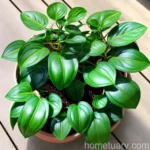
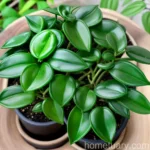
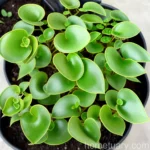
String of Turtles, scientifically known as Peperomia prostrata, is a charming vining plant that belongs to the Piperaceae family. This delightful species is native to the tropical regions of Central and South America, where it thrives in the dappled light of its natural habitat. Its distinctive foliage, which resembles a string of miniature turtles, has earned it the endearing moniker of “String of Turtles.”
Key Takeaways – String of Turtles (Peperomia prostrata):
Before we venture further into the realms of care and cultivation, let’s take a quick look at the key takeaways concerning Peperomia prostrata:
- Scientific Name: Peperomia prostrata
- Common Name: String of Turtles
- Family: Piperaceae
- Native Habitat: Central and South America
- Distinctive Feature: Resembles a string of miniature turtles
- Growth Habit: Trailing vining plant
Now that we have a brief overview of this captivating plant, let’s delve into its specific care requirements and how we can best cultivate and nurture it.
Culture
Understanding the cultural requirements of the String of Turtles is essential for ensuring its optimal growth and development. Let’s explore the key elements of its cultural environment:
Water
Proper watering is crucial for the well-being of the String of Turtles. As with many plants, overwatering can lead to root rot, while underwatering can result in dehydration and wilting. Finding the right balance is key to maintaining the plant’s health.
-
Frequency: Water the plant when the top inch of the soil feels dry to the touch. This typically translates to once every 7-10 days, but the frequency may vary based on factors such as humidity, pot size, and environmental conditions.
-
Watering Technique: Ensure that the soil is evenly moist but not waterlogged. Water thoroughly, allowing excess water to drain from the pot, and empty the saucer beneath the pot to prevent waterlogging.
-
Avoid Overwatering: String of Turtles is susceptible to overwatering, which can lead to root rot and other issues. Always err on the side of slightly underwatering rather than overwatering.
Sunlight
Proper exposure to sunlight is vital for the String of Turtles to thrive and display its striking foliage. Understanding its sunlight requirements is crucial for maintaining its health and vibrancy.
-
Light Requirements: Indirect or filtered light is ideal for the String of Turtles. Avoid prolonged exposure to direct sunlight, especially during the intense midday hours, as this can scorch the delicate foliage.
-
Ideal Placement: Place the plant near a window where it can receive bright, indirect light. North or east-facing windows are often suitable, as they provide gentle morning sunlight without the harsh intensity of afternoon rays.
-
Adjusting for Seasonal Changes: During the winter months, when sunlight levels may decrease, consider relocating the plant to a brighter spot to ensure it continues to receive adequate light.
Fertilizer
Providing the String of Turtles with the right nutrients is essential for promoting healthy growth and vibrant foliage. Let’s explore the key aspects of fertilizing this captivating plant.
-
Fertilization Schedule: During the growing season, which typically spans from spring to early fall, apply a balanced liquid fertilizer diluted to half-strength once a month. Withhold fertilization during the winter months when the plant’s growth slows.
-
Balanced Formulation: Opt for a balanced, all-purpose fertilizer with equal NPK (Nitrogen, Phosphorus, and Potassium) ratios, such as 10-10-10 or 20-20-20. This will provide the essential nutrients required for overall plant health and vigor.
-
Application Technique: Apply the diluted fertilizer to the soil, ensuring that it is distributed evenly. Avoid direct contact with the foliage, as undiluted fertilizer can cause leaf burn.
Soil
The choice of soil can greatly influence the well-being and growth of the String of Turtles. Understanding the optimal soil conditions is crucial for fostering a healthy root system and robust foliage.
-
Well-Draining Medium: Opt for a well-draining potting mix that allows excess water to escape freely. A combination of peat moss, perlite, and coarse sand creates an ideal soil structure that prevents waterlogging and aids in root aeration.
-
Avoid Compaction: Ensure that the soil mix remains loose and airy, avoiding compaction that can impede drainage and root development.
-
pH Level: A slightly acidic to neutral pH range between 6.0 to 7.0 is generally suitable for the String of Turtles. Conducting a soil pH test can help determine if the soil is within the optimal range for the plant.
Pruning
Pruning is a valuable practice for shaping the growth of the String of Turtles and maintaining its lush appearance. Let’s explore the key aspects of pruning this delightful vining plant.
-
Purpose of Pruning: Pruning serves to control the plant’s size, encourage bushier growth, and remove any leggy or straggly stems.
-
Pruning Technique: Use clean, sharp scissors or pruning shears to make precise cuts. Trim back overgrown or leggy stems to maintain a compact and well-rounded growth habit.
-
Propagation from Cuttings: The pruned cuttings can be propagated to create new plants. We will delve into the propagation techniques in detail in the subsequent section.
Propagation
Propagating the String of Turtles allows you to expand your plant collection and share the beauty of this species with fellow enthusiasts. Let’s explore the various methods of propagating Peperomia prostrata.
-
Propagation from Stem Cuttings: Select healthy stem cuttings with several leaves and nodes. Trim the cutting just below a node and remove the lower leaves to expose the nodes. Plant the cuttings in a well-draining propagation mix, ensuring that the nodes are in contact with the soil. Provide gentle moisture and warmth to facilitate the development of new roots.
-
Water Propagation: Place the stem cuttings in a container of water, ensuring that the lower nodes are submerged. Change the water regularly to prevent stagnation and monitor the development of roots. Once the roots are well-established, transfer the cuttings to a suitable potting mix.
-
Division: Mature String of Turtles plants can be divided to create new specimens. Carefully separate the plant into smaller sections, ensuring that each division has a healthy root system. Replant the divisions in individual pots, providing them with the appropriate care and conditions for growth.
Container
Selecting the right container and ensuring proper potting practices are key factors in promoting the health and vitality of the String of Turtles. Let’s delve into the essential considerations when it comes to choosing the ideal container and potting the plant.
-
Container Size: Opt for a container with adequate drainage holes that is slightly larger than the plant’s root ball. A 6 to 8-inch diameter pot is often suitable for accommodating the trailing growth habit of the String of Turtles.
-
Drainage Holes: Ensure that the chosen container has sufficient drainage holes to allow excess water to escape. Proper drainage is crucial for preventing waterlogging and maintaining healthy root conditions.
-
Potting Technique: Place a layer of well-draining potting mix at the base of the container. Gently remove the plant from its current pot, taking care not to damage the roots, and position it in the center of the new container. Fill the remaining space with the potting mix, ensuring that the plant is at the same depth as it was in the original container.
-
Choosing a Hanging Basket: The trailing growth habit of the String of Turtles makes it an ideal candidate for hanging baskets. Select a sturdy basket with appropriate drainage and ensure that it is suspended from a secure support to accommodate the plant’s cascading vines.
Popularity
The String of Turtles has garnered significant popularity among plant enthusiasts, thanks to its charming appearance and relatively low-maintenance care requirements. As a cherished addition to both indoor and outdoor settings, this delightful species continues to captivate plant lovers around the world.
-
Indoor Décor: Its trailing growth habit and unique foliage make the String of Turtles a popular choice for indoor décor. Whether displayed in hanging baskets or positioned on shelves, this plant adds a touch of natural elegance to any living space.
-
Outdoor Landscaping: In temperate climates, the String of Turtles can be cultivated outdoors in shaded garden beds or as part of mixed plantings. Its compact and trailing nature lends itself well to ground cover applications and shaded garden nooks.
-
Collector’s Plant: With its endearing resemblance to a string of mini turtles and distinctive vining habit, the String of Turtles has become a sought-after addition to plant collections and displays.
Common Diseases
While the String of Turtles is generally resilient, it is susceptible to certain diseases and issues that may affect its overall well-being. Understanding these common diseases and their symptoms is essential for timely intervention and effective management.
Disease Diagnosis
-
Root Rot: Overwatering or waterlogged soil can lead to root rot, characterized by wilting, yellowing leaves, and a foul odor emanating from the soil. To prevent root rot, ensure proper drainage and allow the soil to dry out between watering sessions.
-
Leaf Spot Diseases: Fungal infections can result in the development of leaf spots, manifesting as discolored patches on the foliage. Improving air circulation and avoiding overhead watering can help prevent leaf spot diseases.
-
Pest-Induced Issues: Prolonged infestations by sap-sucking pests such as spider mites and mealybugs can weaken the plant and lead to stunted growth. Regularly inspect the plant for signs of pests and take prompt remedial action if detected.
Common Pests
The String of Turtles may occasionally fall victim to pest infestations that can compromise its health and appearance. Familiarizing yourself with the common pests and their associated symptoms is crucial for implementing effective pest control measures.
-
Spider Mites: These tiny pests thrive in dry and warm conditions, often infesting the undersides of leaves. Infested plants may display stippled, discolored foliage and fine webbing at the leaf axils.
-
Mealybugs: Mealybugs can congregate in clusters on the plant, feeding on the sap and secreting sticky honeydew. An infestation can lead to distorted growth and the development of sooty mold on the affected foliage.
-
Scale Insects: Scale insects appear as small, raised bumps on the stems and foliage of the plant. They can cause weakening of the plant and lead to the yellowing and premature dropping of leaves.
Botanist’s Tips
As a plant scientist with a passion for the intricate world of botanical wonders, I would like to share some valuable tips for nurturing the String of Turtles:
-
Gentle Moisture: While it’s important to water the plant when the top inch of the soil dries out, be mindful of not letting the soil bone dry. Providing gentle and consistent moisture is key to maintaining the plant’s health.
-
Avoid Harsh Sunlight: Shield the String of Turtles from prolonged exposure to direct sunlight, especially during the intense midday hours. Filtered or indirect light is ideal for this delicate species.
-
Careful Pruning: When pruning the plant, take care to make clean cuts and avoid causing unnecessary damage to the remaining foliage. Pruning also offers an opportunity to propagate new plants from the cuttings.
-
Varying Propagation Methods: Experiment with different propagation methods such as stem cuttings and water propagation to expand your collection of String of Turtles plants.
Fun Facts
Let’s uncover some intriguing and delightful facts about the String of Turtles:
-
Botanical Resemblance: The charming foliage of Peperomia prostrata indeed resembles a string of miniature turtles, captivating the hearts of plant enthusiasts with its distinctive appearance.
-
Trailblazer: As a trailing vining plant, the String of Turtles excels in cascading down from elevated containers, gracefully adorning its surroundings with natural elegance.
-
Variegated Varieties: In addition to the classic String of Turtles, variegated varieties with unique patterns and colorations are also cherished among plant aficionados.
Links to External Resources
For further insights and detailed information on the care and cultivation of the String of Turtles, explore these valuable external resources:
In conclusion, the String of Turtles (Peperomia prostrata) stands as a captivating botanical marvel, enchanting plant enthusiasts with its distinctive appearance and relatively low-maintenance care requirements. By offering the right balance of water, sunlight, and nutrients, and being attentive to its specific needs, you can cultivate a flourishing and picturesque display of this charming vining plant. Whether adorning indoor spaces with its cascading foliage or gracing outdoor shaded settings with its natural allure, the String of Turtles continues to captivate the hearts of plant lovers around the world. As you embark on your journey with this delightful species, may its trailing vines and miniature “turtle” leaves bring joy and natural splendor to your botanical endeavors.
Remember, the care and attention you invest in fostering the growth of the String of Turtles will be generously rewarded with an evergreen companion that enchants and delights with its unique charm.
This guide serves as a comprehensive resource for providing the optimal care and cultivating success for the String of Turtles. Whether you are a seasoned plant enthusiast or just embarking on your botanical journey, may this guide empower you to nurture the growth and vitality of this captivating species with confidence and expertise.
Happy gardening and may your String of Turtles flourish in all its leafy splendor!
Keywords: String of Turtles care, Peperomia prostrata care, String of Turtles plant, Peperomia prostrata plant, String of Turtles propagation, Peperomia prostrata propagation, how to grow String of Turtles, how to grow Peperomia prostrata, String of Turtles watering, Peperomia prostrata watering, String of Turtles sunlight, Peperomia prostrata sunlight, String of Turtles soil, Peperomia prostrata soil, String of Turtles pruning, Peperomia prostrata pruning, String of Turtles pests, Peperomia prostrata pests, String of Turtles diseases, Peperomia prostrata diseases, String of Turtles fertilization, Peperomia prostrata fertilization, String of Turtles potting, Peperomia prostrata potting, String of Turtles trailing, Peperomia prostrata trailing, String of Turtles indoor care, Peperomia prostrata indoor care, String of Turtles outdoor care, Peperomia prostrata outdoor care, String of Turtles hanging plant, Peperomia prostrata hanging plant, String of Turtles variegated variety, Peperomia prostrata variegated variety, String of Turtles plant benefits, Peperomia prostrata plant benefits, String of Turtles plant propagation from cuttings, Peperomia prostrata plant propagation from cuttings, String of Turtles plant care tips, Peperomia prostrata plant care tips, String of Turtles plant humidity requirements, Peperomia prostrata plant humidity requirements, String of Turtles plant lighting needs, Peperomia prostrata plant lighting needs, String of Turtles container gardening, Peperomia prostrata container gardening, String of Turtles plant common problems, Peperomia prostrata plant common problems, String of Turtles plant trailing varieties, Peperomia prostrata plant trailing varieties