The Fishtail Palm (Caryota urens)
Plants are an integral part of our natural environment, and they provide us with numerous benefits, from purifying the air we breathe to adding natural beauty to our surroundings. One such beautiful and beneficial plant is the Fishtail Palm, scientifically known as Caryota urens. In this article, we will delve into the various aspects of the Fishtail Palm, including its care, uses, characteristics, and much more. Whether you are a seasoned plant enthusiast or just starting your journey in plant care, this comprehensive guide to the Fishtail Palm will provide you with valuable insights and knowledge.
What is Plant?
Plants are photosynthetic, multicellular organisms belonging to the kingdom Plantae. They are characterized by their ability to produce their own food through the process of photosynthesis, utilizing sunlight, water, and carbon dioxide to synthesize organic compounds. Plants play a crucial role in various ecosystems, serving as primary producers and providing food, shelter, and oxygen for countless organisms.
Fishtail Palm (Caryota urens)
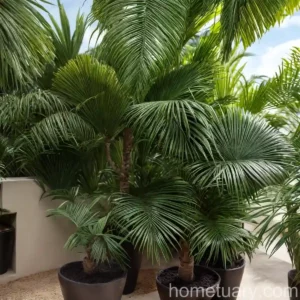
The Fishtail Palm, also known by its scientific name Caryota urens, is a striking palm species that is native to Southeast Asia and India. It belongs to the Arecaceae family and is renowned for its unique and attractive foliage. The name “Fishtail” is derived from the shape of its leaves, which bear a resemblance to the tail of a fish.

Key Takeaways – Fishtail Palm (Caryota urens)
Before we explore the specific care requirements and characteristics of the Fishtail Palm, let’s take a look at some key takeaways about this fascinating plant.
Culture
- Scientific Name: Caryota urens
- Family: Arecaceae
- Common Names: Fishtail Palm, Jaggery Palm, Toddy Palm
- Origin: Southeast Asia, India
- Growth Habit: Clustering palm with bipinnate leaves
- Growth Rate: Moderate to fast
Uses
- Landscape Ornamental: Adds tropical flair to gardens and landscapes
- Indoor Décor: Popular as an indoor houseplant
- Symbolism: Represents peace, tranquility, and tropical beauty
- Medicinal Purposes: Traditional medicinal uses in some cultures
- Agricultural: Sap used for jaggery and alcoholic beverages
Now that we have an overview of the Fishtail Palm, let’s delve into its specific care requirements and characteristics.
Water
Proper watering is essential for the health and vigor of the Fishtail Palm. As with most plants, it is crucial to maintain a balance and avoid overwatering or underwatering. Here are some tips for watering the Fishtail Palm:
- Moderate Watering: The Fishtail Palm prefers consistently moist, well-draining soil. Water the plant when the top inch of the soil feels dry to the touch.
- Avoid Waterlogging: Ensure that the pot or planting area has sufficient drainage to prevent waterlogging, which can lead to root rot.
Sunlight
The Fishtail Palm thrives in bright, indirect sunlight. Providing the right amount of sunlight is crucial for its growth and overall health. Here are some sunlight-related tips for the Fishtail Palm:
- Indirect Light: Place the Fishtail Palm in a location with bright, indirect sunlight. Avoid direct exposure to intense midday sun, especially for indoor plants.
- Partial Shade: While the Fishtail Palm enjoys bright light, it can also tolerate partial shade, making it a versatile choice for various light conditions.
Fertilizer
Proper fertilization can enhance the growth and lushness of the Fishtail Palm. Here are some important points to consider when fertilizing this palm species:
- Balanced Fertilizer: Use a balanced fertilizer formulated for palms or general use houseplants. Follow the recommended dosage on the fertilizer label.
- Seasonal Feeding: During the growing season in spring and summer, feed the Fishtail Palm every 2-4 weeks to provide essential nutrients for robust growth.
Soil
The right soil composition is vital for the Fishtail Palm to thrive and flourish. Here are some soil-related considerations for this plant:
- Well-Draining Soil: Use a well-draining potting mix with a blend of peat, perlite, and coarse sand. Good drainage is crucial to prevent waterlogging.
- Acidic to Neutral pH: The Fishtail Palm prefers slightly acidic to neutral soil with a pH range of 6.0-7.0.
Pruning
Pruning helps maintain the Fishtail Palm’s attractive appearance and promotes healthy growth. Here are some key points to keep in mind when pruning this palm species:
- Remove Dead Foliage: Regularly trim and remove dead or yellowing fronds to keep the plant looking tidy.
- Caution: Exercise caution when pruning, as the sharp leaflet tips of the Fishtail Palm can cause injury. Use appropriate tools and protective gear.
Propagation
While Fishtail Palms are primarily propagated from seeds, it is possible to propagate them by division. Here are some insights into propagating the Fishtail Palm:
- Seed Propagation: Germinating Fishtail Palm seeds can be a rewarding way to propagate new plants. Fresh seeds have the best chance of successful germination.
- Division: Mature Fishtail Palm clusters can be carefully divided to create new plants. Ensure that each division has sufficient roots and foliage for successful establishment.
Container Popularity
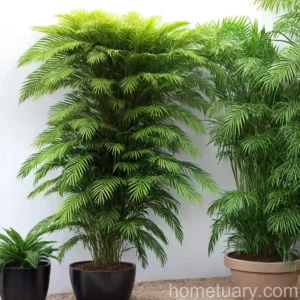
The Fishtail Palm is a popular choice for container cultivation, both indoors and outdoors. Its elegant appearance and adaptability make it an excellent container plant. Here are some highlights of its container popularity:
- Indoor Décor: The Fishtail Palm is a favored choice for interior decoration, where its lush foliage adds a touch of tropical elegance to living spaces.
- Outdoor Containers: Whether on patios, balconies, or gardens, the Fishtail Palm is well-suited for container growth, providing a stunning focal point in outdoor settings.
Common Diseases
Like all plants, the Fishtail Palm is susceptible to certain diseases, and being aware of these diseases is crucial for its care. Here are some common diseases that may affect the Fishtail Palm:
- Palm Leaf Spot: Fungal infections such as Pestalotiopsis can cause unsightly leaf spots. Maintain good air circulation and avoid overhead watering to prevent this disease.
- Root Rot: Overwatering or poor drainage can lead to root rot, which manifests as wilting, yellowing, and eventual collapse of the palm.
Disease Diagnosis
Diagnosing and addressing diseases promptly is essential to preserve the health of the Fishtail Palm. Here are some diagnostic tips for identifying and managing diseases in this palm species:
- Observation: Regularly inspect the foliage, stems, and overall health of the palm for signs of discoloration, lesions, or abnormal growth.
- Consultation: If you suspect a disease, seek advice from a local plant expert, horticulturist, or agricultural extension office for accurate diagnosis and treatment recommendations.
Common Pests
Several pests can pose a threat to the Fishtail Palm, and being vigilant against these invaders is crucial for its well-being. Here are some common pests that may affect the Fishtail Palm:
- Scale Insects: These sap-sucking pests can infest the fronds and stems of the Fishtail Palm, leading to stunted growth and yellowing.
- Spider Mites: These tiny arachnids can cause stippling and discoloration of the foliage, impacting the palm’s overall vigor.
Botanist’s Tips
As a plant scientist, I have encountered various fascinating aspects of the Fishtail Palm, and I would like to share some additional tips for caring for this palm species:
- Ventilation: Good air circulation is essential for preventing fungal diseases and maintaining the overall health of the Fishtail Palm. Position the plant in an area with adequate airflow.
- Hygiene: Regularly clean the foliage of the Fishtail Palm to remove dust and debris, which can inhibit photosynthesis and create a hospitable environment for pests and diseases.
Fun Facts
The Fishtail Palm is not only a stunning ornamental plant but also boasts several intriguing characteristics and historical uses. Here are some fun facts about the Fishtail Palm:
- Traditional Uses: In some regions, the sap of the Fishtail Palm is used to produce jaggery, a traditional sweetener, and alcoholic beverages like palm wine or toddy.
- Tropical Habitat: The Fishtail Palm is native to lush, tropical habitats, and its elegant fronds evoke the ambiance of tropical paradises.
Links to External Resources
For further exploration of the Fishtail Palm, here are some external resources that provide valuable insights into its care, cultivation, and characteristics:
By incorporating these external resources into your research, you can gain a deeper understanding of the Fishtail Palm and enhance your plant care practices.
In conclusion, the Fishtail Palm (Caryota urens) stands out as a captivating and versatile plant that adds a touch of tropical elegance to both indoor and outdoor settings. Understanding its specific care requirements, characteristics, and potential challenges is essential for cultivating thriving Fishtail Palms. Whether you are drawn to its lush foliage, traditional uses, or symbolic significance, the Fishtail Palm remains a beloved choice for plant enthusiasts and landscape designers alike.
This comprehensive guide to the Fishtail Palm aims to equip you with the knowledge and insights needed to nurture and appreciate this remarkable palm species. As you embark on your journey with the Fishtail Palm, may its lush fronds and tropical allure bring joy and serenity to your living spaces and landscapes.
References
- Royal Horticultural Society. “Caryota urens.” Retrieved from https://www.rhs.org.uk/plants/13022/Caryota-urens/Details
- University of Florida IFAS Extension. “Fishtail Palm.” Retrieved from https://edis.ifas.ufl.edu/st467