Hawaiian Umbrella Tree Bonsai (Schefflera Arboricola)
As a plant scientist with a passion for botanical diversity, my goal has always been to share knowledge and promote the appreciation of plants. In this.
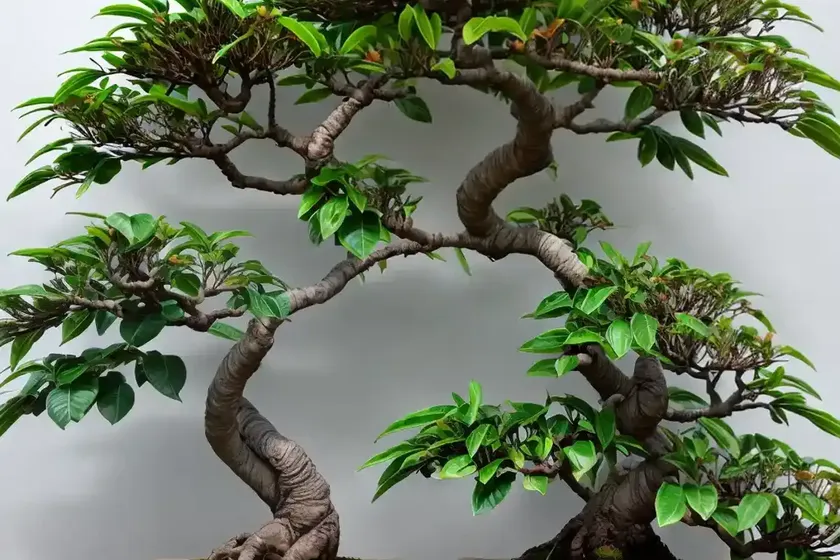
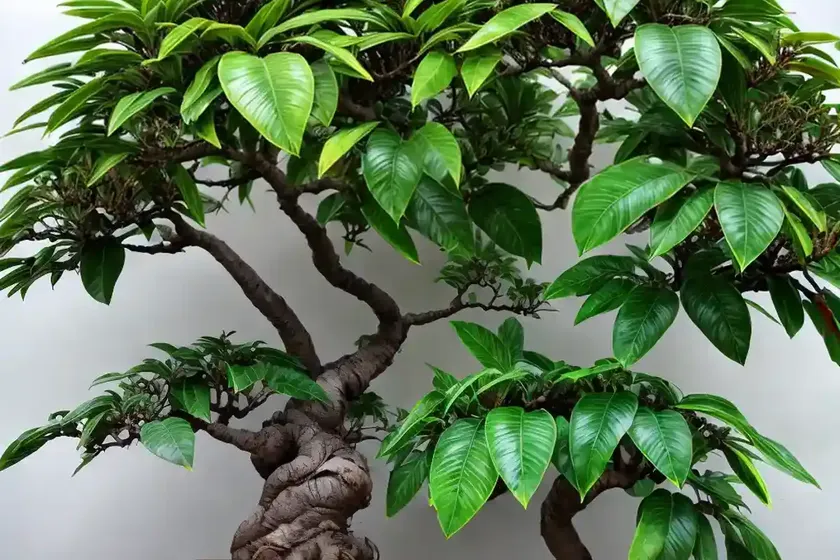
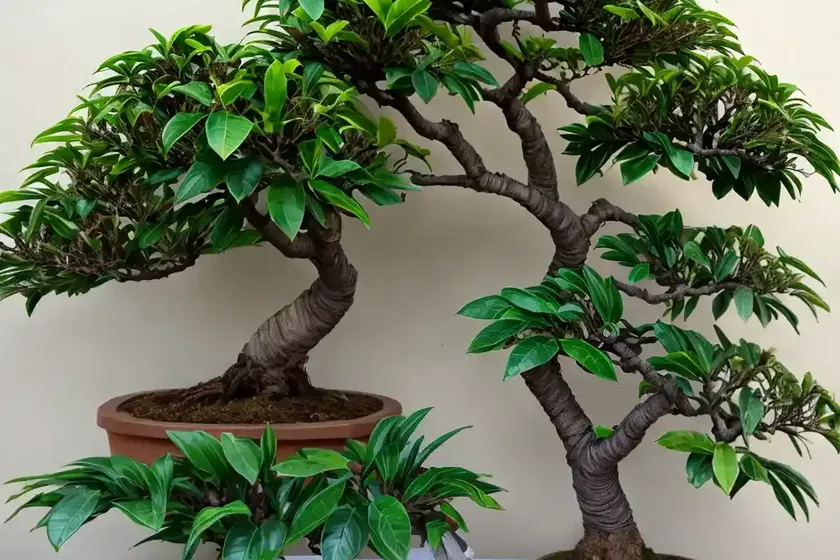
As a plant scientist with a passion for botanical diversity, my goal has always been to share knowledge and promote the appreciation of plants. In this comprehensive guide, we will explore the fascinating world of the Hawaiian Umbrella Tree Bonsai, scientifically known as Schefflera arboricola. From its cultural significance to its care and maintenance, we will delve into every aspect of nurturing and enjoying this beautiful plant.
What is the Hawaiian Umbrella Tree Bonsai (Schefflera arboricola)?
The Hawaiian Umbrella Tree, aptly named for its distinctive airy, umbrella-like appearance, is a popular choice for bonsai enthusiasts. Native to Taiwan, the Schefflera arboricola is a member of the Araliaceae family, and its unique growth pattern and vibrant green foliage make it a captivating addition to any indoor or outdoor garden.
Key Takeaways – Hawaiian Umbrella Tree Bonsai (Schefflera arboricola)
Let’s begin by summarizing the essential aspects of caring for the Hawaiian Umbrella Tree Bonsai. This will serve as a roadmap for our in-depth exploration of its cultural significance, uses, and specific care requirements.
-
Culture: Embraced in various cultures worldwide as a symbol of harmony and balance, the Hawaiian Umbrella Tree Bonsai holds great cultural significance. Understanding its cultural context can deepen our appreciation for this remarkable plant.
-
Uses: From ornamental purposes to spiritual symbolism, the uses of the Hawaiian Umbrella Tree Bonsai are diverse and intriguing. We will explore its multifaceted roles and significance in different contexts.
-
Water: Proper watering is crucial for the health and vitality of the Schefflera arboricola. We will discuss the optimal watering techniques and frequency to ensure its flourishing growth.
-
Sunlight: Understanding the sunlight requirements of the Hawaiian Umbrella Tree Bonsai is paramount for maintaining its lush foliage. We will delve into its preferences for light and how to meet its specific needs.
-
Fertilizer: Providing the right nourishment through effective fertilization is essential for the sustained health and vigor of the Schefflera arboricola. We will explore the best practices for fertilizing this exquisite bonsai.
-
Soil: The choice of soil significantly impacts the growth and overall well-being of the Hawaiian Umbrella Tree Bonsai. We will discuss the optimal soil composition and the importance of soil quality for this bonsai.
-
Pruning: Pruning is an art form that plays a vital role in shaping the aesthetics and promoting the growth of the Hawaiian Umbrella Tree Bonsai. We will explore the techniques and principles of effective pruning.
-
Propagation: Understanding the propagation methods is essential for expanding your collection of Hawaiian Umbrella Tree Bonsai. We will discuss the propagation techniques to propagate and propagate the unique characteristics of this bonsai.
-
Container: Choosing the right container is a crucial decision in the care of the Schefflera arboricola. We will explore the considerations for selecting an optimal container to ensure the bonsai’s well-being.
-
Popularity: The popularity of the Hawaiian Umbrella Tree Bonsai has soared in recent years. We will delve into the factors behind its widespread appeal and popularity among enthusiasts.
-
Common Diseases: Like any living organism, the Schefflera arboricola is susceptible to diseases. Understanding common diseases and their management is essential for maintaining the bonsai’s health.
-
Disease Diagnosis: Early detection and accurate diagnosis of diseases are paramount for effective treatment. We will discuss the signs of common diseases and how to diagnose them.
-
Common Pests: Pests can pose a threat to the well-being of the Hawaiian Umbrella Tree Bonsai. We will identify common pests and explore effective pest control measures.
-
Botanist’s Tips: As a plant scientist, my insights and tips based on scientific principles and practical experience will provide valuable guidance for caring for the Schefflera arboricola.
-
Fun Facts: Uncover fascinating and lesser-known facts about the Hawaiian Umbrella Tree Bonsai that will deepen your appreciation for this captivating plant.
-
Links to External Resources: External resources curated to provide additional valuable information and guidance on Hawaiian Umbrella Tree Bonsai care and maintenance.
Now that we have outlined the key takeaways, let’s embark on a comprehensive journey into the world of the Hawaiian Umbrella Tree Bonsai and immerse ourselves in its cultural significance, care requirements, and botanical allure.
Culture and Significance
The Hawaiian Umbrella Tree Bonsai, with its enchanting appearance and serene presence, holds cultural significance in various traditions and beliefs. From ancient symbolism to modern-day interpretations, the cultural context surrounding this bonsai adds depth and meaning to its presence in our lives.
In the rich tapestry of Eastern cultures, bonsai trees have been revered as symbols of harmony, balance, and the beauty of nature. The art of bonsai cultivation has deep roots in traditional Japanese, Chinese, and Buddhist practices. The meticulous care and shaping of bonsai trees, including the Hawaiian Umbrella Tree Bonsai, are considered a meditative and spiritual art form in these cultures.
In Western societies, the art of bonsai has captured the imagination of enthusiasts and has become a symbol of elegance and refined taste. The Hawaiian Umbrella Tree Bonsai, with its unique foliage and graceful form, has found its place as a cherished ornamental addition to homes, gardens, and public spaces.
The significance of the Hawaiian Umbrella Tree Bonsai extends beyond its physical presence, as it embodies the enduring connection between humanity and nature. Its miniature yet majestic stature serves as a poignant reminder of the beauty and resilience of the natural world.
Understanding the cultural significance of the Hawaiian Umbrella Tree Bonsai enriches our relationship with this captivating plant and deepens our appreciation for its timeless allure.
Uses of the Hawaiian Umbrella Tree Bonsai
The Hawaiian Umbrella Tree Bonsai, with its striking appearance and elegant form, serves a multitude of uses that enrich our lives and surroundings. From ornamental beauty to symbolic representations, the uses of this captivating bonsai are as diverse as they are fascinating.
Ornamental Beauty
One of the primary uses of the Hawaiian Umbrella Tree Bonsai is its ornamental value. Admired for its lush, glossy foliage and distinctive growth pattern, this bonsai serves as a visually enchanting addition to indoor and outdoor spaces. Its graceful, umbrella-like canopy and intricate branching create a captivating focal point that enhances any environment.
Spiritual Symbolism
In various cultures, bonsai trees, including the Hawaiian Umbrella Tree Bonsai, hold symbolic significance. They are revered as representations of harmony, balance, and the vibrant connection between humanity and nature. As a result, these bonsai trees are often cherished for their spiritual symbolism and revered as potent reminders of the enduring beauty and resilience of the natural world.
Meditative Practice
The cultivation and care of the Hawaiian Umbrella Tree Bonsai can be a meditative and contemplative practice. Tending to the bonsai, shaping its form through pruning, and observing its growth over time can offer a sense of tranquility and mindfulness. This meditative aspect adds another layer of significance to the uses of the Hawaiian Umbrella Tree Bonsai, transforming its presence into an enriching and calming influence in our lives.
Botanical Education
From educational institutions to botanical gardens, the Hawaiian Umbrella Tree Bonsai serves as a valuable educational tool for teaching about horticulture, plant care, and the art of bonsai cultivation. Its unique growth habits and manageable size make it an excellent subject for studying plant morphology, growth patterns, and horticultural practices.
Understanding the diverse uses of the Hawaiian Umbrella Tree Bonsai highlights its versatility and multi-faceted significance in our lives. Whether as an emblem of beauty, a symbol of spirituality, a source of tranquility, or an educational focal point, this captivating bonsai enriches our surroundings and transcends its botanical origins.
Hawaiian Umbrella Tree Bonsai’s Watering Guide
Proper watering is essential for the health and vitality of the Hawaiian Umbrella Tree Bonsai. The unique growth habits and environmental requirements of this bonsai necessitate a thoughtful and precise approach to watering. By understanding the specific watering needs and techniques, we can ensure the flourishing growth and well-being of the Schefflera arboricola.
Understanding Watering Needs
The Hawaiian Umbrella Tree Bonsai, like many tropical plants, has specific watering needs that align with its natural habitat. As a tropical species, it thrives in consistently moist, well-draining soil. However, overwatering can lead to root rot and other issues, while underwatering can result in stress and dehydration.
Watering Frequency
The frequency of watering the Hawaiian Umbrella Tree Bonsai depends on several factors, including the season, the size of the bonsai, the type of soil, and the environmental conditions. During the growing season, typically from spring to fall, the bonsai may require more frequent watering to sustain its active growth. In contrast, during the dormant season in winter, reduced watering is generally needed to accommodate the plant’s reduced metabolic activity.
Techniques for Watering
When watering the Hawaiian Umbrella Tree Bonsai, it is essential to achieve thorough yet controlled moisture distribution throughout the root zone. One effective technique is to water the bonsai until water flows evenly from the drainage holes of the container, ensuring that the entire root system receives adequate moisture. Additionally, using a watering can with a fine rose nozzle or a gentle spray bottle can help disperse the water evenly without disturbing the soil or roots.
Moisture Monitoring
Regularly monitoring the moisture levels in the soil is crucial for gauging the watering needs of the Hawaiian Umbrella Tree Bonsai. This can be accomplished by using a moisture meter, observing the soil’s visual appearance, or gently probing the soil to assess its dampness. By maintaining an optimal moisture level in the soil, we can prevent both waterlogged conditions and prolonged dry spells, safeguarding the bonsai’s health.
Water Quality
The quality of water used for irrigating the Hawaiian Umbrella Tree Bonsai is another vital consideration. Ideally, using filtered or dechlorinated water at room temperature can help minimize stress on the bonsai and prevent the accumulation of harmful chemicals in the soil. Avoiding extremes in water temperature and chemical composition contributes to the overall well-being of the bonsai.
Seasonal Adjustments
As the seasons change, adapting the watering regimen to correspond with the bonsai’s natural cycle is essential. During the active growth phases, increasing the frequency of watering while maintaining soil moisture balance is crucial. Conversely, during the dormant period, moderating the watering frequency to align with the plant’s reduced metabolic activity is necessary to prevent water-related stress.
By mastering the art of watering the Hawaiian Umbrella Tree Bonsai, we can provide the optimal moisture conditions essential for its thriving growth and overall health. The careful balance between hydration and soil drainage is the key to sustaining the exquisite beauty and resilience of the Schefflera arboricola.
Sunlight Requirements for the Hawaiian Umbrella Tree Bonsai
The Hawaiian Umbrella Tree Bonsai, renowned for its lush, vibrant foliage and graceful form, has specific sunlight requirements that contribute to its health and aesthetic appeal. Understanding its preferences for light and providing the appropriate levels of sunlight are crucial for maintaining its radiant appearance and sustainable growth.
Sunlight Preferences
As a tropical species, the Schefflera arboricola thrives in bright, indirect sunlight. It flourishes when exposed to gentle, filtered light that mimics the dappled sun rays found in its native rainforest habitats. While it can tolerate periods of direct sunlight, prolonged exposure to intense sun can lead to leaf scorch and overall stress on the bonsai.
Indoor Lighting
For indoor cultivation of the Hawaiian Umbrella Tree Bonsai, locating it in a well-lit area with ample natural light is essential. Placing the bonsai near a bright, east-facing window or in a room with abundant natural illumination can provide the optimal light conditions for healthy growth. If natural light is limited, supplemental grow lights can be used to ensure the bonsai receives adequate illumination.
Outdoor Environment
When cultivating the Schefflera arboricola outdoors, selecting an appropriate location that balances bright, indirect sunlight with partial shade is recommended. Sheltering the bonsai from intense midday sun while allowing it to benefit from morning and late afternoon light can create an ideal outdoor environment for sustained growth and vibrant foliage.
Monitoring Light Levels
Regularly assessing the light levels received by the Hawaiian Umbrella Tree Bonsai is crucial for maintaining optimal growing conditions. Observing the foliage for signs of sunburn, such as browning or yellowing of leaves, can indicate excessive sun exposure. Conversely, insufficient light may lead to leggy growth and a reduction in overall vitality. Adapting the bonsai’s placement based on these observations can help fine-tune its light exposure.
Seasonal Considerations
As the seasons transition, the sunlight patterns and intensity change, necessitating seasonal adjustments to the Hawaiian Umbrella Tree Bonsai’s light exposure. Monitoring the shifting sunlight angles and durations as seasons progress allows for proactive adaptations to ensure the bonsai receives the ideal light conditions for each season.
Sunlight and Growth Patterns
The quality and duration of sunlight directly influence the growth patterns and leaf development of the Hawaiian Umbrella Tree Bonsai. Ample, indirect light promotes compact, lush foliage and encourages balanced branching, contributing to the bonsai’s overall aesthetic appeal. Consistently providing the appropriate sunlight allows the bonsai to thrive and express its full botanical splendor.
By catering to the specific sunlight needs of the Hawaiian Umbrella Tree Bonsai, we can uphold its resilience and vibrant beauty. Attentive monitoring of light exposure, strategic placement, and seasonal adaptations create an environment that nurtures the Schefflera arboricola’s innate vitality and captivating allure.
Fertilization Schedule for the Hawaiian Umbrella Tree Bonsai
Providing essential nutrients through proper fertilization is paramount for sustaining the health, vigor, and visual appeal of the Hawaiian Umbrella Tree Bonsai. By understanding its fertilization requirements and adhering to a systematic schedule, we can enrich the bonsai’s growth and contribute to its enduring botanical splendor.
Importance of Fertilization
Fertilization is vital for the Hawaiian Umbrella Tree Bonsai as it provides essential macro and micronutrients necessary for its metabolic functions, growth, and overall resilience. While the bonsai can derive some nutrients from the soil, supplementing its diet with a well-balanced fertilizer ensures it receives the full spectrum of essential elements critical for sustained health.
Nutrient Balance
Selecting a balanced, slow-release fertilizer formulated specifically for bonsai trees is essential for achieving nutrient balance. A fertilizer with equal or proportional concentrations of nitrogen, phosphorus, and potassium, supplemented with trace minerals such as iron and magnesium, provides comprehensive nourishment for the Schefflera arboricola.
Fertilization Frequency
Establishing a regular fertilization schedule aligned with the Hawaiian Umbrella Tree Bonsai’s natural growth cycle is essential. During the active growing season in spring and summer, frequent fertilization at reduced strengths can support the bonsai’s robust growth. Conversely, reducing or ceasing fertilization during the dormant phase in fall and winter helps to synchronize its nutrient uptake with its metabolic slowdown.
Dilution and Application
When fertilizing the Hawaiian Umbrella Tree Bonsai, diluting the selected fertilizer to half or quarter strength is recommended, especially for frequent applications. Applying the diluted fertilizer directly to the moistened soil surface, avoiding direct contact with the foliage, reduces the risk of over-fertilization and helps ensure controlled nutrient absorption.
Organic and Synthetic Options
Choosing between organic and synthetic fertilizers depends on individual preferences and ethical considerations. Organic fertilizers, derived from natural sources, offer gradual nutrient release and contribute to long-term soil health. Synthetic fertilizers, while providing rapid nutrient uptake, require more precise application to prevent overloading the bonsai with excessive nutrients.
Fertilization Timing
Applying fertilizer to the Hawaiian Umbrella Tree Bonsai at strategic times, such as in the morning or early evening, capitalizes on the bonsai’s optimal nutrient uptake periods. Timing the fertilization sessions to coincide with periods of active growth, when the bonsai can efficiently utilize the nutrients, enhances the effectiveness of the fertilization regimen.
Soil pH and Fertilization
Regular monitoring of the soil pH and occasional soil testing can provide valuable insights into the efficacy of the fertilization program. Adjusting the soil pH as needed ensures that the Hawaiian Umbrella Tree Bonsai can effectively absorb and utilize the supplied nutrients, optimizing its overall nutrition uptake.
By adhering to a well-crafted fertilization schedule tailored to its specific needs, the Hawaiian Umbrella Tree Bonsai can sustain its lush foliage, resilience, and long-term health. Thoughtful application of balanced fertilizers and adherence to a seasonal fertilization regimen contribute to the enduring vibrancy and vitality of the Schefflera arboricola.
Soil Requirements for the Hawaiian Umbrella Tree Bonsai
The soil composition and quality play a pivotal role in the well-being and sustained growth of the Hawaiian Umbrella Tree Bonsai. By understanding the specific soil requirements and selecting an appropriate growing medium, we can create an environment that nurtures the Schefflera arboricola’s vibrant foliage and overall botanical allure.
Soil Structure and Drainage
The ideal soil mix for the Hawaiian Umbrella Tree Bonsai is well-draining, porous, and light, mimicking the conditions of its native tropical habitats. A blend of organic components, such as peat moss, pine bark, and perlite, promotes optimal soil structure and facilitates efficient drainage, preventing waterlogged conditions that can lead to root rot and other issues.
Organic Matter and Nutrient Retention
Incorporating organic matter into the soil mix not only improves its physical properties but also enhances its capacity to retain and release nutrients gradually. Well-decomposed organic materials, such as composted pine bark or coconut coir, enrich the soil with beneficial microbial activity and contribute to the sustained nourishment of the Schefflera arboricola.
Aeration and Root Oxygenation
The soil mix used for the Hawaiian Umbrella Tree Bonsai should prioritize adequate aeration and root oxygenation. This allows for the uninhibited exchange of gases and promotes the development of a robust, healthy root system. Perlite, coarse sand, or volcanic rock aggregates are valuable additions that enhance the soil’s aeration and prevent compaction.
pH Balance
Maintaining an optimal soil pH is essential for the Hawaiian Umbrella Tree Bonsai’s nutrient uptake and overall well-being. A slightly acidic to neutral pH range, typically between 6.0 and 6.5, creates a hospitable environment for the bonsai’s root system, facilitating the efficient absorption of essential nutrients from the soil.
Water Retention and Evaporation
Balancing the soil’s water retention and evaporation rates is crucial for sustaining the Hawaiian Umbrella Tree Bonsai’s moisture levels and preventing extremes in soil moisture. A well-structured soil mix with appropriate moisture retention properties allows for gradual, uniform water uptake while minimizing the risk of prolonged saturation or rapid desiccation.
Sterilization and Disease Prevention
Using sterilized soil or pre-treating the soil mix to eliminate pathogens, weed seeds, and harmful pests is essential for safeguarding the Hawaiian Umbrella Tree Bonsai’s health. Soil sterilization methods, such as heat treatment or pasteurization, reduce the risk of disease transmission and ensure