Baby Rubber Plant (Peperomia Obtusifolia)
Plants are a vital part of our ecosystem, providing oxygen, reducing carbon dioxide levels, and adding natural beauty to our surroundings. Baby Rubber.
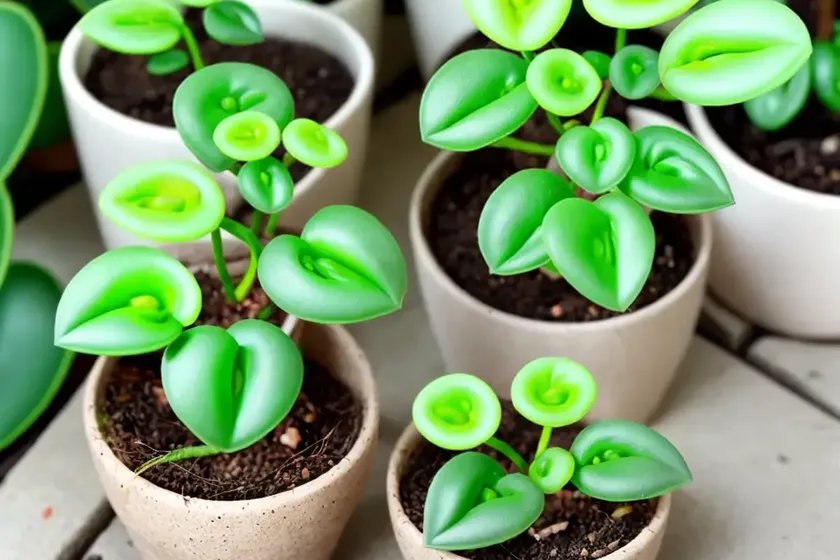
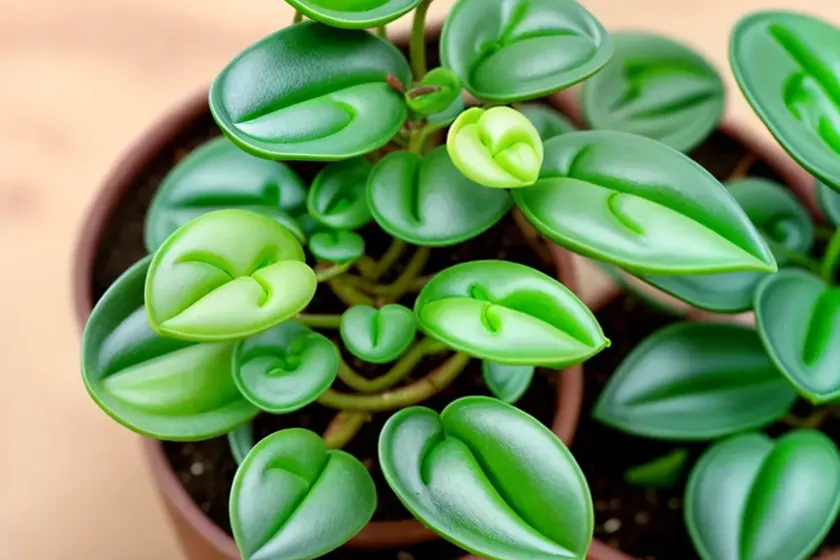
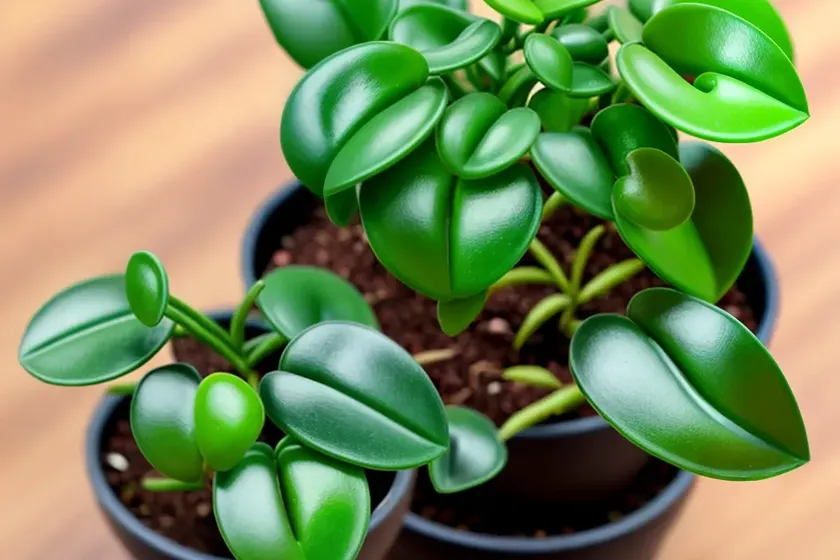
Plants are a vital part of our ecosystem, providing oxygen, reducing carbon dioxide levels, and adding natural beauty to our surroundings. Baby Rubber Plant, scientifically known as Peperomia obtusifolia, is an excellent indoor plant that not only enhances the aesthetic appeal but also provides numerous health benefits. In this comprehensive care guide, we will delve into the various aspects of nurturing this charming plant, from its cultural practices and uses to tackling common diseases and pests. Whether you’re a seasoned plant enthusiast or a beginner looking to liven up your indoor space, this guide will equip you with the knowledge to ensure the thriving of your Baby Rubber Plant.
What is a Plant?
Plants are living organisms that belong to the Plantae kingdom, encompassing a wide array of species such as trees, shrubs, herbs, ferns, mosses, and more. They are characterized by their ability to photosynthesize, converting light energy into chemical energy and producing oxygen as a byproduct. Plants play a crucial role in the environment, serving as the foundation of the food chain and contributing to the regulation of the ecosystem.
Baby Rubber Plant (Peperomia obtusifolia)
Peperomia obtusifolia, commonly known as Baby Rubber Plant, is a species of perennial flowering plant native to the tropical regions of South America. With its succulent-like leaves and compact growth habit, this plant has gained popularity as a low-maintenance choice for indoor decoration. Its attractive appearance, resilience, and air-purifying properties make it a sought-after addition to homes, offices, and other indoor spaces.
Key Takeaways – Baby Rubber Plant (Peperomia obtusifolia)
Here are the key takeaways that we will explore in detail:
- Culture
- Uses
- Water
- Sunlight
- Fertilizer
- Soil
- Pruning
- Propagation
- Container Popularity
- Common Diseases
- Disease Diagnosis
- Common Pests
- Botanist’s Tips
- Fun Facts
- Links to External Resources
We will address each of these aspects comprehensively to provide you with a holistic understanding of the care and maintenance requirements for Baby Rubber Plant.
Culture
Understanding the cultural preferences of a plant is essential for creating a conducive environment for its growth and development. Let’s delve into the cultural aspects of Baby Rubber Plant care:
Uses
The Baby Rubber Plant, with its charming foliage and air-purifying capabilities, holds several uses, including:
- Indoor Decoration: The plant’s attractive foliage makes it a popular choice for indoor decoration, adding a touch of greenery to various spaces.
- Air Purification: Baby Rubber Plant is known for its ability to remove toxins from the air, contributing to cleaner indoor air quality.
- Stress Reduction: Studies have shown that indoor plants, including Peperomia obtusifolia, can help reduce stress and promote a sense of well-being.
These uses highlight the multifaceted benefits of incorporating Baby Rubber Plant into indoor environments.
Water
Baby Rubber Plant Watering:
Proper watering is crucial for the health and vitality of Baby Rubber Plant. Here are some essential watering tips:
- Moderation is Key: Avoid overwatering, as it can lead to root rot and other moisture-related issues. Allow the soil to dry out partially between waterings.
- Checking Moisture Levels: Use the “finger test” to assess soil moisture. Insert your finger into the soil up to the first knuckle; if the soil feels dry at that depth, it’s time to water the plant.
- Water Quality: Use room temperature water to avoid shocking the plant with extreme temperature variances.
Consistent and mindful watering practices are vital for maintaining the optimal moisture balance for Peperomia obtusifolia.
Sunlight
Baby Rubber Plant Light Requirements:
Understanding the lighting needs of Baby Rubber Plant is essential for ensuring its healthy growth. Consider the following aspects:
- Indirect Light: Baby Rubber Plant thrives in bright, indirect light. Direct sunlight can scorch the leaves, so it’s best to provide filtered or diffused light.
- Low-Light Tolerance: While it appreciates bright conditions, Baby Rubber Plant can also tolerate lower light levels, making it suitable for spaces with limited natural light.
Balancing the light exposure is crucial for promoting robust growth and maintaining the plant’s appearance.
Fertilizer
Peperomia obtusifolia Fertilizing:
Fertilization plays a vital role in supplying essential nutrients for the Baby Rubber Plant’s growth. Consider the following fertilizer-related tips:
- Balanced Fertilizer: Use a balanced, water-soluble fertilizer formulated for houseplants. Dilute the fertilizer to half or quarter strength to avoid overfeeding.
- Frequency: Apply fertilizer during the growing season (spring and summer) at regular intervals, usually every 4-6 weeks.
- Avoid Over-Fertilization: Excessive fertilizer can lead to salt buildup in the soil, affecting the plant’s overall health. Always follow the recommended dosage on the fertilizer label.
By adhering to a consistent fertilization schedule and using an appropriate formulation, you can enhance the health and vigor of your Baby Rubber Plant.
Soil
Peperomia obtusifolia Soil:
The choice of soil is integral to the well-being of Baby Rubber Plant. Consider the following soil-related recommendations:
- Well-Draining Mix: Use a well-draining potting mix to prevent waterlogging, such as a blend of peat moss, perlite, and a small amount of coarse sand.
- Aeration: The soil should provide adequate aeration to the roots while retaining sufficient moisture to support growth.
- Potting Mix Considerations: Consider using a commercial potting mix formulated specifically for succulent or cacti, as these blends often align with the soil preferences of Peperomia obtusifolia.
Choosing the right soil medium sets the foundation for the plant’s growth and overall health, providing an environment conducive to root development.
Pruning
Baby Rubber Plant Pruning:
Pruning is an essential aspect of Baby Rubber Plant care, contributing to its appearance and overall well-being. Consider the following pruning tips:
- Regular Maintenance: Trim off any leggy or overgrown stems to maintain the plant’s compact and bushy form.
- Pruning Tools: Use clean, sharp pruning shears to make precise cuts, reducing the risk of damage and disease transmission.
- Propagation: Pruning also presents an opportunity for propagation, allowing you to create new plants from the cuttings.
Regular pruning not only helps manage the size and shape of the plant but also promotes new growth and maintains its aesthetic appeal.
Propagation
Peperomia obtusifolia Propagation:
Propagating Baby Rubber Plant is an exciting way to expand your plant collection or share it with fellow enthusiasts. Consider the following propagation methods:
- Stem Cuttings: Propagation through stem cuttings is one of the most popular methods for Baby Rubber Plant. Select a healthy stem cutting with several leaves and propagate it in a suitable growing medium.
- Leaf Cuttings: It’s also possible to propagate Baby Rubber Plant from individual leaves. Select healthy leaves and follow the proper propagation techniques to encourage root development.
Exploring propagation opens up possibilities for creating new Baby Rubber Plants and experimenting with different growing methods.
Container Popularity
The popularity of Baby Rubber Plant has made it a favorite choice for container gardening, both indoors and outdoors. Its compact growth habit and charming foliage make it well-suited for various container types, including:
- Pots and Planters: Baby Rubber Plant thrives in pots and planters of different sizes, making it suitable for small and large displays.
- Hanging Baskets: Its trailing nature and low-maintenance requirements make it an excellent candidate for hanging baskets, adding greenery to elevated spaces.
Understanding the container preferences of Baby Rubber Plant allows you to select the most suitable growing environment for optimal growth and aesthetics.
Common Diseases
Dealing with plant diseases is a common concern for plant enthusiasts. Understanding the common diseases affecting Baby Rubber Plant, along with their diagnosis and management, is vital for maintaining its health:
Disease Diagnosis
Baby Rubber Plant is susceptible to certain diseases and issues, including:
- Leaf Spot: Characterized by the presence of brown or black spots on the leaves, often indicating a fungal or bacterial infection.
- Root Rot: Overwatering or poor drainage can lead to root rot, causing the plant to exhibit wilting and yellowing of the leaves.
- Powdery Mildew: A fungal disease that manifests as a powdery white coating on the foliage, potentially impacting the plant’s overall health.
By recognizing the symptoms and signs of these common diseases, you can take proactive measures to address them effectively and prevent their recurrence.
Common Pests
Pest infestations can affect the health and appearance of Baby Rubber Plant. Identifying and addressing common pests is crucial for maintaining the plant’s vigor:
Botanist’s Tips
As a botanist specializing in plant care, I recommend the following tips for successful Baby Rubber Plant care:
- Consistent Observation: Regularly inspect your plant for any signs of disease, pest infestation, or nutrient deficiencies, allowing you to address issues promptly.
- Balanced Environment: Strive to create a balanced environment with optimal light, water, and humidity levels to support the plant’s well-being.
- Gentle Handling: When pruning or propagating Baby Rubber Plant, handle the plant with care to minimize stress and potential damage to the foliage and stems.
By incorporating these tips into your plant care routine, you can foster a thriving and visually appealing Baby Rubber Plant.
Fun Facts
Discover some intriguing facts about Baby Rubber Plant that showcase its unique characteristics and qualities:
- Versatility: Baby Rubber Plant is known for its adaptability to different environments, making it a versatile choice for various indoor settings.
- Air-Purifying Properties: The plant’s ability to filter and purify air makes it a valuable addition to indoor spaces, promoting cleaner and healthier surroundings.
- Varietal Diversity: Peperomia obtusifolia encompasses a range of cultivars and varieties, showcasing diverse leaf shapes, colors, and patterns.
These fun facts offer a glimpse into the remarkable attributes that make Baby Rubber Plant a captivating and rewarding plant to grow.
Links to External Resources
For additional insights and comprehensive information on Baby Rubber Plant care, consider exploring the following external resources:
- The Spruce – Peperomia Plant Care
- Gardening Know How – Baby Rubber Plant Care
- University of Florida IFAS Extension – Peperomia obtusifolia
These resources offer valuable insights and expert advice on nurturing and enjoying the beauty of Baby Rubber Plant.
In conclusion, the Baby Rubber Plant (Peperomia obtusifolia) holds tremendous appeal as an indoor plant, blending captivating aesthetics with low-maintenance care requirements. By understanding and implementing the key considerations discussed in this comprehensive care guide, you can establish an ideal environment for your Baby Rubber Plant to thrive, adding a touch of natural elegance to your indoor space.
For more information on Peperomia obtusifolia care, propagation, and maintenance, stay tuned for our upcoming articles delving into advanced care techniques and unique varieties within the Peperomia genus. Happy gardening and may your Baby Rubber Plant flourish with vibrancy and charm!


