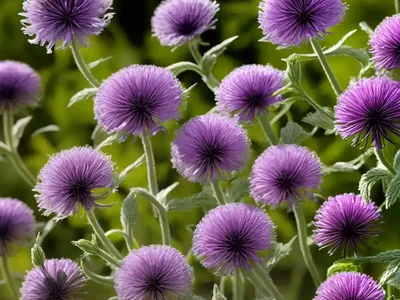
Pincushion Flower (Scabiosa Superba ‘Mongolian Mist’)
Pincushion flowers are a delightful addition to any garden, offering a unique charm with their distinctive pincushion-like blooms. Among the various.
Introduction
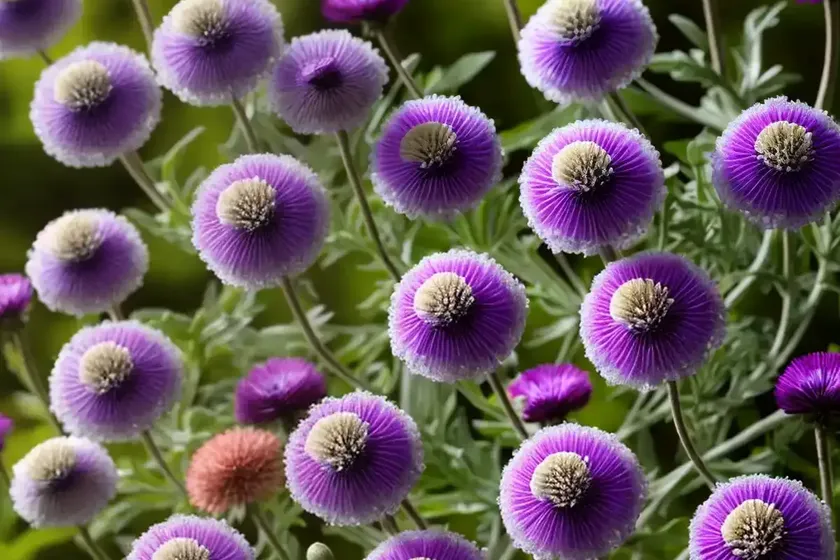
Pincushion flowers are a delightful addition to any garden, offering a unique charm with their distinctive pincushion-like blooms. Among the various varieties available to gardeners, Scabiosa superba ‘Mongolian Mist’ stands out for its mesmerizing beauty and ease of cultivation. In this comprehensive guide, we will delve into the enchanting realm of pincushion flowers, focusing particularly on Scabiosa superba ‘Mongolian Mist’.
Key Takeaways
Before we embark on this journey into the realm of pincushion flowers, let’s outline some of the key takeaways that we will explore in greater detail throughout this guide:
- Understanding the cultural requirements of pincushion flowers, specifically Scabiosa superba ‘Mongolian Mist’.
- Identifying the various uses and applications of pincushion flowers in different settings.
- Nurturing pincushion flowers with appropriate watering, sunlight, and fertilizer.
- Unleashing the secrets of successfully growing Scabiosa superba ‘Mongolian Mist’.
- Exploring the range of colors, growth habits, and bloom characteristics associated with pincushion flowers.
- Recognizing the significance of pincushion flowers in attracting pollinators and beneficial insects.
- Addressing the common pests, diseases, and potential challenges in cultivating pincushion flowers.
- Gaining insights into pruning, propagation, and container cultivation of pincushion flowers.
Now, let’s embark on an exploration of pincushion flowers, with our spotlight directed towards the captivating Scabiosa superba ‘Mongolian Mist’.
What is a Pincushion Flower?
Understanding the Genus – Scabiosa
The pincushion flower, scientifically known as Scabiosa, belongs to the Dipsacaceae family and encompasses a wide array of perennial flowering plants. These plants are native to Europe and Asia and are cherished for their intricate flowers that resemble pincushions, hence the common name.
The genus Scabiosa consists of around 80 species, with a variety of forms, sizes, and colors. The plants are characterized by their basal rosettes of lobed leaves and tall, wiry stems that bear clusters of captivating, pincushion-shaped flowers. The blooms are brimming with nectar and serve as a magnet for many pollinators, including butterflies and bees.
Meet Scabiosa superba ‘Mongolian Mist’
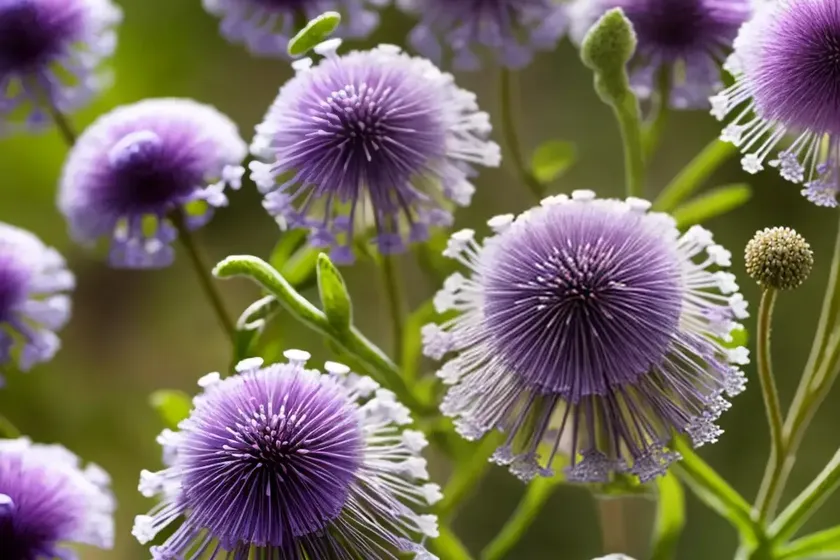
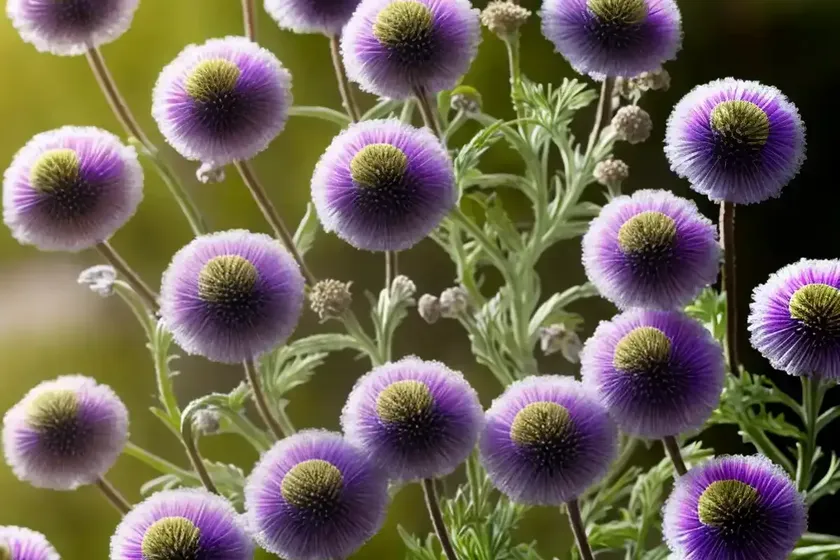
One outstanding cultivar within the Scabiosa genus is the ‘Mongolian Mist’ variety of Scabiosa superba. ‘Mongolian Mist’ is renowned for its ethereal blooms that display a soft, misty lavender hue. The delicate, intricate flowers are supported by sturdy stems and make a stunning addition to any garden landscape.
The appeal of ‘Mongolian Mist’ lies not only in its enchanting blooms but also in its resilience and adaptability. Thriving in various conditions, this pincushion flower variety is a favorite among gardeners seeking low-maintenance yet captivating blooms.
Culture
Uses
The pincushion flower, particularly Scabiosa superba ‘Mongolian Mist’, boasts a multitude of uses, making it a valuable asset in garden landscapes, cut flower arrangements, and pollinator-friendly habitats. Here are some of the primary uses of this charming plant:
- Garden Ornament: Pincushion flowers serve as beautiful ornamental plants, adding color and texture to garden beds, borders, and mixed plantings.
- Cut Flowers: The long-lasting blooms of pincushion flowers make them ideal for cut flower arrangements, adding a touch of elegance to floral displays.
- Pollinator Attractor: Pincushion flowers, including ‘Mongolian Mist’, are excellent for attracting pollinators such as bees, butterflies, and other beneficial insects, contributing to the overall health of the garden ecosystem.
Water
Proper watering is crucial for the health and vitality of pincushion flowers, ensuring optimal growth and abundant blooms. When it comes to Scabiosa superba ‘Mongolian Mist’, it is essential to maintain a balanced approach to watering. Here are some guidelines to follow:
- Moist, Well-Drained Soil: Pincushion flowers prefer soil that is consistently moist but well-drained. Ensure that the soil does not become waterlogged, as excessive moisture can lead to root rot and other issues.
- Regular Watering: During periods of active growth and blooming, water the plants regularly, aiming to keep the soil evenly moist. However, allow the soil to dry out slightly between watering to prevent waterlogged conditions.
Sunlight
Proper sunlight exposure is vital for the healthy growth and prolific blooming of pincushion flowers like Scabiosa superba ‘Mongolian Mist’. These plants thrive in abundant sunlight and exhibit their best performance under the following conditions:
- Full Sun to Partial Shade: Pincushion flowers generally perform best in full sun, receiving at least 6-8 hours of direct sunlight per day. However, in regions with intense heat, providing partial afternoon shade can be beneficial to prevent stress and sunburn on the plants.
Fertilizer
Fertilization plays a significant role in maximizing the growth and blooming potential of pincushion flowers such as Scabiosa superba ‘Mongolian Mist’. By providing balanced nutrition, the plants can exhibit vigorous growth and produce an abundance of charming blooms. Consider the following fertilizer application guidelines:
- Balanced Fertilizer: Use a balanced, slow-release fertilizer formulated for flowering plants. Apply the fertilizer in early spring as new growth emerges, following the recommended dosage provided on the product label.
- Topdressing: During the growing season, consider topdressing the soil around the base of the plants with compost or well-decomposed organic matter to enrich the soil and promote a healthy root environment.
Soil
The quality and composition of the soil significantly influence the overall health and performance of pincushion flowers. For Scabiosa superba ‘Mongolian Mist’ to thrive, it is important to provide suitable soil conditions that cater to the plant’s nutritional needs and root development. Here are some soil considerations to keep in mind:
- Well-Drained, Loamy Soil: Pincushion flowers prefer soil that is well-drained yet moisture-retentive. Loamy soil with good aeration and water permeability is ideal for promoting healthy root growth and preventing waterlogged conditions.
- Soil pH: Aim for a slightly acidic to neutral pH range, ideally between 6.0 to 7.0, to ensure optimum nutrient uptake by the plants.
Pruning
Pruning is an essential aspect of pincushion flower care, contributing to the overall health, aesthetics, and longevity of the plants. By implementing proper pruning techniques, gardeners can enhance the vigor and appearance of Scabiosa superba ‘Mongolian Mist’. Here’s how to approach pruning these delightful flowers:
- Deadheading Spent Blooms: Regularly remove faded or spent blooms to encourage continuous flowering and prevent the plants from expending energy on seed production.
- Trimming Leggy Growth: If the plants develop leggy or unattractive growth, selectively trim back the stems to promote bushier, more compact growth and a tidier appearance.
Propagation
The propagation of pincushion flowers such as Scabiosa superba ‘Mongolian Mist’ allows gardeners to expand their collection of these enchanting plants and share their beauty with others. There are several methods of propagation to consider, including:
- Division: Propagate pincushion flowers through division, particularly during the early spring or fall months. Carefully lift and divide established clumps, ensuring each division has its own set of roots and healthy growth points.
- Seeds: Pincushion flowers can also be propagated from seeds. Collect mature seed heads and sow the seeds in well-prepared seed-starting mix, keeping the soil consistently moist until the seedlings emerge.
Container Popularity
The allure of pincushion flowers, including Scabiosa superba ‘Mongolian Mist’, extends to container gardening, offering a charming and versatile option for various settings. Here are some insights into the popularity of pincushion flowers in container cultivation:
- Space-Efficient: Pincushion flowers are well-suited for containers, providing a space-efficient option for small gardens, balconies, and patios.
- Ornamental Value: The captivating blooms of pincushion flowers make them an excellent choice for adding color and visual interest to container displays.
Common Diseases
Despite their resilience, pincushion flowers, including Scabiosa superba ‘Mongolian Mist’, are susceptible to certain diseases and health issues. Identifying and addressing these common diseases is crucial for safeguarding the plants’ well-being. Some of the prevalent diseases include:
- Powdery Mildew: A fungal disease that manifests as a powdery, white coating on the leaves, stems, and flowers. Ensure proper air circulation and maintain a clean growing environment to prevent powdery mildew.
- Root Rot: Overly wet or waterlogged soil can lead to root rot, causing the plant to wilt and decline. To combat root rot, adjust watering practices and ensure well-drained soil conditions.
Disease Diagnosis
Effective disease diagnosis is essential for implementing targeted treatment and preventive measures. When observing signs of disease in pincushion flowers like Scabiosa superba ‘Mongolian Mist’, it is important to:
- Inspect the Plants: Regularly examine the leaves, stems, and blooms for any unusual discoloration, spots, or growth abnormalities.
- Consult with Experts: If unsure about the cause of the plant’s decline, seek guidance from experienced gardeners, local horticultural extension services, or plant health professionals to accurately diagnose and address the issue.
Common Pests
Pests can pose a threat to the health and vitality of pincushion flowers, necessitating vigilance and proactive pest management strategies. Some of the common pests that may affect Scabiosa superba ‘Mongolian Mist’ and other pincushion flower varieties include:
- Aphids: Small, sap-sucking insects that can distort new growth and cause sticky honeydew buildup on the plants.
- Spider Mites: These tiny arachnids feed on plant juices, causing stippling, webbing, and overall decline in plant vigor.
- Slugs and Snails: These mollusks can feed on pincushion flower foliage and flowers, leading to unsightly damage.
To address pest infestations, consider using organic insecticidal soaps, horticultural oils, or biological controls such as beneficial predatory insects to manage pest populations effectively.
Botanist’s Tips
To successfully grow and nurture pincushion flowers like Scabiosa superba ‘Mongolian Mist’, it is beneficial to heed the following botanist’s tips:
- Regular Deadheading: Consistent deadheading of spent blooms encourages continuous flowering and maintains the plant’s vigor throughout the growing season.
- Mulching: Apply a layer of organic mulch around the base of the plants to conserve soil moisture, suppress weeds, and insulate the roots from temperature extremes.
Fun Facts
- The name “pincushion flower” is derived from the resemblance of the plant’s intricate blooms to traditional pincushions used in sewing.
- Pincushion flowers are adored by pollinators, making them an ideal choice for gardeners aiming to attract beneficial insects.
Links to External Resources
To supplement the information provided in this guide, here are some valuable external resources that offer further insights into pincushion flowers, including Scabiosa superba ‘Mongolian Mist’:
- Royal Horticultural Society – Scabiosa
- University of Vermont Extension Department of Plant and Soil Science – Pincushion Flowers
- Colorado State University Extension – Growing Perennials
Conclusion
In the realm of ornamental plants, pincushion flowers, especially the enchanting Scabiosa superba ‘Mongolian Mist’, hold a special place, captivating the hearts of gardeners and nature enthusiasts alike. With their delicate, pincushion-like blooms and low-maintenance nature, these flowers stand as a testament to nature’s artistry, bringing joy and beauty to gardens, landscapes, and floral arrangements.
By understanding the cultural requirements, uses, and care techniques associated with pincushion flowers, enthusiasts can cultivate and appreciate these captivating blooms to the fullest. Whether adorned in garden beds, containers, or cut flower arrangements, pincushion flowers continue to beckon with their alluring charm, making every garden a more delightful place.