Stonecrop (Sedum ‘Lime Twister’): A Comprehensive Guide
As a plant scientist, I have always been fascinated by the diversity and resilience of plants. In this comprehensive guide, I will be delving into the world of stonecrop (Sedum ‘Lime Twister’), a stunning succulent that has gained popularity for its unique foliage and versatile uses. We will explore its culture, uses, care requirements, propagation, common diseases, pests, and much more. Whether you are a seasoned gardener or just starting on your plant journey, this ultimate guide will provide you with all the essential information you need to cultivate and care for this captivating plant.
What is Stonecrop (Sedum ‘Lime Twister’)?
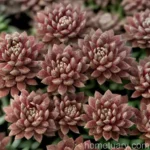
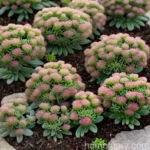
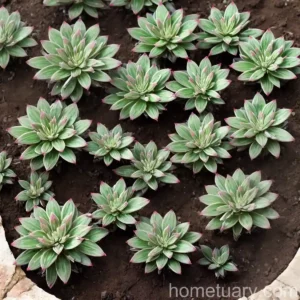
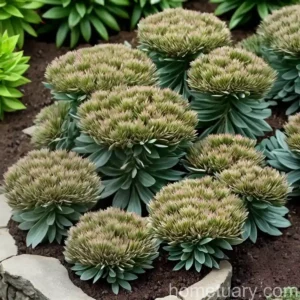
Stonecrop, scientifically known as Sedum ‘Lime Twister’, is a cultivar of the Sedum genus. It is characterized by its striking variegated foliage, which displays a vibrant combination of lime green, yellow, and creamy white colors. This succulent is known for its ability to thrive in various environmental conditions, making it a popular choice for both indoor and outdoor settings. With its low maintenance requirements and eye-catching appearance, Sedum ‘Lime Twister’ has become a favorite among gardeners and plant enthusiasts.
Key Takeaways – Stonecrop (Sedum ‘Lime Twister’)
- Common Name: Stonecrop, Sedum ‘Lime Twister’
- Plant Type: Succulent
- Foliage: Variegated lime green, yellow, and creamy white
- Uses: Ground cover, container plant
- Care Level: Low maintenance
- Hardiness: USDA zones 4-9
- Watering: Drought tolerant
- Sunlight: Full sun to partial shade
- Soil Type: Well-draining, sandy soil
- Propagation: Stem and leaf cuttings
In the following sections, we will delve into the specific aspects of the culture, uses, care requirements, propagation, and common issues related to growing Sedum ‘Lime Twister’.
Culture
Cultivating Sedum ‘Lime Twister’ involves understanding its native habitat, growth habits, and environmental preferences. By providing an optimal growing environment, you can ensure that the plant thrives and displays its characteristic vibrant foliage.
Uses
Sedum ‘Lime Twister’ offers a range of uses, from ground cover to container gardening. Its versatility makes it suitable for various landscaping and design applications. The following are some common uses of Sedum ‘Lime Twister’:
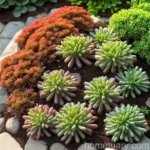
- Ground Cover: The low-growing and spreading nature of Sedum ‘Lime Twister’ makes it an excellent choice for ground cover, especially in sunny and dry areas. Its variegated foliage creates visual interest and adds a splash of color to garden beds and rock gardens.
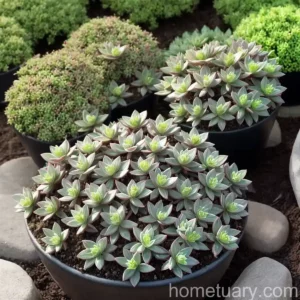
- Container Plant: Due to its compact and trailing growth habit, Sedum ‘Lime Twister’ thrives in container gardens and hanging baskets. Its unique texture and coloration make it an attractive addition to mixed succulent arrangements.
Water
As a drought-tolerant succulent, Sedum ‘Lime Twister’ is adapted to dry conditions and has low water requirements. Proper watering practices are essential for maintaining the health and appearance of the plant.
- Watering Frequency: Allow the soil to dry out between waterings. During the active growing season, water the plant when the top inch of the soil feels dry to the touch.
- Avoid Overwatering: Overwatering can lead to root rot and other moisture-related issues. Ensure that the pot or planting area has adequate drainage to prevent waterlogged soil.
- Winter Dormancy: In the winter months, reduce watering frequency as the plant enters a period of dormancy.
Sunlight
Sedum ‘Lime Twister’ thrives in bright sunlight and is well-suited to full sun to partial shade conditions. Providing adequate light is crucial for the plant’s growth, coloration, and overall health.
- Full Sun: Ideally, place Sedum ‘Lime Twister’ in a location that receives at least 6-8 hours of direct sunlight per day. In full sun exposure, the plant’s variegated foliage develops its most vibrant colors.
- Partial Shade: While the plant prefers full sun, it can tolerate partial shade, especially in hot climates. When grown in partial shade, the colors may be slightly less intense, but the plant will still thrive.
Fertilizer
Sedum ‘Lime Twister’ is not heavy feeder and generally thrives in nutrient-poor soils. However, providing some supplemental nutrients can support its growth and enhance its overall appearance.
- Fertilizer Type: Use a balanced, water-soluble fertilizer designed for succulents and cacti. Apply the fertilizer at half strength during the active growing season, typically from spring to early fall.
- Frequency: Fertilize the plant once a month during the growing season. Reduce or discontinue fertilization in the winter months when the plant is dormant.
Soil
The type of soil in which Sedum ‘Lime Twister’ is planted significantly impacts its growth and performance. Well-draining soil is essential for preventing moisture-related issues and ensuring the plant’s overall health.
- Well-Draining: Plant Sedum ‘Lime Twister’ in well-draining soil to prevent waterlogged conditions. A mix of regular potting soil and sand or perlite works well for container planting.
- Sandy Soil: In garden beds, sandy soil with good drainage is ideal for Sedum ‘Lime Twister’. Amending the soil with organic matter can improve its texture and drainage capabilities.
Pruning
Pruning is a beneficial practice for maintaining the shape of Sedum ‘Lime Twister’ and promoting healthy growth. While this succulent typically requires minimal pruning, occasional maintenance can help keep the plant looking its best.
- Removal of Dead Growth: Trim any dead or dried-out stems and foliage to encourage new growth and prevent disease.
- Shaping: To maintain a compact and tidy appearance, trim back any leggy or overgrown stems. Pinching the growing tips can promote bushier growth.
- Propagation: Pruning can also be a part of the propagation process, as stem and leaf cuttings are used to propagate new plants.
Propagation
Propagating Sedum ‘Lime Twister’ allows you to expand your collection of these captivating succulents and share them with fellow plant enthusiasts. The following methods can be used to propagate new plants from existing Sedum ‘Lime Twister’:
- Stem Cuttings: Take 3-4 inch stem cuttings from the parent plant, ensuring that each cutting has several sets of leaves. Allow the cuttings to callus for a day or two before planting them in well-draining soil. Within a few weeks, the cuttings should develop roots and begin to grow.
- Leaf Cuttings: Gently remove individual leaves from the parent plant and allow the cut ends to callus over for a day. Plant the leaf cuttings in a shallow tray or pot with well-draining soil. Over time, new plantlets will emerge from the base of the leaves.
Container Popularity
Due to its compact growth habit and striking variegated foliage, Sedum ‘Lime Twister’ has gained popularity as a container plant. When grown in containers, it can be showcased on patios, balconies, and other outdoor spaces, adding a touch of visual interest and color to the surroundings.
- Container Selection: Choose a container with adequate drainage holes and a size that accommodates the plant’s growth. Terracotta pots and containers made of porous materials are ideal for succulents, as they allow excess moisture to evaporate.
- Potting Mix: Use a well-draining potting mix designed for succulents and cacti. A mixture of regular potting soil, perlite, and coarse sand creates an ideal growing medium for Sedum ‘Lime Twister’ in containers.
Common Diseases
While Sedum ‘Lime Twister’ is generally a resilient plant, it can be susceptible to certain diseases and issues, especially in unfavorable growing conditions. Recognizing common diseases and their symptoms is crucial for preventing and addressing potential problems.
Disease Diagnosis
The following are common diseases and issues that can affect Sedum ‘Lime Twister’, along with their symptoms and potential treatments:
- Root Rot: Overwatering or poorly draining soil can lead to root rot, which is characterized by mushy, brown roots and wilting foliage. To address root rot, reduce watering, improve soil drainage, and consider repotting the plant in dry, fresh soil.
- Powdery Mildew: A white powdery substance on the leaves indicates powdery mildew, a fungal disease. Improve air circulation around the plant, avoid overhead watering, and consider using a horticultural oil or fungicide to manage the issue.
- Leaf Spot: Circular brown spots on the leaves may indicate a fungal or bacterial leaf spot infection. Remove affected foliage, improve air circulation, and consider applying a fungicidal spray to prevent the spread of the disease.
Identifying the specific symptoms and signs of diseases can guide you in implementing the appropriate measures to protect and restore the health of Sedum ‘Lime Twister’.
Common Pests
In addition to diseases, Sedum ‘Lime Twister’ may also be susceptible to pest infestations. Understanding the common pests that affect this succulent and employing preventive measures can help maintain its vitality and appearance.
- Aphids: Small, soft-bodied insects that may appear as clusters on the new growth or undersides of the leaves. Rinse the plant with a strong stream of water to dislodge the aphids, or use insecticidal soap to manage the infestation.
- Mealybugs: White, cottony pests that feed on the plant sap. Remove mealybugs by dabbing them with a cotton swab soaked in rubbing alcohol, or use insecticidal soap to control their population.
- Spider Mites: Tiny pests that create fine webbing on the leaves and cause stippling or discoloration. Increase humidity around the plant, rinse the foliage regularly, and consider using miticides to eliminate spider mites.
Regular monitoring and prompt intervention are key practices for preventing and managing pest issues in Sedum ‘Lime Twister’.
Botanist’s Tips
As a plant scientist, I have some valuable tips for cultivating and caring for Sedum ‘Lime Twister’ based on my expertise and experience with succulents:
- Well-Draining Soil: Ensure that the plant is potted in well-draining soil or planted in a garden bed with good drainage to prevent water-related issues.
- Minimal Watering: Avoid overwatering by allowing the soil to dry out between waterings. Succulents, including Sedum ‘Lime Twister’, are adapted to thrive in dry conditions.
- Optimal Light: Provide ample sunlight to promote the plant’s vibrant coloration and prevent leggy growth. Inadequate light can result in faded foliage and stretching of stems.
- Winter Care: During the winter months, reduce watering and protect the plant from frost and freezing temperatures, especially in regions with cold climates.
- Propagation Techniques: Experiment with stem and leaf cuttings to propagate new plants and expand your collection of Sedum ‘Lime Twister’.
Fun Facts
To further appreciate the unique characteristics and appeal of Sedum ‘Lime Twister’, here are some fun facts about this captivating succulent:
- The variegated foliage of Sedum ‘Lime Twister’ is a result of a natural genetic mutation that gives rise to its distinct coloration.
- In addition to its ornamental value, Sedum ‘Lime Twister’ also provides nectar for pollinators such as bees and butterflies.
- Sedum ‘Lime Twister’ is recognized for its ability to thrive in rocky or barren landscapes, making it an excellent choice for xeriscaping and drought-tolerant gardens.
Links to External Resources
- Sedum ‘Lime Twister’ Care Guide – The Spruce
- Sedum ‘Lime Twister’ Propagation Tips – Gardening Know How
- Sedum ‘Lime Twister’ Disease Management – University of Florida IFAS Extension
- Sedum ‘Lime Twister’ Pest Control – Royal Horticultural Society
In conclusion, Sedum ‘Lime Twister’ is a captivating succulent with its striking variegated foliage and versatile uses. By understanding its culture, care requirements, and propagation techniques, you can cultivate and enjoy the beauty of this unique plant. Whether as a ground cover, container plant, or focal point in the garden, Sedum ‘Lime Twister’ brings a touch of vibrancy and elegance to any landscape.
With the knowledge shared in this comprehensive guide, you are well-equipped to embark on the rewarding journey of growing and caring for Sedum ‘Lime Twister’, adding a pop of color and charm to your indoor and outdoor spaces.
Remember, the key to successful plant care lies in observation, attentiveness, and a touch of passion for the green world around us.
Happy gardening!
Keywords: Stonecrop plant, Sedum Lime Twister, Sedum Lime Twister care, Lime Twister stonecrop, Sedum Lime Twister plant, Lime Twister sedum, Stonecrop Lime Twister, Lime Twister sedum care, Sedum: Lime Twister succulent, Sedum: Lime Twister propagation, Lime Twister stonecrop care, Stonecrop Lime Twister plant, Sedum Lime Twister succulent care, Lime Twister sedum propagation, Stonecrop Lime Twister care, Sedum Lime Twister plant care, Lime Twister sedum plant, Sedum Lime Twister indoor care, Lime Twister stonecrop plant, Sedum Lime Twister varieties, Stonecrop Lime Twister succulent care, Sedum Lime Twister ground cover, Lime Twister sedum varieties, Stonecrop Lime Twister propagation, Sedum Lime Twister indoor plant, Lime Twister stonecrop succulent, Sedum Lime Twister outdoor care, Lime Twister sedum ground cover, Stonecrop Lime Twister indoor care, Sedum Lime Twister toxic, Lime Twister stonecrop propagation, Sedum Lime Twister trailing, Lime Twister sedum indoor care, Stonecrop Lime Twister outdoor care, Sedum Lime Twister drought tolerant, Lime Twister stonecrop care tips, Sedum Lime Twister hardiness, Lime Twister sedum indoor plant, Stonecrop Lime Twister drought tolerant, Sedum Lime Twister sun requirements, Lime Twister stonecrop ground cover, Sedum Lime Twister water requirements, Lime Twister sedum outdoor care, Stonecrop Lime Twister hardiness, Sedum Lime Twister plant varieties, Lime Twister stonecrop trailing, Sedum Lime Twister sun exposure, Lime Twister sedum drought tolerant, Stonecrop Lime Twister sun requirements, Sedum Lime Twister containers