The Astonishing Torreya taxifolia – Unraveling the Enigma of the Stinking Cedar
The Torreya taxifolia, commonly known as the stinking cedar, stands as a testament to the wonders of the plant kingdom. This unique and enigmatic species possesses a multitude of characteristics that make it both fascinating and significant. From its cultural heritage to its ecological importance, the stinking cedar holds a place of prominence in the botanical world. In this extensive guide, we will delve into the remarkable attributes of Torreya taxifolia, from its description and habitat to its conservation status and ecological impact. Furthermore, we will explore its cultural significance, uses, and vital tips for its cultivation and maintenance.
What is the Stinking Cedar (Torreya taxifolia)?
Stinking Cedar Description
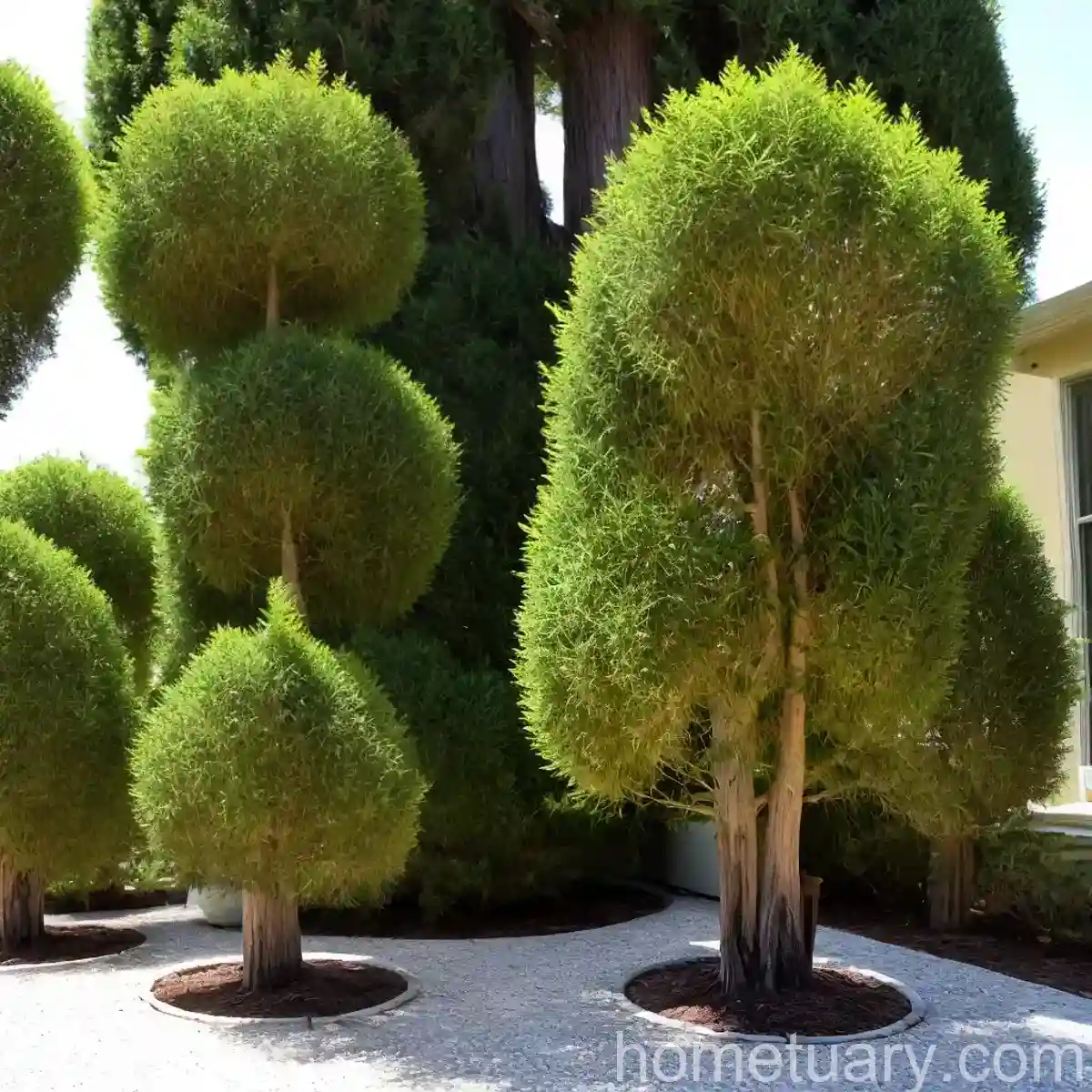
Torreya taxifolia, a member of the Taxaceae family, is an evergreen gymnosperm tree native to the southeastern United States. This species is recognized for its striking appearance, with its dense, dark green foliage and vertical crown. It typically reaches heights of 33 to 65 feet and possesses a slender, straight trunk, creating an imposing and majestic presence in its natural habitat.
The leaves of the stinking cedar are arranged spirally, exhibiting a unique morphology that adds to its allure. Each leaf is characterized by its linear-lanceolate shape, featuring a glossy and leathery texture. The stinking cedar is also renowned for its peculiar olfactory trait, as its crushed foliage emits a distinct, malodorous scent, contributing to its intriguing moniker of “stinking” cedar.
Torreya taxifolia Features
The stinking cedar is distinguished by several notable features that set it apart from other plant species. Its defining characteristics include:
- Distinctive Foliage: The stinking cedar’s foliage is a prominent feature, with its dark green, glossy leaves adding to its ornamental value.
- Malodorous Scent: When the foliage is crushed, the stinking cedar releases a pungent odor, providing a unique sensory experience.
- Needle-like Leaves: The linear-lanceolate leaves of Torreya taxifolia contribute to its elegant and refined appearance.
- Erect Growth Habit: With its tall, straight trunk and vertical crown, the stinking cedar exudes an unparalleled sense of grandeur in its environment.
Torreya taxifolia Habitat
The natural habitat of Torreya taxifolia encompasses a specific range within the southeastern United States, primarily in Florida and Georgia. This exquisite species thrives in mesic ravines and steephead slopes, favoring well-drained, acidic soils for optimal growth. The stinking cedar exhibits a preference for shaded environments, often found in the understory of mesic hardwood forests, where it thrives in the cool, moist conditions provided by its habitat.
Stinking Cedar Facts
The stinking cedar is shrouded in intriguing facts and remarkable attributes that contribute to its mystique. Some captivating facts about Torreya taxifolia include:
- Releasing a pungent aroma when its foliage is crushed, earning it the moniker “stinking” cedar
- Bestowing cultural and medicinal significance upon various indigenous communities
- Exhibiting a distinctive range of uses, from landscaping to traditional practices
- Facing the looming threat of endangerment, igniting conservation efforts and research initiatives to preserve its existence
The allure of the stinking cedar lies not only in its aesthetic appeal but also in its ecological and cultural significance, cementing its status as a botanical marvel.
Key Takeaways – Stinking Cedar (Torreya taxifolia)
The stinking cedar, or Torreya taxifolia, encapsulates a myriad of captivating qualities, making it a subject of great interest and importance. Here are the key takeaways that shed light on the remarkable botanical wonder that is the stinking cedar:
- Distinctive Scent: The crushed foliage of the stinking cedar exudes a pungent odor, contributing to its intriguing moniker and sensory allure.
- Cultural Significance: Torreya taxifolia holds cultural and medicinal significance, being revered by various indigenous communities for its unique properties.
- Ecological Importance: The stinking cedar plays a crucial role in its natural ecosystem, contributing to the biodiversity and ecological balance of its habitat.
- Conservation Focus: Due to its endangered status, conservation efforts and research studies are pivotal in sustaining the existence of the stinking cedar.
As we navigate through the intricate world of the stinking cedar, it becomes evident that its significance extends far beyond its physical presence, encompassing cultural, ecological, and conservation dimensions that underscore its value and impact.
Torreya taxifolia Care
Cultivating and caring for the stinking cedar requires attention to various factors, including its water, sunlight, soil, and pruning needs. By understanding and addressing these aspects, enthusiasts and horticulturalists can optimize the health and vitality of Torreya taxifolia, ensuring its continued prosperity.
Water
Providing adequate moisture is essential for nurturing the stinking cedar and promoting its robust growth. While the stinking cedar thrives in moist, well-drained soils, it is crucial to avoid waterlogged conditions, which can lead to root rot and other detrimental outcomes. During periods of dryness, supplemental watering can help sustain the stinking cedar’s hydration needs, preserving its vigor and resilience.
Sunlight
The stinking cedar flourishes in shaded environments, demonstrating a preference for partial to full shade. This shade-loving species thrives in the cool, sheltered conditions provided by its natural habitat, making it well-suited for gardens and landscapes with dappled sunlight and protection from intense heat and direct exposure.
Fertilizer
To optimize the growth and development of the stinking cedar, the application of a balanced, slow-release fertilizer can provide essential nutrients and support its overall health. Selecting a fertilizer with a suitable NPK ratio, tailored to the specific requirements of Torreya taxifolia, can bolster its vitality and fortify its resistance to environmental stressors.
Soil
The stinking cedar exhibits a preference for well-drained, acidic soils, reflecting the characteristics of its natural habitat. Implementing organic amendments and ensuring proper soil drainage can create an optimal growing medium for the stinking cedar, replicating the favorable conditions that contribute to its flourishing in the wild.
Pruning
Pruning plays a pivotal role in maintaining the health and aesthetic appeal of the stinking cedar. Proper pruning practices, such as the removal of dead or diseased branches, can enhance air circulation and promote the tree’s structural integrity. Additionally, strategic pruning can help manage the growth of the stinking cedar, ensuring an optimal balance between form and function.
Propagation
The propagation of Torreya taxifolia encompasses various techniques, enabling enthusiasts and conservationists to multiply and preserve this revered species. From seed propagation to cutting propagation, each method offers unique opportunities to propagate the stinking cedar, contributing to its conservation and accessibility within horticultural settings.
Seed Propagation
Propagating the stinking cedar from seeds presents a rewarding and effective method of cultivating new specimens. By collecting mature seeds and providing suitable germination conditions, enthusiasts can embark on the journey of nurturing young Torreya taxifolia individuals, fostering their growth and perpetuating the legacy of this remarkable species.
Cutting Propagation
Cutting propagation offers an alternative approach to propagate the stinking cedar, utilizing stem cuttings to generate new plants. By selecting healthy, vigorous cuttings and implementing appropriate rooting techniques, horticulturists can successfully propagate Torreya taxifolia, expanding its presence and contributing to conservation initiatives.
Container Popularity
As a distinct and captivating species, the stinking cedar holds considerable appeal for container cultivation, offering enthusiasts the opportunity to appreciate its beauty and allure in a contained setting. Container planting elevates the accessibility and versatility of Torreya taxifolia, enabling individuals to incorporate this remarkable species into their landscapes and indoor environments with ease.
Container Cultivation
Cultivating the stinking cedar in containers necessitates careful consideration of its water, sunlight, and soil requirements, ensuring that the container environment mirrors the favorable conditions that support its vitality in its natural habitat. By providing adequate care and attention, container-grown Torreya taxifolia can thrive and flourish, emanating its captivating presence in diverse settings.
Common Diseases
The stinking cedar, like all living organisms, is susceptible to various diseases that can compromise its health and resilience. Understanding the common diseases that afflict Torreya taxifolia is crucial for implementing proactive measures to protect and preserve its well-being, fostering a thriving and disease-resistant population of stinking cedars.
Disease Diagnosis
Identifying and diagnosing diseases in the stinking cedar involves a comprehensive assessment of its foliage, bark, and overall condition. Symptoms such as discoloration, wilting, and abnormal growth patterns can signify underlying health concerns, prompting timely intervention and management to mitigate the impact of diseases on the stinking cedar population.
Common Pests
Pests pose a potential threat to the stinking cedar, necessitating vigilance and proactive strategies to safeguard it against pest-related risks. By familiarizing oneself with the common pests that may target Torreya taxifolia, individuals can deploy appropriate pest management practices, preserving the integrity and vitality of this exceptional species.
Botanist’s Tips
Navigating the intricacies of cultivating and caring for the stinking cedar requires insight and expertise, imparting valuable guidance to enthusiasts and horticulturists. The following botanist’s tips encapsulate essential recommendations for optimizing the growth and well-being of Torreya taxifolia, fostering a harmonious relationship between this remarkable species and its caretakers.
- Shaded Environments: Providing partial to full shade is essential for sustaining the stinking cedar’s vitality, replicating the cool, sheltered conditions of its natural habitat.
- Moisture Management: Balancing moisture levels and ensuring well-drained soils are pivotal for preserving the stinking cedar’s health and vigor, preventing waterlogged conditions that can compromise its resilience.
- Conservation Advocacy: Supporting conservation efforts and initiatives aimed at protecting and preserving the stinking cedar is vital for safeguarding its existence and ecological contributions.
Fun Facts
The stinking cedar captivates enthusiasts and nature aficionados with its myriad of interesting and captivating facts. From its cultural significance to its ecological value, Torreya taxifolia encompasses a tapestry of fascinating attributes that enrich its identity and allure. Here are some stimulating fun facts about the stinking cedar:
- Cultural Significance: The stinking cedar holds cultural and medicinal significance, revered by various indigenous communities for its unique properties and attributes.
- Distinctive Aroma: When the foliage of Torreya taxifolia is crushed, it emits a pungent odor, contributing to its intriguing moniker and sensory allure.
- Ecological Contributions: The stinking cedar plays a crucial role in its natural ecosystem, contributing to biodiversity and ecological balance in its habitat.
These fun facts encapsulate the captivating essence of the stinking cedar, inviting enthusiasts and conservationists to delve deeper into its enthralling narrative and significance.
Links to External Resources
To further enrich your understanding of Torreya taxifolia and delve into its diverse facets, explore the following external resources that offer valuable insights and information about the stinking cedar.
- Torreya taxifolia – US Fish and Wildlife Service
- Stinking Cedar: Torreya taxifolia – The Morton Arboretum
- Stinking Cedar (Torreya taxifolia) – Florida Department of Agriculture and Consumer Services
- The Torreya Guardians
The diverse perspectives and comprehensive information provided by these resources offer valuable insights into the world of Torreya taxifolia, encompassing its cultural, ecological, and conservation dimensions for a holistic understanding of this extraordinary species.
In conclusion, the stinking cedar, with its captivating allure and multifaceted significance, embodies a botanical enigma that continues to enthrall and inspire. From its distinctive features and cultural heritage to its ecological contributions and conservation imperatives, Torreya taxifolia invites us to appreciate and advocate for its preservation, forging a meaningful connection with a remarkable species that holds a place of prominence in the natural world.