Spotted Zygopetalum (Zygopetalum): A Comprehensive Growing Guide
Plants are not just a source of beauty in the natural world but also an integral part of the environment, playing a key role in ecological balance. One of the most fascinating and diverse groups of plants is orchids, which are known for their exquisite beauty and unique characteristics. Among the myriad of orchid species, the Spotted Zygopetalum (Zygopetalum) stands out for its striking appearance and relatively manageable care requirements. In this comprehensive guide, we will delve into the world of Spotted Zygopetalum, exploring its culture, uses, care requirements, common diseases, and much more.
What is Spotted Zygopetalum (Zygopetalum)?
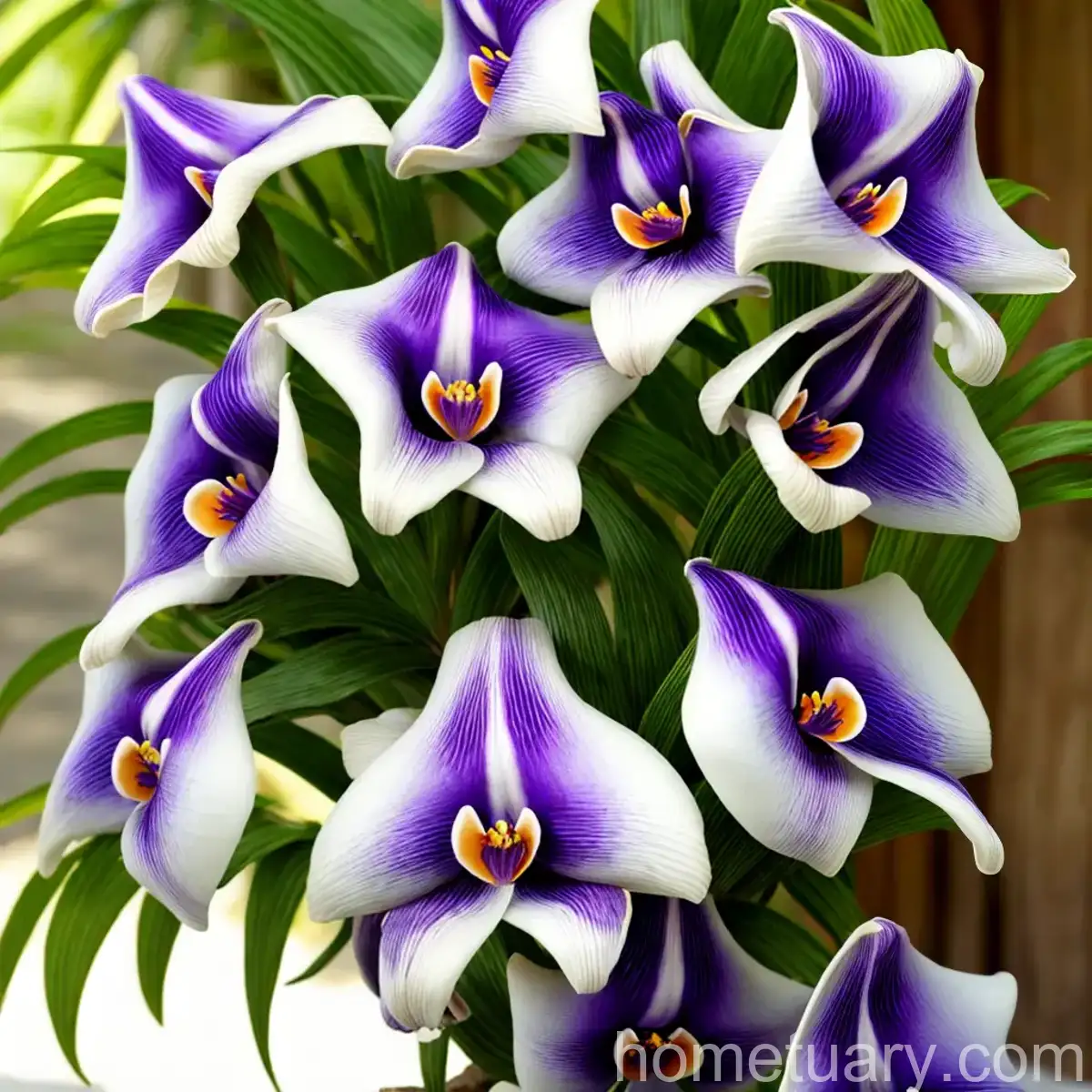
The Zygopetalum orchid, commonly known as the Spotted Zygopetalum, is a genus of orchids native to the tropical and subtropical regions of South America. These orchids are highly prized for their vibrant, fragrant flowers and are popular among both collectors and enthusiasts. The distinguishing feature of the Spotted Zygopetalum is its uniquely patterned, spotted petals, which make it a desirable addition to any orchid collection.
Key Takeaways – Spotted Zygopetalum (Zygopetalum)
Before we delve into the specifics of Spotted Zygopetalum care, let’s highlight some key takeaways about this captivating orchid:
- Scientific Name: Zygopetalum
- Common Name: Spotted Zygopetalum
- Native Habitat: South America (tropical and subtropical regions)
- Distinctive Feature: Spotted petals and fragrant blooms
Now that we have a basic understanding of what the Spotted Zygopetalum is, let’s explore its culture, uses, and how to care for this remarkable orchid.
Culture
Understanding the cultural requirements of the Spotted Zygopetalum is crucial for ensuring its optimal growth and blooming. From watering to sunlight exposure, creating the right environment is essential for the health and vitality of these orchids.
Uses
Spotted Zygopetalums are primarily cultivated for their ornamental value. Their exquisite spotted flowers make them a popular choice for adding elegance and color to indoor spaces, such as homes, offices, and botanical gardens. Additionally, these orchids are often featured in floral arrangements and as decorative accents, showcasing their aesthetic appeal.
Water
Proper watering is a fundamental aspect of Spotted Zygopetalum care. These orchids require consistent moisture to thrive, but they are susceptible to root rot if overwatered. The key is to maintain a balanced approach and avoid waterlogging the growing medium.
When it comes to watering Zygopetalums, it’s essential to keep the following considerations in mind:
- Water consistently but allow the growing medium to dry slightly between waterings.
- Use room-temperature water to avoid shocking the plant.
- Ensure adequate drainage to prevent water accumulation around the roots.
Sunlight
In their natural habitat, Spotted Zygopetalums are accustomed to dappled light and partial shade. Replicating these light conditions indoors can help mimic their native environment and promote healthy growth. Here are some essential points to consider regarding sunlight exposure for Zygopetalums:
- Provide bright, indirect light to mimic the orchid’s natural habitat.
- Avoid exposing the plant to intense, direct sunlight, as this can lead to leaf scorching.
- Monitor the plant for signs of insufficient light (e.g., weak growth) or excessive light (e.g., sunburned leaves).
Fertilizer
Fertilizing Spotted Zygopetalums is an integral part of their care routine, providing essential nutrients to support robust growth and prolific blooming. However, it’s important to approach fertilization with moderation and select a suitable formulation to meet the plant’s needs.
Here are some key points to consider when fertilizing Zygopetalums:
- Use a balanced orchid fertilizer with a lower nitrogen content to prevent excessive vegetative growth at the expense of flowering.
- Apply fertilizer at a diluted strength to avoid the risk of burning the roots.
- Adjust the fertilization frequency based on the plant’s growth stage and environmental conditions.
Soil
Orchids, including Spotted Zygopetalums, have unique soil requirements due to their epiphytic nature. They typically grow on tree branches or rocky surfaces in the wild, requiring a growing medium that provides stability while allowing airflow to the roots.
When considering the soil for Spotted Zygopetalums, keep the following points in mind:
- Use a well-draining orchid mix that provides aeration and retains some moisture without becoming waterlogged.
- Consider incorporating materials such as bark, sphagnum moss, and perlite to create an optimal growing medium for Zygopetalums.
- Repot the orchid when the growing medium breaks down or becomes compacted, typically every one to two years.
Pruning
Pruning plays a role in maintaining the health and aesthetics of Spotted Zygopetalums. While these orchids do not require extensive pruning, occasional maintenance is beneficial for their overall well-being.
Here are some key considerations for pruning Zygopetalums:
- Remove old, yellowing, or spent leaves to encourage new growth and prevent the buildup of decaying plant material.
- Trim back any damaged or unhealthy roots during repotting to promote the development of new, healthy roots.
- Prune flower spikes once the blooms have faded to redirect the plant’s energy toward new growth.
Propagation
Reproducing Spotted Zygopetalums through propagation allows enthusiasts to expand their collection and share the beauty of these orchids with others. While orchid propagation can be challenging, understanding the process is essential for successfully producing new plants.
Division
Dividing mature Zygopetalum orchids is a common method of propagation, especially when the plant has outgrown its current container or developed multiple pseudobulbs. When dividing Spotted Zygopetalums, it’s important to follow these guidelines:
- Ensure that each division has a sufficient number of pseudobulbs and healthy roots to support its growth.
- Use a sharp, sterile tool to divide the orchid and minimize the risk of damage or infection.
- Repot the divided segments in suitable growing medium and provide optimal care to support their establishment.
Seeds
Seed propagation is another option for breeding and propagating Spotted Zygopetalums, albeit a more intricate and time-intensive process. Orchid seeds are typically produced through controlled pollination and require specialized techniques for successful germination and growth.
When considering seed propagation for Zygopetalums, keep the following points in mind:
- Understand the specific requirements for orchid seed germination, including sterile conditions and a suitable nutrient medium.
- Exercise patience, as orchid seeds typically have a lengthy germination period and require ongoing care and attention.
- Seek guidance from experienced orchid growers or horticulturists to navigate the complexities of seed propagation effectively.
Container Popularity
Cultivating Spotted Zygopetalums in containers is a popular choice for orchid enthusiasts, as it allows for greater control over the growing conditions and provides a convenient way to display these stunning plants. Whether grown in traditional pots, hanging baskets, or mounted on plaques, container cultivation offers versatility and an opportunity to showcase the orchid’s beauty.
Common Containers
When selecting containers for Spotted Zygopetalums, consider the following popular options:
- Clay Pots: These porous containers allow for airflow to the roots and provide stability for the growing orchid.
- Plastic Pots: Lightweight and durable, plastic pots are a practical choice for Zygopetalum cultivation, especially in indoor settings.
- Hanging Baskets: These are ideal for Zygopetalums with cascading growth and can be suspended to showcase the orchid’s trailing habit.
- Mounted Plaques: Mounting Zygopetalums on wooden or cork plaques mimics their natural epiphytic growth and allows for excellent aeration.
Container Selection Tips
When choosing containers for Spotted Zygopetalums, consider the following factors:
- Select a container that provides adequate drainage to prevent waterlogging and maintain healthy root conditions.
- Choose a size that accommodates the orchid’s current root system while allowing room for future growth.
- Consider the aesthetic appeal and functionality of the container, taking into account the overall design and the orchid’s specific needs.
Now that we’ve explored the culture, uses, and container cultivation of Spotted Zygopetalums, let’s delve into the common diseases and pests that can affect these orchids.
Common Diseases
Understanding the potential diseases that can afflict Spotted Zygopetalums is essential for proactive management and preventative measures. While these orchids are relatively resilient, they can be susceptible to certain conditions that may jeopardize their health.
Disease Diagnosis
Being able to identify and diagnose common diseases in Zygopetalums can aid in prompt intervention and treatment. Here are some prevalent diseases to watch for:
- Root Rot: Often caused by overwatering or poor drainage, leading to dark, mushy roots and a decline in overall plant health.
- Fungal Infections: Manifesting as discolored spots on leaves, stem lesions, or powdery mildew, fungal diseases can weaken the plant if left untreated.
- Viral Diseases: Symptoms may include distorted growth, mottled or streaked leaves, and overall stunted development.
- Bacterial Infections: Characterized by oozing lesions, foul odor, and tissue necrosis, bacterial diseases can spread rapidly if not controlled.
Disease Prevention
Implementing proactive measures to prevent common diseases in Spotted Zygopetalums can significantly contribute to their long-term health. Consider the following strategies:
- Ensure optimal growing conditions, including proper watering, adequate airflow, and suitable light exposure to promote plant vigor and resilience.
- Practice good sanitation by removing fallen debris, decaying plant material, and any signs of disease to minimize the risk of infection spread.
- Monitor the orchids regularly for early signs of disease, such as discoloration, wilting, or unusual growth, and take prompt action when necessary.
Common Pests
In addition to diseases, Spotted Zygopetalums may encounter various pests that can compromise their well-being if left unchecked. From sap-sucking insects to opportunistic mites, understanding the common pests and their control measures is vital for maintaining healthy orchids.
Pest Control
Applying effective pest control strategies can help protect Spotted Zygopetalums from infestations and minimize damage to the plants. Consider the following measures for pest management:
- Natural Predators: Introducing beneficial predatory insects or mites, such as ladybugs or predatory mites, can help control certain pest populations.
- Horticultural Oils: Spraying with insecticidal oils suffocates soft-bodied pests, such as aphids and scale, while minimizing harm to beneficial insects.
- Biological Controls: Utilizing biological agents, such as nematodes or microbial insecticides, can target specific pests without harming the orchid or its environment.
Botanist’s Tips
As a plant scientist deeply familiar with the ecology and cultivation of orchids, including the stunning Spotted Zygopetalum, I’m delighted to share these expert tips on caring for these captivating orchids:
- Consistent Monitoring: Regularly assess the plant’s condition, from its leaves to its root system, to catch any issues early and provide targeted care.
- Adaptive Care: Adjust your care routine based on the plant’s response, environmental changes, and seasonal fluctuations to accommodate its dynamic needs.
- Growth Observation: Take note of the plant’s growth patterns, such as new pseudobulb development and root growth, as indicators of its overall health and vitality.
- Educational Resources: Leverage credible resources, such as botanical gardens, online forums, and reputable publications, to stay informed and expand your orchid knowledge.
Fun Facts
To conclude our exploration of Spotted Zygopetalums, here are some captivating and lesser-known facts about these remarkable orchids:
- The mesmerizing spotted patterns on Zygopetalum blooms are a result of complex genetic traits that contribute to their unique visual appeal.
- Zygopetalums emit a delightful, sweet fragrance that intensifies in the evening, attracting pollinators and captivating human admirers.
- These orchids have a fascinating relationship with their natural pollinators, including bees, moths, and other insects, which contribute to their reproductive success.
- The diversity of Zygopetalum species offers a spectrum of flower colors, ranging from rich purples and blues to vibrant greens and uniquely patterned combinations.
Links to External Resources
As you continue your journey of growing and appreciating Spotted Zygopetalums, consider exploring the following valuable resources for in-depth information and practical insights:
With this comprehensive guide, you are well-equipped to embark on the rewarding and enchanting adventure of cultivating Spotted Zygopetalums. Whether you’re an experienced orchid enthusiast or a budding gardener, the allure of these orchids is sure to captivate your heart and elevate your appreciation for the beauty of the natural world. Happy growing!
This comprehensive guide aims to provide expert insights and practical advice for cultivating Spotted Zygopetalums, one of nature’s most captivating and elegant orchids. Whether you are a seasoned plant enthusiast or a novice gardener, this guide offers valuable information to help you care for and appreciate these stunning orchids. If you have any feedback or questions, please feel free to reach out. Happy gardening!
Note: The information in this guide is intended for educational and informational purposes only. Always consult with experienced growers or horticulturists for specific care guidance tailored to your unique growing conditions and plant requirements.