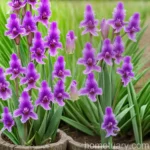
All About Zygopetalum Orchids
Zygopetalum orchids are a fascinating group of orchid species known for their beautiful and fragrant blooms. These orchids are popular among plant enthusiasts and are often cultivated for their stunning flowers and unique cultural requirements. In this comprehensive guide, we will explore everything you need to know about Zygopetalum orchids, from their care and propagation to common diseases and pests. Whether you are a beginner or an experienced orchid grower, this guide will provide valuable insights into the world of Zygopetalum orchids.
What is a Zygopetalum Orchid?
Zygopetalum orchids, belonging to the Zygopetalum genus, are a group of South American orchids known for their vibrant and often fragrant flowers. These orchids are highly diverse, with numerous species and hybrids that exhibit a wide range of flower colors, patterns, and shapes. Zygopetalum orchids are epiphytic plants, which means they naturally grow on trees and other surfaces in their native habitats.
The Zygopetalum genus is part of the Orchidaceae family, one of the largest families of flowering plants, encompassing over 28,000 species. Within the Zygopetalum genus, there are several orchid species, each with its own unique characteristics and growing requirements.
Key Takeaways – Zygopetalum Orchid
- Scientific Name: Zygopetalum sp.
- Common Name: Zygopetalum orchid
- Native Habitat: South America
- Characteristics: Fragrant, colorful flowers; epiphytic growth habit
Now that we have an overview of what Zygopetalum orchids are, let’s dive into the cultivation and care practices for these captivating plants.
Zygopetalum Orchid Culture
Uses
Zygopetalum orchids are primarily cultivated for their ornamental value. Their striking flowers make them popular additions to home gardens, greenhouses, and botanical collections. In addition to their aesthetic appeal, some Zygopetalum orchid species are also used in hybridization programs to create new orchid varieties with unique characteristics.
Water
Zygopetalum orchids require regular and consistent watering to thrive. While it is essential to keep their growing medium consistently moist, it is equally important to ensure good drainage to prevent waterlogged conditions. Watering frequency may vary based on environmental factors such as temperature, humidity, and the specific growing medium used.
Sunlight
Proper light exposure is crucial for the healthy growth and flowering of Zygopetalum orchids. These plants prefer bright, indirect light and should be shielded from direct sunlight, especially during the hottest parts of the day. In their natural habitats, Zygopetalum orchids often grow under the canopies of trees, receiving filtered light that is ideal for their development.
Fertilizer
Fertilizing Zygopetalum orchids is essential for providing the necessary nutrients for robust growth and vibrant blooms. A balanced, water-soluble orchid fertilizer can be applied at regular intervals during the growing season. Care should be taken to avoid over-fertilization, as this can lead to fertilizer burn and damage to the orchid’s roots.
Soil
Zygopetalum orchids are typically grown in a well-draining orchid potting mix that provides ample aeration for their roots. Orchid-specific potting mixes, often composed of materials such as bark, sphagnum moss, and perlite, are suitable for Zygopetalum orchids. These mixes mimic the orchids’ natural epiphytic growing conditions and promote healthy root development.
Pruning
Pruning is a maintenance practice that can help manage the growth and appearance of Zygopetalum orchids. Removing spent flower spikes and yellowing leaves can improve the overall aesthetic appeal of the plant and reduce the risk of disease and pest infestations.
Zygopetalum Orchid Propagation
Propagation
Zygopetalum orchids can be propagated through division, which involves separating the plant into smaller sections, each with its own viable pseudobulbs and roots. Care should be taken to ensure that the divisions have sufficient roots to support their growth after separation. Propagation through division is commonly practiced when repotting mature Zygopetalum orchids.
Container
Selecting the right container for Zygopetalum orchids is crucial for their growth and well-being. Orchid pots with adequate drainage, such as those with multiple drainage holes, are preferred to prevent waterlogging and maintain proper aeration around the roots. Additionally, transparent or semi-transparent containers can be beneficial for monitoring the orchid’s root health and growth.
Popularity of Zygopetalum Orchids
Zygopetalum orchids have gained popularity among orchid enthusiasts and collectors due to their alluring flowers and unique cultural requirements. While they may not be as widely cultivated as some other orchid genera, their distinct characteristics and captivating blooms have earned them a dedicated following within the orchid-growing community.
Common Diseases of Zygopetalum Orchids
Disease Diagnosis
Zygopetalum orchids are susceptible to various fungal, bacterial, and viral diseases that can affect their foliage, roots, and overall health. Common diseases that may afflict Zygopetalum orchids include leaf spot diseases, root rot, and fungal infections. Early detection and accurate diagnosis of these diseases are essential for implementing effective treatment measures to prevent further spread and damage to the plants.
Common Pests
Like many other orchid species, Zygopetalum orchids can be vulnerable to pest infestations, including aphids, spider mites, and whiteflies. These pests can feed on the plant’s tissues, leading to damage and stress. Regular monitoring and prompt action are crucial for managing and controlling pest populations to protect the health of Zygopetalum orchids.
Botanist’s Tips for Zygopetalum Orchid Care
- Monitor watering habits to maintain consistent moisture levels without waterlogging the growing medium.
- Provide adequate humidity by utilizing methods such as misting or placing the orchids near humidity trays.
- Regularly inspect Zygopetalum orchids for signs of disease, pest infestations, and nutrient deficiencies.
- Consider the natural habitat of Zygopetalum orchids when replicating their growing conditions, including light levels and temperature ranges.
- Use a balanced approach to fertilization, ensuring that the orchids receive the essential nutrients without being over-fertilized.
Fun Facts about Zygopetalum Orchids
- Zygopetalum orchids are known for their distinctive fragrance, which can vary from floral to citrusy and spicy notes.
- The vibrant colors of Zygopetalum orchid blooms make them a visually striking addition to any orchid collection.
- Some Zygopetalum orchid species are prized for their potential as breeding parents in creating hybrid orchid varieties with desirable traits.
Links to External Resources
For further information on Zygopetalum orchids, you can explore the following resources:
- American Orchid Society – Zygopetalum Culture Sheet
- Royal Horticultural Society – Zygopetalum Growing Guide
- University of Florida IFAS Extension – Orchid Care for Beginners
By following the comprehensive care tips provided in this guide, you can foster healthy and flourishing Zygopetalum orchids in your own growing space. Whether you are drawn to their vibrant flowers, unique fragrance, or intriguing cultural requirements, Zygopetalum orchids offer a rewarding and captivating orchid-growing experience.
References
- Blanc, P., Mallet, B., Mulier, C., et al. (2019). Orchid mycorrhizal communities and localization patterns in three neotropical orchids of an ecuadorian cloud forest. Microorganisms, 7(11), 542. https://www.ncbi.nlm.nih.gov/pmc/articles/PMC6896249/
- Pridgeon, A. M., Cribb, P. J., Chase, M. W., & Rasmussen, F. N. (2014). Genera Orchidacearum, Volume 6: Epidendroideae (Part 3). Oxford University Press.
- Schnell, R. J., & Mittermeier, R. A. (2008). Phantom Orchids: The Ghosts and the Lifestyles of Malagasy Catasetinae. Missouri Botanical Garden Press.
Keywords: Zygopetalum orchid care, Zygopetalum orchid species, Zygopetalum orchid varieties, Zygopetalum orchid care guide, Zygopetalum orchid care tips, Zygopetalum orchid care instructions, Zygopetalum orchid care for beginners, Zygopetalum orchid watering, Zygopetalum orchid light requirements, Zygopetalum orchid temperature needs, Zygopetalum orchid humidity levels, Zygopetalum orchid potting mix, Zygopetalum orchid repotting, Zygopetalum orchid fertilizing, Zygopetalum orchid propagation, Zygopetalum orchid blooms, Zygopetalum orchid colors, Zygopetalum orchid fragrance, Zygopetalum orchid diseases, Zygopetalum orchid pests, Zygopetalum orchid common problems, Zygopetalum orchid pruning, Zygopetalum orchid growth stages, Zygopetalum orchid hybridization, Zygopetalum orchid indoor gardening, Zygopetalum orchid outdoor cultivation, Zygopetalum orchid companion plants, Zygopetalum orchid flower spikes, Zygopetalum orchid blooming season, Zygopetalum orchid leaf spots, Zygopetalum orchid root rot, Zygopetalum orchid aerial roots, Zygopetalum orchid nutrient deficiencies, Zygopetalum orchid air circulation, Zygopetalum orchid stress factors, Zygopetalum orchid natural habitat, Zygopetalum orchid indoor vs outdoor, Zygopetalum orchid repotting frequency, Zygopetalum orchid light intensity, Zygopetalum orchid water quality, Zygopetalum orchid pot drainage, Zygopetalum orchid leaf discoloration, Zygopetalum orchid pseudobulbs, Zygopetalum orchid growth inhibitors, Zygopetalum orchid fungal infections, Zygopetalum orchid bacteria control, Zygopetalum orchid disease prevention, Zygopetalum orchid aphid control, Zygopetalum orchid spider mites, Zygopetalum orchid whitefly infestation.