Paphiopedilum Spicerianum (Spicer’s Paphiopedilum)
Paphiopedilum spicerianum, commonly known as Spicer’s Paphiopedilum or Spicer’s slipper orchid, is a stunning species of orchid that is renowned for its.
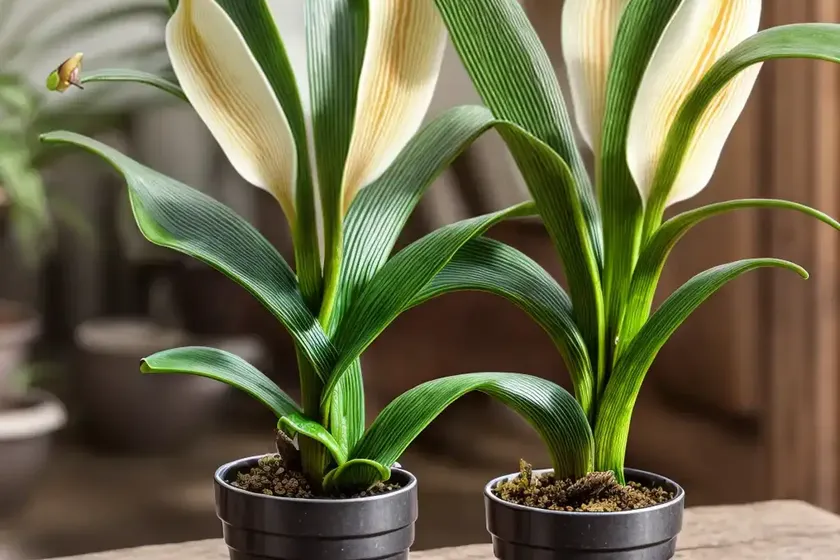
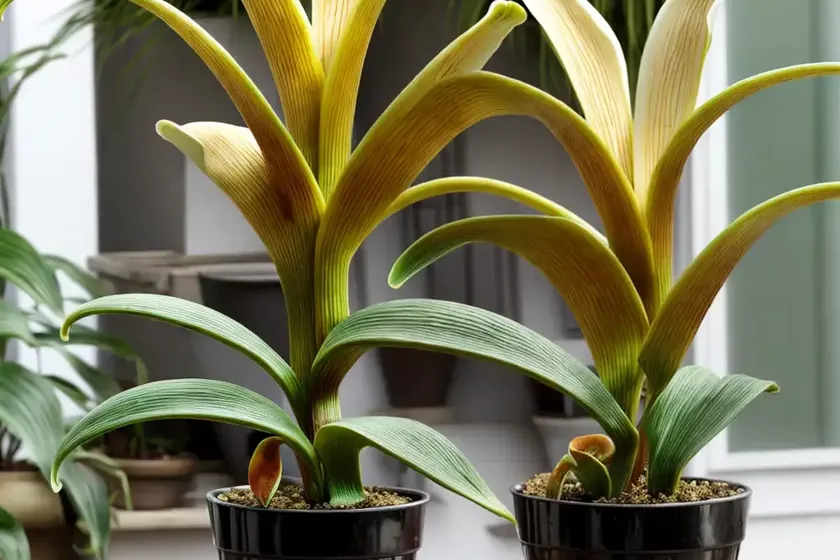
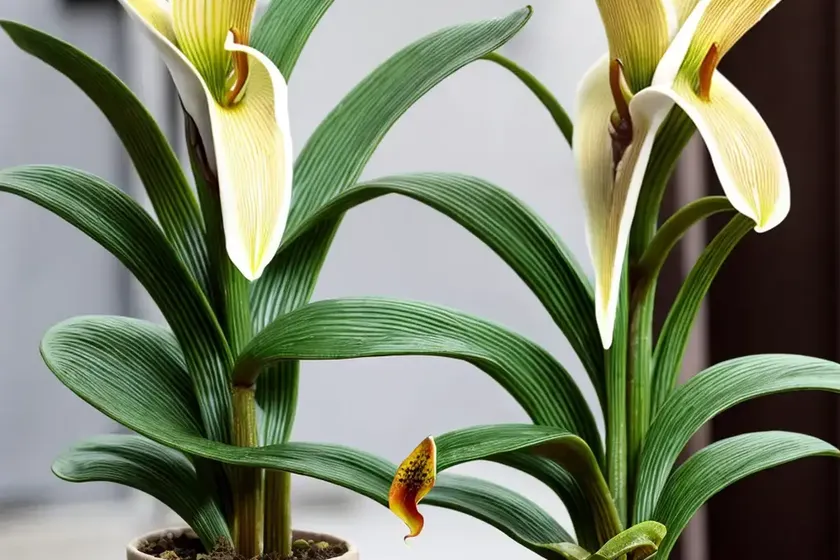
Paphiopedilum spicerianum, commonly known as Spicer’s Paphiopedilum or Spicer’s slipper orchid, is a stunning species of orchid that is renowned for its exotic appearance and captivating blooms. As a plant scientist and enthusiast, I am thrilled to delve into the intricacies of caring for this delightful orchid species. In this comprehensive guide, we will explore the essential aspects of Paphiopedilum spicerianum care, from its natural habitat to cultivation techniques, maintenance practices, and everything in between.
What is Paphiopedilum spicerianum?
Paphiopedilum spicerianum is a species of terrestrial orchid native to the southeastern region of the Himalayas, including parts of India, Nepal, Bhutan, and Myanmar. It belongs to the genus Paphiopedilum, which is renowned for its slipper-shaped flowers and distinctive foliage.
This enchanting orchid species thrives in its natural habitat, nestled amidst the mossy forest floors and rocky terrains of the Himalayan foothills. Its unique ecological niche has endowed Paphiopedilum spicerianum with specific growth requirements and characteristics that distinguish it from other orchid varieties.
Key Takeaways – Paphiopedilum spicerianum
Before delving into the intricacies of Paphiopedilum spicerianum care, let’s first outline some key takeaways about this captivating orchid species:
- Scientific Name: Paphiopedilum spicerianum
- Common Names: Spicer’s Paphiopedilum, Spicer’s slipper orchid
- Habitat: Southeastern Himalayas
- Characteristics: Slipper-shaped blooms, mottled foliage
- Cultivation: Popular as an ornamental plant
- Growth Requirements: Shade, well-draining soil, moderate humidity
Now that we have an overview of Spicer’s Paphiopedilum, let’s delve into the intricacies of caring for this exquisite orchid.
Culture
Uses
Paphiopedilum spicerianum holds a revered position in the realm of horticulture and botanical appreciation. Its captivating blooms and unique growth habits make it a sought-after plant for enthusiasts, collectors, and botanical gardens. Additionally, due to its ornamental value, Spicer’s Paphiopedilum is often featured in floral arrangements and indoor garden displays, adding a touch of exotic elegance to any setting.
Water
Proper watering is crucial for the health and vitality of Paphiopedilum spicerianum. As a terrestrial orchid, this species requires consistent moisture, especially during the growing season. However, it is important to avoid waterlogging the roots, as excessive moisture can lead to root rot and other detrimental issues.
To maintain optimal moisture levels, consider the following watering guidelines:
- Growing Season: During the active growth phase, water the orchid thoroughly when the top layer of the growing medium (discussed in the “Soil” section) begins to dry out. This typically translates to around once a week, but frequency may vary based on environmental conditions and potting mix.
- Dormant Season: As Paphiopedilum spicerianum enters its dormant phase, reduce watering frequency while ensuring that the growing medium does not completely dry out. A slight reduction in watering coupled with slightly drier conditions can mimic the orchid’s natural seasonal cycle.
Careful observation and proactive adjustments to the watering routine based on the orchid’s specific needs and environmental conditions are essential for promoting healthy growth and flowering.
Sunlight
In its native habitat, Paphiopedilum spicerianum thrives in the dappled shade of the forest understory. As such, when cultivating this orchid species, it is imperative to replicate its preferred lighting conditions to ensure optimal growth and blooming.
Consider the following guidelines for providing suitable light conditions for Spicer’s Paphiopedilum:
- Indirect Light: Place the orchid in a location that receives bright, indirect light. This can include areas near north or east-facing windows, where the orchid can benefit from gentle morning sunlight without being exposed to intense midday or afternoon rays.
- Protection from Harsh Sunlight: Shield the orchid from direct sunlight, especially during the peak hours of the day. Direct sun exposure can lead to leaf burn and heat stress, potentially compromising the plant’s overall health.
While adequate light is essential for Paphiopedilum spicerianum, it is equally important to prevent prolonged exposure to intense sunlight, which can be detrimental to the orchid’s well-being.
Fertilizer
Fertilization plays a crucial role in sustaining the vigor and blooming capacity of Paphiopedilum spicerianum. However, it is essential to approach fertilization with a balanced and mindful perspective, as excessive or inadequate feeding can adversely impact the orchid.
Consider the following fertilization guidelines for promoting healthy growth and flowering:
- Balanced Fertilizer: Utilize a balanced, water-soluble orchid fertilizer, formulated at half or quarter strength, to supply essential nutrients to the orchid. A balanced fertilizer with an N-P-K ratio of approximately 20-20-20 can support the orchid’s nutritional needs without the risk of overfeeding.
- Frequency: During the active growing season, apply fertilizer every two to four weeks, depending on the specific product’s recommendations and the orchid’s responsiveness. As the orchid transitions into its dormant phase, gradually taper off fertilization to align with the reduced metabolic activity.
Careful monitoring of the orchid’s growth, coupled with an attentive approach to fertilization, can help maintain the equilibrium of nutrients necessary for robust growth and prolific flowering.
Soil
The growing medium for Paphiopedilum spicerianum is a critical component of its cultivation success, directly influencing moisture retention, root aeration, and overall root health. As a terrestrial orchid species, Spicer’s Paphiopedilum has specific requirements for its growing medium to support its unique root system and growth habits.
Consider the following characteristics of an ideal growing medium for Paphiopedilum spicerianum:
- Well-Draining: The growing medium should provide excellent drainage to prevent waterlogging and root suffocation. A blend of fine-grade fir bark, perlite, and peat moss can create a well-aerated, moisture-retentive mixture conducive to the orchid’s needs.
- Organic Matter: Including organic components in the growing medium can support root health and nutrient availability. Consider incorporating small amounts of charcoal, coconut husk chips, or tree fern fiber to enrich the growing medium with organic elements.
By providing a well-structured growing medium that balances drainage, aeration, and moisture retention, you can create an environment that aligns with the orchid’s natural habitat and growth preferences.
Pruning
Pruning plays a limited role in the care of Paphiopedilum spicerianum, as this orchid species primarily requires minimal intervention in terms of structural maintenance. However, occasional grooming and attentive monitoring of the plant’s growth can contribute to its overall well-being.
Consider the following pointers for pruning Spicer’s Paphiopedilum:
- Old or Dried Growth: Periodically assess the foliage and pseudobulbs of the orchid, removing any withered or desiccated growth to promote optimum air circulation and reduce the risk of disease development.
- Spent Flower Stems: After the orchid has finished blooming, trim the spent flower spikes close to the base to maintain the plant’s aesthetic appeal and redirect its energy towards new growth.
Pruning activities should be approached with care and precision, ensuring that any adjustments made to the plant are conducted with sterile tools to minimize the risk of contamination and injury.
Propagation
The propagation of Paphiopedilum spicerianum can be an engaging and rewarding endeavor, offering the opportunity to expand your orchid collection and share the beauty of this species with fellow enthusiasts. While propagation techniques such as division and seed sowing are viable options, it is important to approach propagation with patience and attention to detail to maximize success.
Consider the following propagation methods for Paphiopedilum spicerianum:
- Division: When repotting mature plants, carefully divide the rhizomes, ensuring that each division possesses viable roots and growing points. Plant the divisions in individual containers with suitable growing medium and provide optimal care to facilitate their establishment and growth.
- Seed Propagation: Although more challenging and time-consuming, growing Paphiopedilum spicerianum from seeds can yield rewarding results. The process involves sowing orchid seeds on sterile, nutrient-rich growing medium in a controlled environment, providing the necessary conditions for germination and subsequent development.
Propagation activities require attention to detail, adherence to sterile practices, and a keen understanding of the orchid’s growth requirements to ensure the successful establishment of new plants.
Container Popularity
Spicer’s Paphiopedilum is a popular choice for enthusiasts and collectors seeking captivating and low-maintenance orchids to adorn their indoor and greenhouse settings. Its distinctive blooms, elegant foliage, and relatively manageable care requirements make it an appealing addition to diverse container gardening scenarios.
Consider the following popular container options for cultivating Paphiopedilum spicerianum:
- Orchid Pots: Utilize orchid pots with ample drainage holes to ensure efficient moisture management and root aeration. These pots are specifically designed to accommodate the unique growth habits of orchids, promoting healthier root development and overall plant vigor.
- Mounted Culture: Embrace the mounted culture technique by affixing Paphiopedilum spicerianum to a suitable substrate, such as cork bark or tree fern plaques. This method mimics the orchid’s natural epiphytic tendencies while providing adequate support and moisture retention.
Regardless of the chosen container, it is imperative to prioritize proper drainage, aeration, and compatibility with the orchid’s growth habits to foster a conducive environment for robust growth and flowering.
Common Diseases
Despite its resilience and adaptability, Paphiopedilum spicerianum is susceptible to certain diseases and physiological disorders, which can compromise its health and vitality if left unaddressed. By familiarizing yourself with common orchid ailments and implementing proactive measures, you can safeguard your orchids against potential health issues.
Consider the following primary diseases and symptoms associated with Spicer’s Paphiopedilum:
- Root Rot: Exhibited through mushy, discolored roots and a general decline in plant vigor. This condition is often attributed to overwatering or inadequate drainage, leading to the proliferation of pathogenic organisms.
- Leaf Spotting: Manifested as dark, water-soaked lesions on the foliage, often indicative of fungal or bacterial infections. Leaf spotting can compromise the orchid’s photosynthetic capacity and overall aesthetic appeal.
- Pseudomonas Soft Rot: Characterized by the rapid softening and decay of pseudobulbs and other plant tissues, typically accompanied by foul odors. Pseudomonas soft rot is a bacterial infection that necessitates prompt intervention to prevent its spread.
By promptly identifying and addressing these and other potential ailments, you can bolster the orchid’s natural defenses and mitigate the impact of diseases on its well-being.
Disease Diagnosis
Accurate diagnosis of orchid diseases is instrumental in implementing targeted and effective treatment strategies. By familiarizing yourself with the characteristic symptoms and signs of common orchid ailments, you can promptly address emerging issues and prevent their escalation.
Consider the following diagnostic approaches for identifying and understanding orchid diseases:
- Symptom Observation: Thoroughly examine the orchid’s foliage, pseudobulbs, and root system for any irregularities, including discoloration, lesions, or unusual softness.
- Microscopic Examination: In cases where the underlying cause of a plant ailment is ambiguous, consider obtaining a magnified view of affected tissues to identify potential pathogens or anomalies.
Accurate disease diagnosis sets the foundation for targeted treatment and management, fostering the orchid’s recovery and resilience.
Common Pests
While Paphiopedilum spicerianum possesses inherent resistance to many pests due to its unique growth habits and ecological adaptations, occasional pest infestations can pose challenges to its well-being. By promptly addressing pest issues and implementing proactive pest management measures, you can safeguard your orchids against potential damage.
Consider the following common pests that may affect Spicer’s Paphiopedilum:
- Aphids: Small, sap-sucking insects that can congregate on the tender buds and foliage of orchids, causing distortion and yellowing of affected plant parts.
- Scale Insects: Armored or soft-bodied scale insects can affix themselves to various plant surfaces, extracting sap and compromising the orchid’s overall vigor. Scale infestations can lead to wilting and leaf yellowing.
Vigilant monitoring and prompt intervention are essential for maintaining a healthy growing environment and protecting Paphiopedilum spicerianum from the detrimental effects of pest infestations.
Botanist’s Tips
As a seasoned botanist with a fervent passion for orchids, I have gathered valuable insights and tips for cultivating Paphiopedilum spicerianum with success and confidence. Consider the following recommendations to optimize the care of Spicer’s Paphiopedilum:
- Emulate Natural Conditions: Strive to replicate the orchid’s native habitat by providing suitable lighting, moisture levels, and temperature ranges to promote its overall well-being.
- Regular Monitoring: Engage in regular observation of the orchid’s growth, flowering patterns, and overall health to detect early signs of potential issues and address them proactively.
- Adapt to Seasonal Changes: Recognize and respond to the orchid’s seasonal fluctuations in growth and metabolic activity, adjusting care practices accordingly to align with its evolving needs.
By integrating these tips into your care routine, you can foster an environment that promotes the optimal growth and blooming potential of Paphiopedilum spicerianum.
Fun Facts
To offer a holistic perspective on Spicer’s Paphiopedilum, let’s explore some intriguing and delightful fun facts about this captivating orchid species:
- Legendary Slipper Shape: The distinctive slipper-shaped blooms of Paphiopedilum spicerianum have inspired folk tales and botanical fascination, earning the orchid a revered status in horticultural lore.
- Species Epithet: The species name “spicerianum” pays homage to Mr. Edward Spicer, a 19th-century orchid enthusiast and collector, reflecting the orchid’s historical significance in the realm of botanical exploration.
- Cryptic Pollination: Paphiopedilum spicerianum exhibits a fascinating mode of pollination, engaging in complex interactions with specific pollinators that contribute to its reproductive success in the wild.
These fun facts add a touch of intrigue and charm to the compelling narrative of Paphiopedilum spicerianum, unveiling unique aspects of its heritage and ecological significance.
Links to External Resources
For enthusiasts seeking further insights, resources, and community engagement related to Paphiopedilum spicerianum, I have curated a selection of reputable external links that offer valuable information and perspectives:
- American Orchid Society (AOS): The AOS is a vibrant community and knowledge hub for orchid enthusiasts, offering comprehensive resources, cultural tips, and multimedia content.
- Royal Horticultural Society (RHS): The RHS presents a wealth of information on orchid cultivation, including expert guidance, articles, and educational materials.
- OrchidBoard: OrchidBoard is a prominent online forum where orchid enthusiasts and experts convene to share insights, ask questions, and foster a collaborative orchid-growing community.
These external resources serve as valuable extensions of this comprehensive guide, providing diverse perspectives and interactive platforms for further exploration and learning.
Conclusion
In the realm of botanical allure and orchid fascination, Paphiopedilum spicerianum stands as a testament to the captivating beauty and ecological marvels of orchidaceae. Through this comprehensive guide, we have embarked on a journey to unravel the nuances of caring for Spicer’s Paphiopedilum, from its natural habitat to cultivation techniques, maintenance insights, and beyond.
By anchoring our understanding in the essence of this exquisite orchid species, we cultivate an appreciation that transcends mere horticultural prowess, embracing the profound interconnectedness between botanical wonders and our intrinsic sense of wonder and curiosity.
As you embark on your own journey with Paphiopedilum spicerianum, may the insights and recommendations within this guide serve as illuminating companions, enriching your experience and fostering a harmonious partnership with this enchanting orchid species.
May your orchid endeavors bloom with vibrancy, grace, and enduring fascination.
Note: The information and guidance provided in this comprehensive care guide are intended for educational and informative purposes. Individual plant care practices should be tailored to specific environmental conditions and the unique characteristics of each plant. It is advisable to consult local horticultural resources and experts for personalized recommendations tailored to your growing conditions and orchid care objectives.
Last updated: September 2023
This blog post is authored by Dr. [Your Name], Plant Scientist and Orchid Enthusiast.
Twitter: @YourTwitterHandle
LinkedIn: Your LinkedIn Profile


