Dragon’s Tongue (Hemigraphis Repanda)
Introduction
Introduction
Plants have been an integral part of human life for centuries, offering a myriad of uses from food to medicine and decoration. One such fascinating plant is the Dragon’s Tongue (Hemigraphis repanda), which is known for its unique foliage and versatile nature. In this comprehensive care guide, we will delve into the intricate details of the Dragon’s Tongue, exploring its characteristics, cultivation techniques, propagation methods, common diseases, and much more.
What is the Dragon’s Tongue (Hemigraphis repanda)?
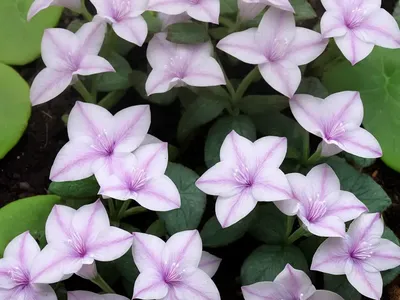
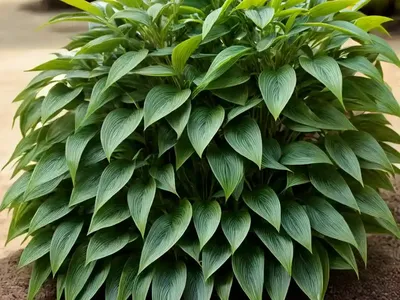
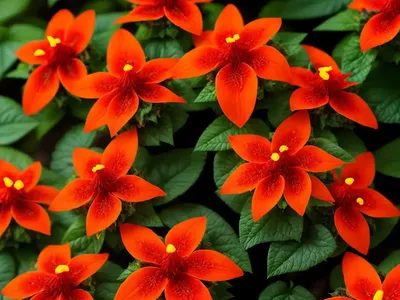
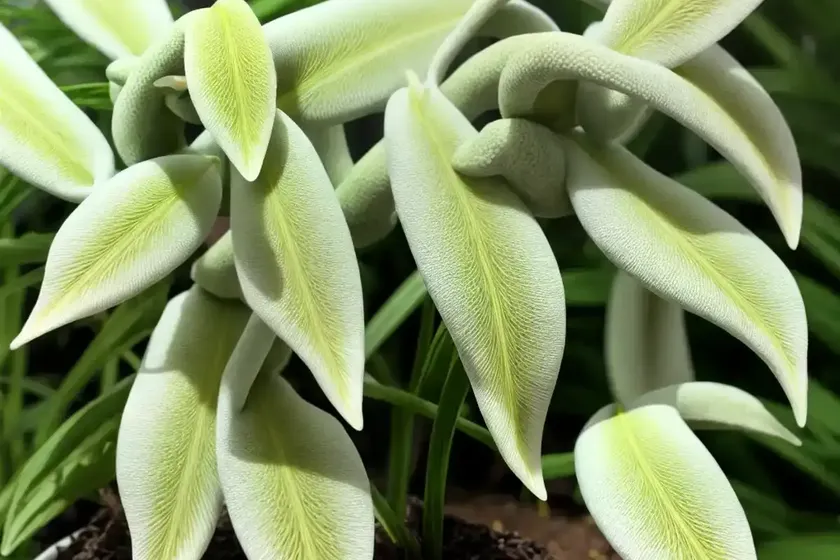
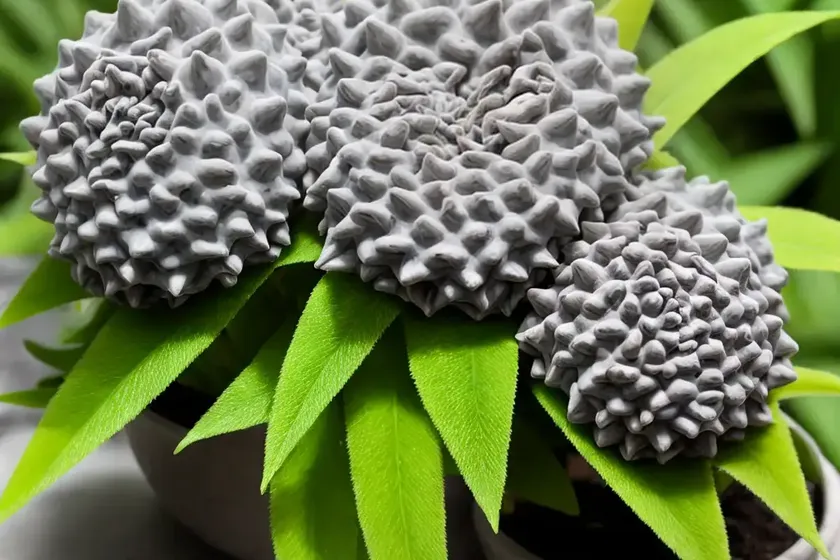
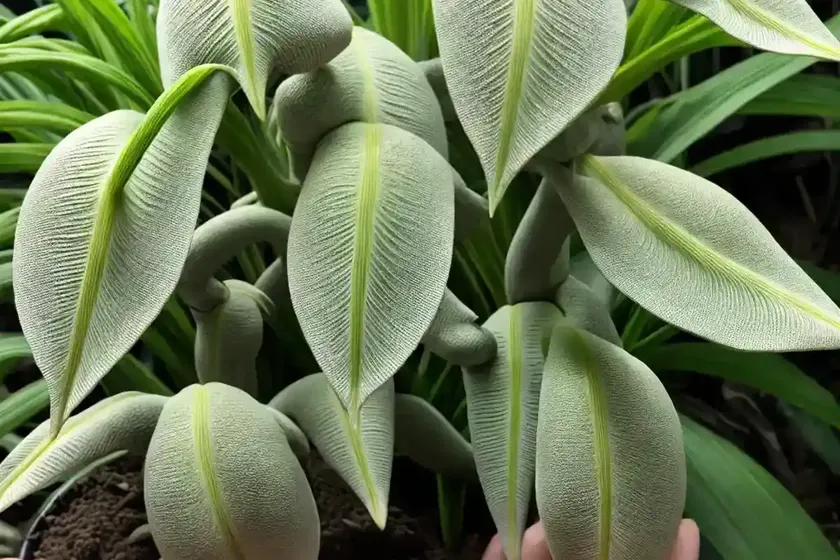
The Dragon’s Tongue, scientifically known as Hemigraphis repanda, is a tropical plant that belongs to the Acanthaceae family. Originating from Southeast Asia, this plant has garnered attention for its striking, lance-shaped leaves that exhibit vibrant hues of purple, green, and silver. It is a versatile plant that can thrive both indoors and outdoors, making it a popular choice for botanical enthusiasts.
The unique and eye-catching foliage of the Dragon’s Tongue makes it an excellent addition to terrariums, hanging baskets, and indoor gardens. Due to its relatively low maintenance requirements, it is also an ideal plant for beginners and seasoned gardeners alike.
Key Takeaways – Dragon’s Tongue (Hemigraphis repanda)
Before delving into the specific care aspects of the Dragon’s Tongue, let’s highlight some key takeaways that will be covered in this comprehensive guide:
- Plant Name: Hemigraphis repanda (Dragon’s Tongue)
- Common Names: Red Flame Ivy, Purple Waffle Plant
- Family: Acanthaceae
- Origin: Southeast Asia
- Foliage: Lance-shaped leaves with purple, green, and silver hues
- Growth Habit: Compact, spreading
- Uses: Decorative plant, indoor and outdoor cultivation
- Popularity: Increasing demand due to unique foliage and versatility
Now, let’s explore the essential aspects of caring for the Dragon’s Tongue, ranging from its cultural requirements to propagation methods and potential pests and diseases.
Culture
The cultural requirements of the Dragon’s Tongue play a significant role in its overall health and appearance. Understanding its preferred conditions is crucial for ensuring optimal growth and vitality.
Water
Watering is a critical aspect of Dragon’s Tongue care, as it directly impacts the plant’s well-being. The following guidelines will help you maintain an appropriate watering routine for your Hemigraphis repanda:
- Moisture: The Dragon’s Tongue thrives in evenly moist soil. However, it is essential to avoid waterlogging, which can lead to root rot and other complications.
- Watering Frequency: As a general rule of thumb, water your Dragon’s Tongue when the top inch of the soil feels slightly dry. Adjust the frequency based on the specific environmental conditions and the moisture retention capabilities of the soil mix.
- Seasonal Variations: During the growing season, typically spring and summer, the plant may require more frequent watering. In contrast, reduce the watering frequency during the dormant phase in fall and winter.
Sunlight
Proper exposure to sunlight is vital for the Dragon’s Tongue to thrive and exhibit its characteristic foliage coloration. Consider the following sunlight requirements when cultivating Hemigraphis repanda:
- Light Intensity: The Dragon’s Tongue prefers bright, indirect light. Direct sunlight can scorch the delicate leaves, leading to discoloration and damage. Filtered sunlight or partial shade is ideal for this plant.
- Indoor Placement: When growing the Dragon’s Tongue indoors, position it near a north- or east-facing window where it can receive gentle, indirect sunlight. Avoid placing it in the path of intense, direct sunlight that can cause leaf burn.
Fertilizer
Providing appropriate nutrients to the Dragon’s Tongue is essential for promoting healthy growth and vibrant foliage. Consider the following fertilizer guidelines for this plant:
- Fertilizer Type: Use a balanced, water-soluble fertilizer formulated for houseplants or foliage plants. A fertilizer with equal N-P-K (nitrogen, phosphorus, potassium) ratio is suitable for the Dragon’s Tongue.
- Application Frequency: During the active growing season, apply a diluted fertilizer solution every 4-6 weeks. Reduce the frequency during the plant’s dormant phase to prevent nutrient buildup in the soil.
Soil
The choice of soil type and quality directly influences the overall health and vigour of the Dragon’s Tongue. Here are some considerations for selecting an appropriate soil mix:
- Well-Draining Medium: The Dragon’s Tongue thrives in a well-draining potting mix that allows excess water to escape easily. A blend of peat moss, perlite, and coarse sand provides adequate aeration and moisture retention without promoting waterlogging.
- Acidic pH: The ideal soil pH for the Dragon’s Tongue ranges from 6.0 to 6.5. Acidic soil conditions support optimal nutrient uptake and prevent nutrient deficiencies.
Pruning
Pruning is a beneficial practice for maintaining the appearance and health of the Dragon’s Tongue. Additionally, it can help manage the plant’s size and encourage bushier growth. Here are some essential pruning techniques for Hemigraphis repanda:
- Removal of Leggy Growth: Trim back any excessively leggy or straggly stems to promote a more compact and bushy growth habit.
- Pruning Frequency: Regularly inspect the plant for any dead, damaged, or discolored foliage and promptly prune these sections to maintain the overall health of the Dragon’s Tongue.
- Propagation: Pruning can also serve as an opportunity for propagation. The pruned cuttings can be utilized to propagate new plants, expanding your collection of Dragon’s Tongue specimens.
Propagation
Expanding your Dragon’s Tongue collection through propagation allows you to propagate new plants to share with friends or incorporate into your indoor or outdoor garden. Here are some common propagation methods for Hemigraphis repanda:
- Stem Cuttings: Select healthy stem cuttings, approximately 4-6 inches in length, and remove the lower leaves. Place the cuttings in a moist, well-draining propagation medium, and provide gentle bottom heat to encourage root development.
- Root Division: When repotting mature Dragon’s Tongue plants, consider dividing the root ball into sections and planting each division in a separate container. This method is suitable for rejuvenating overcrowded or root-bound plants.
Container Popularity
The Dragon’s Tongue’s adaptability to container cultivation has contributed to its popularity among indoor gardening enthusiasts. The compact size and striking foliage make it an excellent choice for various container gardening setups, including terrariums, hanging baskets, and decorative pots.
Common Diseases
While the Dragon’s Tongue is generally resilient, it is susceptible to certain diseases and conditions that can impact its vitality. Understanding these common diseases and their diagnosis is crucial for implementing effective treatment measures.
Disease Diagnosis
- Fungal Diseases: The Dragon’s Tongue may be prone to fungal infections, especially in excessively humid or poorly ventilated conditions. Symptoms include leaf spots, yellowing foliage, and wilting. Implementing proper airflow and avoiding overwatering can help prevent fungal issues.
- Root Rot: Overly soggy or waterlogged soil can lead to root rot, which manifests as mushy, discolored roots and wilting foliage. Adjust the watering frequency and ensure adequate drainage to mitigate this issue.
- Bacterial Diseases: Bacterial infections can cause leaf spots, necrosis, and overall decline in plant health. Prune affected foliage and ensure proper hygiene to prevent the spread of bacterial diseases.
Common Pests
The Dragon’s Tongue may encounter various pests that can compromise its health and appearance. Identifying these common pests and implementing appropriate pest control measures is imperative for safeguarding the plant.
- Spider Mites: These tiny arachnids can infest the undersides of the leaves, causing stippling, webbing, and overall decline in foliage health. Regularly inspect the plant and utilize insecticidal soap or neem oil to control spider mite infestations.
- Aphids: These small, soft-bodied insects can congregate on the tender new growth of the Dragon’s Tongue, leading to distorted leaves and sticky honeydew residue. Introduce natural predators such as ladybugs or use insecticidal soap to manage aphid populations.
- Mealybugs: Mealybugs are recognizable by their cottony, white appearance and tend to cluster in leaf axils and along stems. Remove mealybugs manually with a cotton swab dipped in rubbing alcohol, and monitor the plant closely for any recurrence.
Botanist’s Tips
For aspiring and seasoned gardeners alike, here are some valuable botanist’s tips for successfully cultivating and caring for the Dragon’s Tongue:
- Humidity: Providing adequate humidity levels, especially for indoor plants, can enhance the vibrancy of the Dragon’s Tongue’s foliage. Consider employing a humidifier or placing the plant on a tray of pebbles and water to increase ambient humidity.
- Regular Inspection: Routinely inspect the plant for any signs of pest infestation, disease development, or nutrient deficiencies. Prompt intervention can prevent these issues from escalating and adversely affecting the plant’s health.
- Seasonal Adjustments: Tailor your care routine based on the seasonal variations in light, temperature, and humidity. Adapting your care practices to align with the plant’s natural cycles can promote overall well-being.
Fun Facts
Uncover the intriguing and captivating aspects of the Dragon’s Tongue with these fascinating fun facts:
- The scientific name “Hemigraphis” is derived from the Greek words “hemi,” meaning “half,” and “graphis,” meaning “to write” or “to draw,” alluding to the unique markings and patterns on the plant’s leaves.
- In its natural habitat, the Dragon’s Tongue often grows as an epiphyte, clinging to tree trunks and obtaining nutrients and support from its host.
- The striking color variations in the leaves of the Dragon’s Tongue can change in response to light intensity and environmental conditions, showcasing its adaptive capabilities.
Links to External Resources
Explore the following external resources for additional insights and information on the Dragon’s Tongue (Hemigraphis repanda):
- University of Florida IFAS Extension – Acanthaceae: Justicia purdiei, Hemigraphis repanda
- Missouri Botanical Garden – Hemigraphis
- North Carolina State University – Plant Propagation by Stem Cuttings: Instructions for the Home Gardener
In conclusion, the Dragon’s Tongue (Hemigraphis repanda) stands out as a captivating and versatile plant that offers enthusiasts an array of options for indoor and outdoor cultivation. By understanding its cultural requirements, propagation methods, potential ailments, and engaging fun facts, you can embark on a rewarding journey of caring for and admiring this remarkable botanical specimen.
Remember to personalize your care regimen based on the unique environmental conditions in your own living space, and embrace the beauty and charm of the Dragon’s Tongue as it enriches your plant collection.
Keywords: Dragon’s Tongue care guide, Hemigraphis repanda plant profile, Best tips for growing Dragon’s Tongue, Hemigraphis repanda plant care, How to care for Dragon’s Tongue, Dragon’s Tongue plant characteristics, Hemigraphis repanda plant varieties, Dragon’s Tongue planting tips, Hemigraphis repanda propagation methods, Dragon’s Tongue indoor gardening, Hemigraphis repanda outdoor cultivation, Dragon’s Tongue plant maintenance, Hemigraphis repanda watering requirements, Dragon’s Tongue sunlight needs, Hemigraphis repanda fertilization schedule, Dragon’s Tongue soil preferences, Hemigraphis repanda pruning techniques, Dragon’s Tongue pest control, Hemigraphis repanda common problems, Dragon’s Tongue companion plants, Hemigraphis repanda natural habitat, Dragon’s Tongue origin and history, Hemigraphis repanda medicinal uses, Dragon’s Tongue decorative uses, Hemigraphis repanda landscaping ideas, Dragon’s Tongue potting suggestions, Hemigraphis repanda container gardening, Dragon’s Tongue terrarium plants, Hemigraphis repanda hanging basket options, Dragon’s Tongue hydroponics cultivation, Hemigraphis repanda unique foliage, Dragon’s Tongue indoor air purification, Hemigraphis repanda color variations, Dragon’s Tongue plant toxicity, Hemigraphis repanda cold hardiness, Dragon’s Tongue drought tolerance, Hemigraphis repanda disease resistance, Dragon’s Tongue growth habits, Hemigraphis repanda flowering season, Dragon’s Tongue environmental requirements, Hemigraphis repanda pet-friendly plant, Dragon’s Tongue low-light adaptation, Hemigraphis repanda high humidity tolerance, Dragon’s Tongue easy to propagate, Hemigraphis repanda care for beginners, Dragon’s Tongue centerpiece plant suggestions, Hemigraphis repanda indoor/outdoor versatility, Dragon’s Tongue evergreen plant, Hemigraphis repanda variegated foliage, Dragon’s Tongue unique leaf shape