Spirea (Spiraea nipponica var. tosaensis): A Comprehensive Guide
Introduction
Welcome to our comprehensive guide on Spirea (Spiraea nipponica var. tosaensis), a stunning deciduous shrub that is cherished by gardeners and landscapers around the world. Also known as Tosa spirea or Japanese spirea, this flowering shrub is adored for its ornamental qualities and its versatility in garden and landscape design. In this guide, we will delve into the cultural requirements, uses, maintenance, propagation, and much more to help you better understand and care for this beautiful plant.
What is Spirea (Spiraea nipponica var. tosaensis)?
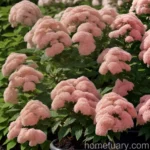
Spirea (Spiraea nipponica var. tosaensis) is a member of the Rosaceae family and is native to Japan. It is known for its beautiful pink flower clusters and its elegant, arching branches. This deciduous shrub typically reaches a height of 4 to 6 feet and has a spread of 4 to 7 feet, creating a graceful and voluminous appearance in the garden.
Landscape architects and garden designers often incorporate Spiraea nipponica var. tosaensis into their designs due to its versatility and ease of care. Whether used as a focal point in a mixed border, a mass planting in a naturalistic garden, or as an accent in a container, this spirea species adds charm and a touch of natural beauty to any setting.
Key Takeaways
Before we delve deeper into the specifics of caring for Spirea (Spiraea nipponica var. tosaensis), let’s take a look at some key takeaways that will give you a quick overview of its characteristics and care requirements:
- Common Name: Spirea (Spiraea nipponica var. tosaensis)
- Plant Type: Deciduous shrub
- Flower Color: Pink
- Cultural Uses: Garden shrub, landscape plant, ornamental plant
- Growth Habits: Elegant, arching branches
- Sunlight: Full sun to partial shade
- Watering Needs: Moderate
- Soil Preferences: Well-drained, fertile soil
- Maintenance: Regular pruning to maintain shape and encourage new growth
- Propagation: Can be propagated by softwood cuttings or division
- Winter Hardiness: Hardy in USDA zones 4-8
- Natural Habitat: Native to Japan
- Landscape Uses: Focal point, mass planting, container gardening
- Special Features: Wildlife attraction, fall color, flower clusters
Now that we have an overview of the key characteristics and care requirements of Spirea (Spiraea nipponica var. tosaensis), let’s delve into each aspect in more detail to understand how to best care for and enjoy this beautiful shrub.
Culture
Cultivating Spirea (Spiraea nipponica var. tosaensis) requires a good understanding of its cultural requirements. From sunlight and water needs to soil preferences and fertilizer applications, providing the right environment for this shrub is essential for ensuring its health and vigor.
Water
Proper watering is essential for the health and vitality of Spiraea nipponica var. tosaensis. While established plants are moderately drought-tolerant, they perform best with regular watering, especially during dry spells. When watering, it’s important to ensure that the soil is moist but not waterlogged, as excessive moisture can lead to root rot and other issues. A 2-3 inch layer of mulch can help retain soil moisture and regulate soil temperature.
Sunlight
Spiraea nipponica var. tosaensis thrives in full sun to partial shade. While it can tolerate some shade, it tends to produce more abundant and vibrant blooms when grown in full sun. When planting, choose a location that receives at least 6 hours of direct sunlight per day for the best flowering performance.
Fertilizer
Proper fertilization can contribute to the overall health and vigor of Spirea (Spiraea nipponica var. tosaensis). In early spring, before new growth appears, apply a balanced, slow-release fertilizer according to the manufacturer’s instructions. Avoid excessive fertilization, as this can lead to excessive vegetative growth at the expense of flowering.
Soil
Spiraea nipponica var. tosaensis prefers well-drained, fertile soil with a slightly acidic to neutral pH. Amending the soil with organic matter, such as compost or well-rotted manure, can improve soil structure and fertility, providing an excellent growing medium for the shrub.
Pruning
Pruning is an essential maintenance task for Spirea (Spiraea nipponica var. tosaensis) to maintain its shape, promote new growth, and encourage abundant flowering. Pruning should be done in late winter to early spring before new growth emerges. Here are some key points to consider when pruning Tosa spirea:
- Dead or Damaged Wood: Remove any dead, damaged, or diseased wood to maintain the plant’s health.
- Thinning Out: Thin out older stems and branches to encourage air circulation and light penetration, which promotes overall plant health.
- Renewal Pruning: Every 3-4 years, consider performing renewal pruning by cutting back 1/3 of the oldest stems to the ground. This rejuvenates the plant and stimulates new growth.
When pruning Spirea nipponica var. tosaensis, it’s important to use sharp, clean tools to make smooth cuts and reduce the risk of disease transmission.
Propagation
Propagating Spirea (Spiraea nipponica var. tosaensis) allows gardeners to multiply their plants or share them with fellow enthusiasts. This shrub can be propagated by softwood cuttings or division.
Softwood Cuttings
- In late spring or early summer, select healthy, young shoots that are free from flowers or buds.
- Cut 4-6 inch sections of the shoots, ensuring that each cutting has at least 2-3 nodes.
- Remove the lower leaves from the cuttings, leaving only a few at the tip.
- Dip the cut ends in a rooting hormone to promote root development.
- Plant the cuttings in a well-draining rooting medium, such as a mix of perlite and peat.
- Keep the cuttings moist and provide gentle bottom heat to encourage root growth.
- Once the cuttings have developed roots, they can be potted up into individual containers or transplanted into the garden.
Division
- In early spring, dig up the mature Spirea (Spiraea nipponica var. tosaensis) plant, taking care not to damage the roots.
- Using a sharp, clean tool, divide the plant into sections, ensuring that each division has a portion of the root system and several vigorous shoots.
- Replant the divisions at the same depth as the original plant, spacing them adequately to allow for future growth.
Propagation allows gardeners to create new plants from their existing Spirea (Spiraea nipponica var. tosaensis) and share the beauty of this shrub with others.
Container Popularity
Spirea (Spiraea nipponica var. tosaensis) is well-suited for container gardening, making it a popular choice for those with limited garden space or for those looking to add a focal point to patios, decks, or balconies. When growing Tosa spirea in containers, it’s important to consider the following factors:
- Container Size: Choose a container that provides adequate room for the plant’s root system to grow. A container with drainage holes is essential to prevent waterlogging.
- Potting Mix: Use a well-draining potting mix that provides good aeration for the roots.
- Sunlight: Place the container in a location that receives at least 6 hours of sunlight per day, such as a south-facing patio or balcony.
Regular watering and fertilization are necessary for container-grown Spirea (Spiraea nipponica var. tosaensis) to ensure healthy growth and abundant flowering.
Common Diseases
Like many plants, Spirea (Spiraea nipponica var. tosaensis) is susceptible to certain diseases that can impact its health and appearance. Being aware of these common diseases and their symptoms can help gardeners take proactive measures to prevent and manage them effectively.
Disease Diagnosis
Here are some common diseases that may affect Spirea (Spiraea nipponica var. tosaensis) and their typical symptoms:
- Powdery Mildew: A fungal disease that presents as a powdery, white substance on the leaves. It can lead to leaf distortion and premature leaf drop.
- Leaf Spot: Caused by various fungi, leaf spot appears as dark, round lesions on the foliage. Severe infections can lead to defoliation and reduced vigor.
- Fire Blight: This bacterial disease causes wilting, blackening of shoots, and a scorched appearance of the foliage. It can spread rapidly, particularly in warm, humid conditions.
Early diagnosis and proper management are crucial in controlling these diseases. Good cultural practices, such as adequate spacing between plants, promoting air circulation, and avoiding overhead watering, can help minimize the risk of disease development.
Common Pests
In addition to diseases, Spirea (Spiraea nipponica var. tosaensis) may also be susceptible to certain pests that can affect its growth and appearance. Understanding the common pests and their characteristics is essential for implementing effective pest control measures.
Botanist’s Tips
Here are some botanist’s tips for maintaining healthy, vibrant Spirea (Spiraea nipponica var. tosaensis) and minimizing the risk of pests and diseases:
- Monitor Plant Health: Regularly inspect the plant for any signs of pest infestation or disease development. Early detection allows for prompt intervention.
- Prune Wisely: Pruning the shrub to maintain an open, airy structure promotes better air circulation, reducing the risk of disease.
- Avoid Overcrowding: Plant Spirea (Spiraea nipponica var. tosaensis) at the recommended spacing to prevent overcrowding, which can create favorable conditions for disease spread.
Fun Facts
- The species name “nipponica” is derived from “Nippon,” the Japanese name for Japan, indicating the native range of the plant.
- Spirea (Spiraea nipponica var. tosaensis) is a valuable nectar source for pollinators, including bees and butterflies, making it a valuable addition to wildlife-friendly gardens.
- In Japan, this spirea species is celebrated for its cultural significance and is often incorporated into traditional garden designs.
Links to External Resources
For additional information on Spirea (Spiraea nipponica var. tosaensis), we recommend exploring the following resources:
- The Royal Horticultural Society – Spirea
- Missouri Botanical Garden – Spiraea nipponica var. tosaensis
- University of Florida IFAS Extension – Spiraea in the Landscape
The resources above provide valuable insights into the characteristics, care requirements, and landscape uses of Spiraea nipponica var. tosaensis, offering a wealth of information for enthusiasts and professionals alike.
In conclusion, Spirea (Spiraea nipponica var. tosaensis) is a delightful and versatile shrub that adds beauty, elegance, and ecological value to gardens and landscapes. By understanding its cultural requirements, maintenance practices, and landscape uses, gardeners and landscapers can enjoy the beauty of this charming shrub while creating inviting and attractive outdoor spaces.
We hope this comprehensive guide has provided you with valuable insights into the world of Spirea (Spiraea nipponica var. tosaensis) and has inspired you to explore the possibilities of incorporating this wonderful shrub into your own garden or landscape design.
Remember that each plant is a living organism and may have its individual characteristics and needs. Therefore, observing your Spirea (Spiraea nipponica var. tosaensis) closely and responding to its unique requirements is essential for a thriving and vibrant plant.
Happy gardening!
References
- “Spirea (Spiraea nipponica var. tosaensis)”. The Royal Horticultural Society.
- “Spiraea nipponica var. tosaensis”. Missouri Botanical Garden.
- “Spiraea in the Landscape”. University of Florida IFAS Extension.