All About Caucasian Stonecrop (Sedum spurium ‘Schorbuser Blut’ DRAGON’S BLOOD)
What is Plant: Caucasian Stonecrop (Sedum spurium ‘Schorbuser Blut’ DRAGON’S BLOOD)?
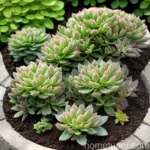
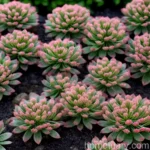
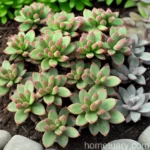
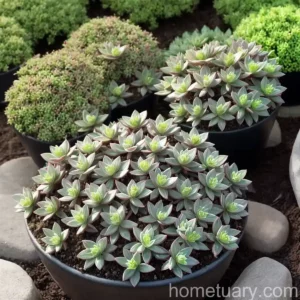
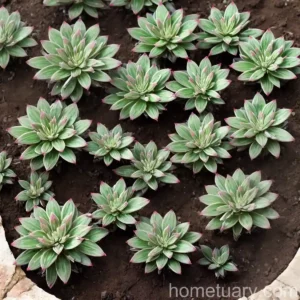
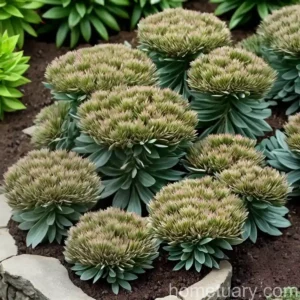
Caucasian stonecrop, scientifically known as Sedum spurium ‘Schorbuser Blut’ or Dragon’s Blood, is a popular perennial plant prized for its vibrant red foliage and easy-to-maintain nature. This low-growing succulent is recognized for its exceptional ground cover capabilities and is often used in landscaping and container gardening.
Key Takeaways – Caucasian Stonecrop (Sedum spurium ‘Schorbuser Blut’ DRAGON’S BLOOD)
Before delving into the details, here are some key takeaways about the Caucasian stonecrop:
- Scientific Name: Sedum spurium ‘Schorbuser Blut’
- Common Name: Dragon’s Blood sedum
- Plant Type: Perennial succulent groundcover
- Foliage: Vibrant red
- Uses: Ground cover, container plant, rock garden addition
- Characteristics: Drought-tolerant, low-maintenance, hardy
- Growth Habit: Low-growing, spreading
- Sunlight: Prefers full sun to partial shade
- Soil Type: Well-draining, sandy to loamy
- Watering: Drought-resistant, low water requirements
- Maintenance: Minimal pruning and care needed
- Hardiness Zone: 3-9
- Common Pests: Generally pest-resistant
- Common Diseases: Minimal disease issues
- Landscape Uses: Groundcover, borders, edging, rock gardens, container gardening
Now, let’s explore the various aspects of cultivating and caring for this captivating plant.
Culture
Uses
Caucasian stonecrop (Sedum spurium ‘Schorbuser Blut’) has a wide range of uses in gardening and landscaping. Some of the common applications include:
- Ground Cover: Its robust growth habit and vibrant foliage make it an excellent ground cover plant.
- Container Plant: It thrives in containers and hanging baskets, adding visual interest and texture.
- Rock Gardens: Its low-growing nature and heat tolerance make it a perfect fit for rock gardens.
- Borders and Edging: The plant’s attractive red foliage creates beautiful borders and edges in garden beds.
Water
This succulent species, once established, is highly drought-tolerant. It has low water needs and is suitable for xeriscaping and water-wise gardening. Proper drainage is essential to prevent waterlogging, which can lead to root rot.
Sunlight
Caucasian stonecrop prefers full sun to partial shade. It thrives in bright sunlight and develops its best coloration under full sun conditions. However, it can tolerate some shade, especially in hotter climates.
Fertilizer
This low-maintenance plant does not have high fertilizer requirements. A balanced, all-purpose fertilizer can be applied sparingly in early spring to support healthy growth.
Soil
The Sedum spurium ‘Schorbuser Blut’ plant prefers well-draining soil, such as sandy or loamy soil, to prevent waterlogging. It also adapts well to poor, rocky, and shallow soils, making it an ideal choice for challenging gardening conditions.
Pruning
Minimal pruning is needed for the Caucasian stonecrop. Regular deadheading of spent flowers can encourage new growth and prolong the flowering season. Additionally, light pruning can help maintain a tidy appearance.
Propagation
This plant can be easily propagated through division or stem cuttings. The division method involves separating the plant into smaller sections, each with roots attached, and replanting them to establish new plants. Stem cuttings can be rooted in a suitable growing medium to propagate new plants.
Container Popularity
Due to its compact size and exceptional drought tolerance, Sedum spurium ‘Schorbuser Blut’ is a favored choice for container gardening. Its striking red foliage adds an eye-catching element to container arrangements and provides an attractive cascading effect when planted in hanging baskets.
Common Diseases and Pests
Common Diseases
Caucasian stonecrop is generally resistant to major diseases. However, overwatering and poor air circulation can lead to issues such as powdery mildew or fungal infections. Adequate spacing, well-draining soil, and proper watering practices can help prevent these problems.
Disease Diagnosis
Diagnosing diseases in Sedum spurium ‘Schorbuser Blut’ involves examining the plant for symptoms such as powdery white spots on the leaves or signs of wilting and rot. Proper identification of any disease symptoms can aid in selecting the most effective treatment or preventative measures.
Common Pests
This plant is relatively pest-resistant, but it may occasionally attract aphids or mealybugs. Regular monitoring of the plant for any signs of pest infestations and prompt intervention, if necessary, can help maintain its health and vigor.
Botanist’s Tips
Fun Facts
- Sedum spurium ‘Schorbuser Blut’ is native to a wide geographical range, including parts of Europe, Asia, and North Africa.
- The “Dragon’s Blood” label is derived from the red coloration of the plant’s foliage.
- It is a favorite among pollinators, attracting butterflies and bees with its nectar-rich flowers.
- This plant is part of the Crassulaceae family, which includes many other popular succulent species.
Links to External Resources
For more information about Sedum spurium ‘Schorbuser Blut’ and other related topics, feel free to explore the following external resources:
- Sedum spurium ‘Schorbuser Blut’ Plant Profile
- Dragon’s Blood Sedum Care Guide
- Choosing the Perfect Groundcover Plants
- Succulent Propagation Techniques
- Common Garden Pests and How to Manage Them
As a plant scientist, I find the Sedum spurium ‘Schorbuser Blut’ to be an exceptional addition to any garden or landscape. Its striking red foliage, combined with its hardy nature and low-maintenance requirements, makes it a valuable asset for both beginner and experienced gardeners. Whether used as a ground cover, container plant, or rock garden addition, the Caucasian stonecrop brings a touch of vibrant charm to outdoor spaces.
I hope this comprehensive guide provides valuable insights into the cultivation and care of this captivating plant. If you have any further questions or would like to share your experiences with Sedum spurium ‘Schorbuser Blut’ DRAGON’S BLOOD, feel free to connect and engage in the delightful world of plants and gardening.
Happy Gardening! 🌿