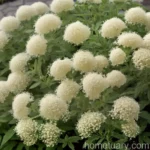
What is Japanese Meadowsweet (Spiraea japonica)?
Japanese Meadowsweet, scientifically known as Spiraea japonica, is a deciduous flowering shrub that belongs to the Rosaceae family. This plant is native to Japan, China, and Korea, and is cherished for its delicate clusters of flowers and colorful foliage. Japanese Meadowsweet is a popular ornamental plant in gardens and landscapes due to its beautiful blooms and low maintenance requirements.
Key Takeaways – Japanese Meadowsweet (Spiraea japonica)
- Scientific Name: Spiraea japonica
- Common Name: Japanese Meadowsweet
- Plant Type: Deciduous flowering shrub
- Native Range: Japan, China, Korea
- Notable Features: Clusters of small flowers, colorful foliage
- Uses: Ornamental gardening, landscaping
- Maintenance: Low maintenance, adaptable to various soil and environmental conditions
Now, let’s delve into the various aspects of Japanese Meadowsweet, including its culture, uses, care requirements, propagation, common diseases, and more.
Culture
Japanese Meadowsweet is celebrated for its adaptability and ease of cultivation. It thrives in various climatic conditions and is highly valued for its ornamental appeal. Here are the key aspects of the culture of Spiraea japonica:
Water
Japanese Meadowsweet, once established, has moderate water needs. It prefers well-drained soil and should be watered regularly during the establishment phase. However, it can also withstand short periods of drought once it has developed a strong root system.
Sunlight
Spiraea japonica flourishes in full sun to partial shade. It is essential to provide the plant with adequate sunlight to ensure optimal flowering and foliage coloration. However, it can also tolerate partial shade, making it suitable for a variety of garden settings.
Fertilizer
When it comes to fertilization, Japanese Meadowsweet benefits from a balanced, slow-release fertilizer applied in the spring. A fertilizer with a nutrient ratio of 10-10-10 or similar is suitable for promoting healthy growth and prolific flowering.
Soil
Japanese Meadowsweet thrives in well-drained soils with a slightly acidic to neutral pH. It is adaptable to various soil types, including loamy, sandy, or clay soils, as long as they provide good drainage.
Pruning
Pruning Japanese Meadowsweet is essential to maintain its compact and attractive form. Proper pruning also encourages prolific flowering and prevents the plant from becoming leggy. The ideal time to prune Spiraea japonica is in late winter or early spring before the new growth emerges. It is recommended to remove old, weak, or damaged stems and to cut back the remaining healthy stems to promote vigorous regrowth and abundant blooms.
Propagation
Division:
Japanese Meadowsweet can be propagated through division, especially during the plant’s dormant season. This method involves dividing the root ball into several sections, each containing viable roots and shoots. The divided segments can be replanted in suitable locations to establish new plants.
Softwood Cuttings:
Another effective method of propagating Spiraea japonica is through softwood cuttings. Softwood cuttings are taken from young, tender shoots and are placed in a suitable growing medium to develop roots and establish new plants.
Container Popularity
Japanese Meadowsweet is well-suited for container gardening, making it an excellent choice for patio, balcony, or small-space gardens. When grown in containers, it is important to provide adequate moisture and regular fertilization to support the plant’s growth and flowering.
Common Diseases
Disease Diagnosis:
While Japanese Meadowsweet is relatively resistant to diseases, it may occasionally be affected by fungal infections such as powdery mildew or leaf spot. Regular monitoring of the plant’s foliage for any signs of discoloration, wilting, or unusual growth can help in early detection and treatment of potential diseases.
Common Pests
Japanese Meadowsweet is relatively resistant to most pests. However, it can occasionally be susceptible to aphid infestations, especially during periods of new growth. These pests can be managed through natural predators, insecticidal soaps, or horticultural oils.
Botanist’s Tips
- When choosing a planting location for Japanese Meadowsweet, consider its mature size and ensure that it has sufficient space to grow and spread.
- Regular deadheading of faded flowers can prolong the flowering period and promote the production of new blooms.
- Pruning the plant in early spring before the onset of new growth helps maintain its shape and encourages robust flowering.
Fun Facts
- The genus name “Spiraea” is derived from the Greek word “speiraira,” which means “twist” or “coil,” referring to the plant’s twisted, spiraling growth habit.
- Japanese Meadowsweet has been cultivated in gardens for centuries and has been admired for its aesthetic appeal and ease of cultivation.
Links to External Resources
For more information about Japanese Meadowsweet and its cultivation, you can explore the following resources:
- Royal Horticultural Society – Spiraea japonica
- University of Florida IFAS Extension – Japanese Spiraea
- Missouri Botanical Garden – Spiraea japonica
In conclusion, Japanese Meadowsweet (Spiraea japonica) is a charming and low-maintenance shrub that adds elegance and beauty to gardens and landscapes. Its adaptability, colorful blooms, and ease of care make it a cherished plant for gardeners and landscapers alike. Whether grown as a border plant, in mixed shrub borders, or as a focal point in the garden, Japanese Meadowsweet continues to captivate with its delightful floral displays and vibrant foliage. With proper care and maintenance, this ornamental shrub can thrive and enhance the beauty of outdoor spaces, creating a welcoming and picturesque environment.