Sambucus Racemosa Lemony Lace� (Elderberry)
In the world of ornamental shrubs, Sambucus Racemosa Lemony Lace, commonly known as Elderberry, stands out as an exquisite and versatile plant. With its.
In the world of ornamental shrubs, Sambucus Racemosa Lemony Lace, commonly known as Elderberry, stands out as an exquisite and versatile plant. With its delicate foliage and attractive appearance, this plant has garnered significant attention from gardeners, landscapers, and botanists alike. In this comprehensive plant care guide, we will delve into the various aspects of nurturing and maintaining Sambucus Racemosa Lemony Lace, exploring its culture, uses, required growing conditions, propagation techniques, and tips for ensuring its optimal health and growth. Let’s embark on the journey of discovering the captivating world of Lemony Lace Elderberry.
What is Sambucus Racemosa Lemony Lace (Elderberry)?
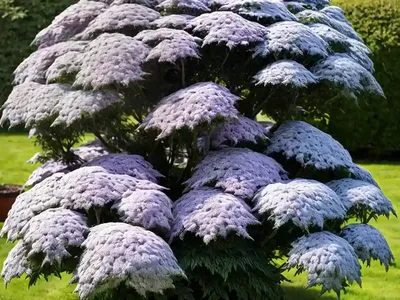
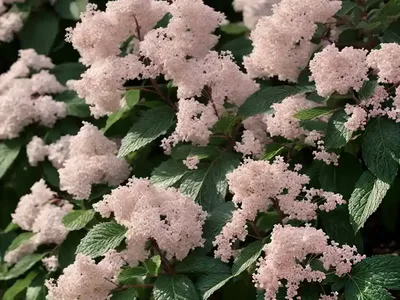
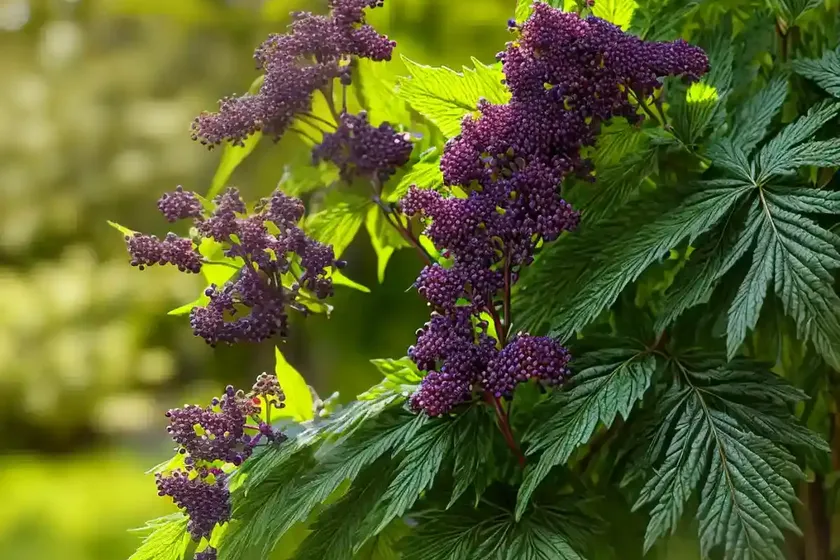
Sambucus Racemosa Lemony Lace, also known as Lemony Lace Elderberry, is a deciduous shrub that belongs to the Adoxaceae family. Originating from Europe and North America, this plant has become a popular choice for both ornamental and functional purposes. It is renowned for its finely dissected, golden-yellow foliage and its clusters of delicate white flowers that transform into striking red fruits.
Key Takeaways – Sambucus Racemosa Lemony Lace (Elderberry)
Before delving deeper into the care and maintenance of Sambucus Racemosa Lemony Lace, let’s explore some key takeaways about this captivating plant.
- Sambucus Racemosa Lemony Lace, commonly known as Elderberry, is a deciduous shrub that exhibits finely dissected, golden-yellow foliage and red fruits.
- This plant is popular for both its ornamental beauty and its functional uses, including the production of elderberries for culinary and medicinal purposes.
- When cultivated under optimal conditions, Sambucus Racemosa Lemony Lace thrives as an attractive landscape plant, adding a touch of elegance to gardens and outdoor spaces.
Now that we have gained an overview of Sambucus Racemosa Lemony Lace, let’s delve into the crucial aspects of its care and maintenance.
Culture
Cultivating Sambucus Racemosa Lemony Lace requires a keen understanding of its specific cultural requirements. By providing the right environment and care, one can ensure the plant’s vigor, resilience, and overall aesthetic appeal.
Uses
Sambucus Racemosa Lemony Lace presents a wide array of uses, both in functional and ornamental contexts.
- Ornamental Use: The finely dissected, vibrant foliage of Lemony Lace Elderberry makes it a stunning addition to landscapes, gardens, and outdoor settings. Its distinctive appearance adds visual interest and texture to any space, making it an ideal choice for ornamental planting.
- Culinary and Medicinal Use: The fruits of Sambucus Racemosa Lemony Lace, commonly known as elderberries, have long been utilized in culinary preparations, including jams, pies, and beverages. Moreover, elderberries are valued for their medicinal properties and are used in herbal remedies for their immune-boosting and antioxidant benefits.
Water
Proper watering is essential for the health and vitality of Sambucus Racemosa Lemony Lace. While this plant is moderately drought-tolerant once established, adequate moisture is crucial during its initial establishment and periods of prolonged dryness.
- Establishment Phase: Newly planted Lemony Lace Elderberry shrubs require regular watering to support root development and growth. This is particularly important during the first year after planting.
- Mature Plants: Once the Sambucus Racemosa Lemony Lace is well-established, it can tolerate periodic dry spells. However, during extended periods of drought, supplemental watering is advised to maintain its vigor and overall health.
Sunlight
Proper sunlight exposure is imperative for the growth and development of Sambucus Racemosa Lemony Lace. By providing the right amount of sunlight, one can promote the plant’s vigor, foliage coloration, and flowering potential.
- Full Sun: Lemony Lace Elderberry thrives in full sun to partial shade, preferably receiving at least 6-8 hours of direct sunlight daily. Adequate sunlight exposure enhances the plant’s foliage coloration and promotes abundant flowering.
- Partial Shade: While Lemony Lace Elderberry prefers full sun, it can also tolerate partial shade, especially in regions with intense afternoon sunlight. However, reduced sunlight exposure may lead to slightly subdued foliage coloration and reduced flowering.
Fertilizer
Appropriate fertilization plays a pivotal role in promoting the growth, vigor, and overall performance of Sambucus Racemosa Lemony Lace.
- Organic Matter: Prior to planting, amending the soil with organic matter such as compost or well-rotted manure enriches the soil’s fertility and provides essential nutrients for the plant’s initial establishment.
- Balanced Fertilizer: Once established, applying a balanced, slow-release fertilizer in early spring can further enhance the growth and vitality of Lemony Lace Elderberry. A fertilizer with balanced N-P-K (nitrogen, phosphorus, potassium) ratios is recommended to support overall plant health and encourage robust flowering and fruiting.
Soil
The soil composition and quality significantly influence the growth, health, and longevity of Sambucus Racemosa Lemony Lace. By understanding its soil requirements, one can create an ideal growing environment for this captivating shrub.
- Well-Drained Soil: Lemony Lace Elderberry thrives in well-drained, loamy soil that offers good aeration and moisture retention. Avoid waterlogged or excessively compacted soils, as they can impede root development and lead to detrimental conditions for the plant.
- pH Level: The optimal soil pH for Sambucus Racemosa Lemony Lace ranges from slightly acidic to neutral (pH 5.5 to 7.5). Conducting a soil test can provide valuable insights into the existing pH levels and guide the necessary amendments to achieve an ideal growing environment for the plant.
Pruning
Pruning is an essential aspect of Sambucus Racemosa Lemony Lace care, contributing to the plant’s overall health, shape, and flowering capacity.
- Timing: Early spring, before the onset of new growth, is the ideal time for pruning Lemony Lace Elderberry. This allows the plant to allocate its resources towards producing new shoots and flowers during the growing season.
- Pruning Techniques: Remove any dead, damaged, or crossing branches to enhance air circulation and maintain the plant’s structural integrity. Additionally, light pruning can be performed to shape the shrub and encourage compact, bushy growth.
Propagation
The propagation of Sambucus Racemosa Lemony Lace allows for the expansion of its presence in gardens and landscapes, offering an opportunity to create new plants from established specimens.
Container Propagation
Propagating Sambucus Racemosa Lemony Lace in containers provides flexibility and control over the process, enabling gardeners to nurture new plants in a controlled environment.
- Propagation Medium: Use a well-draining, moist propagation medium such as a mix of peat moss, perlite, and vermiculite to create an optimal environment for rooting cuttings. Ensure that the medium offers ample aeration and moisture retention to support root development.
- Cutting Preparation: Select healthy, disease-free stems for cutting propagation, ideally from the current season’s growth. Take 6-8 inch semi-hardwood cuttings, remove the lower leaves, and dip the cut ends in a rooting hormone to encourage root initiation.
- Environmental Conditions: Place the containers with the prepared cuttings in a bright, indirect light setting with temperatures ranging between 65-75°F. Maintain consistent moisture levels in the propagation medium while avoiding waterlogging.
Popularity
Sambucus Racemosa Lemony Lace has gained widespread popularity among gardeners, landscapers, and horticulture enthusiasts due to its captivating aesthetics and versatile uses.
- Ornamental Appeal: The intricate, golden-yellow foliage of Lemony Lace Elderberry adds a touch of elegance and visual interest to landscapes, gardens, and outdoor spaces. Its unique appearance and low maintenance requirements contribute to its popularity as an ornamental shrub.
- Cultural Significance: Traditionally, elderberries have held cultural significance in various regions, symbolizing resilience, healing, and vitality. This historical association has further contributed to the plant’s popularity and appeal.
Common Diseases
Despite its resilience, Sambucus Racemosa Lemony Lace is susceptible to certain diseases that can impact its growth and overall health.
- Powdery Mildew: Powdery mildew, characterized by the development of white, powdery patches on the foliage, can affect Lemony Lace Elderberry, especially in conditions of high humidity and limited air circulation. Fungal infections such as powdery mildew can be prevented by maintaining proper spacing between plants, ensuring adequate airflow, and practicing good garden sanitation.
- Anthracnose: Anthracnose, caused by various fungal pathogens, can lead to the development of dark, sunken lesions on the plant’s stems and foliage. Proper sanitation, including the removal of infected plant debris, and the application of fungicidal treatments can aid in preventing and managing anthracnose infections.
Disease Diagnosis
Identifying and diagnosing diseases affecting Sambucus Racemosa Lemony Lace is crucial for implementing targeted management strategies and preventing further spread.
- Symptom Observation: Regularly inspect the plant for any unusual symptoms, including foliage discoloration, leaf distortion, or the presence of powdery coatings. Additionally, monitor the plant for signs of wilting, stunted growth, or abnormal lesions on the stems and leaves.
- Laboratory Analysis: In cases where the cause of the disease remains unclear, submitting samples to diagnostic laboratories or seeking assistance from horticultural experts can aid in accurate disease diagnosis and the formulation of effective treatment plans.
Common Pests
While relatively resistant to pest infestations, Sambucus Racemosa Lemony Lace can encounter certain pests that pose potential threats to its well-being.
- Aphids: Aphids, small sap-sucking insects, can cluster on the tender shoots and foliage of Lemony Lace Elderberry, leading to leaf curling, yellowing, and the secretion of sticky honeydew. A strong blast of water or the application of insecticidal soap can help control aphid populations and prevent further damage.
- Spider Mites: Spider mites, indicated by stippling and webbing on the undersides of leaves, can infest Sambucus Racemosa Lemony Lace, particularly in dry and dusty environments. Regularly spraying the plant with water to increase humidity and applying horticultural oil can deter spider mite infestations.
Botanist’s Tips
To ensure the successful cultivation and care of Sambucus Racemosa Lemony Lace, incorporating expert tips and recommendations is imperative.
- Soil Quality: Prioritize soil preparation, ensuring that it offers good drainage, aeration, and adequate nutrient content. Amending the soil with organic matter and performing periodic soil tests can aid in maintaining optimal soil quality.
- Pruning Practice: Emphasize regular pruning to remove dead or diseased wood, enhance air circulation, and shape the shrub as desired. Proper pruning can rejuvenate the plant and promote vigorous growth.
- Integrated Pest Management: Implement an integrated approach to pest management, encompassing cultural, mechanical, and biological methods to minimize pest pressures without solely relying on chemical treatments.
Fun Facts
Delving into the realm of Sambucus Racemosa Lemony Lace reveals intriguing and captivating facts about this remarkable plant.
- Folklore and Traditions: Throughout history, elderberries have been associated with folklore, traditional medicine, and culinary practices in various cultures worldwide. Their versatile uses and symbolic significance have shaped diverse cultural narratives and traditional beliefs.
- Wildlife Attraction: The flowers and fruits of Sambucus Racemosa Lemony Lace attract a myriad of beneficial insects, including pollinators like bees and butterflies, contributing to the biodiversity of the surrounding environment.
To further enhance your understanding and appreciation of Sambucus Racemosa Lemony Lace, explore the following external resources that offer valuable insights and information.
Links to External Resources
- Gardening Know How – Growing Elderberries: A Complete Guide on How to Plant, Grow, and Harvest Elderberries
- The Spruce – Elderberry Plant Profile
- USDA Plants Database – Sambucus racemosa L.
In conclusion, Sambucus Racemosa Lemony Lace, with its enchanting foliage and versatile uses, holds a distinct allure in the realm of ornamental shrubs. By understanding its specific requirements and engaging with expert insights, one can foster the successful cultivation and maintenance of this captivating plant. Whether adorning gardens, attracting beneficial wildlife, or contributing to culinary and therapeutic pursuits, Sambucus Racemosa Lemony Lace stands as a testament to nature’s splendor and the enduring appeal of botanical marvels.
As you embark on your journey of nurturing and appreciating Sambucus Racemosa Lemony Lace, may the insights and guidelines presented in this comprehensive plant care guide serve as valuable companions, enriching your experience and fostering the flourishing beauty of Lemony Lace Elderberry in your outdoor spaces.