Sphagnum Moss: A Comprehensive Guide
Sphagnum moss, scientifically known as Sphagnum capillifolium, is a unique and versatile plant that is widely used and appreciated in various gardening, horticulture, and ecological restoration settings. This striking moss species is valued for its exceptional water retention capabilities, diversity of uses, and its ecological importance in peatland ecosystems. In this comprehensive guide, we will delve into the numerous facets of sphagnum moss, including its culture, uses, care tips, and interesting facts.
What is Sphagnum Moss?
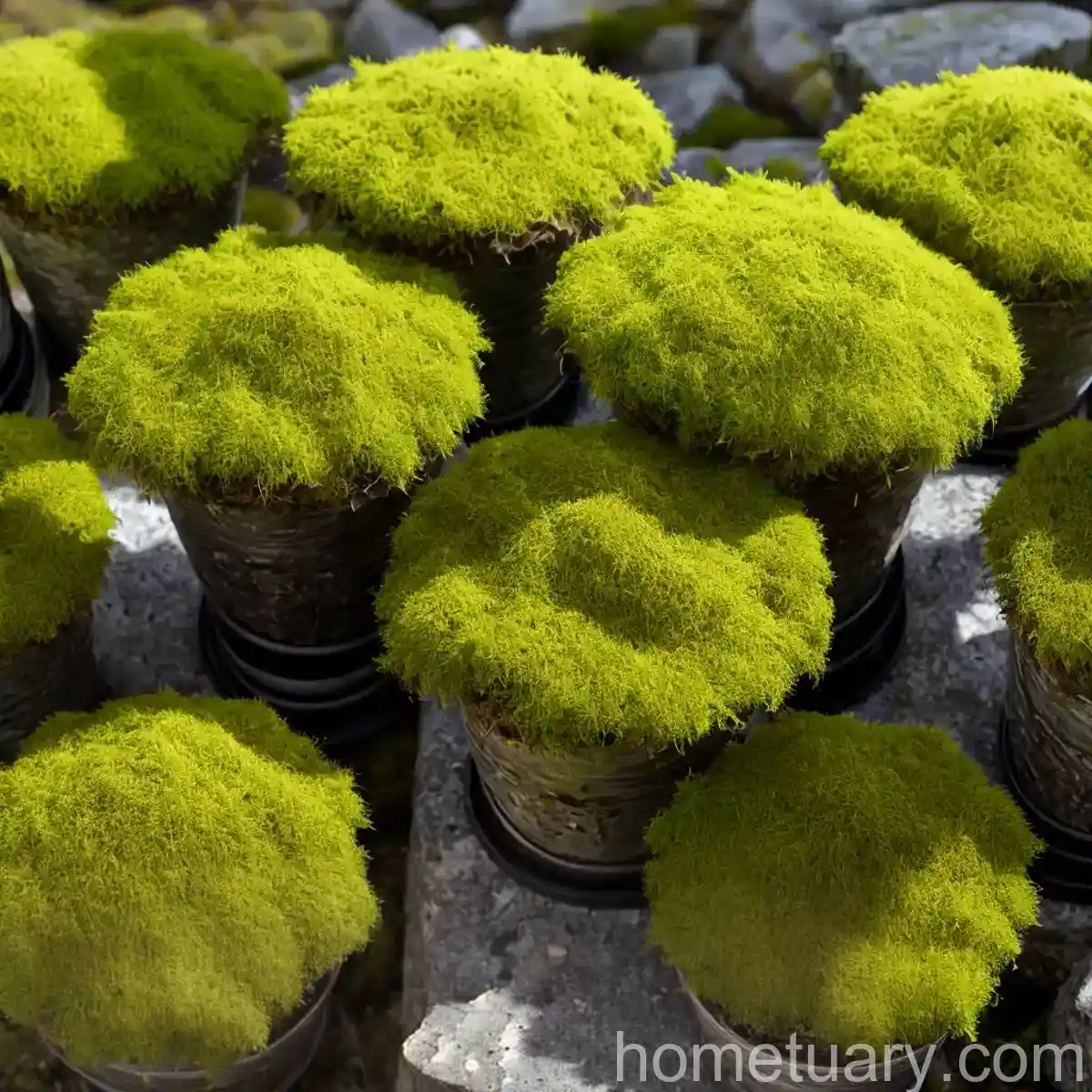
Sphagnum moss, also known as peat moss, belongs to the family Sphagnaceae and is commonly found in wetlands, bogs, and peatlands around the world. It is an essential component of peat, a natural resource that is extensively used in gardening, horticulture, and as a fuel source. This unique moss has a distinctive appearance, with its feathery, light green to deep red or brownish stems or branches. Its remarkable water retention capacity, acidic nature, and antibacterial properties make it a valuable component in various applications, including horticulture, floristry, and water filtration.
Key Takeaways – Sphagnum Moss
Before delving into the specific aspects of sphagnum moss care, propagation, and uses, let’s summarize the key takeaways:
- Sphagnum moss is prized for its exceptional water retention capacity and acidifying properties.
- It is utilized in gardening, terrariums, floristry, and as a medium for cultivating orchids and carnivorous plants.
- This versatile moss is instrumental in maintaining moisture levels, promoting root development, and enhancing soil structure.
- As a natural and sustainable resource, sphagnum moss contributes to environmental conservation and restoration efforts.
With this foundational understanding, let’s explore the intricacies of sphagnum moss care, its diverse uses, and its significance in various gardening and ecological contexts.
Culture
The culture of sphagnum moss involves understanding its requirements for water, sunlight, soil, and other essential factors that contribute to its optimal growth and vitality.
Water
Sphagnum moss is highly dependent on moisture for its growth and survival. In its natural habitat, it thrives in wet, boggy environments, often with a water table near the surface. When cultivating sphagnum moss in a controlled environment, it is crucial to ensure consistent moisture levels. The moss should be kept moist, but not waterlogged, to prevent rot and decay. Regular misting or watering can help maintain the required moisture levels.
Sunlight
While some species of sphagnum moss can tolerate partial sunlight, they generally prefer shaded or partially shaded conditions. When grown indoors, sphagnum moss should be placed in areas with indirect sunlight, such as near a window with sheer curtains. Excessive exposure to direct sunlight can lead to desiccation and damage to the delicate moss.
Fertilizer
Sphagnum moss does not require regular feeding or fertilization. Its unique ability to absorb and retain nutrients from the surrounding environment makes it sufficiently self-sustaining. When used as a potting medium or a component in terrariums, it contributes to the overall nutrient retention and availability for the plants it supports.
Soil
Unlike traditional plants, sphagnum moss does not require soil for its growth. In fact, it thrives in soilless conditions, as it is naturally adapted to peatlands and bogs where the soil is predominantly composed of decaying organic matter. When used in cultivation, it is often placed over a layer of horticultural charcoal or in a mixture of perlite and sphagnum moss.
Uses
Sphagnum moss is valued for its diverse applications and uses across various domains, including gardening, floristry, horticulture, and ecological restoration.
-
Horticulture: Sphagnum moss is extensively used in horticulture for cultivation and propagation, especially for orchids and carnivorous plants. Its excellent water retention properties and antibacterial nature make it an ideal medium for supporting delicate roots and promoting healthy growth.
-
Floristry: In the world of floral arrangements and crafts, sphagnum moss finds its place as a decorative and functional element. It is used to line and support baskets, as well as to retain moisture and provide a naturalistic appearance in floral designs.
-
Terrariums: For enthusiasts of indoor gardening and miniature landscapes, sphagnum moss serves as a vital component in creating and maintaining terrarium environments. Its ability to regulate moisture levels and support plant roots makes it an indispensable material for terrarium construction.
-
Water Filtration: The water-absorbing and antibacterial properties of sphagnum moss make it an excellent material for water filtration and purification. When utilized in biofilters, it effectively removes impurities and toxins from water, contributing to the improvement of water quality.
Pruning
As a moss species, sphagnum moss does not require pruning in the traditional sense. However, when used in gardening or terrariums, it may benefit from gentle grooming to remove any dead or discolored portions. Trimming off any deteriorating sections helps maintain the moss’s visual appeal and overall health.
Propagation
Propagation of sphagnum moss can be achieved through several methods, including division, spore propagation, and layering.
-
Division: The division of mature sphagnum moss clumps can be carried out to create new colonies. By carefully separating the clumps and ensuring that each division has healthy and viable portions, new growth can be established.
-
Spore Propagation: In natural environments, sphagnum moss reproduces through spores. Under controlled conditions, spore propagation can be attempted by sowing mature moss spores onto a suitable growing medium and providing the required humidity and light for germination.
-
Layering: Layering involves encouraging the growth of new moss colonies from the existing plant. This can be achieved by providing the right conditions for the expansion of the moss and periodically separating out the new growth to create independent plants.
Container Popularity
Sphagnum moss is increasingly popular as a growth medium and a decorative element in various types of containers, including terrariums, hanging baskets, and miniature garden landscapes. Its unique attributes make it well-suited for contained environments, where it can thrive while offering aesthetic and functional benefits.
Terrariums
Terrarium enthusiasts and hobbyists recognize the value of sphagnum moss in creating and maintaining miniature ecosystems within glass enclosures. By providing moisture control, root support, and a naturalistic appearance, sphagnum moss contributes to the success and visual appeal of terrarium environments.
Hanging Baskets
In hanging baskets and vertical gardens, sphagnum moss serves as a vital component for supporting plants and retaining moisture. Its lightweight nature and water-holding capacity make it an excellent choice for container gardening in suspended or elevated settings.
Miniature Landscapes
For miniature garden landscapes, including fairy gardens and bonsai displays, sphagnum moss offers a versatile and visually appealing element. Its ability to maintain moisture and support delicate plants makes it an ideal choice for creating enchanting and thriving miniature scenes.
Common Diseases
While sphagnum moss is generally resistant to many pests and diseases, it can occasionally be affected by certain issues that impact its health and vitality. Understanding these common diseases and their management is essential for maintaining healthy sphagnum moss populations.
Disease Diagnosis
Sphagnum Blackened Tissue
Sphagnum blackened tissue, caused by fungal pathogens, presents as darkened or blackened areas on the moss. This condition can lead to tissue decay and reduced vitality if left unaddressed. Adequate ventilation and controlled moisture levels can help prevent the development of this issue. Additionally, the removal of affected portions and ensuring proper air circulation can aid in managing the spread of the disease.
Algae Overgrowth
In environments with excessive moisture and limited airflow, sphagnum moss may be susceptible to algae overgrowth. This can manifest as a green or brownish discoloration on the moss surface. To mitigate this issue, adjusting the moisture levels, increasing airflow, and providing moderate shading can help in controlling algae proliferation.
Common Pests
While sphagnum moss is relatively resistant to pests, especially due to its acidic and moisture-retentive nature, occasional pest issues can still arise. Being aware of these common pests and their management strategies is crucial for preserving the health of the moss.
Spider Mites
Spider mites, microscopic pests that feed on plant tissues, can occasionally infest sphagnum moss. Their presence may be indicated by fine webbing and stippling on the moss surface. Introducing natural predators, such as predatory mites, and maintaining suitable moisture levels can help in controlling spider mite populations.
Fungus Gnats
In environments with excessive moisture, fungus gnats may be attracted to sphagnum moss. These small, flying insects lay their eggs in moist organic matter and can become a nuisance in indoor gardening settings. Practices such as allowing the moss surface to partially dry between waterings and employing biological controls, like beneficial nematodes, can aid in managing fungus gnat infestations.
Botanist’s Tips
For successful cultivation and utilization of sphagnum moss, considering the following tips from botanical experts can be instrumental:
- Moisture Management: Prioritize consistent but not waterlogged moisture levels for sphagnum moss to thrive.
- Ventilation: Ensure adequate airflow to prevent the development of fungal issues and algae overgrowth.
- Naturalistic Integration: Incorporate sphagnum moss into terrariums, moss gardens, and other botanical displays for its functional and aesthetic qualities.
- Peatland Restoration: Support and engage in peatland conservation and restoration efforts to preserve the natural habitats of sphagnum moss and other peatland species.
Fun Facts
- Sphagnum moss can hold up to 20 times its dry weight in water, making it an exceptional water-retentive material.
- Ancient cultures used sphagnum moss as a wound dressing due to its absorbent and antibacterial properties.
- Sphagnum moss plays a crucial role in the formation and ecological functions of peatlands, acting as a carbon sink and supporting diverse plant and microbial populations.
In conclusion, sphagnum moss, with its remarkable water retention capabilities, ecological significance, and diverse applications, stands as a plant of immense value and versatility. From creating thriving terrariums to supporting the growth of delicate orchids and carnivorous plants, sphagnum moss continues to captivate plant enthusiasts and conservationists alike. By understanding its unique traits, care requirements, and ecological importance, we can further appreciate and utilize this exceptional plant in our botanical pursuits and environmental endeavors.
For further information and resources on sphagnum moss care, uses, and ecological significance, refer to the following external links:
- Gardening with Sphagnum Moss – Royal Horticultural Society
- Sphagnum Moss Propagation Techniques – Cornell University Department of Plant Biology
- Sphagnum Moss and Water Retention – United States Geological Survey
- Sphagnum Moss in Ecological Restoration – Nature Conservancy
- Sphagnum Moss and Peatland Conservation – International Union for Conservation of Nature (IUCN)
With its multifaceted contributions to gardening, horticulture, and ecological restoration, sphagnum moss continues to inspire and enrich our botanical experiences and conservation endeavors.
In this comprehensive guide, we have explored the intricacies of sphagnum moss, including its culture, uses, care tips, and ecological significance. With its exceptional water retention properties, diverse applications, and ecological importance, sphagnum moss stands as a valuable and versatile plant within the botanical and environmental spheres. Whether used in terrariums, orchid cultivation,or peatland restoration efforts, sphagnum moss continues to capture the admiration of plant enthusiasts and conservationists. By understanding its unique traits and contributions, we can further appreciate and harness the potential of this remarkable plant in our botanical pursuits and environmental initiatives.