Pincushion Flower (Scabiosa Caucasica ‘Fama’)
Pincushion flowers, scientifically known as Scabiosa caucasica ‘Fama,’ are charming perennials that belong to the honeysuckle family (Caprifoliaceae)..
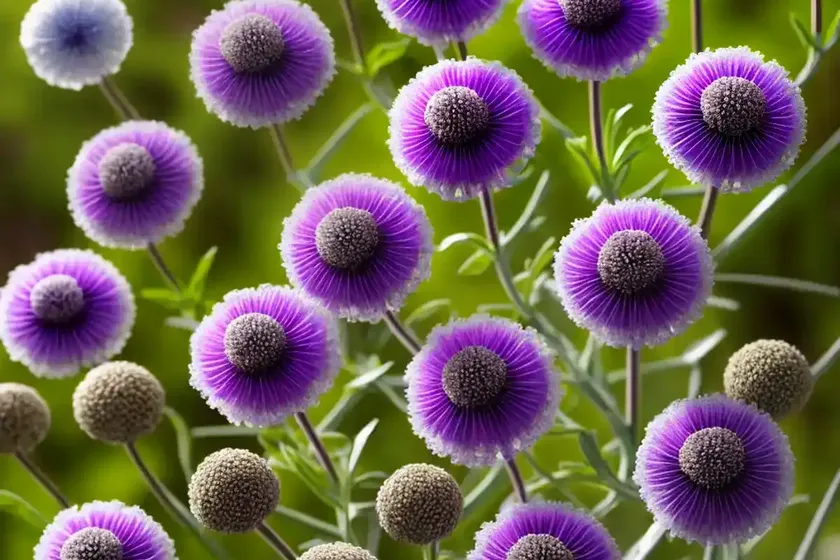
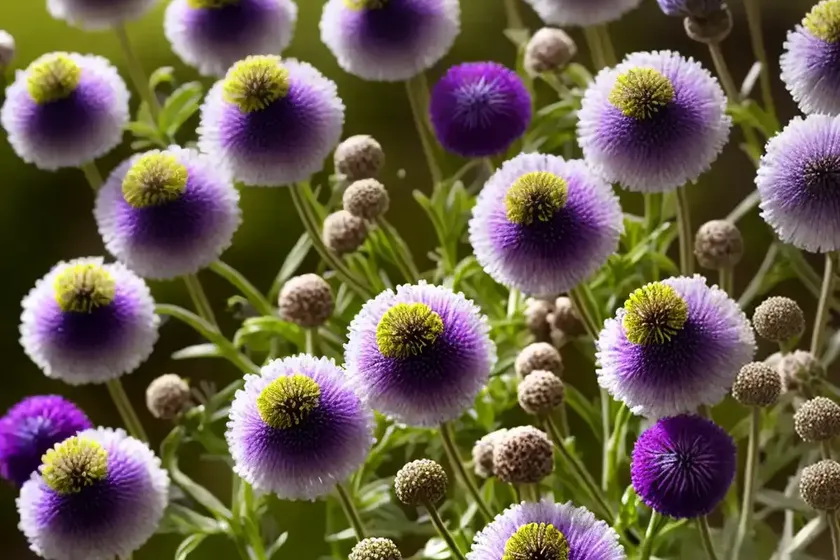
Pincushion flowers, scientifically known as Scabiosa caucasica ‘Fama,’ are charming perennials that belong to the honeysuckle family (Caprifoliaceae). These dainty flowers are also commonly referred to as the Caucasian pincushion flower and are beloved for their delicate, pincushion-like blooms that attract pollinators and add a touch of elegance to any garden or landscape. In this comprehensive guide, we will delve into the characteristics, culture, uses, maintenance, and much more about the Scabiosa caucasica ‘Fama.’
What is the Pincushion Flower (Scabiosa caucasica ‘Fama’)?
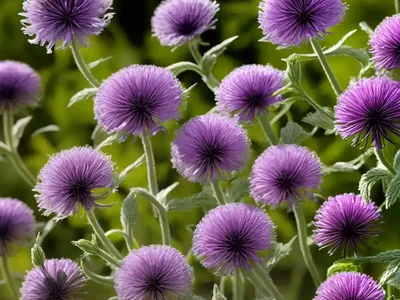
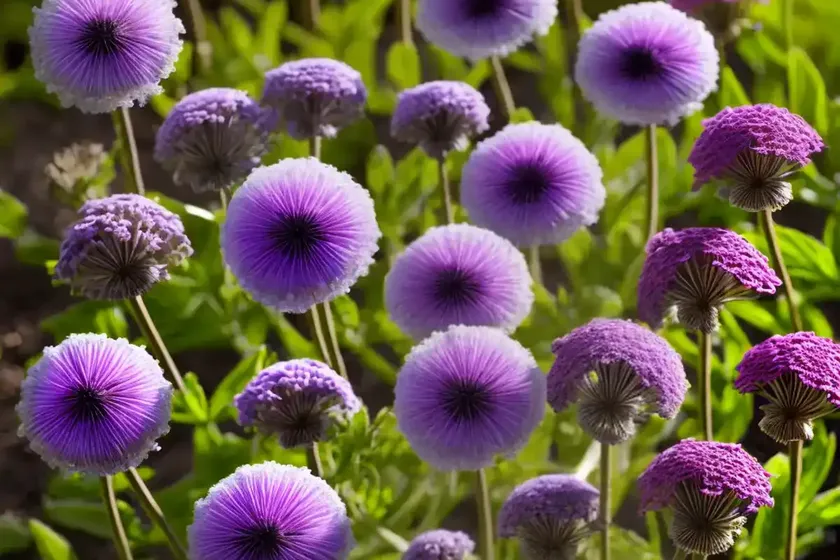
Scabiosa caucasica ‘Fama’ is a clump-forming herbaceous perennial that originates from the Caucasus region. It produces intricate, pincushion-shaped flowers in various shades of blue, lilac, and lavender, making it a popular choice for both formal and cottage-style gardens. This stunning plant typically blooms from late spring through the summer, attracting butterflies and bees with its nectar-rich blossoms.
The ‘Fama’ variety, in particular, is renowned for its larger flower heads and extended bloom time, making it a favored selection among gardeners and landscape enthusiasts. Its long-lasting, frilly flowers are held on sturdy stems that rise above a mound of deeply-lobed, dark green foliage, creating an enchanting display in borders, containers, and cutting gardens.
Key Takeaways – Pincushion Flower (Scabiosa caucasica ‘Fama’)
Before we delve into the specific aspects of the culture and maintenance of Scabiosa caucasica ‘Fama,’ here are some key takeaways about this enchanting plant:
- Scientific Name: Scabiosa caucasica ‘Fama’
- Common Name: Pincushion Flower, Caucasian Pincushion Flower
- Plant Type: Herbaceous Perennial
- Bloom Time: Late Spring to Summer
- Bloom Color: Blue, Lilac, Lavender
- Sunlight: Full Sun to Partial Shade
- Soil Type: Well-drained, Fertile Soil
- Watering: Moderate
- Uses: Borders, Containers, Cutting Gardens, Pollinator Gardens
- Special Features: Attracts Butterflies and Bees
- Growth Habit: Clump-forming, Upright
- Hardiness Zone: USDA Zones 3-8
Now that we have a general overview of Scabiosa caucasica ‘Fama,’ let’s explore its culture, uses, and maintenance requirements in more detail.
Culture of the Pincushion Flower (Scabiosa caucasica ‘Fama’)
Cultivating the Scabiosa caucasica ‘Fama’ requires an understanding of its specific cultural needs, including water, sunlight, soil, and fertilization requirements. By providing the optimal growing conditions, you can ensure that this delightful plant thrives and graces your garden with its captivating blooms.
Water
Proper watering is essential for the health and vigor of the Pincushion Flower. While it appreciates consistent moisture, it is crucial to avoid waterlogged conditions, as this can lead to root rot and other detrimental effects. The key is to maintain moderately moist soil, allowing the top inch to dry out between waterings. During periods of prolonged drought, supplemental watering may be necessary to support healthy growth and flowering.
Sunlight
Scabiosa caucasica ‘Fama’ thrives in full sun to partial shade. In regions with hot summers, providing some afternoon shade can help protect the plant from excessive heat and prevent the flowers from fading too quickly. When grown in partial shade, it is essential to ensure that the plant receives at least 4-6 hours of direct sunlight daily to promote robust growth and prolific flowering.
Fertilizer
Applying a balanced fertilizer in early spring can help provide the nutrients necessary for strong growth and abundant blooms. A slow-release or organic fertilizer that is rich in phosphorus can support the development of healthy roots and vibrant flowers. Be cautious not to over-fertilize, as this can encourage excessive foliage growth at the expense of flowering.
Soil
Scabiosa caucasica ‘Fama’ thrives in well-drained, fertile soil with a slightly acidic to neutral pH. Amending the soil with organic matter, such as compost or well-rotted manure, can enhance its fertility and structure, promoting optimal growing conditions for the plant. Additionally, incorporating a layer of mulch around the base of the plant can help retain soil moisture and suppress weed growth.
Uses of the Pincushion Flower (Scabiosa caucasica ‘Fama’)
The versatile nature of Scabiosa caucasica ‘Fama’ extends to its various uses in gardens, landscapes, and floral arrangements. Whether you are seeking a captivating border plant, a charming addition to container gardens, or a source of elegant cut flowers, the Pincushion Flower offers a multitude of possibilities.
Border Plant
The Pincushion Flower makes an exquisite addition to borders, where its delicate blooms and attractive foliage can create a soft, romantic ambiance. Whether planted in drifts or interspersed among other perennials and annuals, the ‘Fama’ variety contributes a delightful and visually appealing presence to garden borders, drawing admiration from onlookers and pollinators alike.
Container Gardens
The compact nature of Scabiosa caucasica ‘Fama’ makes it well-suited for container gardens. Its charming blooms add a touch of whimsy and elegance to patio planters, window boxes, and other container arrangements. Whether used on its own or combined with complementary plants, the Pincushion Flower brings a sense of refinement to outdoor living spaces and provides a focal point for admiration.
Cutting Gardens
As a cut flower, the Scabiosa caucasica ‘Fama’ is a true gem. Its long, wiry stems and enduring blooms lend themselves to stunning cut flower arrangements, whether used alone or mixed with other garden favorites. Harvesting the blossoms for bouquets not only allows you to enjoy their beauty indoors but also encourages the plant to produce more flowers, extending the floral display in the garden.
Pollinator Gardens
The nectar-rich blooms of Scabiosa caucasica ‘Fama’ have a strong appeal to pollinators, particularly butterflies and bees. By incorporating this plant into pollinator-friendly gardens, you can provide a valuable food source for these beneficial insects while adding a captivating visual element to the landscape. Observing the flurry of activity as butterflies and bees visit the pincushion flowers can be a rewarding experience for any nature enthusiast.
Pruning of the Pincushion Flower (Scabiosa caucasica ‘Fama’)
Proper pruning is important for maintaining the health, appearance, and longevity of the Pincushion Flower. By following appropriate pruning techniques, you can help promote continuous flowering, prevent self-seeding, and rejuvenate the plant for vigorous growth in the following seasons.
Deadheading
Regular deadheading, the removal of spent blooms, is crucial for encouraging the Pincushion Flower to continue producing new flowers. This practice prevents the plant from exerting its energy into seed production and redirects its resources into generating additional blooms. As each flower head starts to fade, simply snip it off just above a set of healthy leaves or a side shoot to stimulate further flowering.
Cutting Back
In regions with mild winters, cutting back the foliage of Scabiosa caucasica ‘Fama’ in the fall can help tidy up the plant and prevent it from becoming unsightly over the winter months. Trimming back the spent foliage to a few inches above the ground can also protect the plant from potential diseases and reduce the risk of overwintering pests.
Dividing
Every few years, dividing mature clumps of Scabiosa caucasica ‘Fama’ can revitalize the plant, promote better flowering, and prevent overcrowding. This is typically done in the early spring, before new growth begins. Gently dig up the clump, separate the sections, and replant the divisions in well-prepared soil, ensuring that each division has ample roots and foliage.
Propagation of the Pincushion Flower (Scabiosa caucasica ‘Fama’)
Propagating the Pincushion Flower allows you to expand your garden’s floral display and share the beauty of this enchanting plant with others. While it can be propagated from seed, division is the preferred method for maintaining the characteristics of the ‘Fama’ variety.
Division
As mentioned earlier, dividing mature clumps of Scabiosa caucasica ‘Fama’ serves as an effective method for propagation. By carefully lifting and dividing the plant during the early spring, you can create new plants and rejuvenate the existing ones. Each division should have a healthy root system and ample foliage to support its growth.
Seed Propagation
If you decide to propagate the Pincushion Flower from seed, it is important to note that the resulting plants may not necessarily retain the exact characteristics of the parent plant, particularly in the case of hybrid varieties like ‘Fama.’ However, if you wish to experiment with seed propagation, collecting the seeds from mature flower heads and sowing them in well-prepared soil in the spring can be an engaging horticultural endeavor.
Container Culture of the Pincushion Flower (Scabiosa caucasica ‘Fama’)
Growing Scabiosa caucasica ‘Fama’ in containers offers an opportunity to enjoy its captivating blooms in a more confined space, such as a patio, deck, or balcony. The compact habit and charming display of the Pincushion Flower make it an ideal candidate for container culture, allowing you to introduce its beauty to various outdoor settings.
Container Selection
When selecting a container for the Pincushion Flower, opt for a pot that offers ample room for the plant’s roots to spread and develop. The container should also have drainage holes to prevent waterlogging and maintain a healthy root environment. A spacious and sturdy pot will provide the necessary stability for the plant and allow it to thrive in a contained space.
Potting Mix
Using a high-quality, well-draining potting mix is essential for container-grown Scabiosa caucasica ‘Fama.’ A mix that consists of organic matter, such as compost, peat moss, and perlite, can provide the necessary nutrients and aeration for healthy root growth. Ensure that the potting mix retains moisture without becoming waterlogged, as proper soil moisture is critical for the overall well-being of the plant.
Watering in Containers
Container-grown plants typically require more frequent watering than those in the ground, as the limited soil volume can lead to quicker drying out. It is important to monitor the soil moisture regularly and water the Pincushion Flower when the top inch of the potting mix feels dry to the touch. During hot and dry periods, the plant may require more frequent watering to sustain its vitality.
Positioning
Place the container with Scabiosa caucasica ‘Fama’ in a location that receives ample sunlight, ideally in a spot with at least 6 hours of direct sun daily. If intense afternoon sun is a concern in your region, providing some partial shade during the hottest part of the day can benefit the plant and help prolong the vibrancy of the flowers. Proper positioning of the container can contribute to the overall health and flowering performance of the Pincushion Flower.
Popularity of the Pincushion Flower (Scabiosa caucasica ‘Fama’)
The Scabiosa caucasica ‘Fama’ enjoys widespread popularity among gardeners and landscape enthusiasts, owing to its captivating blooms, versatility, and ease of cultivation. Its charming presence in the garden, coupled with its appeal to pollinators and suitability for various uses, has positioned the Pincushion Flower as a favored choice for adding elegance and allure to outdoor spaces.
The ‘Fama’ variety, in particular, has gained prominence for its larger, showier flower heads and extended bloom time, making it a sought-after selection for those seeking a standout performer in their gardens. Its reliability, low maintenance requirements, and ability to thrive in diverse growing conditions further contribute to its enduring popularity among both novice and seasoned gardeners.
Common Diseases and Disease Diagnosis
Despite its overall resilience, Scabiosa caucasica ‘Fama’ is susceptible to certain diseases that can affect its health and appearance. Understanding the common diseases and their symptoms is crucial for timely diagnosis and effective management to safeguard the well-being of the Pincushion Flower.
Powdery Mildew
Powdery mildew is a prevalent fungal disease that can afflict Scabiosa caucasica ‘Fama,’ particularly during periods of high humidity and poor air circulation. This disease presents as a powdery, white coating on the leaves and stems, which can eventually lead to leaf distortion and decline in plant vigor. To prevent powdery mildew, ensure proper spacing between plants, avoid overhead watering, and provide adequate ventilation around the plant.
Crown and Root Rot
Excessive moisture and poorly drained soil can predispose the Pincushion Flower to crown and root rot, which can cause wilting, yellowing foliage, and overall decline. To mitigate the risk of rot diseases, it is essential to maintain well-drained soil, avoid overwatering, and implement good cultural practices to promote healthy root development.
Leaf Spot
Leaf spot diseases, caused by various fungal pathogens, can manifest as dark or discolored spots on the foliage of Scabiosa caucasica ‘Fama.’ These spots may enlarge and coalesce, leading to premature leaf drop and reduced aesthetic appeal. Practicing good garden hygiene, such as removing and disposing of infected plant debris, can help prevent the spread of leaf spot diseases.
Pest Infestations
While not a disease per se, pest infestations can significantly impact the health and appearance of the Pincushion Flower. Common pests, such as aphids, spider mites, and thrips, can feed on the plant’s sap, causing stunted growth, distorted foliage, and a decline in flowering. Monitoring the plant regularly for signs of pest activity and promptly addressing any infestations can help safeguard the plant’s vitality.
Common Pests of the Pincushion Flower (Scabiosa caucasica ‘Fama’)
In addition to diseases, Scabiosa caucasica ‘Fama’ may be susceptible to attacks from various pests that can affect its overall health and flowering performance. Understanding the common pests and their control methods is essential for preserving the resilience and appeal of the Pincushion Flower.
Aphids
Aphids are small, sap-sucking insects that can colonize the tender new growth of Scabiosa caucasica ‘Fama,’ causing the leaves to yellow and distort. These pests reproduce rapidly, so early intervention is crucial to prevent their population from reaching damaging levels. Spraying the affected plant with a strong stream of water or applying insecticidal soap can help mitigate aphid infestations.
Spider Mites
Spider mites are tiny, arachnid pests that can congregate on the undersides of leaves, where they feed on the plant’s sap, leading to stippling, webbing, and reduced vigor. In hot, dry conditions, spider mite populations can proliferate rapidly, necessitating prompt intervention. Regularly spraying the plant with water and applying horticultural oil can help manage spider mite infestations and prevent their spread.
Thrips
Thrips are slender, winged insects that can cause stippling, silvering, and distortion of the foliage of Scabiosa caucasica ‘Fama’ as they feed. These pests are often challenging to control due to their small size and ability to hide in flower buds and crevices. Applying insecticidal soap or neem oil can help suppress thrip populations and protect the plant from their detrimental effects.
Botanist’s Tips for Growing Pincushion Flowers
To ensure the successful cultivation of Scabiosa caucasica ‘Fama’ and maximize its ornamental value in the garden, consider the following tips and recommendations from botanists and horticultural experts:
-
Promote Adequate Air Circulation: Providing sufficient air circulation around the Pincushion Flower can help reduce the risk of fungal diseases and maintain the plant’s overall health. Avoid overcrowding and allow for proper spacing between plants to facilitate good air movement.
-
Monitor Soil Moisture: Regularly check the soil moisture around the plant to ensure it remains moderately moist without becoming waterlogged. Adjust the frequency and volume of irrigation based on environmental conditions and the plant’s specific requirements.
-
Remove Spent Flowers Promptly: Deadheading the faded blooms of the Pincushion Flower as they decline can encourage the plant to continue producing new flowers and extend the blooming period throughout the season.
-
Supporting Pollinators: Encouraging pollinators, such as butterflies and bees, to visit the Pincushion Flower by incorporating other nectar-rich plants in the vicinity can create a thriving ecosystem and contribute to the plant’s overall success and sustainability.
-
Seasonal Maintenance: Implementing routine maintenance tasks, such as pruning, dividing, and fertilizing, at the appropriate times can help keep the Pincushion Flower vigorous and primed for abundant flowering.
Fun Facts about the Pincushion Flower (Scabiosa caucasica ‘Fama’)
Delight in these interesting and delightful facts about Scabiosa caucasica ‘Fama’ that further accentuate its charm and allure as a garden favorite:
- The common name “Pincushion Flower” is derived from the resemblance of the flower heads to pincushions used in sewing, owing to their intricate, button-like appearance.
- Scabiosa caucasica ‘Fama’ is a magnet for butterflies and bees, making it a valuable addition to pollinator-friendly gardens and landscapes.
- The ‘Fama’ variety of Pincushion Flower exhibits exceptional vigor and an extended bloom time, offering an enduring floral display in the garden.
- The captivating flowers of the Pincushion Flower are well-suited for being included in cut flower arrangements, adding elegance and sophistication to floral designs.
- In folklore, Pincushion Flowers were believed to possess medicinal properties, with various parts of the plant being used in traditional herbal remedies and tinctures.
Links to External Resources
For additional information, inspiration, and resources related to Scabiosa caucasica ‘Fama’ and Pincushion Flowers in general, consider exploring the following external links and references:
- Royal Horticultural Society (RHS) – Scabiosa caucasica ‘Fama’
- Missouri Botanical Garden – Scabiosa caucasica
- American Horticultural Society – Pincushion Flower Care Guide
- University of Maryland Extension – Perennials for Pollinators
- North Carolina State University Extension – Plant Disease and Insect Clinic
- The National Gardening Association – Growing Pincushion Flowers
As you embark on your journey of cultivating and appreciating the beauty of Scabiosa caucasica ‘Fama,’ may these resources serve as valuable references and inspiration for creating a captivating garden and landscape adorned with the enchanting Pincushion Flower.
In conclusion, the Pincushion Flower (Sc