Strawberry (Fragaria ‘Cavendish’): A Comprehensive Guide
Introduction
Strawberry, scientifically known as Fragaria ‘Cavendish’, is a popular and delightful fruit that is enjoyed by many across the globe. This incredible plant is not only cherished for its sweet, juicy fruits but also for its ornamental value. From its rich history to its essential cultivation tips, this guide will cover everything you need to know about growing and caring for strawberry plants.
Key Takeaways
Fragaria ‘Cavendish’:
- Scientific Name: Fragaria ‘Cavendish’
- Common Name: Strawberry
- Species: Fragaria
- Variety: Cavendish
- Hardiness Zone: 4-8
Let us dive deeper into the specifics of cultivating and caring for the Fragaria ‘Cavendish’ plant.
Plant Overview
Strawberry (Fragaria ‘Cavendish’) is a member of the Rosaceae family and one of the most popular cultivated fruits worldwide. Its botanical name, Fragaria, is derived from the Latin word “fragrans,” meaning fragrant, which perfectly encapsulates the sweet aroma and flavor of its fruits. The ‘Cavendish’ variety, in particular, is highly regarded for its exceptional taste and attractive appearance.
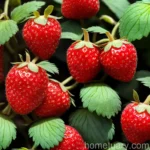
The Fragaria ‘Cavendish’ plant is a low-growing perennial that produces white or pink flowers followed by delicious red fruits. It is an ideal plant for home gardens, container gardening, or commercial cultivation. This guide will provide insights into the culture, uses, and essential care tips for this delightful plant.
Culture
Strawberries, including the ‘Cavendish’ variety, have been cultivated for centuries and hold a special place in horticultural practices and culinary traditions. Understanding the cultural requirements of the plant is vital for ensuring a bountiful harvest and maintaining its overall health and vigor.
Uses
Strawberries are incredibly versatile and can be used in various culinary applications, including:
- Fresh Consumption: The delectable fruits are enjoyed fresh, showcasing their juicy texture and sweet flavor.
- Culinary Delights: Strawberries are used in an array of recipes, including jams, desserts, smoothies, and salads, adding a burst of flavor and vibrant color.
- Medicinal Purposes: Some studies have shown that strawberries may possess medicinal properties, offering potential health benefits due to their antioxidant content and nutrient profile.
Water
Adequate irrigation is crucial for the healthy growth of strawberry plants, especially during the fruiting stage. The water requirements may vary based on the climate, soil moisture retention, and the plant’s developmental stage. It is essential to maintain moist, well-drained soil to support optimal fruit development and prevent water-related stress.
Sunlight
Strawberry plants thrive in full sun, requiring at least 6-8 hours of direct sunlight daily for robust growth and fruit production. Adequate sunlight helps in enhancing the sugar content in the fruits, intensifying their flavor, and promoting overall plant vigor.
Fertilizer
Effective fertilization practices are essential for supplying the necessary nutrients to the Fragaria ‘Cavendish’ plant and promoting vigorous growth and fruit development. A balanced fertilizer, with a focus on potassium for fruit development, should be applied at specific intervals to ensure optimal plant health.
Soil
The Fragaria ‘Cavendish’ plant thrives in well-draining, loamy soil with a slightly acidic to neutral pH (pH 5.5-6.5). Good soil structure and fertility are crucial for the plant’s overall health and productivity. Amending the soil with organic matter, such as compost or well-rotted manure, can enhance its texture and nutrient content, creating an ideal growing environment for the strawberry plant.
Pruning
Pruning is an important cultural practice for managing the growth of strawberry plants and enhancing their productivity. Regular removal of runners, old leaves, and spent flower clusters promotes better air circulation, reduces disease incidence, and focuses the plant’s energy on fruit production.
Propagation
Strawberry plants can be propagated through various methods, including:
- Runners: The plant naturally produces runners that can be rooted to create new plantlets.
- Division: Mature plants can be divided to create new individuals.
- Crown Division: Carefully dividing the crown of a mature plant can result in new plants.
Container Popularity
Strawberries, including the ‘Cavendish’ variety, are highly adaptable to container gardening. Their compact growth habit and ornamental value make them perfect for growing in pots, hanging baskets, or window boxes. Container cultivation allows individuals with limited garden space to enjoy the pleasures of growing their own strawberries.
Common Diseases
Strawberry plants, like many other crops, are susceptible to various diseases that can impact their growth and fruit production. It is essential for growers to be vigilant and implement effective management strategies to prevent and control disease outbreaks.
Disease Diagnosis
Some common diseases that affect strawberry plants, including the ‘Cavendish’ variety, include:
- Powdery Mildew (Sphaerotheca macularis): This fungal disease manifests as a powdery, white coating on the leaves, stems, and fruits, leading to stunted growth and reduced fruit quality.
- Botrytis Fruit Rot (Botrytis cinerea): Also known as gray mold, this disease causes the development of fuzzy, gray mold on the fruits, often leading to fruit decay and loss.
- Anthracnose (Colletotrichum spp.): Anthracnose can result in sunken, dark lesions on the fruits and foliage, leading to fruit rot and plant decline.
Proper disease diagnosis and identification are crucial for implementing targeted control measures, including cultural, biological, and chemical strategies, to effectively manage these diseases and preserve plant health.
Common Pests
In addition to diseases, strawberry plants can also be impacted by various pests that can cause damage to the foliage, flowers, and fruits. Understanding the common pests and their behaviors is essential for implementing integrated pest management strategies to protect the plants and ensure a healthy harvest.
Botanist’s Tips
Incorporating beneficial insects, such as ladybugs and lacewings, and practicing crop rotation can help in naturally controlling pest populations and reducing the reliance on chemical interventions. Additionally, frequent monitoring and early detection of pest infestations are critical for implementing timely control measures and preventing significant damage to the plants.
Fragaria ‘Cavendish’ Characteristics
Botanical Features
The Fragaria ‘Cavendish’ plant exhibits the following characteristics:
- Plant Type: Perennial herb
- Foliage: Compound leaves consisting of three leaflets with toothed margins
- Flowers: White or pink, five-petaled flowers produced on long, slender stalks
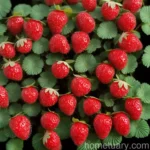
- Fruits: Bright red, fleshy, accessory fruits (achenes) that are embedded in the fleshy receptacle, known as the strawberry
Growth Habit
- Size: The ‘Cavendish’ variety typically forms compact, low-growing mounds, making it suitable for ground cover and container cultivation.
- Growth Rate: The plant exhibits a relatively rapid growth rate, especially during the active growing season.
Fruit Characteristics
- Flavor: The fruits are renowned for their sweet, aromatic flavor, making them an ideal choice for fresh consumption and culinary applications.
- Size: ‘Cavendish’ strawberries are medium to large in size, offering substantial fruit yield per plant.
Fun Facts
Did you know?
- The Fragaria ‘Cavendish’ plant is not only valued for its fruits but also for its ornamental appeal, making it a popular choice for landscaping and garden borders.
- Strawberries are unique in that the seeds are on the outside of the fruit, with each seed representing a separate ovary of the flower.
- The Fragaria ‘Cavendish’ plant has a fascinating life cycle, progressing from seed germination to vigorous vegetative growth, flowering, fruit set, and eventual dormancy in colder climates.
Links to External Resources
For further exploration and in-depth information on Fragaria ‘Cavendish’ and strawberry cultivation, the following external resources are highly valuable:
– University of California: Strawberries in the Garden (PDF)
– Royal Horticultural Society: Growing Strawberries
As you delve deeper into the world of strawberry cultivation, these resources will serve as indispensable references, offering insights from renowned horticultural experts and researchers.
In conclusion, the Fragaria ‘Cavendish’ plant, commonly known as strawberry, is a delightful and rewarding addition to any garden, providing a bountiful harvest of luscious fruits and ornamental beauty. By understanding its cultural needs, disease and pest management strategies, and unique characteristics, enthusiasts and commercial growers can fully appreciate and harness the potential of this exceptional plant. Whether you are a novice gardener or an experienced horticulturist, the Fragaria ‘Cavendish’ plant offers endless opportunities for enjoyment and appreciation, both in the garden and at the dining table. With its rich history, delectable fruits, and cultural significance, the strawberry continues to captivate and inspire individuals around the world.