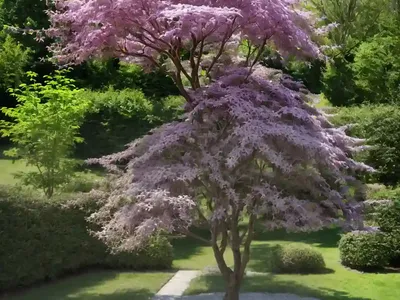
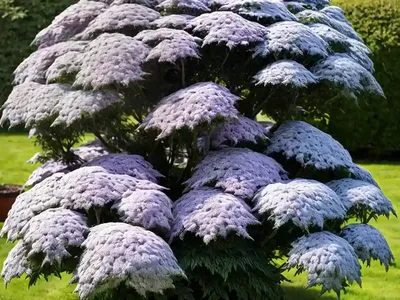
Black Elder (Sambucus Nigra ‘Eva’ BLACK LACE)
The Black Elder (Sambucus nigra ‘Eva’ BLACK LACE) is a striking deciduous shrub, known for its dramatic, dark foliage and captivating, delicate flowers..
Introduction to the Black Elder (Sambucus nigra ‘Eva’ BLACK LACE)
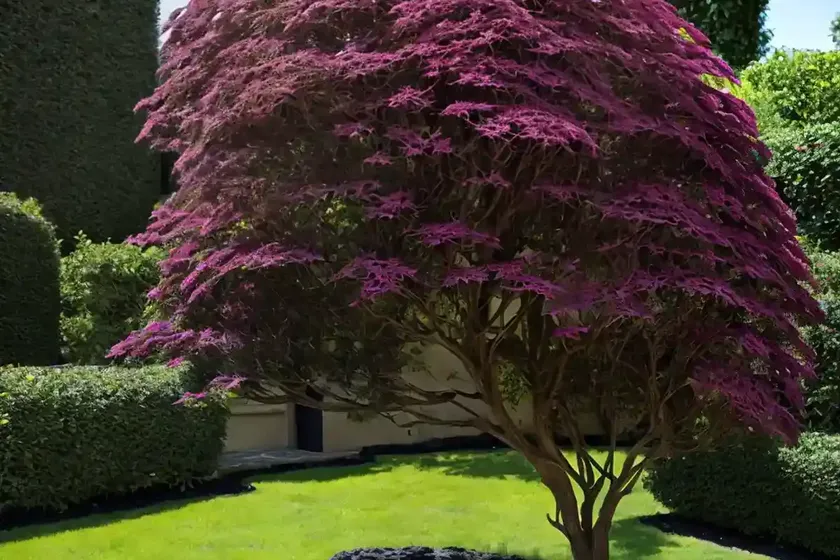
The Black Elder (Sambucus nigra ‘Eva’ BLACK LACE) is a striking deciduous shrub, known for its dramatic, dark foliage and captivating, delicate flowers. Its botanical name, Sambucus nigra, pays homage to the different ancient uses of this plant, emphasizing its multifaceted nature.
In this comprehensive guide, we will explore the various aspects of this remarkable plant, including its cultivation, uses, benefits, and potential challenges. Whether you are an experienced gardener or a newcomer to the world of horticulture, the Black Elder will undoubtedly captivate your interest and enrich your gardening endeavors.
Key Takeaways – Black Elder (Sambucus nigra ‘Eva’ BLACK LACE)
Throughout this guide, we will delve into the following key aspects of the Black Elder:
- Culture: Understanding the preferred conditions for optimal growth and development.
- Uses: Exploring the diverse applications of the Black Elder, ranging from culinary to medicinal.
- Water: Discussing the plant’s water requirements for maintaining health and vigor.
- Sunlight: Highlighting the preferred sunlight conditions and potential implications of light exposure.
- Fertilizer: Recommendations for enhancing growth and bolstering the plant’s resilience through proper nutrition.
- Soil: Understanding the soil composition and how it directly impacts the Black Elder’s well-being.
- Pruning: Guidance on essential pruning techniques to shape the plant and promote an abundance of blossoms and fruit.
- Propagation: Exploring the various methods for propagating the Black Elder.
- Container: Insights into cultivating the Black Elder in containers, offering a versatile approach for different gardening scenarios.
- Popularity: Examining the reasons for the increasing popularity of this distinguished plant.
- Common Diseases: Identifying potential diseases and discussing proactive measures for disease prevention and management.
- Common Pests: Recognizing common pests that may affect the Black Elder and strategies for effective pest control.
- Botanist’s Tips: Sharing expert tips and tricks for cultivating and maintaining the Black Elder.
- Fun Facts: Unearthing interesting and lesser-known facts about the Black Elder to deepen our appreciation for this botanical wonder.
Now, let’s embark on an enlightening journey through the intricacies of the Black Elder, gaining insights that will inspire awe and admiration for this extraordinary plant.
What is Black Elder (Sambucus nigra ‘Eva’ BLACK LACE)?
The Black Elder (Sambucus nigra ‘Eva’ BLACK LACE), a member of the Adoxaceae family, is a captivating deciduous shrub that boasts an array of enchanting features, making it a desirable addition to gardens and landscapes around the world. This plant is esteemed for its rich history, versatile uses, and ornamental value.
Description and Characteristics
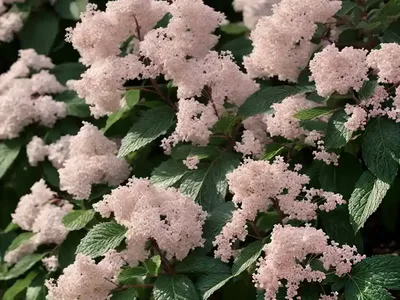
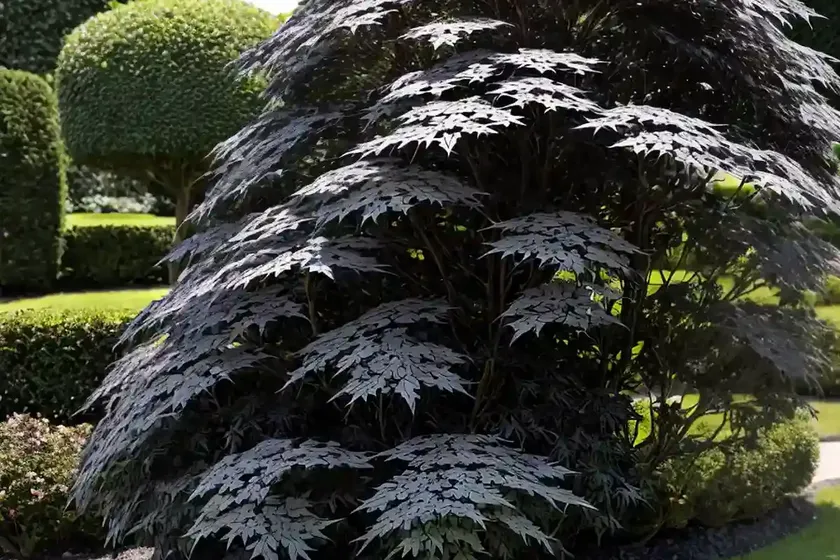
The Black Elder is characterized by its distinctive dark foliage and delicate clusters of creamy-pink flowers, which give way to deep, purplish-black berries. The Eva cultivar, known as “Black Lace,” is particularly revered for its deeply incised, lacy leaves which create a striking contrast against the light-colored flowers and dark berries. This cultivar’s mesmerizing appearance adds a touch of elegance and sophistication to any garden or landscape, making it an esteemed choice for discerning gardeners and landscape designers.
Botanical Specifications
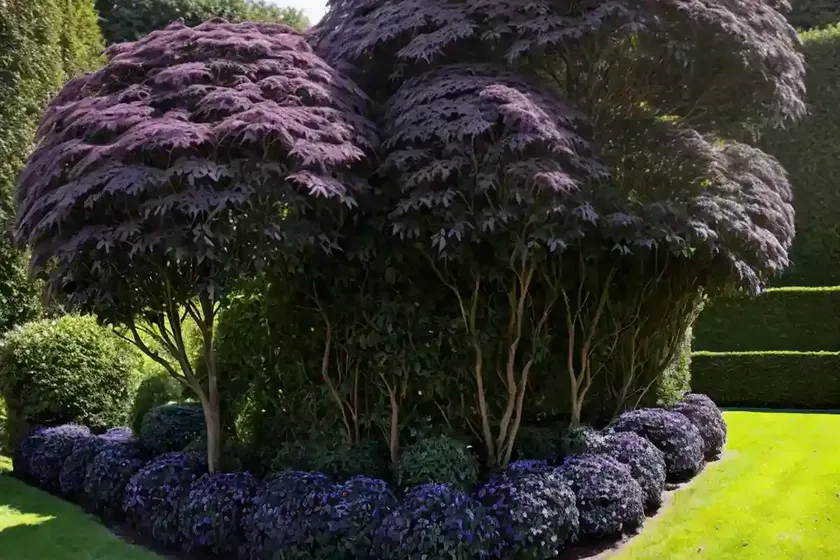
The Sambucus nigra ‘Eva’ BLACK LACE variety typically reaches a height and spread of approximately 6-8 feet, creating a commanding presence within its designated space. Adorned with an abundance of lush foliage and captivating blooms, the Black Elder exemplifies the epitome of natural beauty.
Historical and Cultural Significance
The Black Elder holds profound historical and cultural significance, with a legacy dating back centuries. Across various cultures, this remarkable plant has been revered for its culinary, medicinal, and ornamental qualities. The rich tapestry of traditions and folklore associated with the Black Elder reflects its enduring impact on human societies throughout the ages.
Culture
Water
The Black Elder thrives in moist, well-drained soil, making sufficient water availability essential for its prosperity. However, it is equally important to avoid waterlogged conditions, as excessive moisture can lead to root rot and other detrimental effects. Understanding the plant’s water requirements is crucial for maintaining its health and vigor.
Watering Recommendations for Black Elder (Sambucus nigra ‘Eva’ BLACK LACE)
-
Establishment Phase: During the initial establishment phase, newly planted Black Elders require regular, deep watering to foster robust root development and ensure their successful acclimatization to their new environment.
-
Mature Plants: Once the Black Elder is established, it is beneficial to maintain a consistent watering regimen, particularly during dry spells or prolonged periods of minimal rainfall.
-
Monitoring Moisture Levels: Regularly assessing the moisture levels in the soil is imperative. By adopting a proactive approach to watering, one can avert the perils of both drought stress and waterlogged conditions.
Sunlight
The Black Elder exhibits a preference for locations offering full sunlight to partial shade, showcasing its adaptability to various light conditions. While the plant flourishes in full sunlight, it can also thrive in partially shaded areas, making it a versatile choice for a wide range of garden settings. Understanding the plant’s light requirements is fundamental for optimizing its growth and vitality.
Sunlight Guidelines for Black Elder (Sambucus nigra ‘Eva’ BLACK LACE)
-
Optimal Sun Exposure: Providing the Black Elder with ample sunlight fosters robust growth, abundant flowering, and bountiful fruit production. When situated in areas with partial shade, the plant will continue to thrive, albeit with potential adjustments in its growth and flowering patterns.
-
Adapting to Environmental Conditions: Throughout the growing season, monitoring the plant’s response to sunlight exposure offers valuable insights into its specific needs, enabling gardeners to make informed decisions regarding its placement and care routine.
Fertilizer
Applying a balanced and appropriate fertilizer is crucial for promoting the Black Elder’s overall health, vigor, and productivity. By supplying essential nutrients, the plant can unleash its full potential, producing an exuberance of foliage, blossoms, and fruit. Understanding the fundamentals of fertilization empowers gardeners to support the Black Elder’s growth and well-being.
Fertilization Practices for Black Elder (Sambucus nigra ‘Eva’ BLACK LACE)
-
Nutrient Requirements: The Black Elder benefits from a well-balanced, slow-release fertilizer, rich in nitrogen, phosphorus, and potassium. Additionally, supplementing with organic matter, such as compost and well-rotted manure, provides a natural and enriching source of nutrients.
-
Seasonal Applications: Administering fertilizer in early spring, before the onset of new growth, and again in late spring can fortify the plant’s vitality and bolster its capacity to flourish.
-
Cautionary Measures: It is imperative to follow recommended dosage guidelines and refrain from over-fertilization, which can lead to adverse effects on the plant’s health and may potentially disrupt its natural growth patterns.
Soil
The Black Elder demonstrates a preference for fertile, well-drained soil with a slightly acidic to neutral pH range. The composition and quality of the soil directly impact the plant’s ability to thrive, emphasizing the significance of understanding its soil requirements and making informed decisions regarding soil preparation and maintenance.
Optimal Soil Conditions for Black Elder (Sambucus nigra ‘Eva’ BLACK LACE)
-
Well-Drained Soil: Ensuring adequate soil drainage is paramount for preventing waterlogging and safeguarding the plant against root-related issues. Amending heavy clay soils with organic matter can improve their drainage capacity, creating a hospitable environment for the Black Elder.
-
Soil pH: A slightly acidic to neutral pH range of 5.5-7.0 is ideal for the Black Elder, fostering optimal nutrient uptake and overall physiological functions essential for its well-being.
-
Soil Preparation: Prior to planting, preparing the soil by incorporating organic matter, such as compost, enriches its fertility and sets the stage for a favorable growing environment.
Pruning
Pruning plays a pivotal role in shaping the Black Elder and maximizing its ornamental and productive potential. By employing appropriate pruning techniques, one can enhance the plant’s aesthetic appeal, stimulate vigorous growth, and manage its overall size and structure.
Pruning Guidelines for Black Elder (Sambucus nigra ‘Eva’ BLACK LACE)
-
Timing: Pruning is best conducted during the dormant season, typically in late winter or early spring, before new growth emerges. This timing minimizes the disruption to the plant’s natural growth cycles and promotes optimal regrowth.
-
Deadwood Removal: Eliminating dead, damaged, or diseased wood rejuvenates the plant and safeguards its health, preventing potential disease spread and enhancing its visual appeal.
-
Thinning and Shaping: Thinning out crowded areas and shaping the plant to encourage an open, well-aerated canopy fosters optimal air circulation and sunlight penetration, mitigating the risk of disease and enhancing flowering and fruiting.
Propagation
The Black Elder can be propagated through various methods, offering gardeners the flexibility to propagate new plants and expand their collection. Understanding the different propagation techniques equips individuals with the knowledge to propagate the Black Elder successfully, thereby perpetuating its legacy and sharing its beauty with others.
Propagation Methods for Black Elder (Sambucus nigra ‘Eva’ BLACK LACE)
-
Softwood Cuttings: Propagating the Black Elder from softwood cuttings, typically harvested in early summer, presents an effective and straightforward means of propagating new plants.
-
Hardwood Cuttings: Harvesting hardwood cuttings in late autumn or early winter provides another avenue for propagating the Black Elder, offering resilience and adaptability in the propagation process.
-
Division: Dividing established Black Elder plants allows for the creation of new, independent plants, fostering the expansion of the plant’s presence within the garden and beyond.
Container Cultivation
Cultivating the Black Elder in containers presents a versatile and adaptable approach for incorporating this remarkable plant into diverse settings, including patios, balconies, and small gardens. Container gardening offers a myriad of opportunities for individuals to introduce the captivating beauty of the Black Elder into their immediate surroundings.
Container Cultivation Considerations for Black Elder (Sambucus nigra ‘Eva’ BLACK LACE)
-
Selection of Containers: Choosing well-draining containers of adequate size to accommodate the plant’s growth and establishment is imperative. Containers with drainage holes facilitate optimal water management, preventing potential waterlogged conditions.
-
Soil Medium: Utilizing a high-quality, well-draining potting mix ensures the plant’s nutritional and moisture needs are met, promoting healthy growth and vitality.
-
Sunlight and Watering: Situating the container in an area offering sufficient sunlight and establishing a consistent watering schedule enables the Black Elder to thrive in its containerized environment.
Uses
The Black Elder encompasses a broad spectrum of uses stemming from its culinary, medicinal, and ornamental properties. Its multifaceted nature endows this remarkable plant with a myriad of applications, enriching various facets of human life and well-being.
Culinary Applications
The Black Elder’s berries and flowers are prized for their culinary versatility, offering an array of tantalizing flavors and aromatic profiles that lend themselves to a diverse range of culinary creations.
Culinary Utilization of Black Elder (Sambucus nigra ‘Eva’ BLACK LACE)
-
Edible Berries: The purplish-black berries of the Black Elder, known for their sweet-tart flavor, are employed in the preparation of delectable jams, jellies, syrups, and beverages. Their robust flavor infuses these culinary creations with a distinctive essence, delighting the palate with their rich and complex notes.
-
Floral Infusions: Delicate elderflower infusions, often used in the preparation of beverages, desserts, and confections, impart a floral, aromatic flair, adding a layer of sophistication to culinary compositions.
-
Culinary Creativity: The Black Elder’s culinary appeal transcends traditional boundaries, inspiring innovative approaches to incorporating its berries and flowers into a wide array of culinary delights, ranging from cocktails and teas to sauces and desserts.
Medicinal Significance
For centuries, the Black Elder has been revered for its medicinal properties, offering a wealth of potential health benefits derived from its berries, flowers, and leaves. Harnessing the plant’s natural healing potential opens avenues for promoting well-being and vitality through its diverse array of medicinal applications.
Medicinal Applications of Black Elder (Sambucus nigra ‘Eva’ BLACK LACE)
-
Immune Support: The Black Elder’s berries are esteemed for their potential immune-boosting properties, supporting the body’s natural defense mechanisms and resilience. Elderberry formulations, such as syrups and tinctures, are valued for their potential in bolstering immune health.
-
Respiratory Health: Elderflower infusions have historically been utilized to support respiratory wellness, with their gentle, soothing qualities offering potential relief and comfort during times of respiratory discomfort.
-
Antioxidant Potential: The Black Elder’s berries and flowers contain valuable antioxidants, which play a pivotal role in combating oxidative stress and promoting overall health and vitality.
Ornamental Beauty
Beyond its practical applications, the Black Elder stands as an emblem of ornamental beauty, gracing gardens, landscapes, and public spaces with its captivating presence. Its enchanting foliage, delicate blooms, and bountiful berries infuse natural settings with an aura of elegance and charm.
Ornamental Significance of Black Elder (Sambucus nigra ‘Eva’ BLACK LACE)
-
Landscape Focal Point: The Black Elder serves as a striking focal point within landscapes, captivating onlookers with its dramatic, dark foliage and delicate, creamy-pink blooms. Its ornamental allure enhances the visual appeal of any setting.
-
Seasonal Interest: From the emergence of its exquisite foliage in spring to the emergence of its blossoms and berries, the Black Elder’s seasonal evolution provides a dynamic tapestry of visual interest and beauty throughout the year.
-
Wildlife Attraction: The Black Elder’s flowers and berries are renowned for their potential to attract pollinators, such as bees and butterflies, amplifying its ecological significance and contributing to the flourishing of biodiversity.
Popularity
The Black Elder, particularly the Sambucus nigra ‘Eva’ BLACK LACE variety, has garnered widespread popularity due to its distinctive attributes, versatility, and enriching contributions to various spheres of human interest. Its escalating appeal reflects an enduring appreciation for its ornamental, culinary, and medicinal significance.
Garden and Landscape Settings
Within garden and landscape settings, the Black Elder holds an esteemed place, gracing diverse environments with its elegant and alluring presence.
Garden and Landscape Appeal of Black Elder (Sambucus nigra ‘Eva’ BLACK LACE)
-
Architectural Contrast: The Black Elder’s deeply incised, lacy leaves create a captivating contrast against its light-colored flowers and dark berries, infusing landscapes with a sense of architectural drama and elegance.
-
Ornamental Versatility: Its ornamental versatility, encompassing both aesthetic and functional attributes, endows the Black Elder with diverse applications, making it an esteemed choice for designers and gardeners seeking to incorporate a touch of sophistication into their creations.
Culinary and Medicinal Relevance
The increasing recognition of the Black Elder’s culinary and medicinal potential has propelled its popularity, inspiring individuals and communities to explore its diverse applications and embrace its inherent benefits.
Culinary and Medicinal Appeal of Black Elder (Sambucus nigra ‘Eva’ BLACK LACE)
-
Culinary Creativity: The Black Elder’s culinary versatility encourages culinary enthusiasts and artisans to experiment with its berries and flowers, unraveling a world of epicurean possibilities and innovative creations.
-
Health Consciousness: In a climate of heightened health consciousness, the Black Elder’s potential health benefits have resonated with individuals seeking to incorporate natural, wholesome elements into their dietary and wellness regimens.
Horticultural and Botanical Communities
The Black Elder has captured the attention and admiration of horticulturists, landscape designers, and botanical enthusiasts, fostering a deeper appreciation for its botanical intricacies and ornamental allure.
Horticultural and Botanical Acknowledgment of Black Elder (Sambucus nigra ‘Eva’ BLACK LACE)
-
Botanical Intricacies: The Eva cultivar’s graceful form and dramatic foliage have captivated the imagination of botanical aficionados, adding an element of intrigue and enchantment to the plant’s horticultural profile.
-
Ornamental Distinction: The Black Elder’s distinction as a highly ornamental plant has garnered acclaim within horticultural circles, emphasizing its pivotal role in contributing to the diversity and beauty of cultivated landscapes.
Common Diseases
Despite its resilience, the Black Elder may be susceptible to certain diseases that can compromise its health and vigor. Recognizing common diseases afflicting the plant and being equipped with proactive strategies for disease prevention and management are essential for maintaining its well-being.
Disease Identification
The following are some of the common diseases that may affect the Black Elder:
-
Powdery Mildew (Microsphaera alphitoides): Powdery mildew manifests as a powdery, white coating on the plant’s foliage, often leading to a decline in overall vigor and aesthetic appeal.
-
Anthracnose (Discula sp.): Anthracnose can cause dieback of young shoots and lead to leaf spots, potentially impairing the plant’s photosynthetic capacity and vitality.
-
Root Rot (Phytophthora cinnamomi): Root rot, often attributed to waterlogged conditions, can result in root damage and compromise the plant’s ability to absorb vital nutrients and water.
Disease Prevention and Management
Implementing proactive measures for disease prevention and adopting effective management strategies are pivotal in safeguarding the Black Elder against potential disease threats and maintaining its optimal health.
Disease Prevention and Management Practices
-
Cultural Controls: Providing optimal growing conditions, including appropriate sunlight, moisture, and soil quality, fortifies the plant’s resilience and predisposes it towards robust health, reducing its susceptibility to diseases.
-
Regular Inspections: Periodic inspections of the plant can aid in early disease detection, enabling timely intervention and the implementation of targeted management strategies.
-
Pruning and Sanitation: Pruning away infected plant parts and practicing proper sanitation, including the removal of fallen debris, minimizes potential disease sources and impedes disease spread.
Common Pests
Various pests may pose a threat to the Black Elder, potentially compromising its growth, flowering, and overall vitality. Familiarizing oneself with common pests and their distinctive characteristics empowers gardeners to recognize potential infestations and take appropriate measures for pest control.
Pest Recognition
The following are some common pests that may affect the Black Elder:
-
Aphids: These tiny, sap-sucking insects can congregate on the plant’s foliage, causing leaf distortion and potentially transmitting viral diseases.
-
Scale Insects: Scale insects, characterized by their protective waxy covering, can infest the plant, diminishing its vigor and impacting its overall health.
-
Elderberry Borers (Desmocerus palliatus): The larvae of elderberry borers can bore into the plant’s wood, potentially causing structural damage and impeding the plant’s growth.