Sour Cherry (Prunus Cerasus)
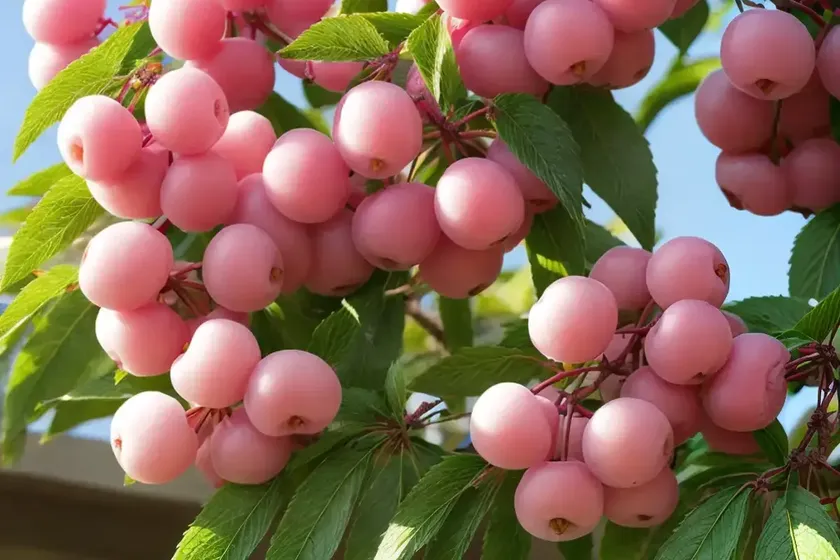
The Sour Cherry, scientifically known as Prunus cerasus, is a remarkable species characterized by its tart flavor and vivid red color. This deciduous tree.


Introduction
The Sour Cherry, scientifically known as Prunus cerasus, is a remarkable species characterized by its tart flavor and vivid red color. This deciduous tree belongs to the family Rosaceae and is well-known for its culinary and medicinal properties. In this article, we will delve into the cultural significance, uses, growth requirements, and potential benefits of the Sour Cherry tree. Furthermore, we will explore the common diseases and pests afflicting this species and uncover invaluable insights for its cultivation. By the end of this comprehensive guide, you will gain a profound understanding of this intriguing plant and develop an appreciation for its historical, folklore, and culinary relevance.
What is a Sour Cherry (Prunus cerasus)?
The Sour Cherry, also referred to as tart cherry or pie cherry, is a fruit-bearing tree native to regions of Europe and Asia Minor. It is widely cultivated for its tangy fruits, which possess a distinct acidic taste that sets them apart from the sweet cherries. The plant is recognized for its stunning display of delicate white blossoms in the spring, which later transform into clusters of vibrant red cherries during the summer months.
Key Takeaways – Sour Cherry (Prunus cerasus)
- Scientific Name: Prunus cerasus
- Common Name: Sour Cherry, Tart Cherry, Pie Cherry
- Family: Rosaceae
- Cultural Significance: Culinary, Medicinal
- Flavor: Tart, acidic
- Fruit Color: Vivid Red
- Fruit Usage: Jams, Pies, Juices, Wines
- Origin: Europe, Asia Minor
Culture
Cultivating Sour Cherry trees requires a nuanced approach to ensure optimal growth and fruit production. Understanding the cultural requirements of the plant is essential for nurturing healthy and resilient specimens.
Uses
The Sour Cherry tree boasts multifaceted uses, ranging from culinary applications to traditional medicine. Its fruits are utilized in various forms, including jams, pies, juices, and distilled into flavorful wines. Additionally, the fruit is associated with several health benefits due to its rich nutritional profile. These diverse uses make the Sour Cherry an incredibly versatile plant with significant cultural and economic relevance.
Water
Water is a fundamental requirement for the growth and development of Sour Cherry trees. Adequate and consistent watering is essential, particularly during the flowering and fruiting stages. When establishing young trees, regular watering plays a pivotal role in promoting robust root development and overall vigor. However, it is crucial to avoid waterlogged conditions, as this can lead to root rot and other detrimental effects on the plant’s health.
Sunlight
Proper sunlight exposure is vital for the optimal growth and fruiting of Sour Cherry trees. These trees thrive in full sun conditions, where they can receive at least 6-8 hours of direct sunlight per day. In regions with hot climates, providing partial shade during the intense afternoon sun can be beneficial, as it helps prevent sunburn and excessive moisture loss.
Fertilizer
Fertilization is essential for enhancing the growth, productivity, and overall health of Sour Cherry trees. Nitrogen, phosphorus, and potassium are key macronutrients required in moderate quantities. However, it is essential to maintain a balance, as excessive nitrogen can lead to vigorous vegetative growth at the expense of fruit production. Organic fertilizers, such as compost and well-rotted manure, can also be beneficial in improving soil structure and fertility.
Soil
The soil composition significantly influences the growth and productivity of Sour Cherry trees. Well-drained, loamy soils with a slightly acidic to neutral pH are ideal for cultivating this species. Soil with good aeration and water retention properties is crucial for the development of a robust root system and overall plant vigor. Additionally, conducting a soil test to assess nutrient levels and pH can guide the application of targeted amendments to optimize soil conditions for Sour Cherry cultivation.
Pruning
Pruning plays a pivotal role in shaping the growth habit of Sour Cherry trees and promoting fruit production. Regular pruning helps maintain an open canopy structure, allowing adequate sunlight penetration and air circulation. It also facilitates the removal of diseased or damaged branches, promoting overall plant hygiene. Pruning is typically conducted during the dormant season to minimize stress on the tree and stimulate new growth in the subsequent growing season.
Propagation
The propagation of Sour Cherry trees can be achieved through several methods, including seed propagation, cutting, and grafting. While seed propagation is a viable option, it may lead to genetic variability, resulting in unpredictable fruit quality and characteristics. Grafting onto suitable rootstocks is a preferred method for propagating selected varieties, ensuring the retention of desirable traits and overall plant vigor.
Container Popularity
The cultivation of Sour Cherry trees in containers has gained popularity among gardening enthusiasts, allowing individuals with limited space to enjoy the beauty and bounty of this remarkable species. Container-grown Sour Cherry trees require careful attention to watering, fertilization, and root management to thrive in a confined environment. Selecting appropriate container sizes, providing well-drained potting mix, and adequate sunlight exposure are crucial factors to consider for successful cultivation.
Container Common Diseases
Container-grown Sour Cherry trees are susceptible to certain diseases, and diligent management practices are essential to prevent and mitigate these challenges. Common diseases that may affect containerized sour cherries include:
Disease Diagnosis
- Brown Rot (Monilinia fructicola): Characterized by brown, shriveled fruits and mummified remains on the tree.
- Powdery Mildew (Podosphaera clandestina): Manifests as a white powdery growth on the leaves and shoots, leading to distorted growth and reduced photosynthetic capacity.
- Bacterial Canker (Pseudomonas syringae): Causes oozing cankers on branches and trunk, leading to dieback and overall decline in tree health.
- Cherry Leaf Spot (Blumeriellla jaapii): Identified by the appearance of purple lesions on the leaves, ultimately leading to premature defoliation and reduced fruit production.
Common Pests
Several pests pose a threat to Sour Cherry trees, potentially hindering their growth and fruit production. Vigilant monitoring and timely intervention are crucial for managing pest infestations effectively. Common pests that may target Sour Cherry trees include:
- Cherry Fruit Fly (Rhagoletis cingulata): Larvae infest the fruits, causing them to rot and drop prematurely.
- Aphids (Aphis spp.): Feeding on sap, aphids can cause leaf distortion and honeydew secretion, leading to sooty mold development.
- Eastern Tent Caterpillar (Malacosoma americanum): Known for creating silk tents in the crotches of branches and defoliating trees when present in high numbers.
- Japanese Beetles (Popillia japonica): Feeding on foliage and fruits, causing significant damage and defoliation if populations are not managed effectively.
Botanist’s Tips
As a botanist with a profound appreciation for the Sour Cherry tree, I am delighted to offer some invaluable tips for the successful cultivation and enjoyment of this remarkable species. Here are some botanist-approved insights for achieving optimal results:
-
Selecting Varieties: When choosing Sour Cherry varieties for cultivation, consider factors such as climate suitability, disease resistance, and desired fruit characteristics. Opting for proven varieties adapted to your region can significantly enhance overall plant success.
-
Integrated Pest Management (IPM): Implementing an IPM approach for pest management is essential for maintaining a balanced ecosystem in the orchard. Utilizing biological control agents, such as predatory insects and parasitoids, alongside targeted pesticide applications can help manage pest populations effectively while minimizing environmental impact.
-
Soil Health: Prioritize soil health through organic amendments, cover cropping, and appropriate irrigation practices. A thriving soil ecosystem supports the growth of healthy Sour Cherry trees and fosters natural resilience against diseases and environmental stressors.
-
Pruning Techniques: Embrace proper pruning techniques to maintain an open canopy structure, promote air circulation, and optimize light penetration. Additionally, removing water sprouts and crossing branches helps maintain tree vigor and fruiting efficiency.
-
Harvesting Practices: Practice mindful harvesting to ensure optimal fruit quality and minimize post-harvest losses. Harvesting Sour Cherries at the peak of ripeness, handling them with care, and promptly refrigerating or processing the fruits can preserve their flavor and nutritional value.
Fun Facts
- The Sour Cherry tree’s scientific name, Prunus cerasus, is derived from the ancient city of Cerasus, in modern-day Turkey, where the tree was believed to have originated.
- Sour Cherry fruits are rich in antioxidants, particularly anthocyanins and quercetin, offering potential health benefits such as anti-inflammatory and anti-cancer properties.
- The cultivation of Sour Cherry trees has been embraced in various cultural and culinary traditions, leading to the creation of delectable dishes such as Sour Cherry pie, jam, and infused beverages.
Links to External Resources
For further exploration and insights on Sour Cherry (Prunus cerasus) and related topics, the following external resources provide valuable information and perspectives:
- Sour Cherry Recipes and Culinary Inspiration
- Health Benefits of Sour Cherries: An in-depth Analysis
- Cultivation Guidelines for Sour Cherry Trees
- Traditional Uses and Folklore Surrounding Sour Cherry Trees
- Insights into Sour Cherry Orchard Management
Conclusion
The Sour Cherry (Prunus cerasus) stands as a captivating botanical specimen with a rich tapestry of cultural, culinary, and medicinal significance. From its vibrant spring blossoms to the mouthwatering fruits borne in the summer, this tree embodies a profound connection to human traditions and natural ecosystems. By embracing the insights shared in this comprehensive guide, individuals can embark on a journey of cultivating, cherishing, and savoring the myriad delights offered by the Sour Cherry tree. Whether in the form of delectable culinary creations, medicinal elixirs, or simply the joy of nurturing a thriving tree, the Sour Cherry remains an enduring symbol of vitality and abundance in orchards and gardens around the world.


