Sargent Cherry (Prunus Sargentii ‘Columnaris’)
In the world of ornamental plants, the Sargent Cherry, scientifically known as Prunus sargentii ‘Columnaris’, stands out for its stunning appearance and.
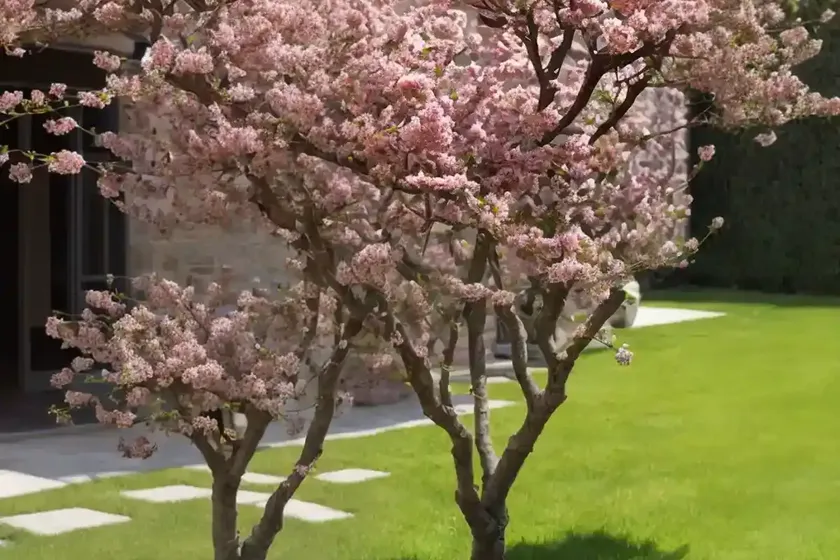
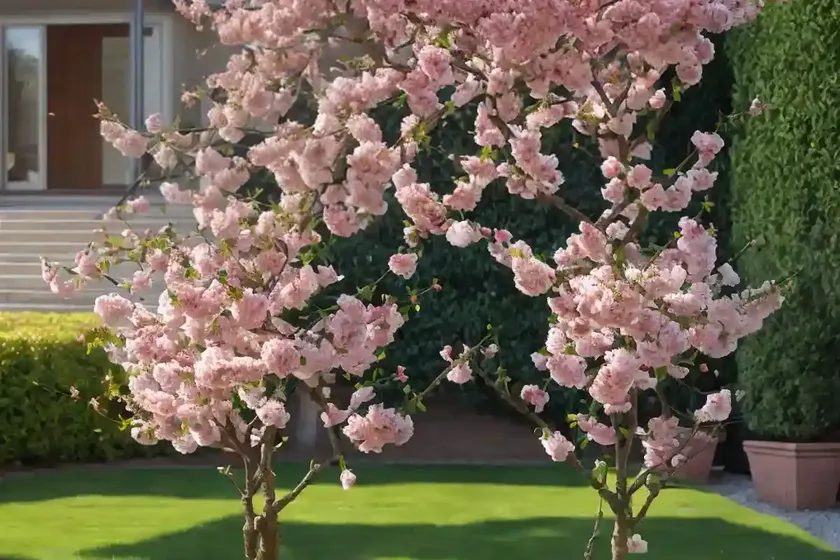
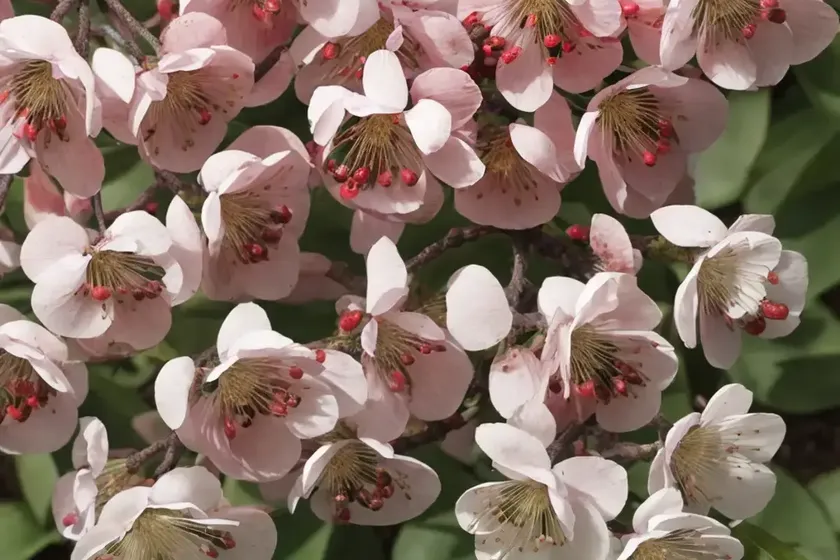
In the world of ornamental plants, the Sargent Cherry, scientifically known as Prunus sargentii ‘Columnaris’, stands out for its stunning appearance and landscaping versatility. This deciduous tree is revered for its columnar growth habit and vibrant seasonal displays, making it a popular choice for gardens, urban landscapes, and outdoor decorations. In this comprehensive guide, we will explore the characteristics, cultivation, uses, and maintenance of the Sargent Cherry, along with interesting facts, common issues, and practical tips for successful gardening.
What is Sargent Cherry?
The Sargent Cherry, a cultivar of Prunus sargentii, is a small to medium-sized tree with a notable columnar growth habit. It is a member of the Rosaceae family and is native to Japan, where it thrives in diverse climatic conditions. The ‘Columnaris’ variety, in particular, is valued for its narrow, upright form, which makes it an ideal choice for tight spaces, borders, and vertical accents in the landscape.
Key Takeaways – Sargent Cherry (Prunus sargentii ‘Columnaris’)
Before delving into the specifics of Sargent Cherry cultivation and care, let’s summarize the key takeaways associated with this captivating tree.
- Sargent Cherry is a columnar cultivar of Prunus sargentii, known for its upright growth habit and compact size.
- It is renowned for its stunning spring flowers, summer fruits, and vibrant fall foliage, offering year-round visual interest.
- This tree is valued for its versatility in landscaping, including uses as a standalone specimen, screen, or accent plant.
- Proper care involves attention to watering, sunlight, soil, and pruning requirements, which contribute to its overall health and ornamental appeal.
Now, let’s explore the details of cultivating and caring for the Sargent Cherry to maximize its aesthetic and functional benefits in outdoor settings.
Culture
Cultivating the Sargent Cherry successfully involves understanding its specific requirements and growth habits. From soil preferences to environmental factors, here’s what you need to know to create an optimal growing environment for this distinctive tree.
Water
Optimal Moisture Levels: When establishing a Sargent Cherry tree, it’s crucial to ensure adequate moisture without waterlogging the soil. During the first year of growth, regular watering is essential, especially during dry spells. As the tree matures, it becomes more tolerant of moderate drought conditions, though regular deep watering is beneficial during prolonged dry periods.
Watering Frequency: A general guideline for watering young Sargent Cherry trees is around 1 to 1.5 inches of water per week during the growing season. This can be adjusted based on local climate and soil conditions to prevent both under- and over-watering.
Mulching: Application of a layer of organic mulch around the base of the tree aids in moisture retention, regulates soil temperature, and suppresses weed growth.
Sunlight
Sun Requirements: Sargent Cherry trees thrive in full sun to partial shade. When selecting a planting site, prioritize locations that receive at least 6 hours of direct sunlight daily for optimal growth and bloom production.
Optimizing Light Exposure: Regularly monitor the tree’s environment to ensure it receives sufficient sunlight, especially if neighboring structures or trees cast shade on the planting area. Pruning overhanging branches can improve light penetration and overall tree health.
Fertilizer
Nutrient Needs: While the Sargent Cherry is relatively low-maintenance, periodic fertilization can support healthy growth and abundant flowering. A balanced, slow-release fertilizer formulated for flowering trees is generally suitable.
Fertilization Schedule: Apply fertilizer in early spring before the onset of new growth, following product instructions regarding dosage and application methods. Avoid excessive fertilization, as it can lead to lush foliage at the expense of flower production.
Soil Amendment: Conduct a soil test to assess nutrient content and pH levels, and make amendments as necessary to create a favorable growing medium for the tree.
Soil
Preferred Soil Type: Sargent Cherry trees thrive in well-draining, loamy soil with a slightly acidic to neutral pH (pH 6.0-7.0). Prioritize soil with good fertility and structure to promote healthy root development and overall vigor.
Soil Preparation: When planting a Sargent Cherry, prepare the site by loosening the soil and incorporating organic matter to enhance drainage and nutrient availability. This initial step sets the stage for successful establishment and long-term growth.
Soil Moisture: Monitor soil moisture levels regularly, especially during extended periods of drought, to ensure adequate hydration without waterlogging.
Pruning
Pruning is an integral part of maintaining the health, shape, and aesthetic appeal of Sargent Cherry trees. Proper pruning practices contribute to a balanced canopy, vigorous growth, and maximal flower and fruit production.
Pruning Objectives: The primary goals of pruning Sargent Cherry trees include:
- Removing dead, damaged, or diseased branches to enhance overall tree health.
- Shaping the tree to maintain its columnar form or to rejuvenate older specimens.
- Thinning crowded or crossing branches to improve light penetration and air circulation within the canopy.
Pruning Timing: The optimal time for pruning Sargent Cherry trees is during late winter to early spring, before new growth emerges. This timing minimizes stress on the tree and allows for rapid healing of pruning wounds.
Techniques: Use sharp, clean pruning tools to make precise cuts, avoiding unnecessary damage to the tree. Employ appropriate pruning techniques to achieve the desired shape and structure while respecting the tree’s natural growth habit.
Propagation
Propagating Sargent Cherry trees can be accomplished through several methods, including seed germination and vegetative propagation techniques.
Seed Propagation: Collect seeds from mature Sargent Cherry fruits and subject them to stratification to break dormancy. Sow the stratified seeds in well-draining soil in containers or prepared beds, and provide adequate moisture and light to encourage germination and early growth.
Vegetative Propagation: Stem cuttings and grafting are viable methods for propagating Sargent Cherry trees, particularly for preserving specific cultivars and desirable traits. Select healthy, disease-free plant material for propagation and follow established techniques for successful results.
Container Popularity
The columnar growth habit and moderate size of Sargent Cherry trees make them well-suited for container cultivation, expanding their appeal to urban gardeners, small-space landscapes, and patio settings.
Container Selection: Choose a large, sturdy container with sufficient drainage holes to accommodate the tree’s root system and to promote healthy growth.
Soil Considerations: Use a high-quality potting mix with good drainage properties and sufficient nutrients to support vigorous growth in containers.
Maintenance: Container-grown Sargent Cherry trees require regular monitoring of soil moisture, proper fertilization, and occasional root pruning to prevent root binding and maintain overall tree health.
Common Diseases
Sargent Cherry trees are generally resilient, but they can be susceptible to certain diseases, especially in conditions that compromise their vigor or stress their growing environment.
Disease Diagnosis
Common Diseases: Keep an eye out for the following prevalent diseases that affect Sargent Cherry trees:
- Leaf Spot: Characterized by the appearance of small, dark spots on the foliage, often caused by fungal pathogens.
- Bacterial Canker: Exhibited as sunken, discolored lesions on the bark, typically accompanied by oozing sap and dieback of affected branches.
- Powdery Mildew: Identified by the presence of white, powdery residue on leaves and shoots, indicative of fungal infection.
Preventive Measures: Maintain good cultural practices, including proper watering, adequate sunlight, and soil management, to promote tree vigor and resilience against common diseases. Regularly inspect the tree for early signs of disease and address any issues promptly to limit their impact.
Common Pests
In addition to diseases, Sargent Cherry trees may attract certain pests that can compromise their health and ornamental value.
- Aphids: These small, sap-sucking insects can cluster on new growth and undersides of leaves, causing distortion and stunting of affected plant parts.
- Scale Insects: Exhibiting as small, raised bumps on stems and leaves, scale insects can weaken the tree and excrete sticky honeydew, attracting sooty mold and other pests.
- Japanese Beetles: These voracious feeders can defoliate Sargent Cherry trees if present in significant numbers, requiring immediate intervention to mitigate their impact.
Integrated Pest Management: Utilize a combination of cultural, mechanical, and biological control methods to manage pest populations without resorting to excessive pesticide use. Employ measures such as hand-picking, insecticidal soaps, and beneficial insect release to maintain pest levels within tolerable limits.
Botanist’s Tips
As a botanist specializing in ornamental trees, I often provide guidance on selecting, cultivating, and caring for trees like the Sargent Cherry. Here are some tips to ensure a thriving Sargent Cherry tree in your landscape:
- Choose a planting site with well-draining soil and ample sunlight exposure to promote healthy growth and flowering.
- Incorporate organic matter into the soil at planting time to enhance fertility and soil structure, providing an optimal foundation for the tree’s establishment.
- Conduct annual inspections of the tree for signs of disease, pest infestation, or structural issues, and take appropriate measures to address any problems promptly.
- When pruning Sargent Cherry trees, focus on maintaining their natural form while removing dead or crossing branches to enhance light penetration and airflow within the canopy.
Fun Facts
Beyond its aesthetic appeal and landscape value, the Sargent Cherry possesses intriguing attributes and historical significance that make it a fascinating subject of study and admiration.
- The Sargent Cherry, named in honor of American botanist Charles Sprague Sargent, has a rich legacy in horticulture and arboreal research.
- In Japanese culture, cherry blossoms symbolize transient beauty and the fleeting nature of life, a theme celebrated during the annual tradition of hanami, or cherry blossom viewing.
- The fruits of the Sargent Cherry, although not typically used for human consumption, are a valuable food source for wildlife, including birds and small mammals.
- The Sargent Cherry holds a prominent place in landscape design, providing vertical accents, seasonal interest, and wildlife habitat benefits in diverse outdoor settings.
Links to External Resources
For additional in-depth information on Sargent Cherry trees, explore the following external resources:
- The Royal Horticultural Society – Prunus sargentii ‘Columnaris’
- Missouri Botanical Garden – Prunus sargentii
- University of Florida IFAS Extension – Effective Pruning of Landscape Trees
In conclusion, the Sargent Cherry stands as a captivating ornamental tree, valued for its elegant form, seasonal displays, and adaptability to diverse landscaping settings. By understanding its specific cultural needs, addressing potential issues, and appreciating its unique attributes, gardeners and arborists can experience the full splendor of the Sargent Cherry in their outdoor environments.
Remember, whether it’s the vibrant spring flowers, the picturesque fall foliage, or the benefits it brings to wildlife, the Sargent Cherry embodies a timeless symbol of natural beauty and cultural significance. Happy gardening!
Keywords: Sargent cherry tree, Prunus sargentii ‘Columnaris’, Columnar Sargent cherry, Sargent cherry gardening tips, Sargent cherry care, Sargent cherry pruning, Sargent cherry tree information, Sargent cherry growth habits, Sargent cherry landscape uses, Sargent cherry tree varieties, Sargent cherry tree maintenance, Sargent cherry tree diseases, Sargent cherry tree pests, Sargent cherry tree planting guide, Sargent cherry tree watering, Sargent cherry tree sunlight requirements, Sargent cherry tree soil conditions, Sargent cherry tree climate preferences, Sargent cherry tree propagation methods, Sargent cherry tree root system, Sargent cherry tree lifespan, Sargent cherry tree benefits, Sargent cherry tree uses, Sargent cherry tree symbolism, Sargent cherry tree folklore, Sargent cherry tree cultural significance, Sargent cherry tree history, Sargent cherry tree landscape design, Sargent cherry tree outdoor decorations, Sargent cherry tree seasonal changes, Sargent cherry tree fall foliage, Sargent cherry tree spring flowers, Sargent cherry tree summer fruits, Sargent cherry tree winter appearance, Sargent cherry tree pollination, Sargent cherry tree fruit production, Sargent cherry tree edible fruits, Sargent cherry tree wildlife attraction, Sargent cherry tree bird habitat, Sargent cherry tree bee-friendly, Sargent cherry tree nectar source, Sargent cherry tree medicinal uses, Sargent cherry tree herbal remedies, Sargent cherry tree environmental benefits, Sargent cherry tree urban gardening, Sargent cherry tree landscape design ideas, Sargent cherry tree companion plants


