The Versatile Peach (Prunus persica ‘Reliance’)
Peaches, scientifically known as Prunus persica, are a delightful addition to any garden due to their breathtaking blossoms, juicy fruits, and lush foliage. Among the plethora of peach varieties, the ‘Reliance’ cultivar stands out for its exceptional resilience and delectable fruits.
In this comprehensive guide, we will delve into the various aspects of cultivating and caring for the ‘Reliance’ peach tree (Prunus persica ‘Reliance’). You will learn about its cultural requirements, uses, propagation techniques, common diseases and pests, and much more. So, let’s embark on this journey of discovery and unravel the beauty and secrets of the ‘Reliance’ peach tree.
What is the “peach (Prunus persica ‘Reliance’)”?
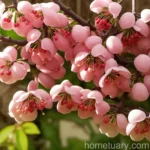
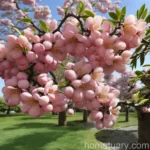
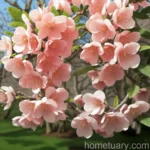
The ‘Reliance’ peach tree is a cultivar of the Prunus persica species, known for its exceptional hardiness and delectable, clingstone fruit. It is a deciduous tree that belongs to the Rosaceae family, famed for producing gorgeous pink flowers in early spring and delicious, fuzzy-skinned fruits in the summertime.
The ‘Reliance’ peach is a popular choice for home gardeners and commercial orchards alike due to its ability to withstand cold temperatures, making it suitable for cultivation in a wide range of climates. Its relatively low chilling requirement also enables it to thrive in regions with milder winters.
Key Takeaways – Peach (Prunus persica ‘Reliance’)
| Attribute | Description |
|---|---|
| Scientific Name | Prunus persica ‘Reliance’ |
| Common Name | ‘Reliance’ peach |
| Family | Rosaceae |
| Cultivar | ‘Reliance’ |
| Type | Deciduous fruit tree |
| Chilling Requirement | Low |
| Fruit Characteristics | Clingstone, fuzzy-skinned, juicy, delectable |
| Flower Characteristics | Pink, showy |
| Suitable Climates | Wide range, including regions with mild winters |
| Resilience | Exceptional cold hardiness |
Culture
Cultivating the ‘Reliance’ peach tree requires attention to specific cultural practices to ensure optimal growth and fruit production. Let’s explore the key cultural aspects of nurturing this resilient peach variety.
Uses
The ‘Reliance’ peach tree has diverse uses, including:
- Fresh Consumption: The succulent, juicy fruits are perfect for fresh eating, adding a delightful sweetness to any meal or being enjoyed on their own.
- Culinary Delights: They can be used in a myriad of culinary creations, from pies and tarts to jams, preserves, and chutneys.
- Landscaping: Beyond its delicious fruits, the ‘Reliance’ peach tree enhances the aesthetic appeal of any landscape with its stunning spring blossoms and lush foliage.
Water
Proper watering is essential for the ‘Reliance’ peach tree, particularly during the critical periods of fruit development and late summer to prepare for winter dormancy.
- Young Trees: Newly planted ‘Reliance’ peach trees should be watered regularly to aid in establishment. A deep watering once or twice a week, depending on the local climate and soil type, is generally recommended.
- Fruit Development: Consistent moisture is crucial during the fruit development stage to ensure plump, flavorful peaches. Adequate watering also helps prevent issues such as split pits and poor fruit quality.
- Late Summer/Fall: As the tree prepares for winter, it’s important to ensure that it goes into dormancy adequately hydrated. Reduce watering as the temperatures cool, but ensure that the tree receives enough moisture to sustain it through the winter months.
Sunlight
Sunlight is vital for the ‘Reliance’ peach tree’s overall health and fruit production. It thrives in full sun, requiring a minimum of 6-8 hours of direct sunlight daily.
- Site Selection: When planting a ‘Reliance’ peach tree, choose a location with full sun exposure to maximize its growth and fruiting potential.
- Fruit Quality: Ample sunlight promotes the development of sweet, flavorful fruits, ensuring a bountiful and delicious harvest.
- Air Circulation: Sunlight exposure also aids in drying the foliage, reducing the risk of fungal diseases such as peach leaf curl.
Fertilizer
Proper fertilization is crucial for the ‘Reliance’ peach tree to support its growth, flowering, and fruiting.
- Timing: Apply fertilizer in early spring before new growth begins, and again in late spring after the tree has flowered. This helps provide the essential nutrients needed for robust fruit development.
- Type: A balanced fertilizer with a higher ratio of nitrogen, such as a 10-10-10 formulation, is generally suitable for ‘Reliance’ peach trees. However, it’s essential to tailor the fertilizer application based on the results of a soil test.
Soil
The ‘Reliance’ peach tree thrives in well-draining, slightly acidic soils. Optimal soil conditions are key to promoting healthy root development and overall tree vigor.
- Adequate Drainage: Avoid planting in waterlogged or poorly drained soils, as this can lead to root rot and other health issues for the tree.
- Soil pH: Aim for a soil pH of 6.0 to 6.5, slightly acidic, to create an ideal growing environment for the ‘Reliance’ peach tree.
Pruning
Proper pruning is essential for maintaining the ‘Reliance’ peach tree’s overall health, promoting fruit production, and shaping its growth.
- Timing: Prune during the dormant season, typically in late winter to early spring before bud break.
- Objectives: Pruning aims to remove dead or diseased wood, improve airflow within the canopy, and establish a strong framework for future fruit production.
- Training: Young ‘Reliance’ peach trees should be trained to a central leader or open center structure to enhance light penetration and facilitate fruiting.
Propagation
Propagation of the ‘Reliance’ peach tree can be achieved through various methods, including grafting, budding, and seed propagation.
Grafting
Grafting is a common propagation method for the ‘Reliance’ peach tree, where a scion (desired cultivar) is joined onto a compatible rootstock to create a new tree.
- Timing: Grafting is typically performed in late winter to early spring when the sap begins to flow, promoting successful union between the scion and rootstock.
- Technique: T-budding and chip budding are commonly used grafting methods for peach trees, offering high success rates when performed with precision and care.
Container Popularity
The ‘Reliance’ peach tree is also suitable for container cultivation, offering a space-saving and portable option for growing this versatile fruit tree.
- Container Selection: Choose a large, sturdy container with adequate drainage holes to support the ‘Reliance’ peach tree’s growth.
- Soil Mix: Utilize a well-draining potting mix designed for fruit trees, ensuring proper aeration and moisture retention for the tree’s roots.
- Site Suitability: Place the container in a location with ample sunlight and adequate air circulation to facilitate healthy growth and fruit production.
Common Diseases
While the ‘Reliance’ peach tree exhibits resilience to certain diseases, it is essential to be aware of potential disease issues and take preventative measures to maintain tree health.
Disease Diagnosis
Common diseases that may affect the ‘Reliance’ peach tree include:
- Peach Leaf Curl (Taphrina deformans): Characterized by distorted, reddish leaves in spring, this fungal disease can lead to defoliation and reduced fruit production if left unmanaged.
- Brown Rot (Monilinia fructicola): A fungal disease that causes fruit rot, particularly in warm, humid conditions, leading to fruit spoilage and potential yield loss.
Disease Prevention
Preventative measures can help mitigate the risk of diseases affecting the ‘Reliance’ peach tree:
- Fungicide Applications: When appropriate based on disease risk and local climate conditions, timely fungicide applications can help protect the tree from fungal diseases.
- Sanitation Practices: Removing and disposing of fallen leaves and fruit, as well as pruning out diseased wood, can help prevent disease spread within the tree and the surrounding environment.
Common Pests
Pests can pose a threat to the ‘Reliance’ peach tree, requiring vigilance and proactive pest management to safeguard tree health and fruit quality.
Common Pests
Pests that may affect the ‘Reliance’ peach tree include:
- Aphids: These small, sap-sucking insects can distort new growth and transmit plant viruses if populations are left unchecked.
- Plum Curculio (Conotrachelus nenuphar): A beetle species that can cause damage to developing fruits, leading to reduced quality and potential yield loss.
Pest Control
Employing effective pest control strategies can help protect the ‘Reliance’ peach tree from pest infestations:
- Integrated Pest Management (IPM): Utilize a holistic approach to pest management, including cultural, biological, and chemical control methods to maintain pest populations at manageable levels.
- Monitoring: Regularly inspect the tree for pest activity, enabling early intervention if pest populations exceed thresholds that may cause damage.
Botanist’s Tips
As a seasoned botanist, I have some valuable tips for the successful cultivation of the ‘Reliance’ peach tree:
- Site Selection: Choose a location with well-draining soil, full sunlight, and good air circulation to optimize the ‘Reliance’ peach tree’s growth and fruiting.
- Pruning Techniques: Learn proper pruning methods to encourage fruiting, maintain tree health, and shape the tree to your desired form.
- Pest and Disease Monitoring: Regularly monitor the tree for signs of pests and diseases, enabling early intervention to mitigate potential issues.
Fun Facts
Before we conclude this in-depth exploration of the ‘Reliance’ peach tree, let’s uncover some intriguing fun facts about this beloved fruit tree:
- Symbolism: Peaches are often associated with longevity, good luck, and abundance in various cultures, making them an auspicious addition to any garden.
- Nutritional Value: Beyond their delectable flavor, peaches are a good source of vitamins A and C, as well as dietary fiber, making them a healthy snack choice.
- Peach Pit Germination: Under the right conditions, peach pits can germinate and grow into new trees, presenting an opportunity for home propagation and exploration of peach diversity.
Links to External Resources
For further information on the ‘Reliance’ peach tree and related topics, consider exploring the following external resources:
- Peach Tree Planting Guide
- Managing Diseases in Stone Fruits
- Integrated Pest Management for Home Gardeners
- Pruning and Training Peach Trees
- Home Fruit Planting and Cultivating
In conclusion, the ‘Reliance’ peach tree (Prunus persica ‘Reliance’) stands as a testament to the beauty and resilience of fruit trees. By understanding its cultural requirements, propagation techniques, and methods for addressing potential challenges, you can cultivate and savor the delightful fruits of this exceptional peach variety in your garden. From its stunning blossoms to the luscious peaches it produces, the ‘Reliance’ peach tree is a splendid addition to any landscape, offering beauty, flavor, and a touch of natural abundance.
Happy gardening!
Note: This blog post serves as a comprehensive guide to the ‘Reliance’ peach tree, providing insights and practical tips for its successful cultivation. Always consult local gardening resources and experts for tailored advice based on your specific growing conditions and individual garden needs.