

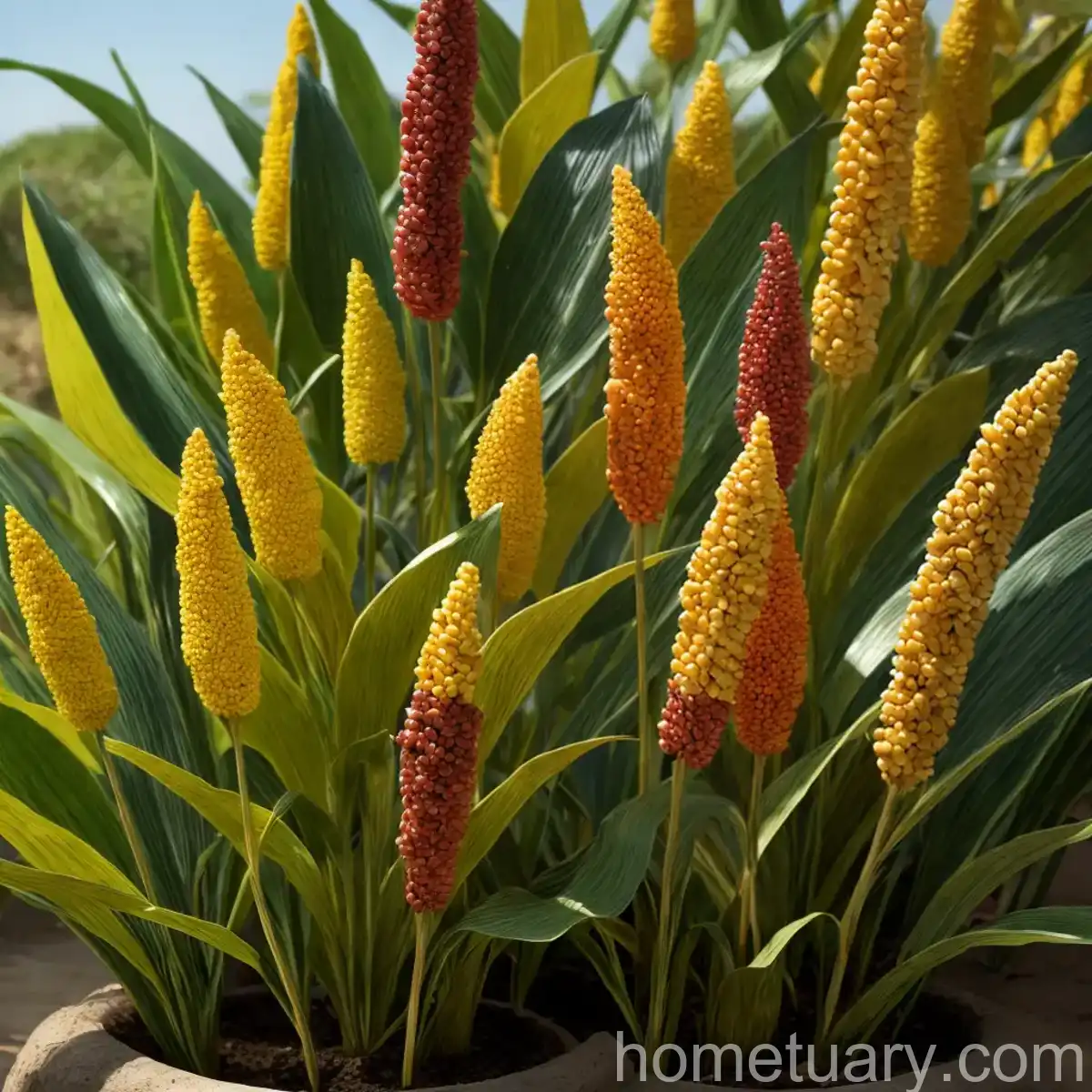
The Versatile and Resilient Sorghum (Sorghum bicolor)
Sorghum (Sorghum bicolor) is a cereal grain that originates from Africa, and it is one of the most important crops in the world. It has gained popularity due to its incredible diversity of uses, ranging from food and feed to biofuel production. Sorghum is a hardy crop known for its tolerance to drought and heat stress, making it an excellent choice for cultivation in arid and semi-arid regions. In this comprehensive guide, we will explore the culture, uses, care, and management of sorghum. From its growth cycle to potential pests and diseases, we will cover it all.
Key Takeaways – Sorghum (Sorghum bicolor)
In this section, we will provide a brief overview of the main topics covered in this guide, emphasizing the versatility and significance of sorghum:
- Sorghum cultivation is widespread, and its varieties are adapted to different climate and soil conditions.
- The uses of sorghum are diverse, including food, feed, biofuel, and industrial products such as syrup and molasses.
- Sorghum requires minimal water and is tolerant of harsh environmental conditions, such as drought and high temperatures.
- The nutritional profile of sorghum makes it a valuable addition to human and animal diets, offering essential vitamins, minerals, and antioxidants.
- Management practices for sorghum encompass soil, water, sunlight, fertilizer, and pest and disease control strategies.
- Despite its numerous benefits, sorghum may be susceptible to certain pests and diseases, requiring vigilance and proactive measures to ensure healthy crops.
Now, let’s delve deeper into the world of sorghum and explore its culture, uses, and management practices.
What is Sorghum (Sorghum bicolor)?
Sorghum, scientifically known as Sorghum bicolor, belongs to the Poaceae family. It is an annual or perennial grass species that is cultivated primarily for its grain, although it also has forage, syrup, and biofuel varieties. Sorghum grows in a wide range of environments, from arid and semi-arid regions to more temperate climates. The plant varies in height, ranging from 0.6 to 4 meters, and it produces grains that can be used for human consumption, animal feed, and industrial purposes.
Sorghum Benefits
The cultivation and use of sorghum offer various benefits, contributing to food security, sustainable agriculture, and economic development. Some key benefits of sorghum include:
- Drought tolerance: Sorghum is known for its ability to withstand prolonged periods of drought, making it a valuable crop in regions with limited water resources.
- High adaptability: Sorghum varieties are adapted to different soil types and climates, allowing for cultivation in diverse agricultural systems.
- Versatile uses: Sorghum is utilized for human consumption, animal feed, biofuel production, and industrial applications, making it a highly versatile crop.
- Nutritional value: Sorghum grains are nutritionally dense, providing essential nutrients and offering health benefits to both humans and livestock.
Culture
Sorghum Cultivation
Sorghum cultivation has a rich history, dating back thousands of years and spanning different continents. The crop holds cultural and economic significance in many regions of the world, especially across Africa, Asia, and the Americas. Its diverse uses, adaptability to various climates, and low water requirements make it an attractive option for farmers in both rainfed and irrigated agricultural systems.
Sorghum Types
Sorghum encompasses different types, each with unique characteristics and uses. These include:
- Grain sorghum: Primarily grown for producing grain used in food, feed, and industrial applications.
- Forage sorghum: Cultivated for livestock feed and silage production.
- Sweet sorghum: Known for its high sugar content and used in syrup and biofuel production.
- Broomcorn sorghum: Valued for its fibrous heads, utilized for making brooms and brushes.
Each sorghum type has specific management requirements and uses, catering to diverse agricultural and industrial needs.
Sorghum Varieties
Sorghum varieties are developed to suit different environmental conditions and agricultural purposes. They vary in terms of maturity, height, grain color, and disease resistance. Some popular sorghum varieties include:
- Early maturing varieties: Suitable for short growing seasons and regions with early onset of dry conditions.
- Drought-tolerant varieties: Developed to thrive in arid environments with limited water availability.
- High-yielding varieties: Engineered to maximize grain production under optimal growing conditions.
The wide range of sorghum varieties allows farmers to select the most suitable types for their specific farming systems and local environmental conditions.
Sorghum Growth Cycle
Understanding the growth stages of sorghum is essential for effective crop management. The growth cycle of sorghum can be divided into the following stages:
- Germination: The process of seedling emergence, triggered by adequate moisture and temperature.
- Vegetative stage: Characterized by leaf and stalk growth, as well as the development of the root system.
- Reproductive stage: Initiation of flowering and grain formation, marking the transition to the reproductive phase.
- Grain filling: The period when the grains develop and mature, accumulating starch and nutrients.
- Maturity and harvest: The final stage, signaling the optimal time for grain harvest, based on ripeness and moisture content.
Each growth stage requires specific management practices, such as irrigation scheduling, nutrient application, and pest monitoring, to ensure healthy crop development and maximum yield potential.
Sorghum Uses
Sorghum has an impressive array of uses, making it one of the most versatile crops in the world. The primary uses of sorghum include:
- Food: Sorghum grains are used for human consumption, processed into flour for bread, porridge, couscous, and other food products.
- Feed: Sorghum serves as a valuable component in animal feed formulations, offering nutrients and energy to livestock.
- Biofuel: Certain sorghum varieties are utilized for biofuel production, contributing to renewable energy sources and reduced greenhouse gas emissions.
- Industrial products: Sweet sorghum varieties are used to produce syrup, molasses, and other sweeteners, while broomcorn sorghum is employed in the manufacturing of brooms and brushes.
The diverse uses of sorghum highlight its importance in food security, economic development, and sustainable agriculture practices.
Sorghum Nutrition
The nutritional composition of sorghum grains makes them a valuable dietary component for both humans and animals. Sorghum is a good source of essential nutrients, including:
- Protein: Sorghum grains contain a moderate to high level of protein, contributing to the overall protein intake of consumers and livestock.
- Carbohydrates: The starch content of sorghum provides energy and serves as a staple food in many cultures.
- Fiber: Sorghum contains dietary fiber, supporting digestive health and providing a feeling of fullness in human diets.
- Vitamins and minerals: Sorghum grains offer essential vitamins and minerals, such as niacin, riboflavin, thiamine, iron, and phosphorus.
The nutritional value of sorghum enhances its role in promoting food security and addressing malnutrition in communities where it is a dietary staple.
Management
Water
Sorghum’s water requirements vary throughout its growth stages, with sensitivity to moisture levels during germination, flowering, and grain development. Optimal water management is crucial for maximizing yield and quality of sorghum crops. Factors to consider for effective water management include:
- Irrigation: In regions with limited rainfall, supplemental irrigation may be necessary to ensure consistent soil moisture levels for sorghum.
- Water stress tolerance: Selecting drought-tolerant sorghum varieties can mitigate the impact of water scarcity and enhance crop resilience.
- Water conservation: Implementing water-efficient irrigation practices, such as drip irrigation or mulching, can reduce water consumption and improve water use efficiency.
By managing water resources effectively, farmers can cultivate sorghum with reduced risk of yield loss due to water stress.
Sunlight
Sorghum is a sun-loving crop that thrives in full sunlight. Adequate exposure to sunlight is essential for robust plant growth and optimal grain production. Factors related to sunlight management include:
- Planting density: Ensuring proper spacing between sorghum plants can promote efficient light interception and photosynthetic activity.
- Canopy development: Monitoring and managing canopy development can optimize light capture and distribution within the sorghum crop.
- Shading control: Avoiding shading from neighboring plants or structures is important for preventing light competition and ensuring uniform sunlight exposure.
Balanced sunlight exposure is critical for achieving high yields and healthy sorghum stands throughout the growing season.
Fertilizer
Sorghum’s nutrient requirements vary depending on soil fertility, previous crops, and management practices. Proper fertilizer application is essential for supporting vigorous plant growth, optimizing yield potential, and maintaining soil fertility. Considerations for fertilizer management include:
- Soil testing: Conducting soil tests can provide insights into the nutrient status of the soil and guide appropriate fertilizer recommendations.
- Nutrient balance: Applying fertilizers with the right balance of nitrogen, phosphorus, potassium, and micronutrients can meet the specific nutrient needs of sorghum.
- Application timing: Timing fertilizer application to coincide with critical growth stages can enhance nutrient uptake and utilization by sorghum plants.
By understanding and addressing the nutrient requirements of sorghum, farmers can optimize crop productivity and minimize environmental impacts associated with excessive fertilizer use.
Soil
Understanding the soil preferences of sorghum is crucial for optimizing its growth and yield potential. Key considerations for soil management include:
- Soil type: Sorghum thrives in well-drained soils, preferring sandy loam and clay loam soils with good water retention capacity.
- Soil pH: Maintaining a near-neutral pH level (pH 6.0-7.5) is favorable for sorghum growth and nutrient availability.
- Soil fertility: Ensuring adequate levels of essential nutrients, organic matter, and balanced soil fertility is essential for supporting healthy sorghum crops.
Balanced soil management practices can create an optimal growing environment for sorghum, contributing to improved plant health and yield outcomes.
Pruning
Pruning is not typically practiced in sorghum cultivation, as the crop’s growth habit does not necessitate extensive pruning or canopy management. Instead, the focus is on regular monitoring and management of plant growth and development through appropriate cultural and agronomic practices.
Propagation
Sorghum is primarily propagated through seeds, and advancements in breeding and seed technology continue to enhance the availability of improved sorghum varieties. Selecting high-quality seeds from reputable sources and adhering to recommended planting practices are essential for successful propagation and establishing healthy sorghum stands.
Container Popularity
While sorghum is primarily cultivated in open fields, there are instances where container cultivation may be practiced for research, small-scale production, or ornamental purposes. Although less common, container cultivation of sorghum can offer flexibility in plant management and experimentation, particularly in controlled environments or urban settings.
Container
When grown in containers, sorghum plants benefit from appropriate container sizes, well-draining growing media, and regular watering and fertilization. Care should be taken to monitor the plant’s growth and root development within the container, as it may impact overall plant health and productivity.
Common Diseases
Despite its resilience, sorghum is susceptible to certain diseases that can impact plant health and reduce yield potential. Common sorghum diseases include:
- Anthracnose: A fungal disease that causes leaf spots, stalk rot, and grain discoloration, often exacerbated by wet and humid conditions.
- Downy mildew: Caused by a fungal pathogen, it leads to yellowish lesions on leaves and can affect overall plant vigor.
- Head smut: A systemic fungal disease that affects the inflorescence of sorghum, resulting in the formation of characteristic black masses.
- Leaf blights: Various fungal and bacterial pathogens can cause leaf blights, leading to reduced photosynthetic activity and overall plant fitness.
Implementing disease management strategies, such as resistant varieties, cultural practices, and targeted fungicide applications, can help mitigate the impact of sorghum diseases on crop productivity.
Disease Diagnosis
Diagnosing and identifying sorghum diseases accurately is crucial for implementing timely and effective management measures. Symptoms of common sorghum diseases may include leaf spots, discoloration, wilting, and abnormal growth patterns. Consultation with agricultural experts and diagnostic laboratories can aid in precise disease diagnosis and the development of appropriate control strategies.
Common Pests
Sorghum cultivation may encounter various pests that can damage plants and reduce yield potential. Common sorghum pests include:
- Aphids: Small sap-feeding insects that can cause stunted growth, distorted leaves, and the transmission of viral diseases.
- Stem borers: Larvae of certain moths that bore into and feed within the stems of sorghum, leading to lodging and reduced plant vigor.
- Armyworms: Larvae of moth species that feed on sorghum foliage and can cause significant defoliation in severe infestations.
Regular monitoring, integrated pest management practices, and the use of pest-resistant varieties can help mitigate the impact of pests on sorghum crops.
Botanist’s Tips
As a botanist, here are some tips for sorghum cultivation and management:
- Select sorghum varieties adapted to your local climatic conditions and agricultural system to optimize yield potential.
- Implement good agricultural practices, including soil fertility management, pest and disease monitoring, and efficient water use, to promote healthy sorghum crops.
- Monitor the growth stages and health of sorghum plants closely, as it can aid in early detection and intervention against potential stress factors and production constraints.
Fun Facts
Sorghum is not only a valuable crop but also a fascinating plant with many unique attributes. Here are some fun facts about sorghum:
- Sorghum has a diverse array of uses, from food and fodder to industrial products like syrup, biofuels, and brooms.
- Some sweet sorghum varieties can produce high levels of sugars that are used to make sweeteners and alcoholic beverages.
- Traditional sorghum cultivation methods may involve intercropping with legumes for enhanced soil fertility and diversified crop yields.
Links to External Resources
For further information and resources on sorghum cultivation, uses, and management, please refer to the following:
- United States Department of Agriculture – Sorghum
- International Crops Research Institute for the Semi-Arid Tropics – Sorghum
- Food and Agriculture Organization of the United Nations – Sorghum and Millets
Sorghum remains a cornerstone of agricultural systems globally, providing sustenance, economic opportunities, and environmental benefits. Its resilience, versatility, and nutritional value contribute to its significance as a staple crop and a promising solution for sustainable food and energy production.
In conclusion, sorghum (Sorghum bicolor) is a remarkable plant with a rich history and a promising future, offering valuable benefits to both agricultural and industrial sectors. From its diverse uses to its adaptability and nutritional profile, sorghum continues to play a pivotal role in promoting food security, economic development, and environmental sustainability.
Whether you are a farmer, researcher, or enthusiast, the world of sorghum holds endless opportunities for exploration and innovation, contributing to a more resilient and nourished planet.




