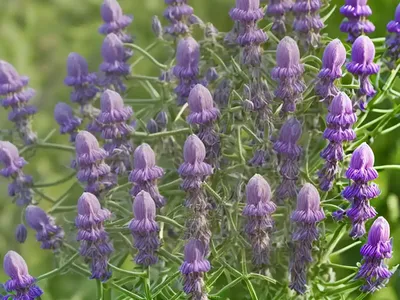
Shrubby Lespedeza (Lespedeza Bicolor)
As a plant scientist, one of the most fascinating aspects of horticulture is exploring the wide variety of plants that grace our landscapes. Among these is.
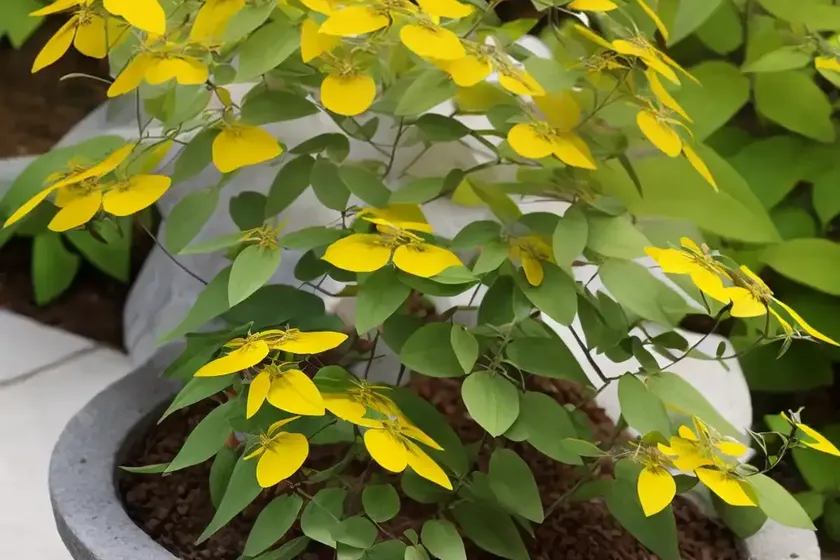
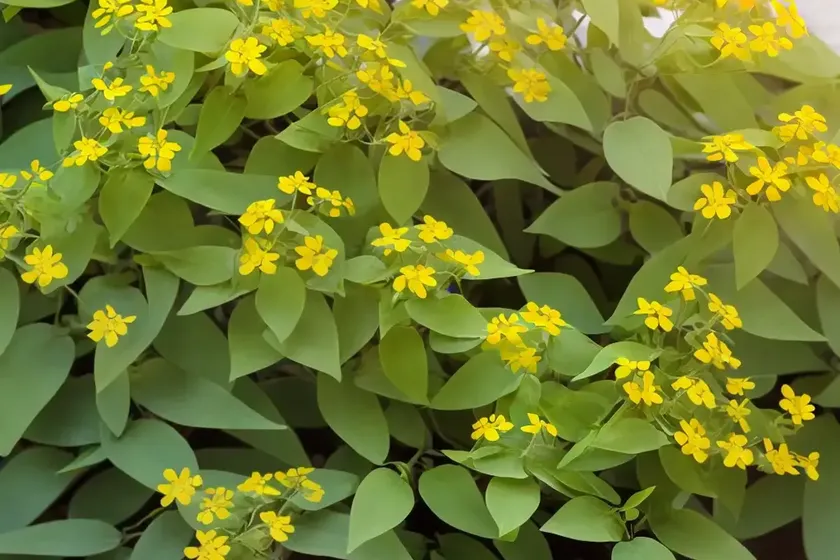
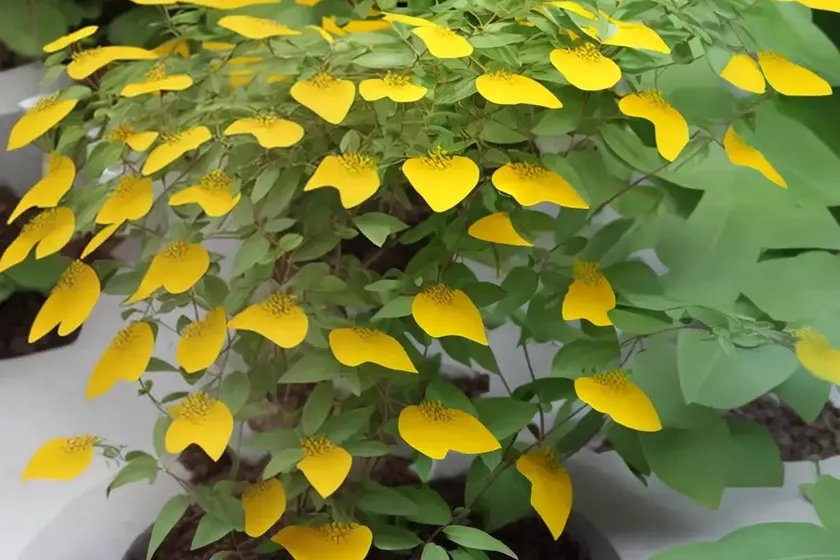
As a plant scientist, one of the most fascinating aspects of horticulture is exploring the wide variety of plants that grace our landscapes. Among these is the charming shrubby Lespedeza, scientifically known as Lespedeza Bicolor. This versatile and visually appealing plant has gained popularity for its unique characteristics and multiple uses. In this comprehensive guide, we will delve deep into the world of shrubby Lespedeza, covering its culture, uses, propagation, care tips, and much more.
What is Shrubby Lespedeza (Lespedeza Bicolor)?
Shrubby Lespedeza, or Lespedeza Bicolor, belongs to the legume family (Fabaceae) and is a deciduous shrub native to East Asia, including China, Japan, and Korea. It is widely cultivated for its ornamental value and ecological benefits. The plant’s growth habit is characterized by arching, spreading branches adorned with small, pea-like flowers in various hues, typically ranging from pink to purple. The blooms are followed by small, flattened seed pods, enhancing the visual interest of the plant.
Key Takeaways – Shrubby Lespedeza (Lespedeza Bicolor)
Before delving into the nitty-gritty details of cultivating and caring for shrubby Lespedeza, let’s summarize the key takeaways regarding this captivating plant.
- Scientific Name: Lespedeza Bicolor
- Family: Fabaceae (Legume family)
- Native Habitat: East Asia (China, Japan, Korea)
- Characteristics: Arching, spreading branches, small pea-like flowers in shades of pink to purple, small flattened seed pods
- Uses: Ornamental plant in gardens and landscapes, beneficial for wildlife and ecological restoration
Now that we have a basic understanding of shrubby Lespedeza, it’s time to explore the ins and outs of cultivating and caring for this remarkable plant.
Culture
Cultivating shrubby Lespedeza successfully involves understanding its specific cultural requirements, including water, sunlight, soil, and fertilizer needs. Let’s delve into each of these aspects in detail.
Water
Shrubby Lespedeza is known for its tolerance to drought conditions once established, making it an excellent choice for water-wise landscaping. However, during its initial establishment phase, regular watering is essential to promote root development and overall plant health. When watering, it is crucial to provide deep, infrequent irrigation to encourage the plant’s roots to penetrate deeper into the soil, thus enhancing its drought tolerance.
Sunlight
In terms of sunlight requirements, shrubby Lespedeza thrives in full sun to partial shade. It is adaptable to a range of light conditions, but it tends to produce the most abundant blooms when grown in full sun. When selecting a planting site, consider the amount of sunlight available throughout the day to ensure that the plant receives adequate light for optimal growth and flowering.
Fertilizer
When it comes to fertilization, shrubby Lespedeza generally benefits from a balanced, slow-release fertilizer in early spring. A granular fertilizer formulated for flowering shrubs can provide the necessary nutrients to support healthy growth and prolific blooming. Always follow the manufacturer’s recommendations for application rates and methods to avoid over-fertilization, which can have adverse effects on the plant.
Soil
Shrubby Lespedeza thrives in well-drained, slightly acidic to neutral soil. It can tolerate a range of soil types, including sandy and loamy soils. However, it is essential to avoid waterlogged or excessively compacted soils, as they can lead to root rot and other detrimental effects on the plant’s health. Before planting shrubby Lespedeza, amend heavy clay soils with organic matter to improve drainage and create a favorable growing environment.
Uses
The versatile shrubby Lespedeza offers a wide array of uses, making it a valuable addition to various landscaping and ecological restoration projects.
Ornamental Use
One of the primary uses of shrubby Lespedeza is its ornamental value in gardens, parks, and landscapes. The plant’s arching, spreading growth habit and charming pea-like flowers make it an attractive choice for adding visual interest and naturalistic appeal to diverse settings. It lends itself well to mixed borders, cottage gardens, and naturalized landscapes, where its delicate blooms and graceful form can be fully appreciated.
Ecological Benefits
Beyond its ornamental use, shrubby Lespedeza also provides important ecological benefits. As a nitrogen-fixing plant, it enriches the soil by converting atmospheric nitrogen into a form that is readily available to other plants. This is particularly beneficial in areas with poor soil fertility, where shrubby Lespedeza can help improve the overall soil quality and support the growth of neighboring plant species.
In addition, shrubby Lespedeza serves as a valuable wildlife habitat, attracting pollinators such as bees and butterflies with its nectar-rich flowers. The plant also contributes to the diet of various bird species by providing seeds and shelter. Therefore, incorporating shrubby Lespedeza into naturalistic landscapes can enhance biodiversity and support local wildlife populations.
Pruning
Pruning is an essential aspect of shrubby Lespedeza maintenance, helping to shape the plant, promote flowering, and rejuvenate older specimens. When it comes to pruning shrubby Lespedeza, it is crucial to understand the plant’s growth habit and flowering pattern to ensure that the pruning practices yield the desired results.
Pruning Timing
The ideal time to prune shrubby Lespedeza is during late winter to early spring before the onset of new growth. Performing pruning during this period allows the plant to allocate its resources towards developing new shoots and blooms, resulting in a more prolific flowering display during the growing season.
Pruning Techniques
When pruning shrubby Lespedeza, the primary goal is to remove dead, diseased, or crossing branches while maintaining the plant’s natural form. Use clean, sharp pruners to make crisp cuts, ensuring that the overall structure of the plant remains intact. Additionally, selectively thinning out older wood can invigorate the shrub and encourage the growth of new, healthy branches.
Propagation
Propagating shrubby Lespedeza is a rewarding endeavor that allows for the expansion of its presence in the landscape. Several methods can be employed to propagate this plant, including seed propagation, softwood cuttings, and division. Each propagation method offers its own set of advantages and considerations, allowing gardeners to choose the most suitable approach based on their resources and preferences.
Seed Propagation
Propagating shrubby Lespedeza from seeds can be a straightforward process, though it requires patience as the plants take time to mature and produce blooms. To propagate from seeds, collect mature seed pods from established shrubs in the fall and extract the seeds. Sow the seeds in a well-draining potting mix and maintain consistent moisture levels. With proper care, the seeds will germinate and develop into young shrubs over time.
Softwood Cuttings
Softwood cuttings present a reliable method for propagating shrubby Lespedeza, especially for gardeners looking to produce identical clones of their favorite specimens. In late spring to early summer, take 4- to 6-inch cuttings from the current season’s growth, ensuring that each cutting includes several leaf nodes. Remove the lower leaves, dip the cut ends in a rooting hormone, and plant the cuttings in a well-draining rooting medium. Enclose the cuttings in a clear plastic bag or place them in a propagator to maintain high humidity levels and encourage rooting.
Division
Division is another viable method for propagating shrubby Lespedeza, particularly for mature plants that have developed multiple clumps or crowns. To propagate by division, carefully dig up the established plant in early spring or fall, ensuring that the root system remains intact. Use a sharp, clean tool to divide the clumps into smaller sections with adequate roots and shoots. Replant the divided sections in prepared soil, water thoroughly, and provide appropriate care to promote their establishment and growth.
Container Popularity
In addition to being a prominent feature in garden and landscape settings, shrubby Lespedeza has also gained popularity as a container plant. Growing this plant in containers offers several advantages, making it an appealing choice for those with limited garden space or those seeking to adorn patios, balconies, and other outdoor areas with its beauty.
Container Uses
When grown in containers, shrubby Lespedeza serves as a striking focal point, accentuating outdoor living spaces with its graceful form and colorful blooms. Its versatility allows it to be used in various container arrangements, ranging from solitary plantings to mixed combinations with other shrubs, perennials, or annuals. The portability of container-grown shrubby Lespedeza also enables gardeners to showcase the plant’s beauty in different areas of their landscape as needed.
Container Requirements
To successfully grow shrubby Lespedeza in containers, it is essential to select a spacious container with adequate drainage holes to prevent waterlogging. Using a high-quality potting mix designed for container plants can provide the optimal growing medium for the shrub. Additionally, regular watering and fertilization are crucial for sustaining the plant’s vigor and promoting blooming when cultivated in containers.
Common Diseases
While shrubby Lespedeza is generally resilient and low-maintenance, it is susceptible to certain diseases that can adversely affect its health and appearance. Familiarizing yourself with these common diseases and their symptoms is essential for implementing timely preventive measures and treatments to safeguard the plant’s well-being.
Disease Diagnosis
-
Powdery Mildew: Powdery mildew is a fungal disease characterized by a powdery, white coating on the leaves, stems, and buds of affected plants. It can lead to stunted growth and distorted foliage, diminishing the plant’s ornamental appeal. To prevent powdery mildew, promote good air circulation around shrubby Lespedeza by spacing plants adequately and avoiding overhead watering.
-
Leaf Spot: Leaf spot diseases manifest as circular or irregularly shaped spots on the foliage, often surrounded by a halo. These spots may vary in color, ranging from yellow to brown, and can cause premature leaf drop if left unchecked. To manage leaf spot, promptly remove and dispose of infected plant parts, and avoid overhead watering to minimize leaf wetness.
-
Root Rot: Root rot is a common issue in poorly drained soils or waterlogged conditions, leading to the decay of the plant’s root system. Signs of root rot may include yellowing or wilting foliage, stunted growth, and a characteristic foul odor emanating from the roots. To prevent root rot, ensure that shrubby Lespedeza is planted in well-draining soil and avoid overwatering, especially in compacted or heavy clay soils.
Common Pests
In addition to diseases, shrubby Lespedeza may also face infestations by various insect pests that can compromise its health and vitality. Understanding the signs and symptoms of common pests is crucial for implementing effective pest management strategies to protect the plant from potential damage.
Pest Identification
-
Aphids: Aphids are small, sap-sucking insects that congregate on the tender shoots and undersides of leaves, often forming dense colonies. They can cause distorted growth, yellowing of foliage, and the secretion of sticky honeydew, leading to the development of sooty mold. To control aphid infestations, physically remove the insects with a strong stream of water or consider using insecticidal soap as a targeted treatment.
-
Leafhoppers: Leafhoppers are agile, wedge-shaped insects that feed on plant sap using their piercing mouthparts. Infested shrubby Lespedeza may exhibit stippled or discolored leaves, reduced vigor, and an overall decline in plant health. Implementing cultural measures to encourage natural predators and using insecticidal treatments when necessary can help manage leafhopper populations effectively.
-
Japanese Beetles: Japanese beetles are voracious defoliators that can cause significant damage to shrubby Lespedeza and other ornamental plants. Their feeding activity results in skeletonized leaves and weakened plant vigor. Employing physical barriers, such as floating row covers, and utilizing biological controls can aid in reducing Japanese beetle damage in the landscape.
By staying vigilant and monitoring shrubby Lespedeza for signs of diseases and pests, gardeners can promptly address any issues that arise, safeguarding the plant’s health and preserving its aesthetic appeal.
Botanist’s Tips
As a plant scientist specializing in shrubby Lespedeza, I have gathered valuable insights and recommendations for cultivating and caring for this exceptional plant. Here are some botanist’s tips to ensure the successful growth and maintenance of shrubby Lespedeza in various landscapes.
-
Mulching: Apply a layer of organic mulch around shrubby Lespedeza to conserve soil moisture, suppress weed growth, and insulate the roots from temperature extremes. Avoid piling the mulch directly against the plant’s stem to prevent moisture-related issues.
-
Beneficial Companions: Pair shrubby Lespedeza with other pollinator-friendly plants, such as butterfly bushes (Buddleja), coneflowers (Echinacea), and salvias, to create a vibrant, wildlife-attracting display in the landscape.
-
Seasonal Maintenance: Conduct seasonal maintenance tasks, such as deadheading spent flowers, removing debris, and inspecting for signs of diseases and pests, to keep shrubby Lespedeza looking its best throughout the year.
-
Pollinator Support: To enhance the plant’s role as a pollinator attractant, avoid using broad-spectrum insecticides that can harm beneficial insects and instead focus on targeted pest management approaches that minimize impacts on pollinators.
Fun Facts
As we continue to explore the captivating world of shrubby Lespedeza, here are some fun and intriguing facts about this remarkable plant that will deepen our appreciation for its beauty and ecological significance.
-
Wildlife Host: Shrubby Lespedeza provides essential habitat and food for a diverse array of wildlife, including bees, butterflies, birds, and small mammals, enriching the overall ecological balance of its surroundings.
-
Soil Enrichment: Through its nitrogen-fixing capabilities, shrubby Lespedeza contributes to improving soil fertility, making it an asset in areas with nutrient-poor soils or undergoing ecological restoration efforts.
-
Erosion Control: The extensive root system of shrubby Lespedeza aids in stabilizing soil and preventing erosion, particularly on slopes and embankments, where its protective role can be pivotal in maintaining landscape integrity.
-
Medicinal Uses: In traditional herbal medicine, certain species of Lespedeza are utilized for their potential medicinal properties, including anti-inflammatory and antioxidant effects, enhancing the plant’s value beyond its ornamental and ecological attributes.
Links to External Resources
To further enrich your understanding of shrubby Lespedeza and its diverse aspects, I have curated a selection of valuable external resources that offer comprehensive information, expert insights, and practical guidance on cultivating and appreciating this extraordinary plant.
-
The American Horticultural Society: Explore the AHS website for in-depth articles, plant profiles, and educational resources focused on shrubby Lespedeza and other ornamental plants.
-
United States Department of Agriculture (USDA) Plants Database: Access the USDA Plants Database to discover detailed botanical descriptions, distribution maps, and ecological attributes of shrubby Lespedeza and related species.
-
Lady Bird Johnson Wildflower Center: Visit the Wildflower Center’s website for a wealth of information on native plants, including shrubby Lespedeza, and learn about their ecological roles and conservation significance.
-
Royal Horticultural Society (RHS): Delve into the RHS website for expert advice, gardening tips, and plant care recommendations, including insights on growing and maintaining shrubby Lespedeza in diverse garden settings.
-
North American Native Plant Society: Explore the NANPS website to deepen your appreciation for native plants, including shrubby Lespedeza, and uncover resources for promoting their conservation and sustainable use in landscapes.
In conclusion, shrubby Lespedeza (Lespedeza Bicolor) stands as a captivating plant with a multitude of horticultural, ecological, and aesthetic attributes that elevate its value in diverse landscapes. By understanding its cultural needs, uses, and unique characteristics, we can foster a deeper connection with this remarkable plant and harness its potential to enhance our gardens, support wildlife, and contribute to the ecological fabric of our surroundings. I hope this comprehensive guide has inspired you to explore the world of shrubby Lespedeza and integrate its beauty and benefits into your own gardening endeavors. Happy gardening!
By Dr. [Your Name]
Plant Scientist & Horticulturist