

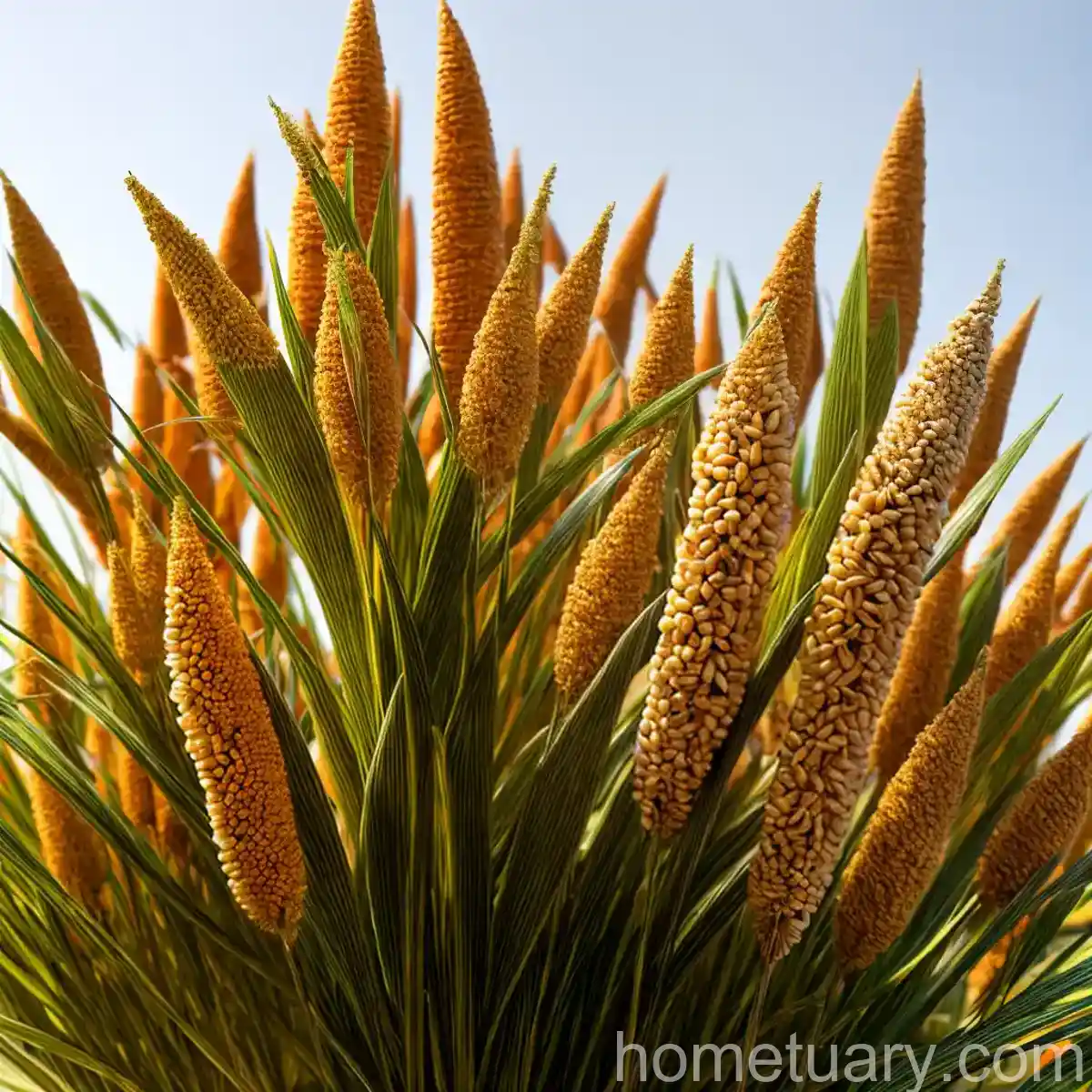
Johnsongrass (Sorghum Halepense): An In-Depth Overview
Johnsongrass (Sorghum Halepense) is a perennial grass plant that is native to the Mediterranean region. It belongs to the Poaceae family, also known as the grass family. Despite its origins, Johnsongrass has become a significant global concern as an invasive weed in many parts of the world.
This blog post aims to provide a comprehensive guide to understanding and managing Johnsongrass. We will delve into its cultural requirements, uses, water and sunlight needs, fertilizer preferences, soil considerations, strategies for pruning and propagation, as well as its popularity and potential diseases and pests. As a botanist, I will also provide some expert tips, fun facts, and direct you to external resources for further information.
What is Johnsongrass (Sorghum Halepense)?
Johnsongrass, scientifically known as Sorghum Halepense, is a robust, perennial plant with a creeping and fibrous root system, enabling it to sustain vigorous growth and spread rapidly. It has a tall, erect stem that can reach heights of up to 8 feet, with wide, long leaves that resemble those of maize or sorghum plants.
This grass typically produces large, showy inflorescences that contain numerous spikelets, each capable of producing hundreds of seeds. While these attributes may make Johnsongrass aesthetically appealing, its aggressive growth and ability to outcompete native vegetation have classified it as a noxious weed in agriculture and natural ecosystems.
Key Takeaways – Johnsongrass (Sorghum Halepense)
To better understand the complexities of Johnsongrass and its management, it is important to highlight key takeaways associated with this plant. Below are the crucial aspects we will explore in the subsequent sections of this blog post:
- Johnsongrass Control and Management: Strategies for controlling the spread of Johnsongrass and effectively managing its presence.
- Invasive Grass Species: Understanding the characteristics of Johnsongrass that contribute to its invasive nature.
- Weed Control Methods: Exploring various methods for controlling and eradicating noxious weeds such as Johnsongrass.
With these fundamental concepts in mind, let’s proceed to explore the cultural requirements, uses, and management strategies associated with Johnsongrass.
Culture
Understanding the cultural requirements of Johnsongrass is essential for effectively managing and utilizing this plant. By examining its water, sunlight, fertilizer, and soil needs, we can develop a comprehensive approach to caring for this species.
Uses
Before delving into its cultural requirements, it’s important to acknowledge the potential uses of Johnsongrass. While it is primarily considered a weed, there are some beneficial aspects of this plant.
Forage and Silage
Johnsongrass can be utilized as a forage crop for livestock. Its high productivity and nutritive value make it a valuable source of fodder. Additionally, it can be ensiled for use in livestock feed.
Biofuel Feedstock
In recent years, there has been interest in utilizing Johnsongrass as a biofuel feedstock due to its rapid growth and high biomass yield. Research is ongoing to optimize its use as a renewable energy source.
Water
Like many grass species, Johnsongrass requires an adequate supply of water for optimal growth. It prefers well-drained soil and can tolerate periods of drought once established. However, consistent moisture levels are essential during the initial establishment phase.
Sunlight
Johnsongrass thrives in full sun or partial shade. It is highly adaptable in terms of light requirements, making it suitable for a wide range of environments.
Fertilizer
In terms of fertilizer, Johnsongrass responds well to nitrogen-rich fertilizers. However, excessive nitrogen applications can lead to overly vigorous growth, potentially exacerbating its weed-like behavior. It is important to balance fertilizer applications to promote healthy growth without encouraging excessive spread.
Soil
Johnsongrass is adaptable to various soil types but performs best in fertile, well-drained soils. Its ability to establish and thrive in diverse soil conditions contributes to its status as an invasive species.
Pruning
Given its rapid growth and potential invasiveness, prudent pruning is essential to control Johnsongrass in managed landscapes. Regular mowing or cutting can help prevent the production and dispersal of seeds and restrict its spread.
Propagation
Johnsongrass can propagate through seeds and vegetative means, primarily via its rhizomatous root system. When attempting to propagate this species, it is crucial to exercise caution to prevent unintentional spread and ensure the responsible management of its genetic material.
Container Popularity
While Johnsongrass is primarily managed in open landscapes and agricultural areas, its potential for container cultivation is limited due to its aggressive growth habits. It is not commonly recommended for container gardening due to the challenges associated with containing its spread.
Common Diseases
Though Johnsongrass is known for its resilience, it can still be susceptible to certain diseases under specific environmental conditions. Common diseases that may affect Johnsongrass include:
- Anthracnose: This fungal disease can cause leaf lesions and ultimately impact the overall health of the plant.
- Rust: Rust infections can manifest as orange pustules on the plant’s leaves, negatively impacting its photosynthetic capacity.
Disease Diagnosis
When diagnosing potential diseases in Johnsongrass, it is crucial to carefully observe and identify the symptoms. Consulting with local agricultural extension services or plant pathology experts can provide valuable insights and recommendations for disease management.
Common Pests
In addition to diseases, Johnsongrass can also attract various pests that may affect its growth and overall health. Common pests that may pose a threat to this species include:
- Aphids: These sap-sucking insects can weaken the plant and spread viral diseases.
- Armyworms and Cutworms: The larvae of these insects can feed on the foliage and stems, potentially causing significant damage.
Botanist’s Tips
As a plant scientist, I would like to offer some tips for effectively managing Johnsongrass and promoting a harmonious coexistence with this plant:
- Regular monitoring and early intervention are essential for preventing the establishment and spread of Johnsongrass.
- When implementing control measures, it is important to consider the ecological impacts and utilize integrated pest management strategies.
- Understanding the local regulations and guidelines related to noxious weed management is imperative to ensure compliance and responsible stewardship of the environment.
-
Fun Facts
Johnsongrass exhibits interesting ecological and botanical characteristics that are worth noting: -
It can produce allelopathic compounds that inhibit the growth of other plant species, contributing to its competitive advantage in ecosystems.
- Despite its status as a weed, Johnsongrass has been utilized in folk medicine for its purported medicinal properties in certain cultures.
Links to External Resources
For further information on Johnsongrass control, management, and related topics, I recommend exploring the following resources:
- University of California Integrated Pest Management: Johnsongrass Management Guidelines
- United States Department of Agriculture – National Invasive Species Information Center: Johnsongrass
- Pennsylvania State University Extension: Controlling Johnsongrass in Gardens and Landscapes
Exploring these resources can provide comprehensive insights into the management and ecological impacts of Johnsongrass.
Conclusion
In conclusion, Johnsongrass (Sorghum Halepense) presents both challenges and potential opportunities in various agricultural, ecological, and environmental contexts. Understanding its cultural requirements, uses, and management strategies is crucial for effectively dealing with its presence and minimizing its negative impacts. By incorporating integrated pest management practices and staying informed about best management practices, we can navigate the complexities associated with this invasive grass species.
Through responsible stewardship and informed decision-making, we can strive to achieve a balanced approach to managing Johnsongrass while respecting the diverse ecosystems and agricultural landscapes it inhabits.




