Smooth Hydrangea (Hydrangea arborescens): A Complete Guide
Hydrangea arborescens, commonly known as smooth hydrangea, is a beautiful and versatile plant that is highly valued in gardens and landscapes. Its large, showy flowers and adaptability to various growing conditions make it a popular choice among gardeners. In this comprehensive guide, we will explore everything you need to know about smooth hydrangea, including its culture, uses, propagation, common diseases, and much more. Whether you are a gardening enthusiast, a landscaper, or simply someone looking to learn more about this stunning plant, this guide will provide you with an in-depth understanding of smooth hydrangea and how to care for it.
What is Smooth Hydrangea?
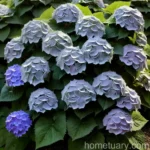
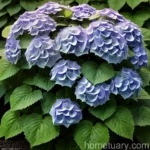
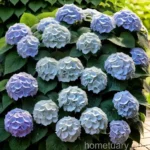
Smooth hydrangea (Hydrangea arborescens) is a deciduous shrub native to the eastern United States. It belongs to the Hydrangeaceae family and is known for its large, round clusters of white or pale pink flowers. The plant typically grows to a height of 3 to 5 feet and has a spread of 4 to 6 feet, making it an ideal choice for borders, woodland gardens, or as a focal point in the landscape.
Key Takeaways
- Smooth Hydrangea Facts: Hydrangea arborescens, also known as smooth hydrangea, is a deciduous shrub valued for its large, showy flowers and adaptability to various growing conditions.
- Growing Hydrangea arborescens: Smooth hydrangea thrives in well-drained, moist soil and prefers partial shade to full sun.
- Hydrangea arborescens Care Tips: Proper watering, suitable sunlight exposure, and regular pruning are essential for the health and growth of smooth hydrangea.
- Smooth Hydrangea Varieties: Varieties of Hydrangea arborescens include ‘Annabelle’ and ‘Incrediball’, each having unique characteristics.
- How to Propagate Hydrangea arborescens: Propagation of smooth hydrangea can be done through stem cuttings, division, or layering.
- Hydrangea arborescens Pruning Guide: Pruning smooth hydrangea in late winter or early spring helps maintain its shape and promotes blooming.
- Smooth Hydrangea Planting Guide: Proper planting depth, spacing, and soil preparation are crucial for the successful establishment of smooth hydrangea.
- Best Soil for Hydrangea arborescens: Well-drained, organically rich soil with a slightly acidic to neutral pH is ideal for smooth hydrangea.
- Smooth Hydrangea Companion Plants: Ferns, astilbe, and hostas are great companion plants for smooth hydrangea.
- Natural Habitat of Hydrangea arborescens: Smooth hydrangea is native to the eastern United States, where it grows in moist woodlands and along stream banks.
Now, let’s delve deeper into each aspect of smooth hydrangea, from its cultural requirements to its role in landscaping and its interactions with pests and diseases.
Culture
Cultivating smooth hydrangea requires a good understanding of its cultural preferences, including water, sunlight, soil, and fertilizer requirements. By providing the right growing conditions, you can ensure that your hydrangea plants thrive and produce an abundance of beautiful blooms.
Uses
Smooth hydrangea can be used in various landscaping settings, such as woodland gardens, borders, naturalized areas, and as a focal point in the landscape. Its large, showy flowers also make it a popular choice for cut flower arrangements and as a pollinator-friendly plant.
Water
Proper watering is crucial for the health and vigor of smooth hydrangea. While the plant prefers consistently moist soil, it is essential to avoid waterlogged conditions, as this can lead to root rot and other problems. A regular watering schedule, especially during hot and dry periods, will help maintain the plant’s moisture levels and promote healthy growth.
Sunlight
Smooth hydrangea thrives in partial shade to full sun. In warmer climates, some afternoon shade can be beneficial, as it helps prevent the plant from wilting in the heat. When selecting a planting location for smooth hydrangea, consider the amount of sunlight it will receive throughout the day to ensure optimal growth and flowering.
Fertilizer
Applying a balanced, slow-release fertilizer in spring can provide the nutrients that smooth hydrangea needs for healthy growth and abundant flowering. It is essential to follow the recommended application rates and avoid over-fertilization, which can lead to excessive foliage growth at the expense of flower production.
Soil
Smooth hydrangea thrives in well-drained, organically rich soil with a slightly acidic to neutral pH. Amending the soil with compost, peat moss, or well-rotted manure can improve its texture and fertility, creating an ideal growing environment for the plant.
Pruning
Pruning smooth hydrangea is essential for maintaining its shape, controlling its size, and promoting blooming. The timing and technique of pruning can vary depending on the specific cultivar and the desired effect. In general, pruning is done in late winter or early spring, before new growth emerges.
Propagation
Propagating smooth hydrangea can be done through several methods, including stem cuttings, division, or layering. Each propagation technique has its advantages and is suitable for different purposes, such as creating new plants, rejuvenating older specimens, or expanding your hydrangea collection.
Container Popularity
Smooth hydrangea is well-suited for container cultivation, allowing gardeners with limited space to enjoy its beauty on patios, balconies, or terraces. When growing hydrangea arborescens in containers, it is crucial to provide proper care, including adequate watering, suitable sunlight, and regular fertilization.
Common Diseases
Despite being relatively low-maintenance plants, smooth hydrangea can be susceptible to certain diseases that can impact their overall health and appearance. Understanding the common diseases and their prevention measures is essential for maintaining healthy and resilient hydrangea plants.
Disease Diagnosis
Common diseases that affect smooth hydrangea include powdery mildew, leaf spot, and various stem and root rots. By recognizing the symptoms and signs of these diseases, you can take timely action to prevent their spread and minimize their impact on the plants.
Common Pests
Smooth hydrangea is relatively resistant to pests, but occasional infestations can occur, affecting the foliage, flowers, or overall vigor of the plant. Identifying common pests and implementing appropriate pest control measures can help protect your hydrangea plants and ensure their continued well-being.
Botanist’s Tips
As a plant scientist, I have studied smooth hydrangea extensively and have gathered valuable insights into its growth habits, ecological interactions, and cultivation techniques. Here are some expert tips for successfully growing and caring for smooth hydrangea in various gardening and landscaping settings:
- Fun Facts: Smooth hydrangea is also known as “wild hydrangea,” reflecting its origin in the woodlands and moist habitats of the eastern United States.
- Links to External Resources: American Hydrangea Society, Missouri Botanical Garden – Hydrangea arborescens.
- Natural Habitat: Hydrangea arborescens is naturally found in moist woodlands, along stream banks, and in other shady, well-drained areas of the eastern United States.
- Landscaping Uses: Smooth hydrangea is a versatile plant that can be used for woodland gardens, perennial borders, and mass plantings, adding a touch of elegance and charm to the landscape.
- Maintenance: Regular deadheading of spent flowers and removing old wood can encourage continuous blooming and maintain a tidy appearance of smooth hydrangea.
- Propagation: Stem cuttings taken in early summer can be successfully rooted to propagate new plants, allowing gardeners to expand their hydrangea collection or share the beauty of this plant with others.
To further enhance your understanding of smooth hydrangea and its role in gardens and landscapes, I have compiled a list of valuable resources that provide detailed information on its cultivation, propagation, and use in various horticultural settings.
Links to External Resources
- American Hydrangea Society: A reputable organization dedicated to promoting knowledge and appreciation of hydrangeas, including Hydrangea arborescens.
- Missouri Botanical Garden – Hydrangea arborescens: Detailed information on the botanical characteristics, growing conditions, and landscape uses of smooth hydrangea.
- Rutgers University – Hydrangea arborescens: Research-based factsheet on smooth hydrangea, including its cultural requirements, pruning guidelines, and pest management strategies.
In conclusion, smooth hydrangea (Hydrangea arborescens) is a captivating and resilient plant that offers a wealth of ornamental and ecological benefits. By understanding its cultural needs, propagation methods, and interactions with pests and diseases, you can successfully integrate this versatile shrub into your garden and landscape designs, creating a beautiful and sustainable outdoor environment for years to come. Whether you are a seasoned gardener or someone embarking on their horticultural journey, the allure of smooth hydrangea is sure to leave a lasting impression and evoke a deep appreciation for the natural world around us.