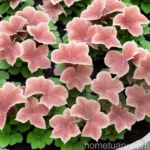
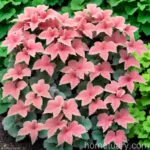
What is the Coral Bells Plant (Heuchera ‘Marmalade’)?
The Coral Bells plant, scientifically known as Heuchera ‘Marmalade’, is a vibrant and versatile perennial plant that is cherished for its stunning foliage and delicate flowers. This plant is a part of the Saxifrage family, Saxifragaceae, and is native to North America. With its attractive mounded shape and an array of colorful foliage, the Coral Bells plant is a popular choice for both amateur and experienced gardeners.
Key Takeaways – Coral Bells (Heuchera ‘Marmalade’)
Before we delve into the specific details of the Coral Bells plant and how to care for it, let’s highlight some key takeaways of this stunning perennial:
- Scientific Name: Heuchera ‘Marmalade’
- Family: Saxifragaceae
- Type: Perennial
- Sunlight: Partial to full shade
- Watering: Consistent moisture
- Soil: Well-draining, fertile soil
- Height: 12-18 inches
- Spread: 18-24 inches
- USDA Hardiness Zones: 4-9
- Blooms: Delicate flowers in late spring to early summer
- Foliage: Colorful and distinct, adding ornamental value to gardens
- Uses: Borders, containers, woodland gardens, and as ground cover
- Diseases: Susceptible to powdery mildew and root rot
- Pests: Occasionally affected by vine weevils and cyclamen mites
Now that we have an overview of the Coral Bells plant, let’s delve into the specifics of its culture, uses, care, and maintenance.
Culture of Coral Bells (Heuchera ‘Marmalade’)
The successful cultivation of Coral Bells relies on understanding its specific cultural requirements. By simulating its natural habitat, you can ensure the plant thrives and displays its captivating features.
Water
As a general rule, Coral Bells prefer consistent moisture. However, they are susceptible to root rot if the soil becomes waterlogged, emphasizing the importance of well-draining soil. While they can handle periods of dry soil, especially in cooler climates, it’s crucial to monitor their moisture levels during the warmer months.
- Water the plant thoroughly, allowing the water to penetrate the soil to the depth of the roots.
- Ensure the soil does not become soggy, as this can lead to root diseases and adversely affect the plant’s health.
- During the summer months, especially in regions experiencing high temperatures, more frequent watering may be necessary.
Sunlight
Coral Bells thrive in partial to full shade, making them an excellent choice for gardens or areas with limited direct sunlight. While they can tolerate some morning sun, it’s essential to protect them from the intense afternoon sun, especially in regions with hot summers.
Fertilizer
To promote healthy growth and vibrant foliage, regular feeding is beneficial for Coral Bells. A balanced, slow-release fertilizer applied in spring can provide the necessary nutrients for the plant to flourish. It’s essential to follow the manufacturer’s guidelines for the specific fertilizer being used.
Soil
One of the critical factors in the successful cultivation of Coral Bells is the soil quality. They thrive in well-draining, fertile soil that is rich in organic matter. It’s advisable to amend the soil with compost before planting to provide the plant with an ideal growing medium.
Uses of Coral Bells (Heuchera ‘Marmalade’)
The Coral Bells plant is prized for its versatility and can be utilized in various garden settings to enhance the aesthetic appeal and functionality of the landscape.
Borders
The vibrant foliage and delicate flowers of Coral Bells make them an excellent choice for border plantings. Their compact size and colorful leaves add visual interest and a touch of elegance to garden borders.
Containers
Coral Bells are well-suited for container gardening, allowing individuals with limited garden space to enjoy their ornamental qualities. They can be grown in pots or containers on patios, balconies, or other outdoor living spaces, adding a pop of color to the surroundings.
Woodland Gardens
Due to their preference for partial to full shade, Coral Bells are a valuable addition to woodland garden settings. Their unique foliage can brighten up shaded areas and complement other shade-loving plants, creating a captivating woodland landscape.
Ground Cover
Certain varieties of Coral Bells, including ‘Marmalade’, can be used as ground cover to create a lush carpet of colorful foliage. Planted en masse, they can transform bare ground into a visually appealing feature while suppressing weed growth.
Pruning Coral Bells (Heuchera ‘Marmalade’)
Pruning is an essential aspect of maintaining the health and appearance of Coral Bells. Here’s how to properly prune these perennials:
- Deadheading Flowers: Remove faded flowers to encourage continuous blooming and prevent the plant from directing energy into seed production.
- Foliage Cleanup: Trim any damaged or discolored leaves to maintain the plant’s aesthetic appeal and prevent the spread of diseases.
- Division: Every few years, consider dividing mature clumps to rejuvenate the plant and prevent overcrowding.
It’s important to perform these pruning tasks with sanitized garden tools to minimize the risk of transmitting diseases between plants.
Propagation of Coral Bells (Heuchera ‘Marmalade’)
The propagation of Coral Bells can be achieved through various methods, allowing gardeners to expand their collection or share these captivating plants with others.
Division
Dividing mature plants is a common and straightforward method of propagating Coral Bells. Here’s how to do it:
- Spring Division: Divide the plant in early spring before new growth emerges.
- Digging and Separating: Carefully lift the plant from the ground, ensuring the root system remains intact. Gently separate the clumps into smaller sections, each containing healthy roots and foliage.
- Replanting: Plant the divisions in prepared soil, ensuring they receive adequate moisture and protection from direct sunlight until they establish themselves.
Seed Propagation
While propagation from seeds is possible, keep in mind that the resulting plants may not be true to the parent plant. Here’s a basic outline for propagating Coral Bells from seeds:
- Harvesting Seeds: Collect mature seeds from the plant once the flowers have faded and the seed heads have developed.
- Sowing: Sow the seeds in trays or pots filled with well-draining seed starting mix.
- Germination: Keep the soil consistently moist and provide the seeds with indirect light for germination.
- Transplanting: Once the seedlings have developed several sets of true leaves, they can be transplanted into individual containers or directly into the garden.
Container Gardening with Coral Bells (Heuchera ‘Marmalade’)
Coral Bells are well-suited for container gardening, offering a versatile option for individuals with limited outdoor space. Here are some tips for successful container gardening with Coral Bells:
- Container Selection: Choose a container that provides adequate drainage and enough space for the plant to grow. A pot with drainage holes at the bottom is essential to prevent waterlogging.
- Potting Mix: Fill the container with a well-draining potting mix that is rich in organic matter. Consider adding a slow-release fertilizer to provide the plant with essential nutrients.
- Watering: Check the moisture levels regularly and water the plant whenever the top inch of the soil feels dry to the touch. Avoid allowing the soil to become excessively dry or soggy.
- Sunlight Requirements: Place the container in a location that provides partial to full shade, protecting the plant from intense afternoon sun.
By following these guidelines, gardeners can create vibrant container displays featuring the captivating foliage of the Coral Bells plant.
Popularity of Coral Bells (Heuchera ‘Marmalade’)
The popularity of Coral Bells has surged in recent years, garnering attention from gardening enthusiasts and landscape designers alike. Its vibrant foliage and adaptable nature make it an appealing choice for a wide range of garden settings and designs.
Ornamental Value
Coral Bells are prized for their ornamental value, offering an array of foliage colors, including shades of green, purple, bronze, and silver. These colorful leaves add visual interest to gardens and complement a variety of flowering plants and shrubs.
Landscape Versatility
From borders and woodland gardens to containers and ground cover, the versatility of Coral Bells makes them a valuable addition to landscape designs. Their compact size and attractive foliage allow for creative placement in different garden settings.
Low Maintenance
The relatively low maintenance requirements of Coral Bells make them an attractive option for both novice and experienced gardeners. Their adaptability to various light conditions and minimal pruning needs contribute to their appeal.
Given its rising popularity, it’s no surprise that numerous cultivars and varieties of Coral Bells are available, catering to diverse aesthetic preferences and gardening requirements.
Common Diseases of Coral Bells (Heuchera ‘Marmalade’)
Despite being relatively low-maintenance, Coral Bells are susceptible to certain diseases that can affect their overall health and appearance.
Powdery Mildew
Powdery mildew can develop on the foliage of Coral Bells, especially in conditions of high humidity and poor air circulation. The characteristic white, powdery patches on the leaves can compromise the plant’s aesthetic appeal and reduce its vigor.
Root Rot
Excessive moisture or poorly draining soil can lead to root rot in Coral Bells, impacting the health of the plant and potentially causing irreversible damage. Symptoms may include yellowing or wilting foliage, stunted growth, and a noticeable decline in overall vigor.
Preventing these diseases involves implementing proper cultural practices, such as maintaining good air circulation, providing consistent moisture without waterlogging, and ensuring well-draining soil.
Disease Diagnosis and Management
Early detection and appropriate management strategies are crucial for preventing the spread of diseases and maintaining the health of Coral Bells.
Monitoring
Regularly inspect the plant for any signs of disease, including changes in foliage color, texture, or overall appearance. Monitoring the plant’s health allows for prompt intervention if any issues are identified.
Cultural Practices
Implementing cultural practices that promote plant health, such as proper watering, adequate air circulation, and well-draining soil, can minimize the risk of diseases affecting the Coral Bells.
Fungicidal Treatments
In cases where diseases have taken hold, targeted fungicidal treatments approved for ornamental plants can be used to manage the issues. It’s essential to carefully follow the instructions provided by the product manufacturer.
Upon recognizing any signs of disease, consider consulting with a local horticulturist or extension service to swiftly address the situation and prevent the spread of diseases to other plants in the vicinity.
Common Pests Affecting Coral Bells (Heuchera ‘Marmalade’)
While Coral Bells are generally resistant to many pests, some insects can occasionally pose a threat to the plant’s health.
Vine Weevils
Vine weevils are known to attack the roots of Coral Bells, potentially causing significant damage to the plant. These nocturnal pests can be particularly challenging to detect, making it crucial to monitor the plant for any signs of distress and apply appropriate control measures.
Cyclamen Mites
Cyclamen mites are tiny pests that can infest the foliage and flowers of Coral Bells, causing distortion and discoloration. Early detection and intervention are critical for managing infestations and preventing extensive damage.
By remaining vigilant and promptly addressing any pest-related issues, gardeners can safeguard the health and vitality of the Coral Bells plant.
Botanist’s Tips for Growing Coral Bells (Heuchera ‘Marmalade’)
To ensure the successful cultivation of Coral Bells and optimize their ornamental qualities, consider the following botanist’s tips:
- Selecting Cultivars: Explore the diverse range of Coral Bells cultivars to discover unique foliage colors and patterns that can complement your garden design.
- Soil Amendments: Prior to planting, amend the soil with organic matter to improve its structure and fertility, providing an optimal growing medium for the plant.
- Mulching: Apply a layer of organic mulch around the base of the plant to conserve moisture, suppress weed growth, and insulate the roots from temperature fluctuations.
- Seasonal Maintenance: Regularly assess the plant’s health and address any maintenance requirements, such as pruning, dividing, or fertilizing, to promote vigorous growth and longevity.
By incorporating these tips into your cultivation practices, you can foster the health and beauty of Coral Bells in your garden.
Fun Facts about Coral Bells (Heuchera ‘Marmalade’)
Delve into the intriguing world of Coral Bells with these captivating fun facts:
- Native American Use: Native American tribes historically utilized certain Heuchera species for medicinal purposes, recognizing their potential healing properties.
- Pollinator Attraction: Coral Bells produce delicate, bell-shaped flowers that are attractive to pollinators such as bees and butterflies, contributing to ecological diversity in the garden.
- Foliage Variation: The diverse foliage colors and patterns of Coral Bells are a result of selective breeding efforts, leading to a wide array of captivating options for gardeners.
- Longevity: With proper care, Coral Bells can be long-lived perennials, providing years of ornamental value and enhancing the beauty of garden landscapes.
These fun facts add depth to the appreciation of Coral Bells and highlight their rich botanical heritage and unique characteristics.
Links to External Resources
Explore the world of Coral Bells and expand your knowledge with these curated external resources:
- Royal Horticultural Society – Heuchera
- University of Illinois Extension – Coral Bells for the Garden
- The Spruce – Growing Coral Bells in the Garden
- American Society for the Prevention of Cruelty to Animals – Heuchera Species
These resources offer valuable insights and practical advice for cultivating and appreciating the captivating beauty of Coral Bells in various garden settings. Whether you’re a seasoned gardener or a newcomer to horticulture, there’s always something new to learn and experience in the wondrous world of plants.
In conclusion, the Coral Bells plant, particularly the ‘Marmalade’ variety, epitomizes the beauty and adaptability of perennials in garden landscapes. Its stunning foliage, delicate flowers, and diverse uses make it a standout choice for gardeners seeking to elevate the visual allure of their outdoor spaces. By understanding the plant’s cultural requirements, pest and disease management, and propagation techniques, you can cultivate thriving Coral Bells that will delight and inspire for years to come.
Remember, the world of plants is a boundless realm of discovery, and each species possesses its own unique story and charm. By immersing ourselves in the wonder of botanical diversity, we deepen our connection to the natural world and embrace the timeless allure of gardening.
Thank you for joining me on this journey into the captivating realm of the Coral Bells plant. May your garden flourish with the vibrant beauty of Heuchera ‘Marmalade’ and a myriad of other enchanting botanical treasures.