Bigleaf Hydrangea (Hydrangea macrophylla ‘Lynn’ LET’S DANCE STARLIGHT): A Comprehensive Guide
Bigleaf Hydrangea, scientifically known as Hydrangea macrophylla ‘Lynn’ LET’S DANCE STARLIGHT, is an exquisite flowering plant cherished for its large, showy blooms and lush foliage. It has become a favorite among gardeners and landscapers for its versatility and stunning visual appeal. In this comprehensive guide, we will delve into the various aspects of the bigleaf hydrangea, including its culture, uses, care requirements, common diseases, and much more. Whether you are a novice gardener or an experienced horticulturist, this guide will provide valuable insights into understanding and cultivating the captivating bigleaf hydrangea.
What is Bigleaf Hydrangea (Hydrangea macrophylla ‘Lynn’ LET’S DANCE STARLIGHT)?
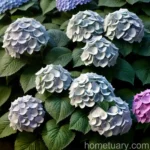
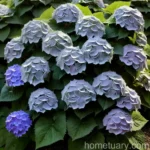
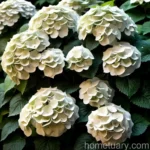
Bigleaf hydrangea, also known as Hydrangea macrophylla ‘Lynn’ LET’S DANCE STARLIGHT, is a deciduous shrub native to Japan, China, and Korea. It belongs to the Hydrangeaceae family and is renowned for its striking, globe-shaped flower clusters and glossy, serrated leaves. The ‘Lynn’ LET’S DANCE STARLIGHT cultivar is celebrated for its profusion of lacecap blooms composed of delicate, starry florets that undergo stunning color transformations throughout the growing season.
Common Names: Bigleaf Hydrangea, French Hydrangea, Hortensia
Scientific Name: Hydrangea macrophylla ‘Lynn’ LET’S DANCE STARLIGHT
Hardiness Zones: 6-9
Key Takeaways – Bigleaf Hydrangea (Hydrangea macrophylla ‘Lynn’ LET’S DANCE STARLIGHT)
Before delving into the specific aspects of bigleaf hydrangea care and characteristics, let’s explore some key takeaways about this captivating plant.
- Botanical Name: Hydrangea macrophylla ‘Lynn’ LET’S DANCE STARLIGHT
- Plant Type: Deciduous Shrub
- Foliage: Glossy, Dark Green
- Flower Color: Varies (Blue, Pink, Purple)
- Bloom Time: Summer to Early Fall
- Size: 3-6 feet in height and width
- Soil pH: Acidic to slightly alkaline (5.2-6.5)
- Common Uses: Borders, Hedges, Container Gardening, Cut Flowers
- Sunlight: Partial Shade to Full Sun
- Watering: Moderate to High
- Pruning: Prune after flowering to shape and control size
- Propagation: Softwood Cuttings, Layering
- Common Pests: Aphids, Spider Mites
- Common Diseases: Powdery Mildew, Botrytis Blight
- Companion Plants: Heuchera, Hosta, Ferns
- Landscape Uses: Mass Plantings, Foundation Plantings, Woodland Gardens
With these key takeaways in mind, let’s explore the various facets of bigleaf hydrangea cultivation and maintenance in greater detail.
Culture
Cultivating bigleaf hydrangeas entails providing the optimal growing conditions to ensure their vigor, health, and abundant flowering. From soil requirements to sunlight preferences, understanding the culture of these enchanting shrubs is crucial for successful cultivation.
Water
Proper watering is essential for the health and vitality of bigleaf hydrangeas. These plants thrive in moderately moist soil, and ensuring consistent hydration is vital, especially during the hot summer months. However, it’s important to strike a balance and avoid waterlogged conditions, as excessive moisture can lead to root rot and other water-related issues.
- Water bigleaf hydrangeas deeply once a week, providing approximately 1 inch of water.
- Adjust watering frequency based on weather conditions; increase during dry spells and reduce during periods of rainfall.
Sunlight
The sunlight requirements of bigleaf hydrangeas contribute significantly to their overall performance and flower production. While these shrubs prefer partial shade to filtered sunlight, the intensity and duration of sunlight can influence the color and size of their blooms.
- Plant bigleaf hydrangeas in locations with morning sun and afternoon shade for optimal flowering.
- In hotter regions, provide protection from intense afternoon sun to prevent wilting and sunscald.
Fertilizer
Fertilization plays a crucial role in promoting robust growth and abundant blooms in bigleaf hydrangeas. Applying a balanced, slow-release fertilizer tailored to the specific needs of these shrubs can enhance their overall vigor and flowering potential.
- Use a complete, balanced fertilizer with a higher phosphorus content to encourage bloom production.
- Apply fertilizer in early spring before new growth emerges, following the manufacturer’s recommendations for dosage and application frequency.
Soil
Bigleaf hydrangeas thrive in well-draining, humus-rich soil with a slightly acidic to neutral pH. The composition and quality of the soil directly impact the plant’s nutrient uptake, root development, and overall health.
- Amend heavy or compacted soil with organic matter such as compost or peat moss to improve drainage and soil structure.
- Test the soil pH regularly and adjust it to the ideal range of 5.2-6.5 using amendments like sulfur or lime as needed.
Pruning
Pruning is an essential aspect of bigleaf hydrangea care, contributing to the plant’s shape, size control, and overall appearance. Understanding the appropriate pruning techniques and timing is crucial for maintaining the health and vigor of these ornamental shrubs.
- Blooming Time: Prune bigleaf hydrangeas immediately after they finish flowering, typically in late summer to early fall.
- Deadheading: Remove spent blooms to promote new growth and potentially encourage a second flush of flowers.
- Thinning: Thin out older stems and weak growth to improve air circulation and overall plant health.
- Rejuvenation: Periodically perform rejuvenation pruning by cutting back one-third of the oldest stems to stimulate fresh growth and rejuvenate the plant.
Propagation
Propagating bigleaf hydrangeas allows you to expand your collection or share these stunning shrubs with fellow gardening enthusiasts. While they can be propagated through various methods, softwood cuttings and layering are among the most effective techniques for obtaining new plants.
- Softwood Cuttings: Take 4-6 inch softwood cuttings from the current season’s growth in early summer, dip them in rooting hormone, and place them in a well-draining rooting medium until roots develop.
- Layering: Bend a low-growing stem to the ground, wound the underside, and secure it with a U-shaped pin or buried weight to encourage root formation. Once rooted, sever the new plant from the parent and transplant it.
Container Popularity
Bigleaf hydrangeas are well-suited for container gardening, adding a vibrant and elegant touch to patios, balconies, and outdoor living spaces. Their adaptability to container cultivation makes them versatile choices for gardeners with limited garden space or those seeking to create stunning displays on porches and decks.
- Container Selection: Choose a large, well-draining container with drainage holes to accommodate the plant’s root system and prevent waterlogging.
- Potting Mix: Use a high-quality potting mix tailored for acid-loving plants to provide the necessary nutrients and moisture retention.
- Maintenance: Monitor soil moisture closely, as containers can dry out faster than garden soil, and fertilize regularly during the growing season.
Common Diseases
Bigleaf hydrangeas are susceptible to certain diseases that can impact their overall health and flowering performance. Understanding the common diseases and their preventive measures is crucial for maintaining the resilience and beauty of these shrubs.
Disease Diagnosis
- Powdery Mildew: Identified by the presence of powdery, white patches on the leaves, powdery mildew can affect the plant’s vigor and aesthetics. Improve air circulation and consider applying fungicidal treatments to manage the disease.
- Botrytis Blight: Characterized by brown, water-soaked lesions on the flowers and stems, botrytis blight can lead to flower bud rot and overall decline. Remove affected plant parts and avoid overhead watering to mitigate the risk of infection.
Common Pests
In addition to diseases, bigleaf hydrangeas are susceptible to certain pests that can affect their growth and vitality. Recognizing the common pests and implementing effective pest management strategies is crucial for safeguarding these ornamental shrubs.
- Aphids: These small, soft-bodied insects feed on the plant’s sap, leading to distorted growth and potential transmission of viral diseases. Use insecticidal soap or horticultural oil to control aphid infestations.
- Spider Mites: These tiny arachnids can cause stippling and webbing on the leaves, impacting the plant’s photosynthetic capacity. Regularly hose down the foliage to deter spider mites and consider using miticides if populations become problematic.
Botanist’s Tips
As a plant scientist, I would like to offer some valuable tips and insights for cultivating bigleaf hydrangeas successfully:
- Mulching: Apply a layer of organic mulch around the base of the plant to conserve soil moisture, regulate soil temperature, and suppress weed growth.
- Winter Protection: In regions with harsh winters, provide additional protection by covering the plant with burlap or a garden fabric and applying a layer of mulch around the base to insulate the roots.
- Soil pH Testing: Regularly monitor the soil pH using a reliable testing kit to ensure it remains within the ideal range for optimal nutrient uptake and bloom coloration.
Fun Facts
Here are some intriguing and delightful facts about bigleaf hydrangeas that highlight their charm and allure:
- The flower color of bigleaf hydrangeas can be influenced by soil pH, with acidic soils favoring blue blooms and alkaline soils promoting pink hues.
- Bigleaf hydrangeas are renowned for their ability to undergo striking color changes, with some varieties displaying multiple colors on a single plant.
- The large, showy blooms of bigleaf hydrangeas make them popular choices for floral arrangements and dried flower crafts, adding a touch of elegance to indoor spaces.
Links to External Resources
For further information and in-depth guidance on bigleaf hydrangeas, explore the resources below:
-
American Hydrangea Society: A comprehensive organization dedicated to advancing the knowledge and appreciation of hydrangeas, featuring articles, cultivation tips, and an extensive plant database.
-
University of Georgia Extension – Growing Hydrangeas: An informative publication offering insights into the cultivation, care, and landscape uses of hydrangeas, including bigleaf varieties.
-
Missouri Botanical Garden – Hydrangea macrophylla: A comprehensive profile featuring detailed information on the characteristics, cultivation requirements, and potential landscape uses of Hydrangea macrophylla, including specific cultivars.
-
Royal Horticultural Society – Hydrangeas: An extensive resource providing guidance on the selection, cultivation, and care of hydrangeas, offering valuable tips for successful gardening.
-
Fine Gardening – Growing Bigleaf Hydrangeas: A detailed article offering insights into the growing and maintenance requirements of bigleaf hydrangeas, including pruning, soil preparation, and addressing common issues.
In conclusion, bigleaf hydrangeas, exemplified by the captivating Hydrangea macrophylla ‘Lynn’ LET’S DANCE STARLIGHT, are enchanting additions to gardens, landscapes, and outdoor spaces. By understanding their culture, care needs, and aesthetic appeal, you can appreciate and cultivate these alluring shrubs with confidence and success.
Note: The information provided in this guide is intended for educational purposes and does not replace professional advice. Always consult with local horticultural experts and extension services for region-specific recommendations and guidance.