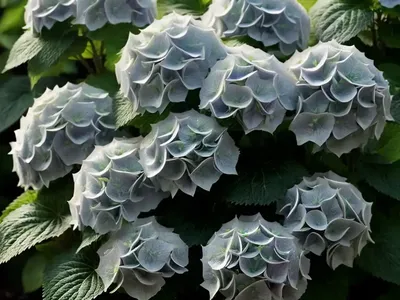
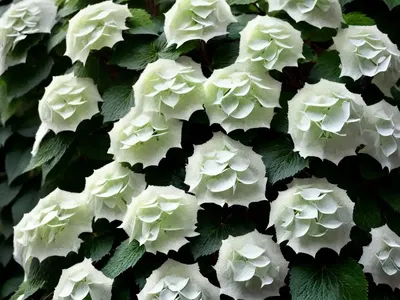
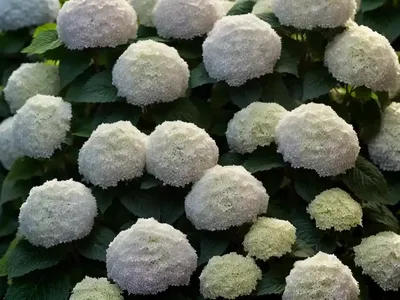
Bigleaf Hydrangea (Wee Bit Grumpy)
Plants have fascinated humanity for centuries, providing aesthetic beauty, environmental benefits, and medicinal properties. One such captivating plant is.
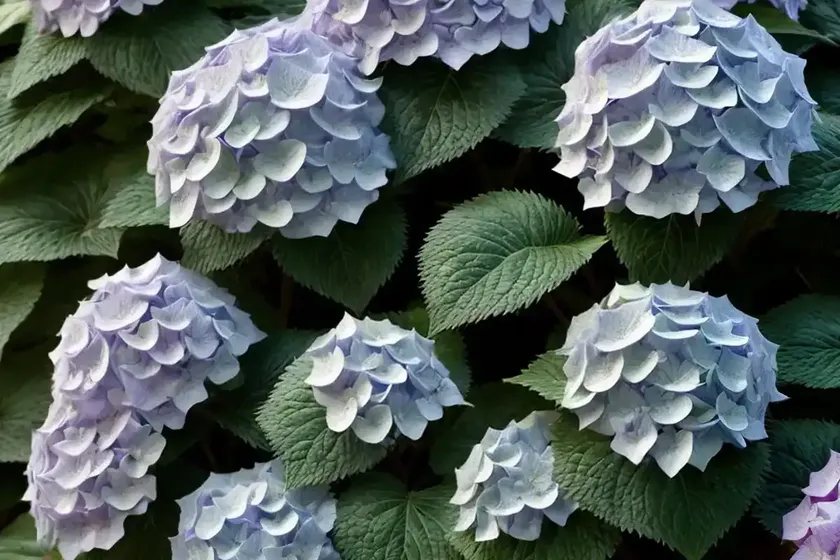
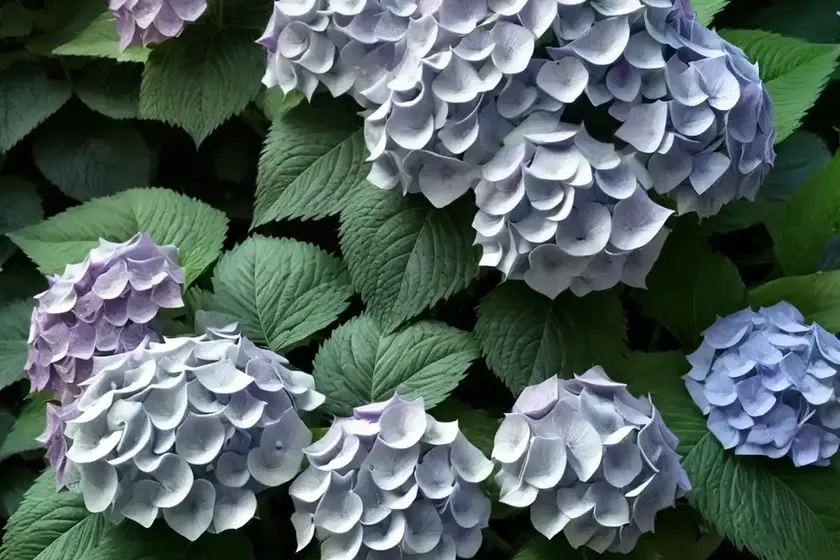
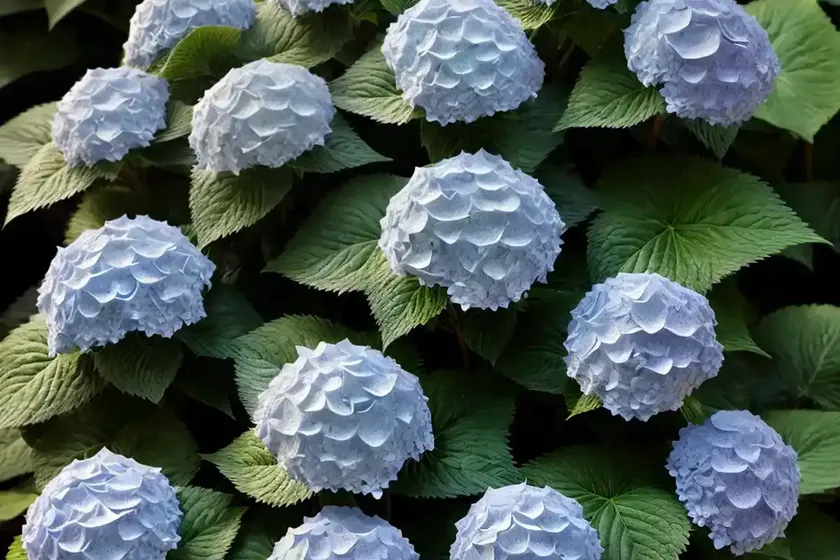
Plants have fascinated humanity for centuries, providing aesthetic beauty, environmental benefits, and medicinal properties. One such captivating plant is the Bigleaf Hydrangea, with the cultivar “Wee Bit Grumpy.” In this comprehensive guide, we will explore the key aspects of this plant, from its characteristics and cultural requirements to its uses, propagation, common diseases, and much more.
What is Bigleaf Hydrangea (Wee Bit Grumpy)?
Bigleaf Hydrangea, scientifically known as Hydrangea macrophylla, is a deciduous shrub native to Japan and China. It is a member of the Hydrangeaceae family, which includes around 80 species of flowering plants. The “Wee Bit Grumpy” cultivar is known for its unique growth habit and stunning flowers, making it a sought-after addition to gardens and landscapes.
Key Takeaways – Bigleaf Hydrangea (Wee Bit Grumpy)
Before delving into the specifics of Bigleaf Hydrangea and its cultivation, let’s consolidate the key takeaways about this enchanting plant:
- Botanical Name: Hydrangea macrophylla
- Cultivar: Wee Bit Grumpy
- Native to: Japan and China
- Common Name: Bigleaf Hydrangea
- Growth Habit: Deciduous shrub
- Distinct Feature: Ornamental, colorful flowers
Now, let’s explore the various aspects of cultivating and caring for the Bigleaf Hydrangea, particularly the “Wee Bit Grumpy” cultivar.
Culture
When it comes to cultivating Bigleaf Hydrangeas, understanding their cultural requirements is pivotal for ensuring their optimal growth and development. Let’s explore the key cultural considerations for this exquisite shrub.
Uses
The Bigleaf Hydrangea, including the “Wee Bit Grumpy” cultivar, has diverse applications in landscaping, floral arrangements, and even traditional medicine. Understanding its uses sheds light on its significance in different contexts.
- In Landscaping: Bigleaf Hydrangeas are popular choices for adding color and texture to landscapes, whether in formal gardens, woodland settings, or mixed borders.
- Floral Decor: The showy blooms of Bigleaf Hydrangeas, including those of the “Wee Bit Grumpy” variety, are often incorporated into stunning floral arrangements, adding elegance and vibrancy to indoor spaces.
- Medicinal Purposes: Some traditional medicinal practices utilize parts of the Hydrangea plant for their potential health benefits, though it’s crucial to consult healthcare professionals before using them.
Water
Proper watering is essential for the overall health and vigor of Bigleaf Hydrangeas. Understanding their water requirements is fundamental for maintaining their lush foliage and bountiful blooms.
- Hydration Needs: Bigleaf Hydrangeas thrive in moist, well-drained soil. Adequate watering, particularly during dry spells, is crucial to prevent the soil from drying out.
- Watering Frequency: During hot and dry periods, regular watering, approximately once or twice a week, is necessary to keep the soil consistently moist.
Sunlight
Sunlight plays a crucial role in determining the growth and blooming patterns of Bigleaf Hydrangeas. Understanding their sunlight requirements is vital for ensuring their robust development.
- Light Preferences: Bigleaf Hydrangeas, including the “Wee Bit Grumpy” cultivar, generally thrive in dappled or filtered sunlight, especially in regions with hot summers.
- Morning Sun and Afternoon Shade: Providing morning sun and afternoon shade is often recommended to protect the plants from intense midday heat, particularly in warmer climates.
Fertilizer
Fertilization is an integral part of nurturing Bigleaf Hydrangeas, ensuring they receive essential nutrients for healthy growth and abundant flowering. Understanding their fertilizer needs is crucial for providing them with the necessary nourishment.
- Balanced Fertilizers: Using a balanced, slow-release fertilizer with a formulation such as 10-10-10 or 12-4-8 can adequately supply the necessary nutrients to the plants.
- Application Timing: Applying fertilizer in early spring, just before new growth emerges, and again in mid-summer helps sustain the plants’ vitality and promote robust flowering.
Soil
The soil composition and structure significantly influence the overall well-being of Bigleaf Hydrangeas. Understanding their soil preferences is essential for creating an optimal growing environment for these captivating shrubs.
- Acidic Soil: Bigleaf Hydrangeas generally thrive in moderately acidic soil with a pH range of 5.2 to 5.5. Acidic soil facilitates better nutrient absorption, particularly for aluminum, which contributes to the plants’ vibrant blue flower coloration.
- Organic Matter: Incorporating organic matter such as compost, well-rotted manure, or peat moss into the soil enhances its structure and fertility, promoting healthy root development and overall plant vigor.
Pruning
Proper pruning is essential for shaping, rejuvenating, and maintaining the health of Bigleaf Hydrangeas. Understanding the appropriate pruning techniques for these shrubs is crucial for achieving desirable growth and abundant blooms.
- Pruning Timing: Pruning Bigleaf Hydrangeas, including the “Wee Bit Grumpy” cultivar, is typically performed after the flowering season, usually in late summer or early fall. This practice allows the plants to develop new flower buds for the following year while preventing unnecessary stress on the existing growth.
- General Pruning Guidelines: Removing spent flowers, dead or damaged branches, and thinning out excessive growth are common practices when pruning Bigleaf Hydrangeas. It’s important to maintain the shrub’s natural form while promoting ventilation and light penetration within the canopy.
Propagation
Propagation techniques enable the expansion of Bigleaf Hydrangea populations, allowing for the cultivation of new plants from existing ones. Understanding the methods of propagation is valuable for individuals looking to propagate the “Wee Bit Grumpy” cultivar or other Bigleaf Hydrangea varieties.
- Stem Cuttings: Propagating Bigleaf Hydrangeas through stem cuttings is a popular and effective method. Selecting healthy, non-flowering shoots and rooting them in a suitable medium, such as a mix of peat and perlite, can yield new, genetically identical plants.
- Division: Dividing mature Bigleaf Hydrangea plants during the dormant season offers another means of propagation. Separating the root ball into smaller sections and replanting them allows for the establishment of new plants with minimal stress on the parent plant.
Container Popularity
Bigleaf Hydrangeas, including the “Wee Bit Grumpy” variety, are well-suited for container gardening, presenting a versatile option for individuals with limited garden space or those seeking to create captivating displays on patios and balconies.
- Container Selection: Choosing appropriately sized containers with drainage holes is imperative for cultivating Bigleaf Hydrangeas in containers. The containers should accommodate the plant’s root system while facilitating adequate drainage to prevent waterlogged soil.
- Soil Considerations: Utilizing a well-draining, high-quality potting mix designed for container gardening provides the necessary support and aeration for Bigleaf Hydrangeas grown in containers.
Common Diseases
Despite their ornamental appeal, Bigleaf Hydrangeas, including the “Wee Bit Grumpy” cultivar, are susceptible to certain diseases. Recognizing and addressing common diseases is crucial for maintaining the plants’ health and vitality.
- Powdery Mildew: Powdery mildew, characterized by a white, powdery coating on the leaves, can affect Bigleaf Hydrangeas, particularly in humid conditions. Proper airflow and fungicidal treatments can help manage this fungal disease.
- Cercospora Leaf Spot: Cercospora leaf spot manifests as circular, dark spots on the leaves, often leading to premature leaf drop. Pruning affected foliage and promoting good sanitation practices are essential for disease management.
Disease Diagnosis
Diagnosing diseases affecting Bigleaf Hydrangeas involves careful observation of symptoms and, when necessary, seeking professional guidance to ascertain the specific disease and the appropriate management strategies.
- Symptom Recognition: Identifying symptoms such as leaf discoloration, unusual spots, or powdery residues can aid in recognizing potential diseases affecting Bigleaf Hydrangeas.
- Professional Consultation: Seeking assistance from horticultural experts or plant pathologists can provide valuable insights into diagnosing and addressing specific diseases, particularly when conventional management approaches prove ineffective.
Common Pests
In addition to diseases, Bigleaf Hydrangeas are susceptible to certain pests that can compromise their growth and floral display. Understanding common pests and their control measures is essential for safeguarding the plants from pest-related damage.
- Aphids: Aphids, small, sap-feeding insects, can infest Bigleaf Hydrangeas, causing leaf distortion and honeydew secretion. Physical removal, insecticidal soaps, and natural predators help manage aphid populations.
- Spider Mites: These tiny arachnids can infest Bigleaf Hydrangeas, leading to stippled and discolored leaves. Regularly spraying the foliage with water and applying insecticidal oils can help control spider mite infestations.
Botanist’s Tips
As a plant scientist with a deep appreciation for Bigleaf Hydrangeas, including the captivating “Wee Bit Grumpy” cultivar, I offer the following insights and tips for those interested in growing and caring for these remarkable shrubs:
- Selecting Cultivars: When choosing Bigleaf Hydrangea cultivars, consider factors such as flower color, growth habit, and cold hardiness, ensuring they align with your aesthetic preferences and local climate.
- Soil Testing: Conducting soil tests to determine the pH level and nutrient content is crucial for providing optimal growing conditions for Bigleaf Hydrangeas, especially when aiming to influence flower color through soil acidity management.
- Seasonal Care: Adhering to seasonal care practices, including winter protection, appropriate pruning times, and timed fertilization, contributes to the overall health and vigor of Bigleaf Hydrangeas, supporting their consistent performance in the landscape.
Fun Facts
To further enrich your understanding and appreciation of Bigleaf Hydrangeas, here are some intriguing and delightful facts about these enchanting shrubs, including the unique “Wee Bit Grumpy” cultivar:
- Flower Color Transformation: The flower color of Bigleaf Hydrangeas can undergo a fascinating transformation based on soil acidity levels, with pink blooms in alkaline soils and blue blooms in acidic soils.
- Lacecap and Mophead Varieties: Bigleaf Hydrangeas are available in two primary flower forms: lacecap, characterized by flattened clusters of small flowers surrounded by larger sterile florets, and mophead, featuring dense, rounded flower heads composed mainly of sterile florets.
- Symbolic Meanings: In various cultures, Hydrangeas symbolize diverse meanings, often associated with gratitude, heartfelt emotions, and understanding, making them popular choices for thoughtful gifts and meaningful garden plantings.
Links to External Resources
To expand your knowledge and gain further insights into the cultivation and care of Bigleaf Hydrangeas, including the “Wee Bit Grumpy” cultivar, I recommend exploring the following external resources:
-
American Hydrangea Society: This comprehensive resource offers valuable information on Hydrangea species, cultivars, and cultural practices, including tips for growing Bigleaf Hydrangeas.
-
Royal Horticultural Society – Growing Hydrangeas: The Royal Horticultural Society provides an insightful guide to growing and caring for Hydrangeas, featuring practical advice and recommendations for optimal plant health.
-
University of Florida IFAS Extension – Hydrangea Production Guide: This production guide offers in-depth insights into Hydrangea cultivation, including information on soil management, fertilization, and pest control for optimal production.
-
Missouri Botanical Garden – Hydrangea Care: The Missouri Botanical Garden provides valuable tips and resources for caring for Hydrangeas, covering a range of topics relevant to the successful cultivation of these ornamental shrubs.
In conclusion, the Bigleaf Hydrangea, particularly the “Wee Bit Grumpy” cultivar, presents an alluring addition to gardens and landscapes, captivating enthusiasts with its stunning blooms and distinctive growth habits. By understanding and implementing the recommended cultural practices, disease management strategies, and propagation techniques, individuals can foster the optimal growth and flourishing beauty of Bigleaf Hydrangeas, further enhancing their horticultural experiences and outdoor spaces.
Remember, as you embark on your journey of cultivating and caring for Bigleaf Hydrangeas, embracing the remarkable qualities and nuances of the “Wee Bit Grumpy” cultivar adds an extra layer of charm and character to your botanical endeavors, enriching your appreciation for these exceptional shrubs.