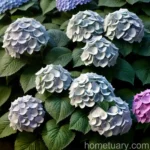
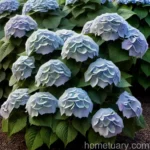
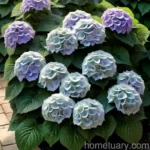
The Fascinating bigleaf hydrangea (Hydrangea macrophylla ‘Nigra’)
As a plant scientist, I have always been fascinated by the diversity and beauty of plants. One plant that never fails to captivate me is the bigleaf hydrangea (Hydrangea macrophylla ‘Nigra’). With its stunning dark foliage and showy flowerheads, this variety of hydrangea adds a touch of elegance to any garden or landscape. In this comprehensive guide, we will explore everything you need to know about the bigleaf hydrangea, from its cultural requirements to common diseases and pests. So, let’s dive in and unravel the secrets of this captivating plant.
What is bigleaf hydrangea (Hydrangea macrophylla ‘Nigra’)?
The bigleaf hydrangea, scientifically known as Hydrangea macrophylla ‘Nigra’, is a cultivar of the Hydrangea macrophylla species. It is also commonly referred to as the Nigra hydrangea, black stem hydrangea, large leaf hydrangea, or purple hydrangea variety. This particular cultivar is prized for its striking dark foliage and impressive flowerheads, making it a popular choice among gardeners and landscapers.
Key Takeaways
Before we delve into the specifics of the bigleaf hydrangea, let’s highlight some key takeaways about this captivating plant:
-
Hydrangea macrophylla ‘Nigra’ is known for its dark foliage and large, showy flowerheads.
-
This cultivar is a compact variety of bigleaf hydrangea, making it suitable for various garden sizes and landscapes.
-
The plant’s unique stem color and deep purple leaves make it a standout feature in any garden or container setting.
Now that we have an overview of the bigleaf hydrangea, let’s explore its cultural requirements, uses, and maintenance tips in detail.
Culture
Water
Bigleaf hydrangeas are relatively thirsty plants and require consistent moisture to thrive. When planting or caring for a bigleaf hydrangea, it is essential to ensure adequate watering, especially during periods of drought or high temperatures. A regular watering schedule, supplemented by mulching to retain soil moisture, is crucial for the plant’s overall health and vitality.
Sunlight
In terms of sunlight requirements, the bigleaf hydrangea prefers partial shade or filtered sunlight. While it can tolerate some morning sun, it is essential to protect the plant from intense afternoon sun, especially in regions with hot summers. Adequate shade helps preserve the plant’s delicate flower color and prevents excessive wilting during periods of heat stress.
Fertilizer
Proper fertilization is key to encouraging healthy growth and vibrant blooms in bigleaf hydrangeas. A balanced, slow-release fertilizer formulated for acid-loving plants is ideal for promoting strong root development and abundant flowering. Additionally, incorporating organic matter into the soil can provide essential nutrients and improve the overall fertility of the planting area.
Soil
The bigleaf hydrangea thrives in well-drained, rich, and slightly acidic soil. A loamy, organically rich soil mix with good moisture retention is recommended for optimal growth. It is advisable to perform a soil test before planting to assess the soil’s pH and nutrient levels, making any necessary amendments to create an ideal environment for the plant.
Pruning
Pruning plays a crucial role in shaping and rejuvenating bigleaf hydrangeas. To maintain the plant’s desired size and encourage vigorous growth, it is essential to prune selectively. The best time to prune bigleaf hydrangeas is after the flowering period, typically in late summer or early fall. By removing spent flowers and selectively thinning out old or weak stems, you can promote new growth and enhance the plant’s overall appearance.
Propagation
Bigleaf hydrangeas can be propagated through several methods, including softwood cuttings, hardwood cuttings, and division. Softwood cuttings, taken during the plant’s active growth phase, typically root quickly under controlled conditions. Hardwood cuttings, taken during the plant’s dormant season, can also be successfully rooted to produce new plants. Additionally, division of mature plants allows for the creation of multiple offshoots, each capable of developing into a robust, blooming specimen.
Container Popularity
Due to their compact growth habit and ornamental appeal, bigleaf hydrangeas are well-suited for container gardening. Whether displayed on patios, balconies, or as focal points in garden settings, these plants thrive in large containers with adequate drainage. Their striking dark foliage and captivating flowerheads make them a popular choice for creating visually stunning container arrangements and enhancing outdoor living spaces.
Container Common Diseases
While bigleaf hydrangeas are relatively low-maintenance, they can be susceptible to certain diseases, especially when grown in containers. Common diseases that may affect container-grown bigleaf hydrangeas include:
-
Powdery Mildew: This fungal disease appears as a powdery white coating on the plant’s leaves and stems, often triggered by high humidity and poor air circulation.
-
Cercospora Leaf Spot: Characterized by the development of dark brown spots with distinctive halos on the plant’s foliage, this disease can weaken the overall health of the plant if left untreated.
To mitigate the risk of these diseases, maintaining good air circulation around the container plants, avoiding overhead watering, and promptly removing any infected plant material are essential preventive measures.
Disease Diagnosis
Proper diagnosis of diseases is vital for implementing effective control measures and preserving the plant’s health. When observing symptoms of disease on bigleaf hydrangeas, it is essential to consult with a knowledgeable plant professional or extension service to accurately identify the specific issue. This enables targeted treatment options and preventative strategies to be implemented, ultimately safeguarding the plant from further damage.
Common Pests
Bigleaf hydrangeas may encounter various pests that can compromise their growth and overall vigor. Some of the common pests that may affect these plants include:
-
Aphids: These small, soft-bodied insects feed on the plant’s sap, often congregating on the undersides of leaves and causing distortion of the foliage.
-
Spider Mites: These tiny arachnids can inflict damage by sucking sap from the plant’s leaves, leading to the development of characteristic stippling and webbing on the foliage.
-
Scale Insects: Scale insects can infest the stems and foliage of bigleaf hydrangeas, feeding on plant juices and potentially weakening the plant over time.
Botanist’s Tips
To ensure the successful cultivation of bigleaf hydrangeas, here are some valuable tips from a plant scientist’s perspective:
-
Monitor Soil Moisture: Regularly assess the soil moisture levels around the plant and adjust watering practices as needed to maintain optimal conditions.
-
Prune with Precision: When pruning bigleaf hydrangeas, aim for selective and precise cuts to promote healthy growth and abundant flowering.
-
Monitor for Signs of Stress: Keep a close eye on the plant for any signs of stress, such as wilting or discoloration, and respond promptly to address underlying issues.
Fun Facts
Uncover some intriguing and lesser-known facts about bigleaf hydrangeas:
-
The flower color of bigleaf hydrangeas can be influenced by soil pH, with lower pH levels resulting in blue flowers and higher pH levels yielding pink flowers.
-
Bigleaf hydrangeas have been cultivated for centuries and hold cultural significance in various regions, often symbolizing gratitude, grace, and abundance.
-
The dark foliage of the Hydrangea macrophylla ‘Nigra’ cultivar adds a unique and visually striking element to garden landscapes, captivating the attention of onlookers.
Now that we have explored the various aspects of the bigleaf hydrangea, let’s delve into additional resources and expert insights to further enhance our understanding of this captivating plant.
Links to External Resources
For additional information and in-depth guidance on bigleaf hydrangeas, consider exploring the following external resources:
-
American Hydrangea Society: A valuable resource for hydrangea enthusiasts, offering comprehensive information on different hydrangea species and cultivars, including Hydrangea macrophylla ‘Nigra’.
-
University Extension Services: Many university extension programs provide research-based information on plant care, disease management, and pest control, offering valuable insights specific to regional conditions.
-
Royal Horticultural Society: The RHS website offers a wealth of information on hydrangeas and their cultivation, catering to both novice and experienced gardeners seeking expert advice.
By exploring these external resources, you can gain further expertise and leverage valuable insights to nurture and appreciate the beauty of the bigleaf hydrangea in your own garden or landscape.
In conclusion, the bigleaf hydrangea (Hydrangea macrophylla ‘Nigra’) stands as a captivating specimen, captivating with its dark foliage and alluring flowerheads. By understanding its cultural requirements, maintenance practices, and unique attributes, you can embark on a journey of cultivating and cherishing this remarkable plant in your outdoor spaces. Whether as a focal point in a garden bed, a striking element in a container display, or as part of a vibrant landscape, the bigleaf hydrangea exudes charm and elegance like few other plants.
Remember to always explore, learn, and marvel at the remarkable diversity and beauty of the plant world, for it is a source of endless inspiration and wonder.