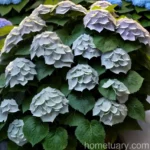
Bigleaf Hydrangea (Hydrangea macrophylla ‘Sonmarie’ PINK SHIRA)
Bigleaf hydrangea, scientifically known as Hydrangea macrophylla ‘Sonmarie’ PINK SHIRA, is a stunning and popular ornamental shrub plant. Renowned for its exquisite pink blooms and large, luscious leaves, this hydrangea cultivar has captured the hearts of gardeners and plant enthusiasts alike. In this comprehensive guide, we will explore everything there is to know about the bigleaf hydrangea, from its cultural requirements to its propagation, common diseases, and tips for care. Join me as we delve into the world of this striking pink-flowered hydrangea and uncover the secrets to cultivating and preserving its natural beauty.
What is Bigleaf Hydrangea (Hydrangea macrophylla ‘Sonmarie’ PINK SHIRA)?
The bigleaf hydrangea, also known as Hydrangea macrophylla ‘Sonmarie’ PINK SHIRA, is a deciduous shrub belonging to the Hydrangeaceae family. Originating from Japan, this exquisite flowering plant is revered for its large, showy blooms that emerge in captivating shades of pink. The name ‘Sonmarie’ PINK SHIRA specifically refers to the pink-flowered cultivar of the Hydrangea macrophylla species, distinguished by its remarkable floral display and distinctive foliage.
Key Takeaways – Bigleaf Hydrangea (Hydrangea macrophylla ‘Sonmarie’ PINK SHIRA)
Before we embark on our exploration of the bigleaf hydrangea, let’s take a moment to summarize the key takeaways of this beautiful shrub:
- Scientific Name: Hydrangea macrophylla ‘Sonmarie’ PINK SHIRA
- Common Name: Bigleaf Hydrangea
- Family: Hydrangeaceae
- Characteristics: Deciduous shrub, pink-flowering, large showy blooms, lush green foliage
- Cultural Preference: Partial shade, consistent moisture, well-drained soil
- Uses: Ornamental garden plant, landscaping, cut flower arrangements
- Propagation: Softwood cuttings, division
- Common Pests: Aphids, spider mites
- Common Diseases: Powdery mildew, leaf spot
- Pruning: After flowering to shape and control size
- Popularity: Highly favored for its striking pink blooms and versatile uses in gardens and landscapes
Now that we have familiarized ourselves with the basic overview of the bigleaf hydrangea, let’s venture deeper into its world and discover the intricate details of its cultivation, care, and maintenance.
Culture
The cultural requirements of the bigleaf hydrangea play a vital role in ensuring its optimal growth and prolific flowering. From its preferences for water and sunlight to its favored soil conditions and fertilization needs, understanding the cultural nuances of this exquisite shrub is essential for harnessing its full potential in the garden or landscape.
Water
Bigleaf hydrangeas thrive in consistently moist soil, but it’s crucial to strike a balance to prevent waterlogged conditions. Overly wet soil can lead to root rot and other moisture-related issues, while insufficient moisture can cause the plant to wilt and suffer from reduced flowering. Adequate watering is especially critical during the hotter months and periods of drought, as the plant’s large leaves can contribute to increased transpiration.
- Watering Frequency: Water the plant regularly, aiming to keep the soil evenly moist, but not waterlogged.
- Avoid Overhead Watering: Minimize overhead watering to prevent fungal diseases, especially on the foliage and flowers.
- Mulching: Apply a layer of organic mulch around the base of the plant to retain soil moisture and regulate temperature.
Sunlight
Choosing the right spot for your bigleaf hydrangea is crucial for its overall health and flowering performance. While the plant appreciates some direct sunlight, it generally prefers partially shaded conditions, especially during the peak hours of intense sunlight.
- Partial Shade: Select a location with dappled sunlight or morning sun combined with afternoon shade.
- Protection from Harsh Afternoon Sun: Shield the plant from the strong afternoon sun, particularly in regions with hot summers.
- Morning Sun Exposure: Ensure the plant receives gentle morning sunlight to promote healthy growth and abundant blooms.
Fertilizer
Fertilizing the bigleaf hydrangea is an essential aspect of its care regimen, providing the necessary nutrients to support vigorous growth and prolific flowering. Understanding the appropriate fertilization schedule and the type of fertilizers to use is essential for maintaining the plant’s overall health and vitality.
- Timing: Apply a balanced, slow-release fertilizer in early spring before the onset of new growth.
- Frequency: Reapply fertilizer in late spring or early summer to sustain the plant’s nutrient requirements during the active growing season.
- Avoid Excessive Nitrogen: Refrain from excessive nitrogen fertilization to prevent excessive foliage growth at the expense of blooms.
Soil
The soil composition and structure significantly impact the health and performance of the bigleaf hydrangea. Optimal soil conditions, including good drainage and organic content, create a favorable environment for the plant to thrive and produce an abundance of spectacular pink blooms.
- Well-Draining Soil: Ensure the planting site features well-draining soil to prevent waterlogging, especially in regions with heavy rainfall.
- Organic Matter: Amend the soil with organic matter such as compost or well-rotted manure to improve its structure and fertility.
- Acidic Soil Preference: Bigleaf hydrangeas tend to favor slightly acidic soil with a pH range between 5.2 and 6.5.
Pruning
Pruning is a fundamental aspect of maintaining the shape, size, and overall appearance of the bigleaf hydrangea. Understanding the appropriate timing and techniques for pruning can help preserve the plant’s natural form and enhance its blooming potential.
- Pruning Time: Prune the bigleaf hydrangea immediately after flowering, typically in late summer or early fall.
- Deadheading: Remove spent blooms to encourage the development of new flowering shoots.
- Selective Pruning: Thin out crowded branches and eliminate weak or damaged growth to promote air circulation and overall vigor.
- Size Control: Trim back the plant judiciously to manage its size and maintain a balanced shape, especially in confined garden spaces.
Propagation
Propagating the bigleaf hydrangea allows for the expansion of its presence in the garden or landscape and provides an opportunity to share the plant’s exceptional beauty with others. Understanding the various propagation methods, from softwood cuttings to division, opens the doors to creating new plants and preserving cherished cultivars.
- Softwood Cuttings: Take semi-ripe cuttings from the current season’s growth and root them in a well-draining growing medium, typically in early summer.
- Division: Divide established plants in fall or early spring, ensuring each division includes healthy roots and adequate shoots for replanting.
Common Diseases and Pests
Despite its captivating beauty, the bigleaf hydrangea is susceptible to certain diseases and pests that can impact its overall health and vitality. Recognizing the signs of common diseases and pests is essential for implementing timely intervention and preventive measures to protect the plant.
Common Diseases
- Powdery Mildew: Recognized by the powdery, white fungal growth on the leaves, powdery mildew can affect the plant, especially during periods of high humidity and insufficient air circulation.
- Leaf Spot: Characterized by dark spots or lesions on the foliage, leaf spot can occur due to environmental stress or damp conditions.
- Preventive Measures: Ensure good air circulation, avoid overhead watering, and maintain overall plant health to minimize the risk of fungal diseases.
Disease Diagnosis
When observing symptoms of disease or distress in the bigleaf hydrangea, it’s essential to accurately diagnose the issue to implement the appropriate treatment and preventive measures. Consulting with plant experts or utilizing diagnostic resources can aid in identifying and addressing potential diseases effectively.
Common Pests
- Aphids: Small, sap-sucking insects that can cause distortion of new growth and excrete honeydew, leading to the development of sooty mold.
- Spider Mites: These microscopic pests can infest the underside of leaves, causing stippling and discoloration of the foliage.
- Integrated Pest Management (IPM): Implement proactive measures such as regular monitoring, natural predators, and targeted treatments to manage pest infestations while minimizing the use of chemical interventions.
Botanist’s Tips
Glean valuable insights and tips from experienced botanists and horticulturists to enhance your understanding of the bigleaf hydrangea and elevate your cultivation practices to new heights. Incorporating expert recommendations and best practices can contribute to the successful growth and flourishing of this captivating shrub.
- Observation and Monitoring: Regularly observe the plant for signs of stress, nutrient deficiencies, or pest and disease issues, allowing for early intervention and remedial actions.
- Adaptation to Microclimates: Consider the unique microclimatic conditions within your garden or landscape to select the most suitable location for planting the bigleaf hydrangea.
- Cultural Adjustments: Fine-tune the cultural practices, including watering, fertilization, and pruning, based on the specific requirements of your local environment and climate.
Fun Facts
Discover intriguing and captivating fun facts about the bigleaf hydrangea that add depth and fascination to your experience with this remarkable shrub.
- Changeable Bloom Color: The color of the bigleaf hydrangea’s blooms can undergo a fascinating transformation based on the soil pH, exhibiting shades of pink, blue, or even purple.
- Enhancing Blue Blooms: Acidic soil conditions with lower pH levels can intensify the blue hue of the hydrangea blooms, creating an enchanting visual spectacle in the garden.
Links to External Resources
Explore additional resources and valuable information on the bigleaf hydrangea, providing diverse perspectives and insights from experts in the field of horticulture and botanical science.
- American Hydrangea Society
- Royal Horticultural Society – Hydrangeas
- University of Georgia Extension – Hydrangea Culture and Pruning
- Missouri Botanical Garden – Hydrangea Care
- The Morton Arboretum – Hydrangea macrophylla
In conclusion, the bigleaf hydrangea, represented by the captivating Hydrangea macrophylla ‘Sonmarie’ PINK SHIRA, offers a delightful palette of pink floral beauty and lush foliage, making it a cherished addition to gardens and landscapes. By embracing the nuances of its cultural requirements, mastering the art of pruning and propagation, and vigilantly safeguarding against common diseases and pests, gardeners can witness the full splendor of this extraordinary shrub. Whether adorning a quaint container or gracing a scenic border, the bigleaf hydrangea stands as a testament to nature’s artistry, captivating hearts with its unparalleled grace and floriferous charm.
As we continue to nurture our bond with plants and cultivate the beauty that surrounds us, the bigleaf hydrangea beckons with its unrivaled allure, inviting us to share in the joy of its ever-changing blooms and timeless elegance.
Remember, in the world of plants, every petal and leaf holds a story, and in every garden, a botanical masterpiece unfolds.
Let the pink floral beauty of the bigleaf hydrangea entrall you with its captivating splendor, and may your gardens burgeon with the resplendent charm of this remarkable shrub.
Happy gardening!
I hope you find this comprehensive guide to the bigleaf hydrangea insightful and enriching. Let me know if you need any further information or have specific questions about this delightful ornamental shrub.