Showy Stonecrop (Hylotelephium spectabile ‘Meteor’): A Complete Guide
Showy stonecrop, scientifically known as Hylotelephium spectabile ‘Meteor’, is a stunning perennial plant that is favored by gardeners and landscapers for its vibrant blooms and low-maintenance characteristics. This article is a comprehensive guide to understanding, growing, and caring for showy stonecrop. We will delve into its culture, uses, water and sunlight requirements, soil preferences, propagation techniques, container gardening, common diseases and pests, and other essential aspects. By the end of this guide, you will have gained valuable insights into cultivating and enjoying the beauty of showy stonecrop in your own garden or landscape.
What is Showy Stonecrop (Hylotelephium spectabile ‘Meteor’)?
Showy stonecrop, with its botanical name Hylotelephium spectabile ‘Meteor’, is a perennial herbaceous plant belonging to the Crassulaceae family. Originating from East Asia, it is widely cultivated for its stunning floral display and attractive foliage. The common name “stonecrop” refers to its ability to grow in rocky or stony areas. The cultivar ‘Meteor’ is particularly noted for its striking pink blooms that emerge in late summer to early fall, adding a burst of color to the landscape when many other plants have finished flowering.
Given its resilience and adaptability, showy stonecrop has become a popular choice for a range of landscape applications, including borders, rock gardens, and container gardening. Its ability to thrive in various conditions and its minimal maintenance requirements make it an ideal plant for both experienced and novice gardeners.
Key Takeaways – Showy Stonecrop (Hylotelephium spectabile ‘Meteor’)
Before we delve into the details of growing and caring for showy stonecrop, let’s highlight some key takeaways about this appealing plant:
- Scientific Name: Hylotelephium spectabile ‘Meteor’
- Common Name: Showy Stonecrop
- Plant Type: Perennial
- Flower Color: Pink
- Bloom Time: Late summer to early fall
- Attracts: Pollinators such as bees and butterflies
- Landscape Uses: Borders, rock gardens, containers
- Low Maintenance: Thrives with minimal care
- Hardiness Zones: Typically grows in USDA hardiness zones 3-9
Now that we have a brief overview of showy stonecrop, let’s explore the various aspects of its culture, uses, and maintenance in detail.
Culture
Water
Showy stonecrop exhibits remarkable drought tolerance, making it an excellent choice for water-wise gardening and landscapes that experience dry conditions. While it can endure periods of low rainfall, especially once established, providing occasional watering during prolonged droughts can help maintain its vigor and flowering capacity. During the plant’s active growing season in spring and summer, water deeply when the soil is dry to the touch, but ensure that the soil has good drainage to prevent waterlogging, which can lead to root rot.
Sunlight
This plant thrives in full sun to part shade, displaying the best growth and flowering performance when provided with six to eight hours of direct sunlight per day. In regions with intense heat, some afternoon shade can be beneficial, particularly during the hottest months. When grown in partial shade, the plant may exhibit slightly more elongated growth, but it will still produce the characteristic pink blooms that adorn its clusters of succulent foliage.
Fertilizer
A modest approach to fertilization is typically adequate for showy stonecrop. Incorporating a balanced, slow-release fertilizer into the soil at the beginning of the growing season can provide the necessary nutrients to support healthy growth and abundant flowering. Avoid over-fertilizing, as excessive fertility can lead to leggy growth and reduced flowering. If the plant shows signs of nutrient deficiency, such as pale or yellowish foliage, a light application of a balanced fertilizer in mid-spring can rectify the issue.
Soil
Showy stonecrop flourishes in well-draining soil that is moderately fertile. It can tolerate a wide range of soil types, including sandy, loamy, or rocky soils, as long as excess moisture is not retained around its roots. A slightly alkaline to neutral soil pH (6.5 to 7.5) is preferred, but the plant can adapt to slightly acidic conditions as well. When planting in containers, ensure the use of a well-draining potting mix designed for succulent plants to promote good root health.
Uses
Pruning
Showy stonecrop generally requires minimal pruning, and its neat, compact growth habit makes it an ideal choice for low-maintenance landscapes. To promote a tidy appearance and encourage vigorous growth, deadheading spent blooms as they fade can prolong the flowering period and prevent self-seeding, if desired. Additionally, removing any damaged or unsightly foliage can enhance the plant’s overall aesthetic appeal. Pruning is typically performed in early spring to remove any winter-damaged stems and tidy up the plant before the new growth emerges.
Propagation
This plant can be propagated through various methods, including division, stem cuttings, and seed. Division is a straightforward and reliable technique that involves separating the plant into smaller sections, each with its own roots and shoots. This is best done in early spring or late summer when the plant is not in active growth. Stem cuttings can be taken from healthy, non-flowering stems and rooted in a well-draining medium to produce new plants. Alternatively, showy stonecrop can set seeds, which can be collected and sown in the garden or in containers to establish new plants.
Container Popularity
Showy stonecrop is a favorite for container gardening, thanks to its adaptability and striking appearance. It adds a pop of color and texture to mixed container plantings, and its low-maintenance nature makes it an excellent choice for gardeners seeking vibrant, long-lasting displays without demanding upkeep. Pairing showy stonecrop with other plants that share similar cultural requirements, such as other drought-tolerant perennials or ornamental grasses, can create attractive and harmonious container arrangements.
Common Diseases and Pests
Disease Diagnosis
Showy stonecrop is generally resistant to most common plant diseases and is not prone to serious issues when grown in suitable conditions. However, excessive moisture and poor air circulation can create conditions conducive to fungal diseases such as powdery mildew and root rot. To prevent these issues, avoid overwatering and provide adequate spacing between plants to encourage air movement. If signs of disease, such as white powdery patches on the foliage, are observed, prompt action, including the use of fungicidal treatments, can help control the problem and prevent its spread.
Common Pests
The resilience of showy stonecrop also extends to its resistance to pest infestations. While it may occasionally encounter pests such as aphids or mealybugs, these are typically minor and can be managed through non-toxic control methods. Regularly monitoring the plant for signs of pest activity and promptly addressing any concerns can help maintain its health and appearance without the need for harsh chemical treatments.
Botanist’s Tips
Fun Facts
- Showy stonecrop, also known as ice plant or live-forever, earned its common name “stonecrop” due to its tendency to perch on rocky outcrops and walls, showcasing its ability to thrive in challenging conditions.
- The succulent leaves of showy stonecrop enable the plant to store water, contributing to its exceptional drought tolerance and adaptability to arid environments.
- The circular clusters of star-shaped flowers are a magnet for pollinators such as bees and butterflies, making showy stonecrop a valuable addition to wildlife-friendly gardens.
Links to External Resources
For further information on showy stonecrop and related topics, consider exploring the following resources:
- The Royal Horticultural Society – Hylotelephium spectabile ‘Meteor’
- University of Florida IFAS Extension – Showy Stonecrop
- Missouri Botanical Garden – Hylotelephium spectabile ‘Meteor’
In the subsequent sections, we will explore the horticultural and botanical aspects of showy stonecrop, including its growth habits, seasonal care, and landscape uses that make it such a valuable addition to gardens and ornamental spaces.
Plant Profile: Hylotelephium spectabile ‘Meteor’
Characteristics
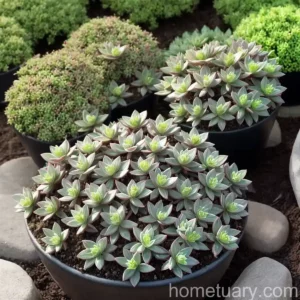
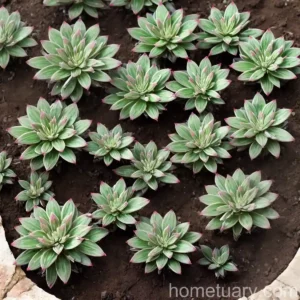
Showy stonecrop is characterized by its stout, succulent stems and thick, fleshy leaves, which provide it with the ability to store water and endure periods of drought. The cultivar ‘Meteor’ is distinguished by its large clusters of rose-pink flowers that emerge in late summer and continue into early fall, creating a spectacular display that accentuates the plant’s dense foliage. The flowers, which are held above the foliage on sturdy stems, are a magnet for pollinators and add a vibrant splash of color to borders and mixed plantings.
Varieties
In addition to ‘Meteor’, showy stonecrop is available in a range of cultivars, each offering unique flower colors, growth habits, and foliage variations. Popular varieties include ‘Brilliant’, known for its vibrant deep pink blooms, and ‘Autumn Joy’, a classic selection that undergoes a beautiful transformation of colors, transitioning from green to pink and then to a rich coppery red as the season progresses. These diverse cultivars present gardeners with a palette of options to suit their preferences and design schemes.
Planting Guide
When planting showy stonecrop, select a site that receives ample sunlight and has well-draining soil. Dig a hole that is slightly larger than the plant’s root ball, and place the plant at the same level it was previously growing, ensuring that the crown is not buried too deeply. Firm the soil around the root ball and water thoroughly to settle the plant in place. Space multiple plants at least 18 to 24 inches apart to allow for adequate air circulation and provide room for their mature growth.
Companion Plants
Showy stonecrop associates well with a variety of perennials and ornamental grasses, offering an array of attractive combinations for both formal and informal landscapes. Its robust growth habit and striking late-season blooms make it an excellent partner for ornamental grasses such as switchgrass (Panicum virgatum) and purple fountain grass (Pennisetum setaceum). When paired with other perennial favorites such as coneflowers (Echinacea spp.) and black-eyed Susans (Rudbeckia spp.), showy stonecrop contributes to vibrant and visually engaging plantings that provide interest throughout the seasons.
In the subsequent sections, we will discuss additional essential aspects of showy stonecrop, ranging from its fall color and winter care to its role in wildlife attraction and container gardening.
This article provides an in-depth exploration of showy stonecrop, covering its culture, uses, botanist’s tips, and more. The subsequent sections continue to delve into the various aspects of understanding, growing, and caring for showy stonecrop.