Panicle Hydrangea (Hydrangea Paniculata ‘Chantilly Lace’)
Welcome to the ultimate guide to Panicle Hydrangea care, focusing on the Hydrangea paniculata variety ‘Chantilly Lace.’ In this comprehensive guide, we.
Welcome to the ultimate guide to Panicle Hydrangea care, focusing on the Hydrangea paniculata variety ‘Chantilly Lace.’ In this comprehensive guide, we will explore the culture, uses, water, sunlight, fertilizer, soil, pruning, propagation, container planting, popularity, common diseases, pests, botanist’s tips, and fun facts about the mesmerizing panicle hydrangea.
What is Panicle Hydrangea?
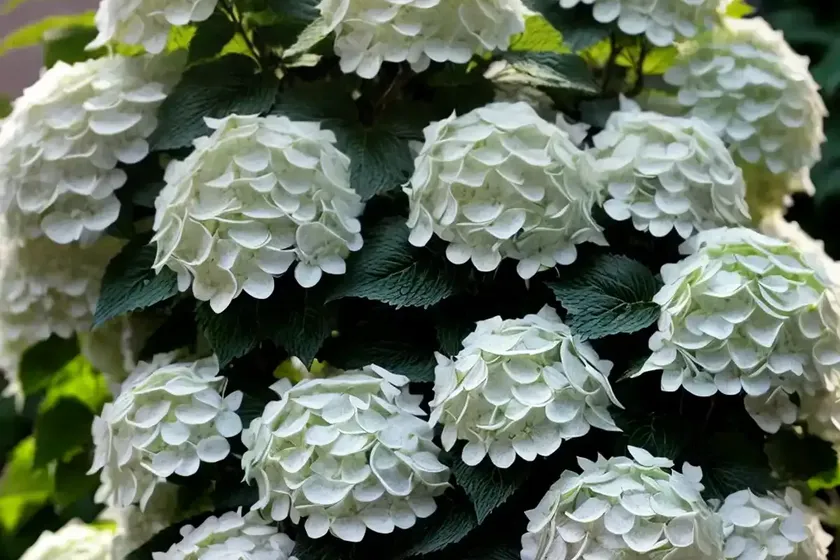
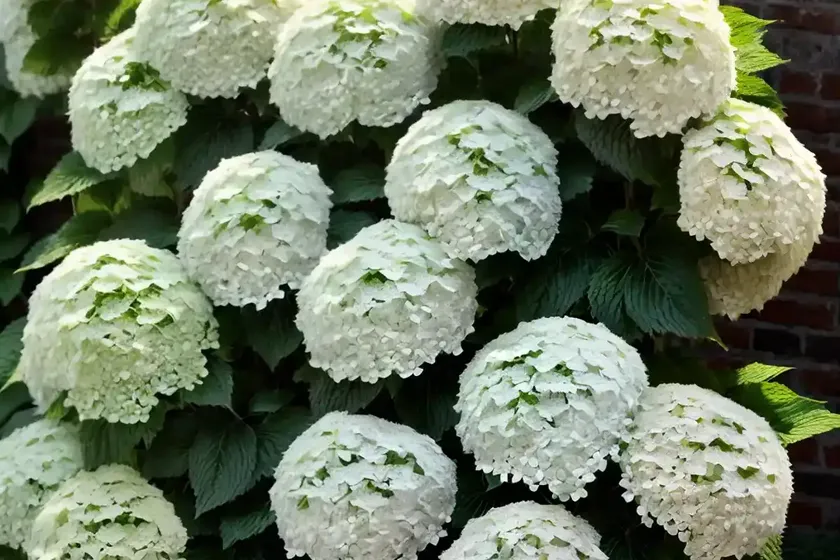
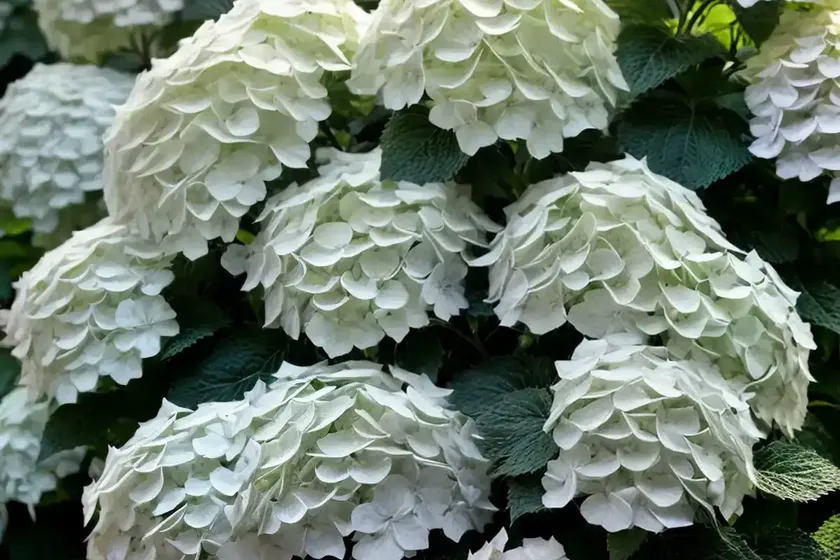
Panicle hydrangea, scientifically known as Hydrangea paniculata, is a stunning deciduous shrub that belongs to the Hydrangeaceae family. This plant species is widely admired for its lacy, cone-shaped flower clusters, which add a touch of elegance to gardens and landscapes. The ‘Chantilly Lace’ cultivar, in particular, is renowned for its large, lacy blooms that create a beautiful visual impact.
Key Takeaways – Panicle Hydrangea (Hydrangea paniculata ‘Chantilly Lace’)
- Scientific Name: Hydrangea paniculata ‘Chantilly Lace’
- Common Name: Panicle Hydrangea
- Family: Hydrangeaceae
- Cultivar: ‘Chantilly Lace’
- Flower Type: Lacy, cone-shaped clusters
- Usages: Gardens, Landscapes, Container Planting
- Maintenance Level: Moderate
- Hardiness Zone: 3-8
- Mature Height: 6-8 feet
- Bloom Time: Midsummer to Early Fall
- Color: Initially White, turns Pink with age
- Special Features: Attracts Pollinators
Culture
Panicle hydrangeas, including the ‘Chantilly Lace’ variety, thrive under certain cultural conditions. Understanding their cultural requirements is essential to ensure their optimal growth and a profusion of blossoms.
Uses
Panicle hydrangeas such as the ‘Chantilly Lace’ cultivar are renowned for their versatility in various horticultural applications. Here are some common uses:
- Gardens: ‘Chantilly Lace’ panicle hydrangeas serve as captivating focal points in garden beds and borders, adding a touch of elegance.
- Landscapes: These hydrangeas contribute to stunning landscape designs, often planted in groups or as standalone specimens.
- Container Planting: The ‘Chantilly Lace’ variety is well-suited for container planting, allowing for movable bursts of beauty on patios, decks, or balconies.
Water
Proper watering is crucial for the health and vigor of panicle hydrangeas, particularly ‘Chantilly Lace.’ Here are the essential considerations regarding watering:
- Regular Watering: Keep the soil consistently moist, especially during the plant’s establishment phase and hot, dry periods.
- Avoid Overwatering: Ensure well-draining soil to prevent waterlogging, which can lead to root rot and other waterborne diseases.
- Mulching: Apply a layer of organic mulch around the base of the plant to help retain moisture and regulate soil temperature.
Sunlight
Sunlight plays a pivotal role in the growth and blooming of panicle hydrangeas, and ‘Chantilly Lace’ is no exception. The following guidelines apply:
- Full Sun to Partial Shade: While panicle hydrangeas prefer full sun, especially in cooler climates, they can also thrive in partial shade, particularly in regions with intense afternoon sun.
- Morning Sun: Optimal morning sunlight exposure is beneficial, promoting healthy growth and abundant flowering.
Fertilizer
Fertilizing panicle hydrangeas such as the ‘Chantilly Lace’ cultivar contributes significantly to their overall health and flowering performance. Here are some fertilizer-related aspects to consider:
- Balanced Fertilizer: Apply a balanced, slow-release fertilizer in early spring to support the plant’s growth and establishment.
- Avoid High Nitrogen: Excessive nitrogen can promote lush foliage at the expense of flowers, so opt for a fertilizer with a balanced N-P-K (nitrogen, phosphorus, and potassium) ratio.
Soil
Understanding the soil preferences of panicle hydrangeas, including ‘Chantilly Lace,’ is instrumental in providing an optimal growing environment.
- Well-Draining Soil: Ensure the soil has good drainage to prevent waterlogging, which can be detrimental to the plant’s health.
- pH Level: Panicle hydrangeas prefer slightly acidic to neutral soil (pH 5.5-7.5). Consider conducting a soil test to assess and adjust the pH if needed.
Pruning
Pruning is a vital aspect of panicle hydrangea care, impacting not only the plant’s aesthetics but also its overall health and blooming potential.
- Pruning Time: Early spring is the ideal time to prune panicle hydrangeas such as ‘Chantilly Lace.’ Remove dead or weak stems and, if necessary, shape the plant to maintain its desired size and structure.
- Flower Cluster Removal: Consider deadheading the faded flower clusters (inflorescences) to promote a neat appearance and potentially encourage a second round of blossoms in late summer.
Propagation
If you desire to propagate ‘Chantilly Lace’ panicle hydrangeas, several methods can be employed, including:
- Softwood Cuttings: Utilize softwood cuttings taken in early summer, treating them with rooting hormone and providing a moist, well-draining medium to encourage root development.
- Division: Divide mature plants during the early spring, ensuring that each division has a viable root system and adequate foliage for sustained growth.
Container Planting
The ‘Chantilly Lace’ variety is well-suited for container cultivation, allowing for the creation of captivating displays on patios, terraces, and other outdoor settings. When considering container planting, take note of the following:
- Container Size: Opt for a spacious container to accommodate the plant’s root system and provide ample room for growth.
- Drainage: Ensure that the container has adequate drainage holes to prevent waterlogging, and consider elevating the container to facilitate drainage.
Popularity
The ‘Chantilly Lace’ panicle hydrangea has gained popularity among gardening enthusiasts and horticulturists due to its striking visual appeal, robust nature, and ease of care.
- Landscape Demand: Landscapers often integrate ‘Chantilly Lace’ panicle hydrangeas into their designs, capitalizing on the plant’s ability to attract attention and infuse charm into outdoor spaces.
- Gardeners’ Preference: Gardeners are drawn to ‘Chantilly Lace’ for its manageable size and breathtaking floral displays, making it a desirable addition to diverse garden settings.
Common Diseases
While panicle hydrangeas are generally resilient plants, they can be susceptible to certain diseases under unfavorable conditions. It is important to be aware of common diseases and their management strategies.
Disease Diagnosis
Diagnosing potential diseases affecting ‘Chantilly Lace’ panicle hydrangeas involves identifying symptoms and implementing appropriate measures. Some common diseases include:
- Powdery Mildew: Characterized by a white, powdery growth on the plant’s foliage, powdery mildew can be managed through proper sanitation and, if necessary, fungicidal treatments.
- Leaf Spot: Dark spots on the leaves may indicate a fungal infection. Prune affected foliage and promote good air circulation to mitigate the spread of the disease.
Common Pests
In addition to diseases, panicle hydrangeas may face challenges posed by certain pests, which can impact their growth and vitality.
- Aphids: These tiny, sap-sucking insects can cluster on the plant’s tender shoots, causing distortion and yellowing of the foliage. Natural predators, such as ladybugs, can help manage aphid populations.
- Spider Mites: Spider mites are common pests that may infest panicle hydrangeas, particularly in hot, dry conditions. Use insecticidal soap or horticultural oil to control spider mite infestations.
Botanist’s Tips
As botanists and horticultural experts, we offer the following tips to enhance the care and cultivation of ‘Chantilly Lace’ panicle hydrangeas:
- Regular Monitoring: Regularly inspect the plant for signs of pests, diseases, or nutrient deficiencies. Early detection allows for timely intervention and management.
- Mulching Benefits: Apply a layer of organic mulch around the base of the plant to conserve moisture, suppress weeds, and maintain a consistent soil temperature.
Fun Facts
- The ‘Chantilly Lace’ variety of panicle hydrangea derives its name from its exquisite, lacy flower clusters, resembling the fine texture of Chantilly lace fabric.
- Panicle hydrangeas, including ‘Chantilly Lace,’ display a fascinating color transformation, with the initially white blooms gradually transitioning to delicate shades of pink as they mature.
Links to External Resources
For further information and in-depth guidance on panicle hydrangea care, consider exploring the following external resources:
- The American Horticultural Society
- The Royal Horticultural Society
- The University of Florida IFAS Extension
In conclusion, the ‘Chantilly Lace’ panicle hydrangea, with its alluring blooms and adaptable nature, stands as a captivating addition to diverse garden and landscape settings. By embracing the cultural recommendations, care tips, and valuable insights presented in this guide, you can foster the health and beauty of ‘Chantilly Lace’ panicle hydrangeas, creating enchanting displays and enriching outdoor spaces with their timeless allure.
Keywords: Panicle hydrangea care, Hydrangea paniculata varieties, Chantilly Lace hydrangea pruning, Growing panicle hydrangeas, Hydrangea paniculata flowers, Chantilly Lace hydrangea diseases, Panicle hydrangea landscaping ideas, Hydrangea paniculata pests, Chantilly Lace hydrangea fertilizer, Tips for planting panicle hydrangea, Hydrangea paniculata bloom time, Chantilly Lace hydrangea watering needs, Panicle hydrangea soil requirements, Hydrangea paniculata companion plants, Chantilly Lace hydrangea sun requirements, Pruning panicle hydrangea in winter, Hydrangea paniculata flower colors, Chantilly Lace hydrangea landscape design, Panicle hydrangea container gardening, Hydrangea paniculata growing zones, Chantilly Lace hydrangea leaf problems, Propagating panicle hydrangea, Hydrangea paniculata varieties for shade, Chantilly Lace hydrangea full sun or partial shade, Panicle hydrangea size and height, Hydrangea paniculata diseases and treatments, Chantilly Lace hydrangea deer resistant, Panicle hydrangea maintenance tips, Hydrangea paniculata winter care, Chantilly Lace hydrangea cuttings, Panicle hydrangea pruning techniques, Hydrangea paniculata mulching guidelines, Chantilly Lace hydrangea soil pH requirements, Panicle hydrangea reblooming varieties, Hydrangea paniculata planting instructions, Chantilly Lace hydrangea fertilizer schedule, Panicle hydrangea trellis or support, Hydrangea paniculata indoor care, Chantilly Lace hydrangea container size, Panicle hydrangea pest control, Hydrangea paniculata water requirements, Chantilly Lace hydrangea hardiness zone, Panicle hydrangea fragrance, Hydrangea paniculata autumn colors, Chantilly Lace hydrangea flower arrangement ideas, Panicle hydrangea pruning tools, Hydrangea paniculata sunlight needs, Chantilly Lace hydrangea growing tips, Panicle hydrangea backyard landscaping, Hydrangea paniculata planting depth
Markdown version saved.


