Sempervivum ‘Ohio Burgundy’ (Hens And Chicks)
Sempervivum ‘Ohio Burgundy’, commonly known as Hens and Chicks, is a resilient and visually striking succulent plant that has gained popularity among.
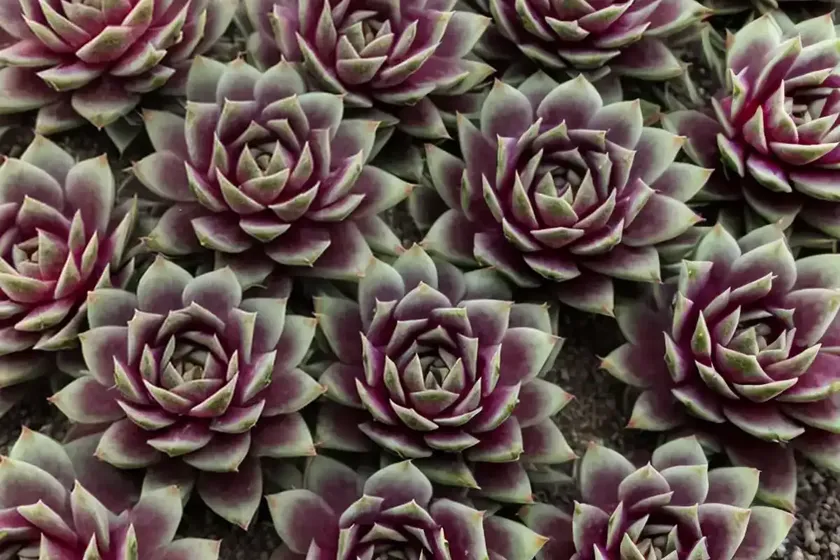
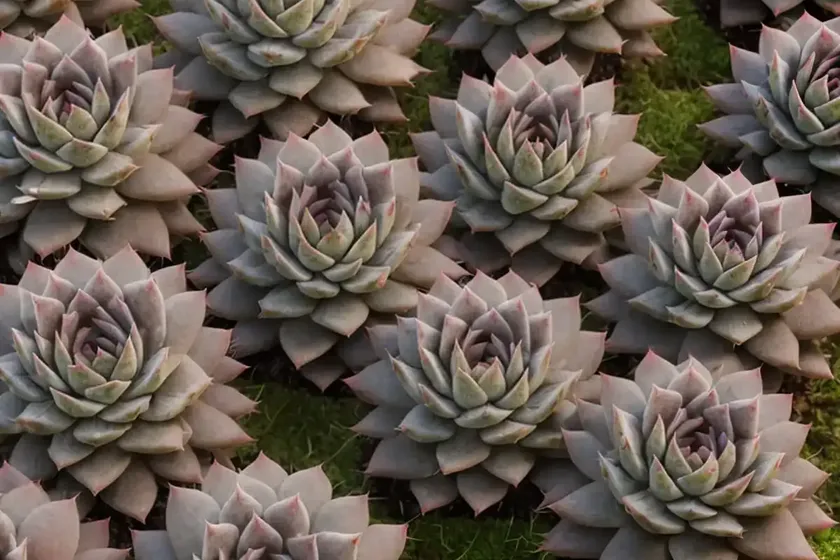
Sempervivum ‘Ohio Burgundy’, commonly known as Hens and Chicks, is a resilient and visually striking succulent plant that has gained popularity among gardeners and plant enthusiasts. This compact perennial plant belongs to the Crassulaceae family and is native to mountainous regions of Europe and Asia. Its unique rosette form, low maintenance requirements, and variety of uses make it a sought-after addition to gardens, rockeries, and container displays.
In this comprehensive guide, we will delve into the world of Sempervivum ‘Ohio Burgundy’, exploring its cultural preferences, propagation methods, care tips, common diseases, and much more. Whether you are a seasoned gardener looking to expand your succulent collection or a beginner eager to learn about this fascinating plant, this guide will provide you with essential insights into the world of Hens and Chicks.
Key Takeaways – Sempervivum ‘Ohio Burgundy’ (Hens and Chicks)
Before we delve into the specifics of caring for Sempervivum ‘Ohio Burgundy’, let’s highlight the key takeaways that will be covered in this comprehensive guide:
- Cultural preferences including water, sunlight, soil, and fertilizer requirements
- Propagation tips and techniques for expanding your Hens and Chicks collection
- Common diseases and pests to be aware of and their management
- Ideal container gardening options and considerations
- Interesting facts and botanist’s tips for cultivating Sempervivum ‘Ohio Burgundy’
Now, let’s embark on a journey to understand and appreciate the beauty and resilience of this captivating succulent.
What is Sempervivum ‘Ohio Burgundy’ (Hens and Chicks)?
Sempervivum ‘Ohio Burgundy’, a cultivar of the Hens and Chicks plant, derives its name from its growth habit. The “hen” refers to the main plant, which produces offsets known as “chicks” around its base. This unique growth pattern gives the plant a charming and clumping appearance, making it an attractive feature in any garden setting.
Plant Characteristics
The Sempervivum ‘Ohio Burgundy’ variety is known for its distinct features, which include:
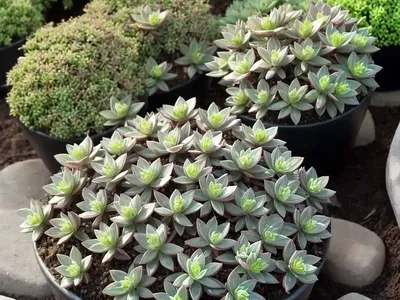
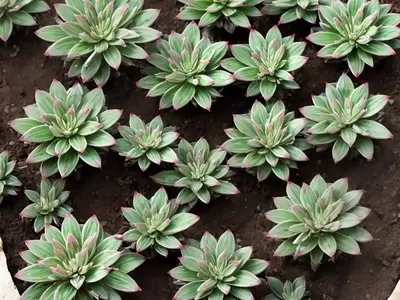
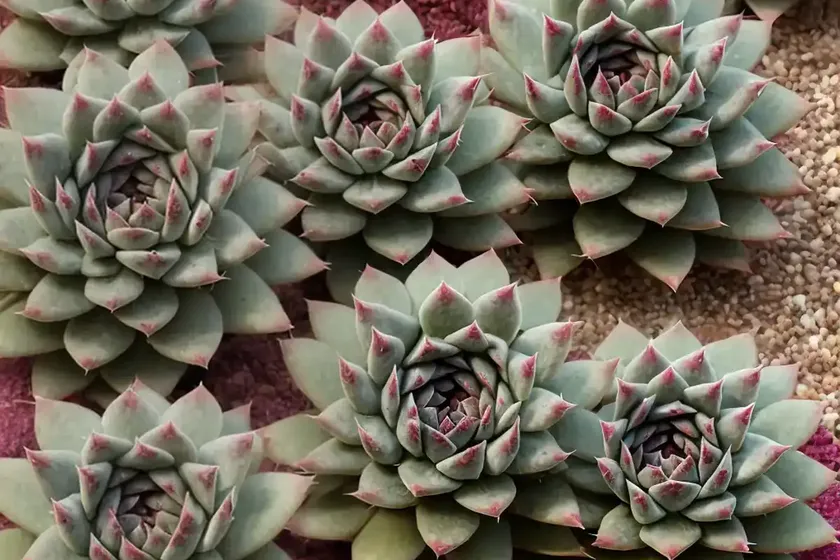
- Rosette Form: The plant forms tight rosettes of fleshy leaves that generally grow close to the ground. These rosettes can range from a few inches to several inches in diameter, depending on the age and health of the plant.
- Leaf Coloration: ‘Ohio Burgundy’ is prized for its striking foliage, which features a blend of burgundy and green hues. The leaves may transition to deeper red tones in response to environmental conditions and sunlight exposure.
- Compact Growth: As a low-growing succulent, this variety is well-suited for rock gardens, borders, and container plantings. Its compact nature allows it to thrive in confined spaces, making it an excellent candidate for a variety of garden designs.
Now that we have acquainted ourselves with the distinctive characteristics of Sempervivum ‘Ohio Burgundy’, it’s time to explore the key aspects of caring for this captivating succulent.
Caring for Sempervivum ‘Ohio Burgundy’
Cultivating thriving Sempervivum ‘Ohio Burgundy’ plants involves understanding and addressing their specific requirements. In this section, we will delve into the essential elements of caring for these resilient succulents, covering topics such as water, sunlight, fertilizer, soil, and pruning.
Water
One of the hallmark features of Sempervivum ‘Ohio Burgundy’ is its exceptional drought tolerance, which is a survival mechanism developed from its native mountainous habitat. Adequate water management is crucial for the health and vitality of these plants. Here are some key considerations for watering Hens and Chicks plants:
-
Watering Frequency: Sempervivum ‘Ohio Burgundy’ is best suited for well-draining soil and infrequent watering. In most climates, a weekly watering schedule during the growing season should be sufficient, ensuring that the soil dries out between watering sessions. During the winter months, reduce watering to once a month to accommodate the plant’s dormancy period.
-
Watering Method: Direct the water at the base of the plant, avoiding wetting the foliage to minimize the risk of rot and fungal diseases. Utilize a watering can with a narrow spout or a drip irrigation system to deliver targeted moisture to the soil.
-
Monitoring Moisture Levels: Assess the moisture levels in the soil by inserting a finger into the growing medium. If the top inch of the soil feels dry, it may be an indication that the plant requires watering. However, exercise caution to prevent overwatering, as this can lead to root rot and other water-related issues.
Sunlight
Proper sunlight exposure is essential for the growth and coloration of Sempervivum ‘Ohio Burgundy’ rosettes. These plants exhibit a preference for abundant sunlight, which contributes to the development of their distinctive leaf pigmentation and compact growth habit. Here are some key considerations for providing adequate sunlight to your Hens and Chicks plants:
-
Sunlight Requirements: Sempervivum ‘Ohio Burgundy’ thrives in full sun to partial shade. When cultivating these plants in outdoor settings, ensure that they receive at least 6 hours of direct sunlight daily. In regions with intense summer heat, providing partial shade during the hottest part of the day can help prevent leaf scorch and excessive water loss.
-
Indoor Cultivation: For indoor cultivation, place the plants in a sunny window or under grow lights to simulate the light conditions they would experience outdoors. South-facing windows typically offer the brightest light, making them an ideal location for indoor Sempervivum ‘Ohio Burgundy’ displays.
-
Color Enhancement: Exposure to ample sunlight intensifies the burgundy and red hues present in the leaves of ‘Ohio Burgundy’, creating a visually striking display. Insufficient light can lead to a loss of color vibrancy and elongated growth, signaling a need for brighter conditions.
Fertilizer
While Sempervivum ‘Ohio Burgundy’ is known for its ability to thrive in nutrient-poor soils, supplementing its growth with occasional fertilization can promote robust development and vibrant coloration. However, it’s important to approach fertilization with moderation to prevent overly lush growth, which can compromise the plant’s resilience. Here are some key considerations for fertilizing Hens and Chicks plants:
-
Fertilization Frequency: Apply a balanced, water-soluble fertilizer at half the recommended strength once every 2-3 months during the growing season (spring to early fall). Avoid fertilizing the plants during the winter months and while they are dormant, as this can disrupt their natural growth cycle.
-
Fertilizer Composition: Choose a fertilizer with balanced N-P-K (nitrogen, phosphorus, potassium) ratios, such as 10-10-10 or 5-5-5, designed for use on succulent plants. Avoid high-nitrogen fertilizers, as excessive nitrogen can promote excessive foliage growth at the expense of compact rosette formation.
-
Application Method: Dilute the fertilizer in water according to the manufacturer’s instructions and apply it to the soil around the base of the plants. Avoid getting the fertilizer solution on the leaves, as this can lead to foliar burns and discoloration.
Soil
The choice of growing medium plays a vital role in the overall health and vitality of Sempervivum ‘Ohio Burgundy’. As a succulent plant adapted to rocky, well-draining habitats, providing a suitable soil environment is essential for preventing waterlogged conditions and ensuring optimal root health. Here are some key considerations for selecting and preparing soil for Hens and Chicks plants:
-
Well-Draining Soil: Choose a specialized succulent and cactus mix or prepare a custom blend consisting of potting soil, coarse sand, and perlite in a 2:1:1 ratio. The objective is to create a growing medium that allows excess moisture to drain away rapidly, preventing root rot and fungal diseases.
-
Container Plantings: When cultivating Sempervivum ‘Ohio Burgundy’ in containers, ensure that the pots have drainage holes to facilitate excess water removal. Additionally, layer the bottom of the containers with gravel or broken pottery pieces to further enhance drainage.
-
Soil pH: Aim for a slightly acidic to neutral pH range (6.0-7.0) when preparing the soil for Hens and Chicks plants. Most commercially available succulent mixes are formulated to meet the specific pH requirements of these plants.
Pruning
Pruning is a minimal aspect of maintaining Sempervivum ‘Ohio Burgundy’, as these plants typically retain a tidy and compact growth habit on their own. However, the occasional removal of spent flower stalks or damaged leaves can help maintain the plant’s aesthetic appeal and redirect its energy towards new growth. Here are some key considerations for pruning Hens and Chicks plants:
-
Removal of Flower Stalks: After the blooming period, trim the flower stalks at their base using clean, sharp scissors or pruning shears. This encourages the plant to focus its resources on producing new offsets and maintaining the health of the rosettes.
-
Leaf Maintenance: Inspect the leaves for signs of damage, disease, or withering. If necessary, carefully trim away the affected portions to prevent the spread of infections and maintain the overall vitality of the plant.
By adhering to these essential care guidelines, you can ensure that your Sempervivum ‘Ohio Burgundy’ thrives and continues to grace your garden with its captivating presence.
Propagation of Sempervivum ‘Ohio Burgundy’
The ability to propagate Sempervivum ‘Ohio Burgundy’ through various methods allows gardeners to expand their collection, share plants with others, and preserve unique varieties. This section explores the propagation techniques commonly used for Hens and Chicks plants, providing invaluable insights for those eager to delve into the rewarding process of multiplying their succulent treasures.
Offset Division
Offset division, also known as “chick separation,” is one of the simplest and most reliable methods for propagating Sempervivum ‘Ohio Burgundy’. This technique involves separating the young offsets, or “chicks,” from the parent plant and transplanting them into new growing locations. Here are the key steps for successfully dividing Sempervivum offsets:
-
Identification of Healthy Offsets: Select offsets that have developed a good root system and exhibit robust, compact growth. Avoid separating weak or underdeveloped offsets, as they may struggle to establish themselves independently.
-
Gentle Separation: With clean, sharp scissors or a small, pointed knife, carefully detach the offsets from the parent plant by slicing through the connecting stolon or stem. Exercise caution to avoid damaging the roots or the base of the offset.
-
Transplanting: Plant the separated offsets in a well-draining succulent mix, ensuring that the soil is prepared to accommodate their individual root systems. Water the newly transplanted offsets lightly to settle the soil and provide initial moisture.
-
Establishment Period: Position the transplanted offsets in a location with bright, indirect sunlight and maintain slightly moist soil during the initial establishment phase. Once the plants show signs of new growth, transition to a regular watering schedule and provide ample sunlight.
Leaf Cuttings
Leaf cuttings represent another viable method for propagating Sempervivum ‘Ohio Burgundy’, particularly when dealing with varieties that produce fewer offsets. This technique involves utilizing individual leaves from the parent plant to generate new growth. Here is an overview of the process for propagating Hens and Chicks plants from leaf cuttings:
-
Leaf Selection: Choose healthy, mature leaves from the parent plant, ensuring that they are free from damage or signs of disease. Gently twist or cut the leaves from the rosette, ensuring that a clean portion of the leaf stem is intact.
-
Callus Formation: Allow the severed leaf ends to air dry and form calluses for approximately 1-3 days. This step helps reduce the risk of rot when the cuttings are placed in the growing medium.
-
Planting the Cuttings: Insert the callused ends of the leaf cuttings into a shallow layer of succulent potting mix, ensuring that the cut ends make contact with the soil. Water the cuttings lightly, allowing the soil to remain slightly moist but not waterlogged.
-
Root Development: Over the following weeks, the leaf cuttings will begin to form roots and new rosettes at the base of the severed leaves. Maintain consistent moisture levels and provide bright, indirect light to support their development.
By mastering the art of propagation, you can foster a thriving succulent garden filled with an array of unique and resilient Sempervivum ‘Ohio Burgundy’ plants.
Container Gardening with Sempervivum ‘Ohio Burgundy’
The compact size and low-maintenance nature of Sempervivum ‘Ohio Burgundy’ make it an ideal candidate for container gardening, allowing enthusiasts to showcase these captivating succulents in a variety of settings. Whether displayed on patios, balconies, or windowsills, container-grown Hens and Chicks plants create stunning focal points and bring a touch of natural elegance to urban environments. This section explores the considerations and opportunities associated with cultivating Sempervivum ‘Ohio Burgundy’ in containers.
Container Selection
When selecting containers for Sempervivum ‘Ohio Burgundy’, prioritize options that offer adequate drainage and complement the visual appeal of the plants. Terracotta pots, hypertufa containers, and shallow ceramic bowls are popular choices due to their porous nature and compatibility with succulent cultivation. Here are some key considerations for choosing containers for Hens and Chicks plants:
-
Drainage Holes: Ensure that the containers have drainage holes to prevent waterlogging and facilitate excess water removal. If you encounter an appealing container without drainage, consider drilling or punching holes to enhance its suitability for succulent growth.
-
Size and Depth: Opt for containers that match the size of the mature Sempervivum ‘Ohio Burgundy’ plants, providing ample space for healthy root development. Shallow containers are particularly well-suited for accommodating the low-growing nature of Hens and Chicks.
-
Aesthetic Appeal: Explore a variety of container materials, shapes, and colors to find options that complement the foliage coloration of ‘Ohio Burgundy’ and enhance the overall display. Consider grouping multiple containers of varying heights and textures for an engaging composition.
Container Planting Guidelines
Successfully cultivating Sempervivum ‘Ohio Burgundy’ in containers requires attention to specific planting and care guidelines to create an environment conducive to their growth and development. Here are some key considerations for container gardening with Hens and Chicks plants:
-
Growing Medium: Fill the containers with a well-draining succulent mix or a custom blend of potting soil, coarse sand, and perlite to provide an optimal growing environment for the plants.
-
Plant Spacing: Position the Sempervivum ‘Ohio Burgundy’ rosettes at a distance from each other, allowing adequate room for expansion and promoting an attractive clustering effect. Avoid overcrowding the containers, as this can lead to increased moisture retention and potential disease issues.
-
Watering Frequency: Employ a conservative watering approach, allowing the soil to dry out slightly between watering sessions. Monitor the moisture levels in the containers to prevent overwatering and maintain a balanced growing environment.
By embracing container gardening, you can integrate the beauty of Sempervivum ‘Ohio Burgundy’ into diverse spaces, adding a touch of natural allure and resilience to your surroundings.
Popularity of Sempervivum ‘Ohio Burgundy’
The appeal of Sempervivum ‘Ohio Burgundy’ extends far beyond its visual charm and low-maintenance nature—it has become a sought-after addition to gardens, rockeries, and landscape designs due to its adaptability and distinct growth habit. This section explores the factors contributing to the popularity of ‘Ohio Burgundy’ and the diverse practices adopted by enthusiasts and horticultural communities.
Ornamental Appeal
Sempervivum ‘Ohio Burgundy’ captivates the hearts of gardening enthusiasts and collectors with its ornamental features and striking foliage, marking it as a must-have addition to a diverse range of garden settings. The following characteristics contribute to the plant’s ornamental appeal:
-
Color Contrasts: The blend of burgundy and green leaf colors, combined with the compact growth habit, creates an engaging visual contrast that complements various garden designs and attracts the attention of passersby.
-
Textural Diversity: The rosette form of Sempervivum ‘Ohio Burgundy’ adds textural interest to rockeries, alpine gardens, and container displays, infusing these settings with a touch of natural elegance and enduring vitality.
Horticultural Communities
The growing fascination with Sempervivum ‘Ohio Burgundy’ has spurred the formation of niche horticultural communities and online forums dedicated to the cultivation and appreciation of Hens and Chicks plants. These communities serve as valuable platforms for enthusiasts to exchange knowledge, share experiences, and showcase their prized varieties. Here are some key aspects of the plant’s impact on horticultural communities:
-
Species Diversity: Enthusiasts actively seek out and propagate various Sempervivum varieties, including ‘Ohio Burgundy’, to expand their collections and explore the diverse forms and colorations exhibited by these resilient succulents.
-
Cultural Exchange: The popularity of Sempervivum ‘Ohio Burgundy’ has facilitated cultural exchanges among gardening enthusiasts and professionals, fostering collaborations and enriching the global succulent community.
-
Online Engagement: Social media platforms and online forums provide avenues for enthusiasts to display their Sempervivum collections, seek advice on care practices, and engage in discussions about the unique qualities of ‘Ohio Burgundy’ and other Hens and Chicks varieties.
Landscaping and Design
In both residential and public landscaping projects, Sempervivum ‘Ohio Burgundy’ has emerged as a versatile and enduring component, offering an array of design possibilities and contributing to the ecological sustainability of garden environments. Here are some key aspects of the plant’s impact on landscaping and design practices:
-
Drought Tolerance: The exceptional drought tolerance of ‘Ohio Burgundy’ makes it an attractive choice for xeriscaping and water-wise landscaping, where its ability to thrive in arid conditions enhances the overall ecological balance of garden spaces.
-
Rockeries and Alpine Gardens: The low-growing nature and textural diversity of Sempervivum ‘Ohio Burgundy’ make it an ideal candidate for rockeries, alpine gardens, and crevice plantings, where it creates visual interest and strengthens the microhabitat of these specialized environments.
-
Edible Landscapes: In addition to its ornamental uses, Sempervivum ‘Ohio Burgundy’ is being integrated into edible landscapes, where its succulent leaves can be utilized in gourmet cuisine and herbal remedies, imparting a blend of aesthetic and culinary value to these settings.
By examining the plant’s popularity and its multifaceted impact on horticultural practices, we gain a deeper appreciation for the enduring allure and cultural significance of Sempervivum ‘Ohio Burgundy’.
Common Diseases and Pests
While Sempervivum ‘Ohio Burgundy’ possesses a robust resilience to environmental stressors, it can still be susceptible to certain diseases and pest infestations. Recognizing the signs of potential issues and implementing proactive management strategies are essential for preserving the health and vitality of these captivating succul