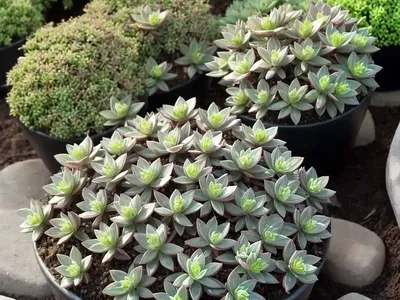
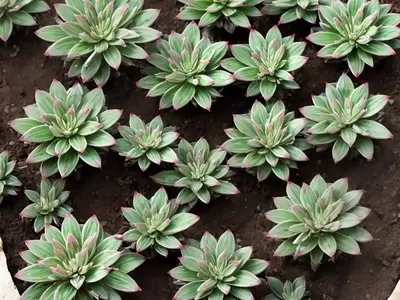
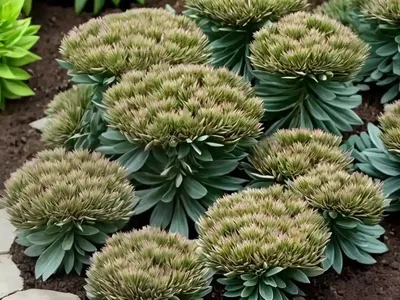
Sempervivum ‘Commander Hay’ (Hens And Chicks)
Sempervivum ‘Commander Hay’, commonly known as Hens and Chicks, is a captivating succulent renowned for its resilience and stunning rosette formation. This.
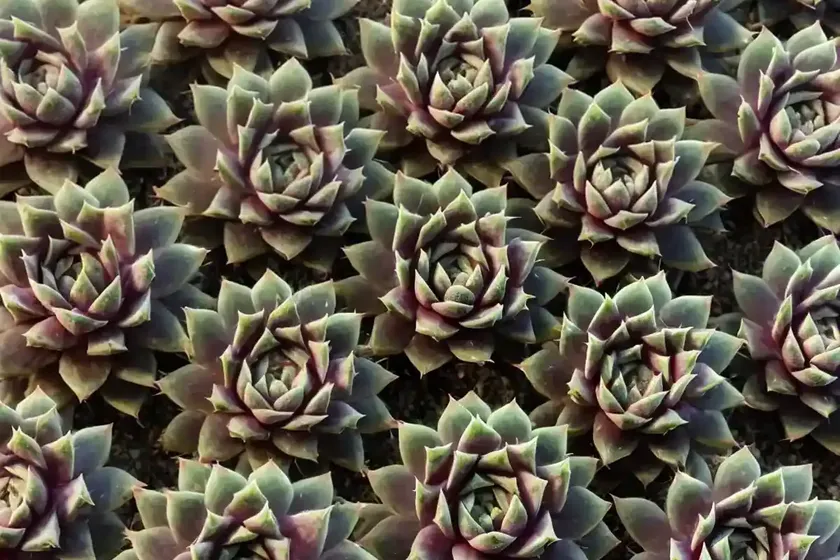
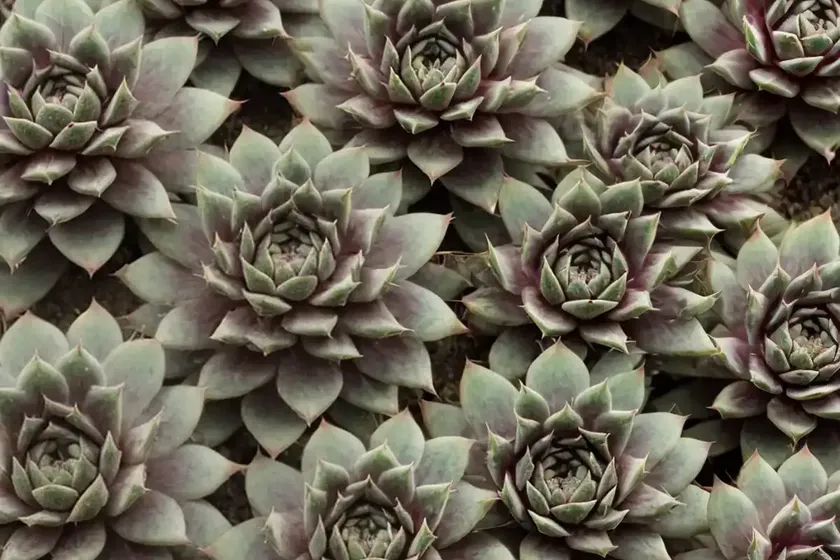
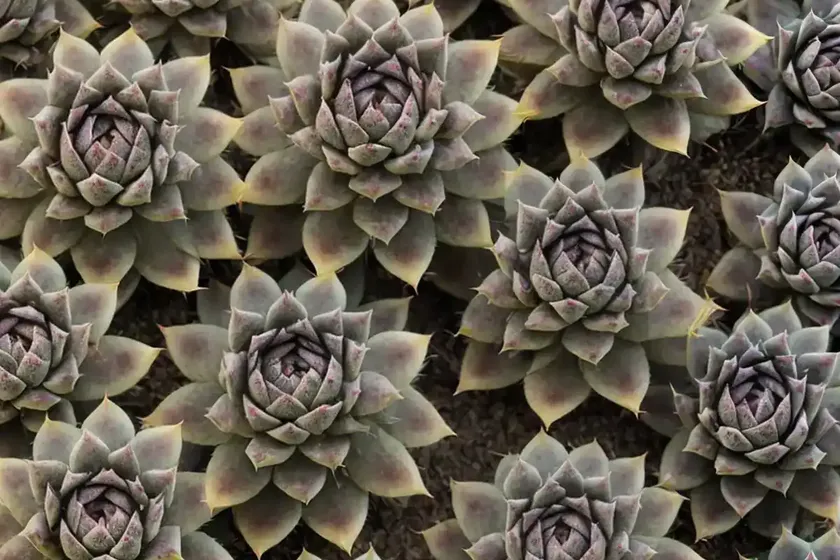
Sempervivum ‘Commander Hay’, commonly known as Hens and Chicks, is a captivating succulent renowned for its resilience and stunning rosette formation. This article aims to provide a detailed exploration of this plant, covering its characteristics, cultivation requirements, propagation methods, maintenance tips, and more. Whether you’re a seasoned gardener or an enthusiastic beginner, this comprehensive guide will equip you with the knowledge to successfully grow and care for Sempervivum ‘Commander Hay’.
What is Sempervivum ‘Commander Hay’ (Hens and Chicks)?
Sempervivum ‘Commander Hay’ Characteristics
Sempervivum ‘Commander Hay’ belongs to the Crassulaceae family and is a perennial succulent that forms attractive, low-growing rosettes. The foliage is characterized by its thick, fleshy leaves, which are often adorned with eye-catching colors and patterns. This variety is particularly admired for its hardy nature, making it a popular choice for rock gardens, containers, and low-maintenance landscapes. The name “Hens and Chicks” alludes to the plant’s prolific propagation, as it produces numerous offsets, or “chicks,” around the base of the mother plant, or “hen.”
Key Takeaways – Sempervivum ‘Commander Hay’ (Hens and Chicks)
Culture
- Sempervivum ‘Commander Hay’ is a versatile plant that thrives in various environments, from rock gardens to container arrangements.
- Its low-growing habit and spreading nature make it an excellent choice for ground cover and erosion control in suitable climates.
- This succulent is well-suited to xeriscaping, as it exhibits remarkable drought tolerance and requires minimal watering once established.
Uses
- Sempervivum ‘Commander Hay’ is prized for its ornamental value, adding visual interest to gardens, rockeries, and alpine plantings.
- It serves as an exceptional choice for green roofs and living walls due to its ability to withstand harsh growing conditions and limited soil depths.
Water
- While Sempervivum ‘Commander Hay’ is drought-tolerant, it benefits from occasional watering during prolonged dry spells, especially in containers or when grown in sandy soils.
- Proper drainage is crucial to prevent waterlogged roots, as excess moisture can lead to rot and other detrimental conditions.
Sunlight
- This succulent favors full sun to partial shade, thriving in bright, well-lit locations that receive ample sunlight.
- In mild or hot climates, providing some afternoon shade can help protect the plant from scorching and prevent leaf discoloration.
Fertilizer
- Sempervivum ‘Commander Hay’ generally does not require regular fertilization, as excessive nutrients can disrupt its natural growth and cause leggy, weak stems.
- If necessary, a diluted, balanced fertilizer can be applied sparingly during the growing season to support healthy development.
Soil
- Well-draining, gritty soil is essential for cultivating Sempervivum ‘Commander Hay’, as it prevents water retention and reduces the risk of root rot.
- A mixture of coarse sand, perlite, and loam promotes optimal aeration and drainage, creating an ideal substrate for the succulent’s roots.
Pruning
- Pruning requirements for Sempervivum ‘Commander Hay’ are minimal, typically involving the removal of spent flower stalks and dead or damaged leaves to maintain the plant’s overall vigor and appearance.
- Regularly inspecting the rosettes for any signs of disease or pests and promptly addressing any issues contributes to the plant’s well-being.
Propagation
- The propagation of Sempervivum ‘Commander Hay’ primarily involves the division of offsets, or “chicks,” which can be carefully separated from the mother plant and replanted in suitable growing conditions.
- Leaf cuttings and seed propagation are less commonly used methods but can also be employed to propagate new plants.
Container Popularity
- Sempervivum ‘Commander Hay’ is well-suited to container cultivation, adding a charming and low-maintenance accent to patios, balconies, and indoor spaces.
- When selecting a container, prioritize those with adequate drainage holes and opt for shallow, wide pots that accommodate the succulent’s spreading habit.
Container Common Diseases
- In container cultivation, Sempervivum ‘Commander Hay’ may be susceptible to certain diseases, including fungal infections and root rot, if the soil is overly moist or poorly aerated.
- Proper container selection, well-draining soil, and attentive watering practices can help mitigate the risk of these diseases.
Disease Diagnosis
- Common signs of disease in Sempervivum ‘Commander Hay’ include wilting, discoloration of leaves, and the presence of unusual growths or lesions.
- It is essential to accurately diagnose the specific disease affecting the plant to implement effective treatment and prevent its spread to other nearby specimens.
Common Pests
- While Sempervivum ‘Commander Hay’ is relatively resistant to pests, occasional infestations of aphids, mealybugs, and spider mites may occur, particularly in indoor or greenhouse settings.
- Vigilant monitoring and prompt intervention, such as using natural predators or horticultural oils, can help manage pest populations without resorting to harsh chemical treatments.
Botanist’s Tips
-
Growing Medium: Provide Sempervivum ‘Commander Hay’ with a porous growing medium that allows for optimal drainage and aeration, supporting the succulent’s root health and overall vitality.
-
Overwintering: In regions with cold winters, shelter Sempervivum ‘Commander Hay’ from excessive moisture and provide protection from prolonged frost to prevent winter damage.
-
Maintenance: Regularly remove debris and fallen leaves from the base of the rosettes to reduce the risk of disease and maintain a tidy, healthy appearance.
-
Disease Prevention: Avoid overhead watering and excessive moisture around the foliage, as prolonged dampness can promote fungal infections and create favorable conditions for pests.
-
Pest Management: Introduce beneficial insect species, such as ladybugs, lacewings, or predatory mites, to naturally control pest populations without the need for chemical interventions.
Fun Facts
-
Sempervivum ‘Commander Hay’ is named for its perpetual, evergreen nature, as “Sempervivum” is derived from the Latin words “semper,” meaning “always,” and “vivus,” meaning “living.”
-
The rosettes of Sempervivum ‘Commander Hay’ are not only visually appealing but also serve as natural water storage organs, enabling the plant to withstand extended periods of drought.
-
Hens and Chicks plants have a rich history of folklore and superstitions, with various cultures associating them with themes of protection, fertility, and warding off evil spirits.
Links to External Resources
For additional information and resources on Sempervivum ‘Commander Hay’ and Hens and Chicks succulents, consider exploring the following reputable sources:
In conclusion, Sempervivum ‘Commander Hay’ (Hens and Chicks) is an enchanting and resilient succulent that adds a touch of timeless elegance to any garden or container arrangement. With the right cultural practices and a keen understanding of its requirements, you can cultivate and enjoy the unique beauty of this captivating plant. Whether you’re drawn to its striking rosettes, easy maintenance, or symbolic significance, Sempervivum ‘Commander Hay’ is sure to bring joy and fascination to your horticultural endeavors.