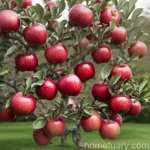
Semi-Dwarf Apple (Malus ‘Braeburn’): A Comprehensive Guide
As a plant scientist, I am thrilled to share valuable insights and expert tips on the semi-dwarf apple tree, specifically focusing on the Malus ‘Braeburn’ cultivar. The world of horticulture is vast and fascinating, and there’s always something new to discover about these incredible fruit-bearing plants. In this extensive guide, we will delve into the various aspects of the semi-dwarf apple tree, providing in-depth information about its culture, uses, maintenance, and much more. Whether you’re a seasoned gardener or a beginner enthusiast, I invite you to immerse yourself in the world of semi-dwarf apple trees and explore the wonders they offer.
What is a Semi-Dwarf Apple?
The semi-dwarf apple tree, scientifically known as Malus ‘Braeburn’, is a remarkable fruit-bearing plant that belongs to the Malus domestica species. It is renowned for its compact size and exceptional fruit production, making it a popular choice for home orchards, urban gardens, and small spaces. As a semi-dwarf variety, this apple tree exhibits characteristics of both standard and dwarf trees, offering a balance of manageable size and prolific harvests.
Key Takeaways – Semi-Dwarf Apple (Malus ‘Braeburn’)
Before we dive into the specifics of cultivating and caring for the semi-dwarf apple tree, let’s explore the key takeaways that will guide our journey through this comprehensive guide.
- Cultivation of semi-dwarf apple trees
- Uses and benefits of Malus ‘Braeburn’
- Watering requirements for optimal growth
- Sunlight preferences for healthy development
- Fertilization techniques for robust fruit production
- Soil considerations for semi-dwarf apple trees
- Pruning practices to maintain shape and health
- Propagation methods for expanding your orchard
- Container planting for limited spaces
- Common diseases and their diagnosis
- Pest management for healthy apple trees
- Expert tips from botanists
- Fun facts about the semi-dwarf apple tree
Now, let’s delve into each of these aspects in detail, providing comprehensive insights into the world of semi-dwarf apple cultivation.
Cultivation of Semi-Dwarf Apple Trees
The cultivation of semi-dwarf apple trees, including the Malus ‘Braeburn’ cultivar, is an engaging and rewarding endeavor. Whether you’re aiming to develop a thriving backyard orchard or simply wish to enjoy the bountiful harvest of homegrown apples, understanding the cultural requirements of these trees is paramount.
Water
Water is a vital component of nurturing healthy semi-dwarf apple trees. Adequate and consistent moisture levels are crucial, especially during the tree’s initial establishment and the fruit development stages. However, it’s important to ensure that the soil has good drainage to prevent waterlogging, which can lead to root rot and other issues.
Water Requirements for Semi-Dwarf Apple Trees
| Growth Stage | Watering Frequency |
|---|---|
| Establishment | Regular, deep watering to promote root development |
| Fruit Development | Consistent moisture but avoiding waterlogging |
| Dormant Season | Reduced watering, but not complete dryness |
Sunlight
Like most fruit-bearing plants, semi-dwarf apple trees thrive in full sunlight. When selecting a planting location, prioritize areas that receive at least 6-8 hours of direct sunlight daily. Adequate sunlight is essential for promoting healthy growth, flowering, and fruit production.
Sunlight Preferences for Semi-Dwarf Apple Trees
- Require full sunlight for optimal growth and fruiting
- South or southeast-facing locations are ideal for maximum sun exposure
- Ensure trees are not crowded by tall structures or overshadowed by other trees
- Proper orientation during planting can optimize sunlight utilization
Fertilizer
Fertilization plays a pivotal role in supporting the growth and fruiting of semi-dwarf apple trees. By providing essential nutrients, you can ensure the development of robust foliage, blossoms, and high-quality fruits. Understanding the specific fertilizer requirements and application timing is crucial for promoting an abundant harvest.
Fertilization Techniques for Semi-Dwarf Apple Trees
- Use balanced fertilizers with a higher proportion of nitrogen during the early growth stages
- Adjust fertilizer composition during fruit development to promote healthy fruiting
- Apply organic mulch to provide a gradual release of nutrients and improve soil structure
- Soil testing can guide precise fertilizer applications based on existing nutrient levels
Soil
The soil composition and structure significantly impact the overall health and productivity of semi-dwarf apple trees. Understanding the soil preferences, pH levels, and potential amendments will facilitate optimal growth and fruit-bearing capabilities.
Soil Preferences for Semi-Dwarf Apple Trees
- Well-draining loamy soil with good water retention capabilities
- Ideal pH range between 6.0 and 6.5 for optimal nutrient uptake
- Incorporate organic matter to enhance soil fertility and structure
- Regular soil testing to monitor pH levels and nutrient content
Pruning
Pruning plays a vital role in shaping the growth and productivity of semi-dwarf apple trees. Proper pruning techniques help to maintain a well-structured tree, promote air circulation, and encourage the development of fruit-bearing wood.
Pruning Practices for Semi-Dwarf Apple Trees
- Annual pruning to remove dead, diseased, or crossing branches
- Shape the tree to maintain an open center for adequate sunlight penetration
- Prune to encourage fruiting wood and minimize vegetative growth
- Prune during the dormant season to minimize stress on the tree
Propagation
The propagation of semi-dwarf apple trees allows for the expansion of your orchard or the preservation of specific cultivars. Understanding propagation methods such as grafting and seed propagation enables you to reproduce desirable apple tree varieties.
Propagation Methods for Semi-Dwarf Apple Trees
- Grafting onto suitable rootstocks to maintain desired tree size and vigor
- Collecting and planting seeds for developing new apple tree varieties
- Air-layering as a propagation method for specific cultivars with desirable traits
- Budding techniques for precise replication of desired apple tree cultivars
Container Planting
For individuals with limited gardening space, container planting offers a viable solution to cultivate semi-dwarf apple trees. By selecting appropriate containers and providing diligent care, you can enjoy the beauty and harvest of apple trees in confined areas.
Container Planting for Semi-Dwarf Apple Trees
- Select large, sturdy containers with adequate drainage holes
- Use well-draining potting mix specifically formulated for fruit-bearing trees
- Regular monitoring of moisture levels and nutrient requirements in container-grown trees
- Pruning and training to maintain size and shape in confined spaces
Uses and Benefits of Malus ‘Braeburn’
The Malus ‘Braeburn’ cultivar, known for its exceptional qualities and properties, offers a myriad of uses and benefits to both home gardeners and commercial orchardists.
- Culinary Delight: The fruits of Malus ‘Braeburn’ are renowned for their excellent flavor profile, making them ideal for fresh consumption, baking, and culinary applications.
- Extended Storage: This cultivar exhibits remarkable storage capabilities, allowing for long-lasting enjoyment of its fruits.
- Versatile Applications: The fruits can be used in various recipes, including pies, sauces, and salads, enhancing the culinary experience with their crisp texture and sweet-tart flavor.
- Ornamental Appeal: Beyond its fruit-bearing qualities, the Malus ‘Braeburn’ tree contributes to the visual appeal of gardens and landscapes with its blossoms and seasonal foliage.
Common Diseases and Disease Diagnosis
The health of semi-dwarf apple trees can be impacted by various diseases, ranging from fungal infections to bacterial ailments. Recognizing the symptoms and implementing appropriate disease management strategies is vital for safeguarding the trees.
Common Diseases Affecting Semi-Dwarf Apple Trees
- Apple Scab (Venturia inaequalis): Characterized by dark lesions on leaves and fruits, impacting fruit quality and foliage health.
- Powdery Mildew (Podosphaera leucotricha): Manifests as powdery white spots on leaves and young shoots, potentially stunting tree growth.
- Fire Blight (Erwinia amylovora): Exhibits as darkened, withered blossoms and shoots, posing a threat to the overall tree health.
Disease Diagnosis and Management
- Regular monitoring for signs of disease, including leaf discoloration, spotted fruits, and unusual growth patterns
- Prompt identification of diseases through visual inspection and potential laboratory testing for accurate diagnosis
- Implementing cultural practices and, if necessary, targeted treatments to manage and prevent disease outbreaks
- Selecting disease-resistant apple tree cultivars to mitigate the risk of common ailments
Common Pests and Pest Management
The presence of pests can pose significant challenges to the health and productivity of semi-dwarf apple trees. Understanding the common pests and effective pest management strategies is crucial for maintaining thriving orchards.
Common Pests Affecting Semi-Dwarf Apple Trees
- Codling Moth (Cydia pomonella): Infamous for causing damage to apple fruits through larval feeding, leading to reduced quality and potential spoilage.
- Aphids (Aphidoidea): Sapsuckers that can affect the vigor and growth of apple trees, particularly young shoots and foliage.
- Apple Maggot (Rhagoletis pomonella): Larvae-infested fruits, leading to diminished quality and market value.
Pest Management Strategies
- Deploying pheromone traps to monitor and control codling moth populations
- Implementing horticultural oils to suffocate aphids and disrupt their reproductive cycle
- Ensuring proper sanitation and orchard hygiene to minimize pest habitats and breeding grounds
- Consideration of natural predators and beneficial insects to maintain a balanced pest ecosystem
Botanist’s Tips
The wisdom and insights of experienced botanists can offer invaluable guidance for the successful cultivation of semi-dwarf apple trees. The following tips are derived from the expertise and practical knowledge of seasoned professionals in the field of horticulture.
Expert Tips for Growing Semi-Dwarf Apple Trees
- Site Selection: Carefully assess the site’s environmental conditions, including soil drainage, sunlight exposure, and potential microclimatic factors.
- Rootstock Selection: Choose rootstocks that are compatible with the ‘Braeburn’ cultivar to achieve desired tree size and vigor.
- Integrated Pest Management: Embrace holistic and sustainable pest management strategies, minimizing reliance on chemical interventions.
- Pruning Techniques: Master the art of pruning to maintain an open canopy, encourage fruiting wood, and promote tree health.
Fun Facts
As we continue to explore the captivating world of semi-dwarf apple trees, let’s indulge in some delightful and intriguing fun facts about the Malus ‘Braeburn’ cultivar.
- Heritage Origins: The ‘Braeburn’ cultivar traces its roots to New Zealand, where it was discovered as a chance seedling in the 1950s and later gained international acclaim.
- Late-Blooming Beauty: ‘Braeburn’ trees exhibit vibrant pink and white blossoms, often appearing later in the spring season, adding a captivating floral display to gardens and orchards.
- Dual-Purpose Delight: In addition to its culinary uses, ‘Braeburn’ apples are prized for their extended storage capabilities, making them a popular choice for both immediate consumption and long-term preservation.
Links to External Resources
To further enrich your understanding of semi-dwarf apple trees and the Malus ‘Braeburn’ cultivar, the following external resources provide additional insights, expert guidance, and practical tips for successful cultivation.
- Apple Tree Varieties – The Old Farmer’s Almanac
- Dwarf Apple Trees – The University of Maine
- Semi-Dwarf Apple Cultivars – University of California Agriculture and Natural Resources
- Malus Domestica ‘Braeburn’ – Missouri Botanical Garden
- Fruit Tree Cultivation Guide – Penn State Extension
- Apple Tree Diseases and Pests – Rutgers New Jersey Agricultural Experiment Station
- Pruning Fruit Trees – The Ohio State University Extension
- Fruit Tree Planting Guide – Texas A&M AgriLife Extension
- Apple Tree Rootstock Options – Washington State University Extension
- Companion Planting for Apple Trees – The Spruce
Conclusion
In conclusion, the semi-dwarf apple tree, specifically the Malus ‘Braeburn’ cultivar, holds immense potential for enriching home and urban landscapes with its beauty, bounty, and inherent charm. By embracing the insights and recommendations presented in this comprehensive guide, you can embark on a journey of successful apple tree cultivation, enjoying the fruits of your labor and the wonders of nature. Whether you’re seeking to establish a flourishing orchard, enhance your gardening skills, or simply revel in the joys of homegrown produce, the semi-dwarf apple tree stands as a splendid choice, promising years of beauty, abundance, and gratifying experiences.
With a deeper understanding of cultural practices, pest management, and the unique attributes of the Malus ‘Braeburn’ cultivar, you are well-equipped to embark on this delightful horticultural adventure, nurturing semi-dwarf apple trees with confidence and expertise.
As a plant scientist, I hope this comprehensive guide provides you with the knowledge and inspiration to cultivate semi-dwarf apple trees successfully. If you have any questions or need further assistance, feel free to reach out. Happy gardening!