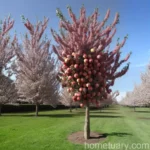
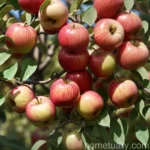
The Magnificent Flowering Crabapple (Malus ‘Sutyzam’ SUGAR TYME)
Plant scientists and horticulture enthusiasts have been captivated by the mesmerizing beauty and charm of the flowering crabapple, scientifically known as Malus ‘Sutyzam’ SUGAR TYME. Its striking blossoms, vibrant fruit, and overall ornamental appeal have made it a sought-after addition to landscapes and gardens around the world. In this comprehensive guide, we will delve into the intricacies of the flowering crabapple, exploring its culture, uses, care requirements, propagation, common diseases, and much more.
What is a Flowering Crabapple?
The flowering crabapple, a member of the Malus genus, is a deciduous tree cherished for its stunning display of vibrant blossoms and, in some varieties, for its colorful and ornamental fruit. These trees are valued for their aesthetic appeal and are commonly used in landscaping to bring a burst of color and beauty to gardens, parks, and urban environments. With a wide range of cultivars and varieties, the flowering crabapple offers a diverse selection to suit various preferences and environmental conditions.
This detailed guide focuses on the captivating Malus ‘Sutyzam’ SUGAR TYME variety, which has garnered attention and admiration for its unique attributes and exceptional qualities.
Key Takeaways – Flowering Crabapple (Malus ‘Sutyzam’ SUGAR TYME)
Before diving into the specifics of the Malus ‘Sutyzam’ SUGAR TYME variety, let’s explore some key takeaways regarding the attributes and characteristics of this enchanting flowering crabapple.
- Spectacular blossoms in shades of pink and white create a breathtaking visual display during the flowering season.
- Abundant, small, red fruit provides ornamental interest and can also attract wildlife to the garden.
- Resilient and disease-resistant, making it a low-maintenance plant suitable for various environments.
- Compact and upright growth habit, ideal for small gardens, urban spaces, and landscape borders.
- Suitable for a range of uses, including ornamental planting, mixed borders, and as a focal point in garden designs.
Now, let’s delve into the comprehensive aspects of the culture, uses, care requirements, and propagation techniques for the captivating flowering crabapple, Malus ‘Sutyzam’ SUGAR TYME.
Culture
Water
Proper watering is essential for the health and vitality of the Malus ‘Sutyzam’ SUGAR TYME flowering crabapple. During the initial establishment period, it is crucial to ensure consistent moisture levels to support root development. Once established, these trees are moderately drought-tolerant but benefit from regular watering, especially during periods of prolonged dryness.
- Newly planted trees require regular watering, particularly during the first growing season, to aid in root establishment.
- Once established, flowering crabapples benefit from deep, infrequent watering, allowing the soil to partially dry out between watering sessions.
- Avoid overwatering, as excessive moisture can lead to root rot and other detrimental conditions.
Sunlight
Flowering crabapples thrive in full sun, which is defined as a minimum of six hours of direct sunlight daily. Adequate sunlight exposure is crucial for promoting robust flowering, healthy foliage, and the development of vibrant fruit. When selecting a planting site, ensure that it provides ample sunlight throughout the day to support the optimal growth and development of the Malus ‘Sutyzam’ SUGAR TYME variety.
- Choose a planting location that receives full sun exposure to maximize the flowering and fruiting potential of the tree.
- Full sun exposure supports strong growth, enhances flowering intensity, and contributes to the overall health and vigor of the tree.
Fertilizer
Proper fertilization plays a key role in supporting the growth, flowering, and fruiting of the Malus ‘Sutyzam’ SUGAR TYME flowering crabapple. By providing essential nutrients, fertilization enhances the overall health and aesthetics of the tree, ensuring an abundant display of blossoms and ornamental fruit.
- Apply a balanced, slow-release fertilizer in early spring before new growth emerges to provide essential nutrients for the upcoming growing season.
- Avoid excessive fertilization, as this can lead to excessive vegetative growth at the expense of flowering and fruiting.
- Monitor the tree’s response to the fertilizer and adjust the application rate as needed based on the tree’s growth and overall health.
Soil
Well-drained, fertile soil is paramount for the successful cultivation of the Malus ‘Sutyzam’ SUGAR TYME flowering crabapple. The soil should offer good drainage to prevent waterlogging and root suffocation, while also providing essential nutrients to support the tree’s growth and development.
- Prioritize planting in loamy, well-draining soil with a slightly acidic to neutral pH for optimal growth and performance.
- Amend heavy or compacted soils with organic matter, such as compost, to improve soil structure and drainage.
- Avoid waterlogged or poorly drained soils, as they can lead to root rot and other adverse conditions that hinder the tree’s health.
Pruning
Pruning is a fundamental aspect of flowering crabapple care, contributing to the tree’s overall health, form, and flowering potential. Proper pruning practices help maintain a balanced and open canopy, promote abundant blossoms, and manage the tree’s size and shape. The following guidelines outline the key considerations for pruning the Malus ‘Sutyzam’ SUGAR TYME flowering crabapple.
- Timing: Conduct routine pruning during late winter to early spring while the tree is still dormant. Avoid pruning during the flowering season to prevent the removal of potential blossoms and minimize stress on the tree.
- Pruning Objectives: Focus on removing dead, damaged, or diseased branches, as well as any crossing or rubbing branches. Additionally, thin out excess growth to improve air circulation and light penetration within the canopy.
- Techniques: Utilize clean, sharp pruning tools to make precise cuts, ensuring proper healing and reducing the risk of disease entry. Employ proper pruning techniques, such as making cuts just outside the branch collar and avoiding leaving stubs.
Propagation
Propagation of the Malus ‘Sutyzam’ SUGAR TYME flowering crabapple can be achieved through various methods, including seed propagation, cuttings, and grafting. Each propagation technique offers unique advantages and challenges, allowing growers to select the most suitable method based on their preferences, resources, and expertise.
Seed Propagation
- Collect ripe crabapple fruit in the fall and extract the seeds from the fruit pulp.
- Clean the seeds and stratify them by storing them in a moist, refrigerated environment for a specified period to break seed dormancy.
- Sow the stratified seeds in a well-draining growing medium and provide optimal conditions for germination, including consistent moisture and moderate temperatures.
Cuttings
- Take semi-hardwood cuttings in late spring or early summer from healthy, disease-free branches of the crabapple tree.
- Prepare the cuttings by removing lower leaves and applying a rooting hormone to promote root development.
- Plant the cuttings in a well-draining propagation medium and maintain adequate humidity and warmth to facilitate rooting.
Grafting
- Select a suitable rootstock and scion for grafting, ensuring compatibility between the rootstock and scion to promote successful union and growth.
- Employ the desired grafting technique, such as whip-and-tongue grafting or cleft grafting, to join the rootstock and scion effectively.
- Provide proper care and monitoring following grafting to support successful healing and growth of the grafted plant.
Container Popularity
The compact and upright growth habit of the Malus ‘Sutyzam’ SUGAR TYME flowering crabapple makes it well-suited for container cultivation. This feature has contributed to its popularity as a container plant, offering versatility and charm for various outdoor and indoor settings.
- Containers and Planters: Select spacious containers with adequate drainage holes to support the growth and development of the tree. Avoid excessively small containers that restrict root growth and water drainage.
- Patio and Urban Gardens: The container-friendly nature of the Malus ‘Sutyzam’ SUGAR TYME variety makes it an appealing choice for patio gardens, urban landscapes, and small outdoor spaces. Its ornamental value and compact size enhance the visual appeal of these environments.
- Seasonal Display: Utilize flowering crabapples in containers to create seasonal displays, such as spring floral arrangements and outdoor focal points. The tree’s vibrant blossoms and ornamental fruit add a captivating touch to any outdoor setting.
Common Diseases
Flowering crabapples, including the Malus ‘Sutyzam’ SUGAR TYME variety, are susceptible to certain diseases that can impact their health and appearance. By understanding and identifying common diseases, growers can take proactive measures to manage and mitigate potential issues effectively.
Disease Diagnosis
- Apple Scab (Venturia inaequalis): This fungal disease presents as olive-green to black lesions on leaves and fruit, leading to defoliation and reduced fruit quality.
- Cedar Apple Rust (Gymnosporangium spp.): Identified by yellow-orange spots on leaves and bright orange, spore-producing galls on twigs, cedar apple rust can impact both crabapples and cedar trees.
- Fire Blight (Erwinia amylovora): Characterized by wilting, blackened shoot tips, and a scorched appearance, fire blight is a bacterial disease that can cause significant damage to flowering crabapples.
Disease Management
- Cultural Practices: Implement cultural practices, such as ensuring proper spacing between trees, promoting good air circulation, and maintaining overall tree health through adequate watering and fertilization.
- Resistant Varieties: Select disease-resistant varieties, such as the Malus ‘Sutyzam’ SUGAR TYME variety, to minimize the risk of certain diseases and reduce the need for chemical interventions.
- Fungicidal Treatments: When necessary, utilize fungicidal sprays to manage and prevent fungal diseases, following label instructions and application guidelines for optimal effectiveness.
Common Pests
In addition to diseases, flowering crabapples can attract various pests that may impact the tree’s health and vigor. Vigilant monitoring and prompt intervention are crucial for managing and mitigating pest infestations effectively.
- Aphids: These small, sap-feeding insects can cluster on new growth and cause distorted leaves and honeydew buildup.
- Caterpillars: Caterpillars, such as the tent caterpillar and gypsy moth caterpillar, can defoliate crabapple trees and compromise their overall health.
- Japanese Beetles: These voracious pests feed on foliage and flowers, causing visible damage and compromising the tree’s aesthetic appeal.
Pest Management
- Natural Predators: Encourage natural predators, such as ladybugs and lacewings, which consume aphids and other small insects, providing natural pest control.
- Pruning and Sanitation: Remove and destroy infested plant parts, such as caterpillar nests and affected foliage, to reduce pest populations and limit damage.
- Insecticidal Treatments: When necessary, utilize insecticidal sprays to target specific pest populations, employing targeted applications to minimize non-target impacts.
Botanist’s Tips
As a plant scientist with a passion for flowering crabapples, I’ve gathered some valuable insights and tips for growing and caring for the captivating Malus ‘Sutyzam’ SUGAR TYME variety. These recommendations aim to enhance the overall success and enjoyment of cultivating these ornamental trees.
- Selecting a Planting Site: When choosing a planting site for the Malus ‘Sutyzam’ SUGAR TYME tree, prioritize a location with well-drained soil, ample sunlight, and adequate space to accommodate its mature size and form.
- Routine Monitoring: Regularly monitor the tree for signs of pests, diseases, or nutrient deficiencies, addressing any issues promptly to maintain the tree’s health and vitality.
- Mulching Benefits: Apply a layer of organic mulch around the base of the tree, maintaining a distance from the trunk, to conserve soil moisture, suppress weed growth, and enhance overall soil health.
Fun Facts
Delight in these enchanting and intriguing fun facts about the Malus ‘Sutyzam’ SUGAR TYME flowering crabapple, offering a glimpse into the remarkable allure of this captivating ornamental tree.
- The name “SUGAR TYME” aptly captures the sweet and enchanting nature of this crabapple variety, highlighting the allure of its ornamental fruit and delightful blossoms.
- Flowering crabapples are members of the Rosaceae family, which includes an array of ornamental and fruit-bearing plants, contributing to the diverse beauty of landscapes and gardens.
- The enchanting blossoms of the Malus ‘Sutyzam’ SUGAR TYME variety are adorned with delicate petals in shades of pink and white, creating a picturesque display during the flowering season.
Links to External Resources
For further exploration and in-depth information on the Malus ‘Sutyzam’ SUGAR TYME flowering crabapple, and related topics, I recommend consulting the following reputable resources: