Sargent Crabapple (Malus Sargentii): A Comprehensive Guide
Sargent crabapple (Malus Sargentii) is a captivating ornamental tree known for its beautiful flowers, vibrant fruits, and attractive foliage. This remarkable plant offers an array of benefits, making it an excellent choice for landscaping, wildlife conservation, and urban gardening. In this comprehensive guide, we will explore the various aspects of Sargent crabapple, from its cultivation and uses to its ecological significance and maintenance.
What is Sargent Crabapple?
Sargent crabapple, scientifically known as Malus Sargentii, is a deciduous tree belonging to the Rosaceae family. It is native to East Asia, particularly Japan, Korea, and parts of China. This species was named after Charles Sprague Sargent, an American botanist, and the director of the Arnold Arboretum. Sargent crabapple is valued for its ornamental features, including its profuse spring blossoms, small crabapples, and vibrant autumn foliage.
Characteristics of Malus Sargentii
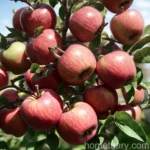
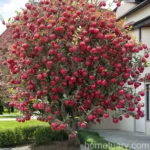
Sargent crabapple is characterized by its compact, spreading growth habit and a rounded crown. The tree typically reaches a height of 8 to 15 feet, with a slightly greater spread. Its dark green, serrated leaves turn shades of orange, red, and yellow in the fall, creating a stunning display of autumn colors. During spring, the tree produces delicate, fragrant white or pink blossoms, which give way to small, berry-like fruits in late summer. The fruits, which are typically red or yellow, persist throughout the fall and often attract wildlife such as birds.
Growing Sargent Crabapple
Cultivating Sargent crabapple is a rewarding endeavor, as this tree brings visual interest and ecological benefits to the landscape. Understanding the cultural requirements and growth conditions of Sargent crabapple is essential for promoting its health and vitality. Let’s delve into the key factors involved in nurturing this remarkable species.
Key Takeaways
Culture
Sargent crabapple thrives in a variety of cultural settings, including suburban gardens, parks, and urban landscapes. Its adaptable nature makes it a versatile choice for different environments.
Uses
The uses of Sargent crabapple are multifaceted, ranging from ornamental and aesthetic purposes to providing wildlife with food and shelter. Its small fruits, vibrant foliage, and attractive flowers make it a desirable addition to gardens and natural areas.
Water
Sargent crabapple typically requires regular watering, especially during its establishment phase. Once established, it exhibits good drought tolerance, but adequate moisture is essential for healthy growth and fruit production.
Sunlight
This species flourishes in full sun to partial shade. A site that receives at least 6 hours of direct sunlight is optimal for promoting robust growth and abundant flowering.
Fertilizer
Applying a balanced, slow-release fertilizer in early spring can support the growth and development of Sargent crabapple. It is important to follow recommended dosage and application guidelines to avoid over-fertilization.
Soil
Well-draining, slightly acidic soil is well-suited for Sargent crabapple. Amending the soil with organic matter can improve its structure and fertility, contributing to the tree’s overall health.
Pruning
Pruning is an essential aspect of Sargent crabapple maintenance, helping to shape the tree and remove dead or diseased branches. Pruning should be conducted during the dormant season to minimize stress on the tree.
Propagation
Propagation of Sargent crabapple can be accomplished through methods such as seed propagation, grafting, or cutting. Each approach has its own set of requirements and techniques, which should be carefully executed for successful propagation.
Container Popularity
Sargent crabapple is well-suited for container cultivation, allowing individuals with limited space to enjoy its beauty and benefits. Choosing the right container size and providing proper care are essential for container-grown specimens.
Common Diseases and Pests
Sargent crabapple, like many plant species, is susceptible to certain diseases and pests. Understanding these potential challenges and employing preventive measures can help safeguard the health of the tree.
Common Diseases
-
Fire Blight (Erwinia amylovora): This bacterial disease can cause wilting, browning, and dieback of the branches. Implementing sanitation practices and choosing resistant varieties can help manage the spread of fire blight.
-
Apple Scab (Venturia inaequalis): Characterized by dark, scabby lesions on leaves and fruits, apple scab can impact the aesthetic appeal and vigor of Sargent crabapple. Utilizing fungicidal sprays and promoting good air circulation can aid in preventing apple scab.
-
Cedar Apple Rust (Gymnosporangium juniperi-virginianae): This fungal disease often affects species in the Malus genus, causing yellow-orange lesions on the leaves and fruits. Removing nearby juniper hosts and applying fungicides can mitigate the impact of cedar apple rust.
Disease Diagnosis
When observing symptoms of disease in Sargent crabapple, it is crucial to accurately diagnose the issue before implementing management strategies. Consultation with a plant pathologist or horticultural expert can help in identifying the specific disease and determining an appropriate course of action.
Common Pests
-
Aphids: These small, soft-bodied insects can infest Sargent crabapple, causing damage to the foliage and reducing the tree’s vigor. Natural predators, such as ladybugs and lacewings, can aid in controlling aphid populations.
-
Spider Mites: These tiny arachnids can be problematic for Sargent crabapple, especially in dry or hot conditions. Regular monitoring and maintaining adequate humidity levels can help prevent spider mite infestations.
-
Scale Insects: Scale insects often appear as small, immobile bumps on the stems and leaves of Sargent crabapple. Implementing horticultural oils and biological controls can assist in managing scale populations.
Botanist’s Tips
-
Selecting Disease-Resistant Varieties: When choosing Sargent crabapple cultivars, prioritize disease-resistant selections to minimize the risk of common diseases such as fire blight and apple scab.
-
Implementing Good Cultural Practices: Providing appropriate growing conditions, including suitable soil, adequate water, and proper sunlight, can enhance the overall resilience and health of Sargent crabapple.
-
Regular Monitoring: Vigilant monitoring for signs of diseases and pests is essential for early intervention. Timely detection allows for prompt and effective management measures.
-
Promoting Biodiversity: Incorporating Sargent crabapple into diverse landscapes can contribute to ecological diversity and provide essential resources for wildlife.
Fun Facts
-
Sargent crabapple is known for its drought tolerance and adaptability to various soil types, making it a resilient and low-maintenance tree in the landscape.
-
The small crabapples of Sargent crabapple are not only ornamental but also serve as a valuable food source for birds and wildlife during the fall and winter months.
-
The stunning spring blossoms of Sargent crabapple, along with its vibrant autumn foliage, add seasonal interest and aesthetic appeal to gardens and natural areas.
Links to External Resources
For additional information on Sargent crabapple, its cultivation, and landscaping potential, please refer to the following resources:
-
American Horticultural Society – Sargent Crabapple
-
The United States National Arboretum – Malus Sargentii Cultivar Information
-
The Morton Arboretum – Plant Clinic Resources
-
Royal Horticultural Society – Ornamental Crabapples
-
University of Minnesota Extension – Crabapple Selection and Site Considerations
Sargent crabapple (Malus Sargentii) is a valuable addition to gardens, public spaces, and natural habitats, offering aesthetic appeal, wildlife benefits, and ecological value. By understanding its cultural needs, diseases, pests, and botanical significance, individuals can effectively incorporate this species into their landscapes while promoting its health and vitality.
Whether it’s the stunning display of spring blossoms, the vibrant fruits attracting wildlife, or the striking fall foliage, Sargent crabapple continues to captivate and enrich our outdoor environments. By celebrating the unique attributes and benefits of Sargent crabapple, we contribute to the preservation and appreciation of this exceptional tree species.