Siberian Crabapple (Malus baccata ‘Halward’)
Siberian crabapple, scientifically known as Malus baccata, is a beautiful and versatile tree that belongs to the Rosaceae family. The ‘Halward’ cultivar is particularly notable for its ornamental value, adaptability, and cold-hardy characteristics. This article aims to take an in-depth look at the Siberian crabapple, focusing specifically on the ‘Halward’ variety and covering aspects such as culture, uses, maintenance, and common diseases and pests. Whether you are a gardener, landscaper, or simply an admirer of nature, this comprehensive guide will provide valuable insights into this remarkable plant.
What is Siberian Crabapple?
The Siberian crabapple, also known as the Siberian crab apple tree, is a species native to eastern Asia, including regions such as Siberia, Northern China, and Japan. It is renowned for its resilience in cold climates, making it an exceptional choice for landscaping in colder regions. The ‘Halward’ cultivar, in particular, has garnered attention for its unique characteristics and adaptability to diverse growing conditions.
Key Takeaways – Siberian Crabapple (Malus baccata ‘Halward’)
Before delving into the specifics of growing and nurturing the Siberian crabapple, let’s highlight some key takeaways about this distinctive plant:
- Hardiness: The Siberian crabapple is renowned for its ability to thrive in cold climates, making it an excellent choice for regions with harsh winters.
- Ornamental Value: The ‘Halward’ variety, in particular, is prized for its aesthetic appeal, including beautiful blossoms, vibrant foliage, and ornamental fruit.
- Wildlife Attraction: These trees are valuable for wildlife, attracting birds and other creatures with their blossoms and fruit.
- Adaptability: Siberian crabapples, including the ‘Halward’ cultivar, exhibit adaptability to various soil types and growing conditions.
With these key points in mind, let’s explore the various aspects of cultivating and caring for the Siberian crabapple, specifically focusing on the ‘Halward’ variety.
Culture
Cultivating Siberian crabapple trees, especially the ‘Halward’ variety, requires an understanding of their specific cultural preferences. This encompasses various factors, including watering, sunlight, soil, and fertilization.
Water
Proper watering is crucial for the healthy growth of Siberian crabapples. While these trees exhibit some drought tolerance once established, they benefit from regular watering, especially during dry spells. Here are some essential watering guidelines:
- Young Trees: Newly planted saplings require consistent moisture, and regular watering is essential during the first growing season. Aim to keep the soil evenly moist without becoming waterlogged.
- Established Trees: Once the tree is established, it can withstand short periods of drought. However, during prolonged dry spells, supplemental watering is beneficial. Deep watering, allowing the moisture to penetrate the root zone, is preferable to frequent, shallow watering.
Sunlight
Siberian crabapple trees, including the ‘Halward’ variety, thrive in full sun to partial shade. Adequate sunlight is crucial for robust growth, abundant flowering, and the development of ornamental fruit. When selecting a planting site, consider the following sunlight requirements:
- Full Sun: Plant the tree in a location that receives at least 6 hours of direct sunlight per day. Full sun exposure promotes optimal flowering and fruit production.
- Partial Shade: While Siberian crabapples prefer full sun, they can tolerate partial shade, especially in regions with intense afternoon sun. In such areas, providing light shade during the hottest part of the day can be beneficial.
Fertilizer
Proper fertilization supports the overall health and vigor of Siberian crabapple trees. When considering fertilizer application, it is essential to understand the nutritional requirements of these trees and to apply fertilizers at the right time and in the correct manner. Here are some fertilizer-related considerations:
- Soil Test: Conduct a soil test to assess the existing nutrient levels and pH of the soil. This test will provide valuable insights into the specific fertilizer requirements of the tree.
- Balanced Fertilizer: Apply a balanced, slow-release fertilizer in early spring before new growth begins. Select a fertilizer with a balanced formulation, such as a 10-10-10 ratio of nitrogen, phosphorus, and potassium.
Soil
Siberian crabapples, including the ‘Halward’ variety, are adaptable to various soil types, but they thrive in well-draining, fertile soil. Consider the following soil-related factors when cultivating these trees:
- Drainage: Ensure that the planting site has good drainage to prevent waterlogging, which can lead to root rot and other issues.
- Fertility: Rich, loamy soil with a slightly acidic to neutral pH (around 6.0 to 7.0) is ideal for optimal growth and fruit production. Organic matter, such as compost, can be incorporated into the soil to improve its fertility and structure.
Pruning
Pruning is an essential aspect of Siberian crabapple tree care, contributing to the tree’s overall health, aesthetics, and fruit production. When pruning the ‘Halward’ variety, consider the following guidelines:
- Pruning Objectives: Prune to remove dead, diseased, or damaged branches, as well as any crossing or rubbing branches. Additionally, thinning the canopy can promote air circulation and light penetration, enhancing overall tree health.
- Timing: Prune during late winter to early spring while the tree is dormant. Avoid pruning in late spring or early summer to prevent excessive sap loss.
- Techniques: Use clean, sharp pruning tools to make precise cuts. Cut just outside the branch collar without leaving stubs, promoting proper healing and reducing the risk of disease entry.
Propagation
Propagation of Siberian crabapples, including the ‘Halward’ variety, can be achieved through various methods, such as seeds, cuttings, and grafting. Here is an overview of propagation considerations:
- Seeds: While Siberian crabapples can be grown from seeds, keep in mind that seed-grown trees may not retain the exact characteristics of the parent plant, including fruit quality and ornamental traits.
- Cuttings: Hardwood cuttings taken during the dormant season can be used to propagate specific cultivars, ensuring that the new plants retain the desired characteristics of the parent tree.
- Grafting: Grafting onto suitable rootstocks is a common method for propagating Siberian crabapples while maintaining the characteristics of the desired cultivar, such as the ‘Halward’ variety.
Container Popularity
Siberian crabapple trees, including the ‘Halward’ cultivar, are well-suited for container cultivation, offering several advantages for gardeners and landscapers. Container-grown crabapples can be a striking addition to patios, decks, and outdoor living spaces, providing ornamental value and the opportunity to grow these trees in areas with limited ground space. Consider the following aspects of growing Siberian crabapples in containers:
- Varietal Selection: Compact or dwarf cultivars, including the ‘Halward’ variety, are particularly well-suited for container growth, as they require minimal space and can be effectively managed in a confined environment.
- Soil and Drainage: Use high-quality potting mix with excellent drainage when planting Siberian crabapples in containers. Ensure that the pots have adequate drainage holes to prevent waterlogging.
- Maintenance: Container-grown trees may require more frequent watering and fertilization than their in-ground counterparts. Inspect the root system periodically and consider repotting the tree into a larger container as it grows.
Common Diseases
While Siberian crabapples, including the ‘Halward’ variety, are relatively resistant to many diseases, they can be susceptible to certain issues that warrant attention. Familiarizing yourself with common diseases and their associated symptoms is essential for effective management.
Disease Diagnosis
Being able to identify common diseases affecting Siberian crabapples is crucial for implementing appropriate control measures when necessary. Here are some prevalent diseases to watch for:
- Apple Scab (Venturia inaequalis): This fungal disease causes dark, scabby spots on leaves and fruit, leading to defoliation and reduced fruit quality.
- Fire Blight (Erwinia amylovora): Fire blight is a bacterial disease characterized by wilting, blackened shoots, and cankers on branches. It can be particularly destructive during warm, moist weather.
- Cedar Apple Rust (Gymnosporangium juniperi-virginianae): This disease causes distinctive rust-colored spots on leaves and can lead to premature leaf drop. It requires both juniper and apple trees for its life cycle, making management challenging.
Common Pests
Siberian crabapple trees, including the ‘Halward’ cultivar, may encounter various pests that can affect their health and ornamental value. Vigilance and regular inspection are vital for early pest detection and effective management.
Botanist’s Tips
As a botanist, here are some additional tips and insights for cultivating Siberian crabapple trees, particularly the ‘Halward’ variety:
- Pollination: While many crabapple varieties are self-fertile, planting more than one cultivar can enhance fruit set and quality through cross-pollination. When selecting multiple trees, choose varieties with overlapping bloom times for optimal pollination.
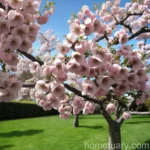
- Ornamental Value: The ‘Halward’ cultivar is prized for its abundant pinkish-white blossoms, ornamental fruit, and vivid fall foliage, making it an excellent choice for enhancing aesthetic appeal in landscapes.
- Wildlife Habitat: Siberian crabapples provide valuable food and shelter for wildlife, including birds and small mammals. Consider their wildlife-supporting role when designing landscape plantings.
Fun Facts
To enrich your understanding and appreciation of the Siberian crabapple and the ‘Halward’ variety, here are some fascinating and lesser-known facts about these trees:
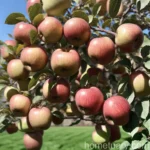
- The fruits of the ‘Halward’ cultivar are small and bright red, adding a splash of color to the landscape.
- Siberian crabapples have been used in traditional medicine for various purposes, including the treatment of digestive issues and as a source of natural pectin.
- Different cultivars of Siberian crabapples exhibit a wide range of flower colors, including shades of pink, white, and red.
Links to External Resources
For further exploration and research, the following external resources provide valuable information on Siberian crabapples, including the ‘Halward’ variety:
- Missouri Botanical Garden: Malus baccata ‘Halward’
- University of Florida IFAS Extension: Crabapples for the Home Landscape
- Royal Horticultural Society: Malus ‘Halward’
- University of Minnesota Extension: Crabapple Selection and Planting
- The Morton Arboretum: Malus baccata
In conclusion, Siberian crabapples, particularly the ‘Halward’ cultivar, are outstanding trees that exemplify resilience, ornamental beauty, and ecological value. Whether you are considering adding these trees to your landscape or seeking to expand your knowledge of ornamental plants, the Siberian crabapple stands as a remarkable testament to the diverse and fascinating world of horticulture. By understanding the cultural requirements, uses, maintenance, and unique characteristics of the ‘Halward’ variety, you can unlock the full potential of these exceptional trees in your outdoor spaces.