Seemannia Sylvatica (Gloxinia Sylvatica)
Seemannia Sylvatica, commonly known as Gloxinia Sylvatica, is a stunning tropical plant that is native to Central and South America. This plant, belonging.
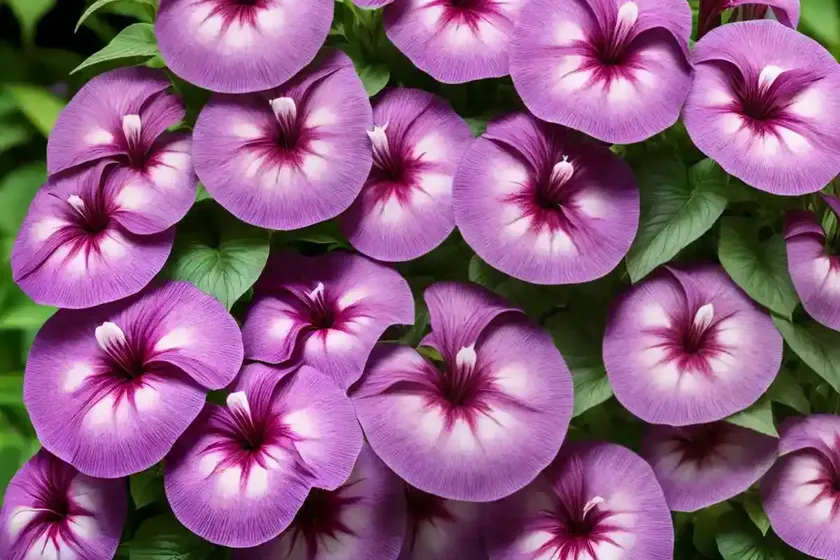
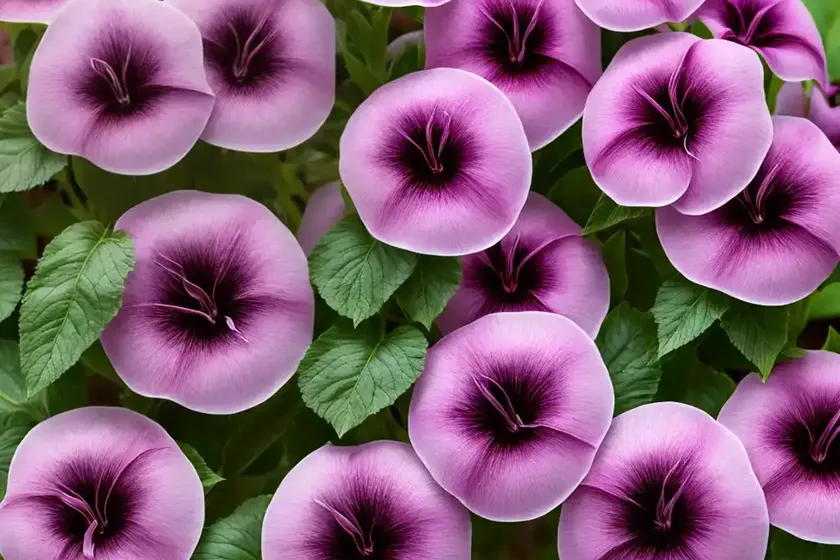
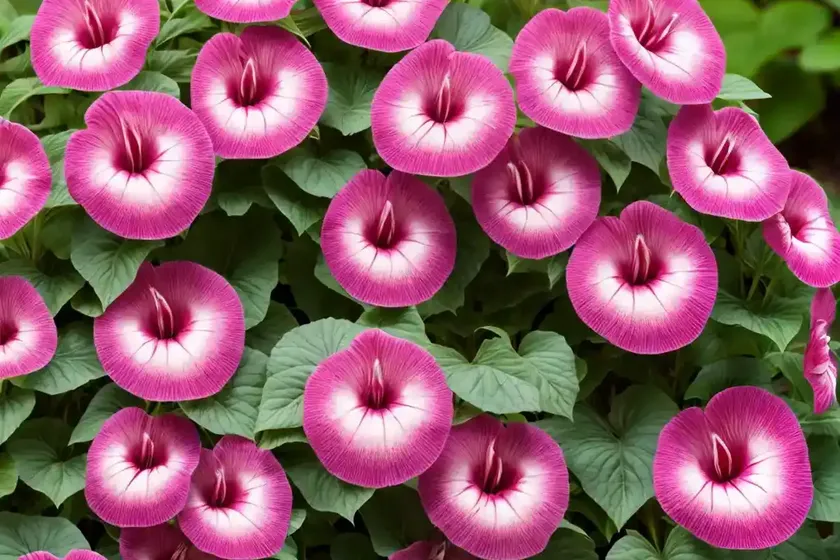
Seemannia Sylvatica, commonly known as Gloxinia Sylvatica, is a stunning tropical plant that is native to Central and South America. This plant, belonging to the Gesneriaceae family, is treasured for its vibrant and showy flowers and lush foliage. Their striking appearance and relatively easy care make them popular choices for indoor and outdoor gardens. In this comprehensive plant care guide, we will explore all the essential aspects of caring for Seemannia Sylvatica, including its culture, uses, water, sunlight, fertilizer, soil, pruning, propagation, container preferences, popular varieties, common diseases, pests, botanist’s tips, and fun facts.
What is Seemannia Sylvatica (Gloxinia Sylvatica)?
Seemannia Sylvatica, also known as Gloxinia Sylvatica, is a species of flowering plant in the family Gesneriaceae. This plant is native to the tropical regions of Central and South America, where it thrives in the warm and humid climate. It is characterized by its large, bell-shaped flowers that come in an array of vibrant colors, including shades of red, pink, purple, and white. The glossy, dark green foliage of Seemannia Sylvatica also adds to its visual appeal, making it a popular choice for ornamental purposes.
Key Takeaways – Seemannia Sylvatica (Gloxinia Sylvatica)
Before delving into the detailed care instructions for Seemannia Sylvatica, let’s take a quick look at the key takeaways for this beautiful tropical plant:
- Common Name: Seemannia Sylvatica, Gloxinia Sylvatica
- Family: Gesneriaceae
- Native Region: Central and South America
- Characteristics: Large, bell-shaped flowers in vibrant colors, glossy dark green foliage
- Uses: Ornamental purposes, indoor and outdoor gardens
- Cultural Preferences: Well-draining soil, partial shade, high humidity
- Propagation: Can be propagated from seeds or rhizome division
- Common Diseases: Powdery mildew, Botrytis blight
- Common Pests: Aphids, spider mites
Now, let’s explore each aspect of Seemannia Sylvatica care in detail.
Culture
Uses
Seemannia Sylvatica, with its striking flowers and lush foliage, is primarily used for ornamental purposes. It is a popular choice for adding vibrant color and visual interest to indoor spaces such as homes, offices, and conservatories. Additionally, it is also well-suited for outdoor gardens, where it can be grown in containers, hanging baskets, or planted directly in the ground in suitable climates.
Water
Proper watering is crucial for the health and vitality of Seemannia Sylvatica. This tropical plant thrives in consistently moist but not waterlogged soil. During the growing season, it is important to water the plant whenever the top inch of the soil feels dry to the touch. However, it is equally important to ensure that excess water is able to drain away freely to prevent waterlogging, which can lead to root rot and other issues.
During the dormant period, which usually occurs in winter, the frequency of watering should be reduced. Allow the soil to dry out slightly between waterings, but be mindful not to let it become completely dry. Care should also be taken to water the plant at the base, directly into the soil, as wetting the foliage excessively can contribute to the development of fungal diseases.
Sunlight
Seemannia Sylvatica thrives in bright, indirect light. In its natural habitat, it is often found growing on the forest floor, where it receives filtered sunlight through the canopy above. When grown indoors, it is essential to provide the plant with ample light, but it should be shielded from direct sunlight, especially during the intense midday hours. Placing the plant near an east- or west-facing window where it can receive gentle morning or late afternoon sunlight is often ideal. If it is placed outdoors, it should be positioned in a location that receives bright, indirect light.
Fertilizer
Fertilizing Seemannia Sylvatica is important for promoting healthy growth and abundant flowering. During the active growing season, which typically spans from spring to fall, it is recommended to feed the plant with a balanced, water-soluble fertilizer every two to three weeks. This will provide the essential nutrients needed for robust growth and blooms. However, it is crucial to dilute the fertilizer to half its recommended strength to avoid the risk of over-fertilizing, which can lead to salt buildup in the soil and cause harm to the plant.
In contrast, during the dormant season, which occurs in winter, fertilization should be ceased or significantly reduced. This allows the plant to enter a period of rest, during which it does not require as many nutrients for growth.
Soil
The soil in which Seemannia Sylvatica is planted plays a significant role in its overall health and well-being. In its natural habitat, this plant is often found growing in the rich, well-draining forest floor litter, which is composed of a mix of decomposing organic matter and mineral soil. When grown in cultivation, it is important to replicate these soil conditions as closely as possible.
A well-draining, porous potting mix that retains moisture without becoming waterlogged is ideal for Seemannia Sylvatica. A mix containing components such as peat moss, perlite, and pine bark will allow for adequate moisture retention while ensuring good drainage. Additionally, the soil should be slightly acidic, with a pH ranging from 5.5 to 6.5, which is similar to the conditions found in its native habitat.
Pruning
Pruning Seemannia Sylvatica is essential for maintaining its attractive appearance and promoting healthy growth. Regular pruning can help to remove any dead or yellowing leaves, rejuvenate the plant, and encourage the development of new growth. Additionally, spent flowers can be removed to promote further blooming and prevent the plant from expending energy on seed production.
When pruning Seemannia Sylvatica, it is important to use clean, sharp scissors to make clean cuts that will minimize the risk of injury to the plant. Any damaged, diseased, or overcrowded growth should be carefully removed to maintain the overall health and vigor of the plant.
Propagation
Seemannia Sylvatica can be propagated through several methods:
-
Rhizome Division: The plant forms rhizomes, which are underground stems that produce new shoots and roots. These rhizomes can be divided, and each division can be potted up to form a new plant.
-
Leaf Cuttings: Healthy leaves can be carefully removed from the plant and rooted in a suitable peat-based potting mix. With the right conditions, they will develop roots and eventually grow into new plants.
-
Seed Propagation: Seemannia Sylvatica produces seeds that can be collected and sown to propagate new plants. This method is more time-consuming compared to division or leaf cuttings but can be rewarding for experienced gardeners and horticultural enthusiasts.
When propagating Seemannia Sylvatica, it is important to provide the newly propagated plants with the appropriate care and conditions to support their establishment and growth.
Container Popularity
Seemannia Sylvatica is a popular choice for growing in containers, both indoors and outdoors. Its compact growth habit, vibrant flowers, and lush foliage make it well-suited for adding a touch of tropical beauty to patios, balconies, and indoor spaces. When grown in containers, it is essential to select a pot that provides adequate room for the plant to grow and establish its root system. Additionally, the container should have drainage holes to allow excess water to escape, thus helping to prevent waterlogging.
Common Diseases
Disease Diagnosis
Seemannia Sylvatica is susceptible to certain diseases, especially when its cultural requirements are not met or when it is subjected to unfavorable conditions. Two common diseases that can affect this plant are powdery mildew and Botrytis blight.
-
Powdery Mildew: Powdery mildew is a fungal disease that manifests as a powdery white or gray coating on the foliage of the plant. It is favored by high humidity and poor air circulation. If left untreated, powdery mildew can lead to stunted growth and reduced flowering.
-
Botrytis Blight: Botrytis blight, also known as gray mold, is another fungal disease that affects Seemannia Sylvatica. It appears as grayish-brown spots on the leaves and flowers, often accompanied by a fuzzy, mold-like growth. Botrytis blight thrives in moist conditions and can cause significant damage if not addressed promptly.
Common Pests
Seemannia Sylvatica is also vulnerable to pest infestations, with aphids and spider mites being two of the most common culprits.
-
Aphids: These small, sap-sucking insects can cause damage to the foliage of Seemannia Sylvatica by feeding on the plant juices. They often congregate on the undersides of the leaves and can be found in large numbers if left uncontrolled.
-
Spider Mites: Spider mites are tiny arachnids that are known to infest various plant species, including Seemannia Sylvatica. They feed on the plant’s fluids, leading to stippled, discolored foliage and fine webbing on the undersides of the leaves.
To ensure the health and well-being of Seemannia Sylvatica, it is important to monitor the plant regularly for signs of disease or pest infestations and take appropriate measures to address any issues promptly.
Botanist’s Tips
Here are some valuable tips for successfully growing and caring for Seemannia Sylvatica:
-
Provide Adequate Humidity: Seemannia Sylvatica thrives in high humidity and benefits from being grown in environments where the air is kept moist. This can be achieved through methods such as misting the foliage, using a humidifier, or placing the plant on a tray filled with water and pebbles.
-
Monitor Light Levels: While Seemannia Sylvatica appreciates bright, indirect light, it is important to shield it from direct sunlight, especially during the intense midday hours. Excessive exposure to direct sunlight can lead to leaf scorch and sunburn.
-
Avoid Overwatering: While it is important to keep the soil consistently moist, it is equally crucial to avoid overwatering, as this can lead to root rot and other issues. Always check the moisture level of the soil before watering and adjust the frequency based on the plant’s specific needs.
-
Regular Inspection: Regularly inspect the plant for signs of disease, pests, or any other issues that may arise. Early detection and intervention can prevent problems from escalating and help maintain the plant’s overall health.
Fun Facts
-
The vibrant flowers of Seemannia Sylvatica can attract pollinators such as butterflies and hummingbirds, adding to its appeal in outdoor settings.
-
Seemannia Sylvatica is often celebrated for its ability to purify indoor air, making it a valuable addition to interior spaces.
-
In addition to its ornamental value, Seemannia Sylvatica has been used in traditional medicine for various purposes in its native regions.
With its stunning blooms and striking foliage, Seemannia Sylvatica is a captivating plant that can bring an exotic touch to any garden or indoor space. By understanding and meeting its cultural needs, providing proper care, and addressing any challenges that may arise, gardeners can enjoy the beauty and rewards of cultivating this remarkable tropical plant.
Links to External Resources
For additional information on Seemannia Sylvatica and related topics, the following external resources may be valuable:
- Royal Horticultural Society – Seemannia Cultivation Information
- American Gesneriad Society – Gesneriaceae Family Profile
- University of Florida IFAS Extension – Ornamental Plant Disease Resources
- Missouri Botanical Garden – Plant Finder
I hope this comprehensive plant care guide provides you with the knowledge and inspiration to cultivate and care for Seemannia Sylvatica with confidence and success. Whether you’re a novice gardener or an experienced plant enthusiast, the allure of this tropical gem is sure to captivate and delight as it graces your indoor or outdoor spaces with its vibrant presence. Happy gardening!
References
- “Gloxinia”. Wikipedia. https://en.wikipedia.org/wiki/Gloxinia
- The Gesneriad Society. https://www.gesneriadsociety.org/
- Missouri Botanical Garden. “Seemannia seedling care”. https://www.missouribotanicalgarden.org/
- American Society for Horticultural Science. “Managing Disease, Pests, and Environmental Stress in the Home Garden and Landscape”. https://ashs.org/
- Royal Horticultural Society. “Gesneriads”. https://www.rhs.org.uk/
- University of Florida IFAS Extension. “Gardening Solutions”. https://sfyl.ifas.ufl.edu/


