Alpine Balsam (Erinus Alpinus)
What is Alpine Balsam (Erinus Alpinus)? Alpine Balsam, scientifically known as Erinus Alpinus, is a delightful perennial plant that belongs to the genus.
What is Alpine Balsam (Erinus Alpinus)?
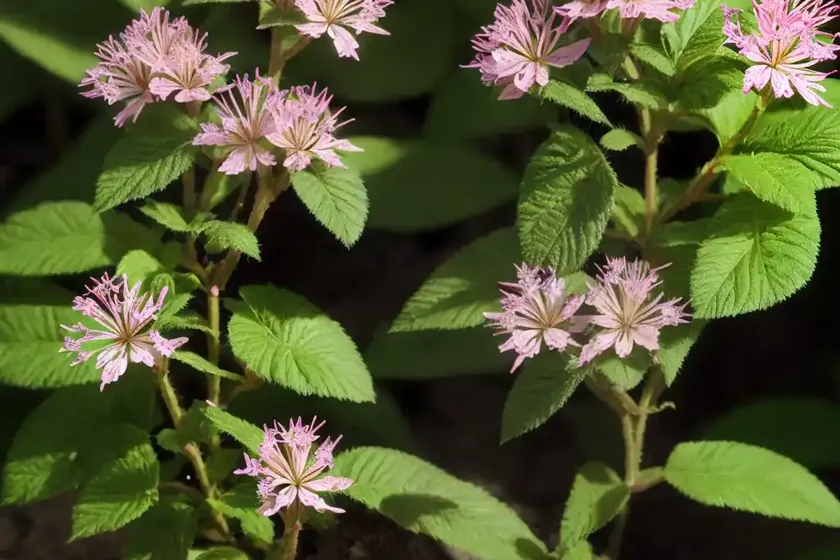
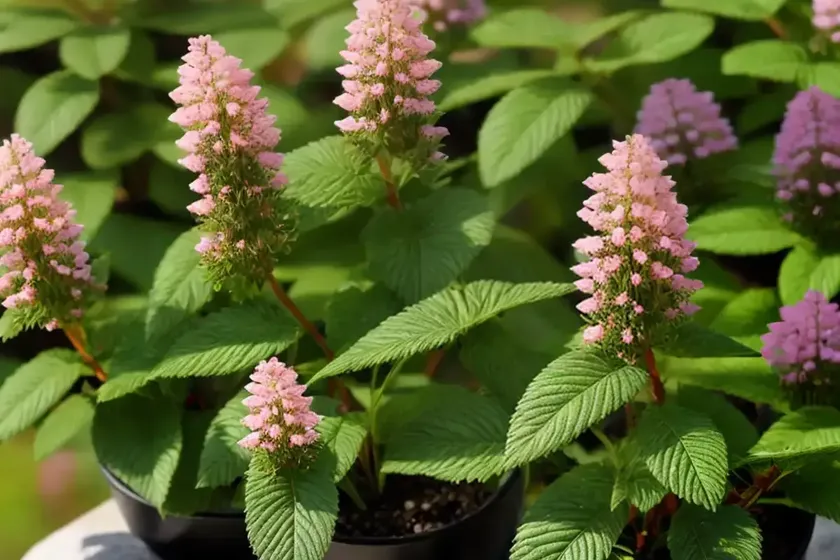
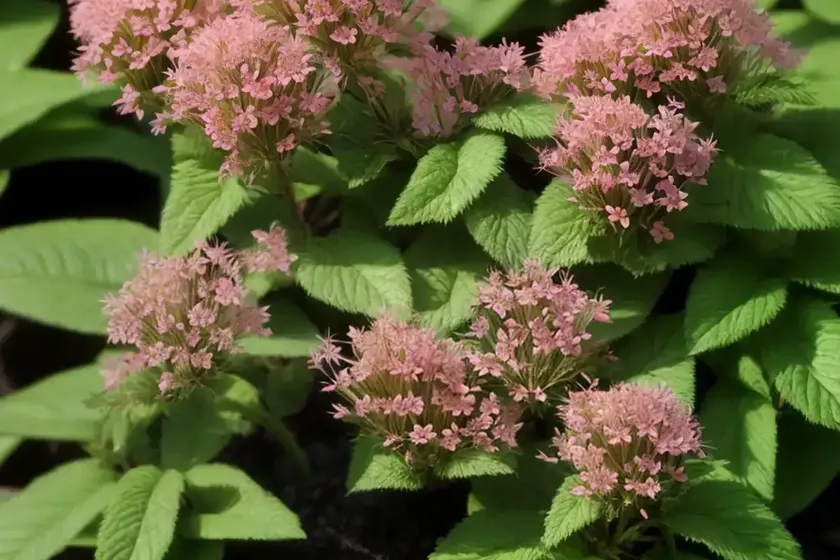
Alpine Balsam, scientifically known as Erinus Alpinus, is a delightful perennial plant that belongs to the genus Erinus in the family Plantaginaceae. This charming plant is native to the alpine regions of Europe, where it thrives in rocky, mountainous terrains. Alpine Balsam is celebrated for its petite size and vibrant, enchanting flowers that captivate gardeners and nature enthusiasts alike. It has gained popularity as an ornamental plant in gardens and landscapes, owing to its alluring appearance and low maintenance requirements.
The distinctive characteristics and captivating allure of Alpine Balsam make it an excellent addition to a variety of garden settings. In this comprehensive guide, we will explore the fascinating world of Alpine Balsam (Erinus Alpinus), delving into its cultivation, uses, care requirements, and much more. Additionally, we will discover the nuanced aspects of maintaining and propagating this charming plant, as well as exploring its historical significance and ecological contributions.
Key Takeaways – Alpine Balsam (Erinus Alpinus)
Before we embark on our journey to unravel the intricacies of Alpine Balsam, let’s take a moment to highlight the key takeaways of this enthralling plant:
- Scientific Name: Erinus Alpinus
- Family: Plantaginaceae
- Native Habitat: Alpine regions of Europe
- Characteristics: Petite size, vibrant flowers, low-growing habit
- Uses: Ornamental gardening, landscaping, container gardening
- Cultivation Requirements: Well-drained soil, moderate watering, partial to full sunlight
- Propagation: Seeds, division
- Popularity: Increasing interest as an ornamental plant
- Common Diseases: Powdery mildew, botrytis
- Common Pests: Aphids, spider mites
- Fun Facts: Charming flowers, hardy nature, attracts pollinators
Now that we have an overview of Alpine Balsam and its key attributes, let’s delve into the details of its cultivation, care, and ecological significance.
Culture
The cultural significance of Alpine Balsam is deeply intertwined with its history and the profound impact it has on gardening practices and landscape design. This section will shed light on the cultural uses and historical relevance of Erinus Alpinus, providing insights into its role in various gardening traditions and horticultural practices.
Uses
The unique charm and aesthetic appeal of Alpine Balsam have positioned it as a beloved ornamental plant in gardens and landscapes. This delightful species is valued for its ability to enhance the visual allure of outdoor spaces, lending a touch of natural elegance with its vibrant flowers and graceful form. Whether employed as ground cover, edging plants, or accent features in rock gardens, Alpine Balsam brings an enchanting quality to its surroundings.
Ornamental GardeningIn the realm of ornamental gardening, Alpine Balsam holds a special place as a petite yet captivating plant. Its ability to thrive in rocky, alpine conditions makes it an ideal choice for gardens seeking to emulate the rugged charm of mountainous landscapes. When massed or planted in clusters, its bright blooms create a picturesque scene, evoking the untamed beauty of alpine meadows.
LandscapingAlpine Balsam is often integrated into landscaping designs to introduce bursts of color and visual interest. Its compact growth habit and vibrant flowers make it a versatile option for enhancing the appeal of pathways, borders, and rocky outcrops within the landscape. By incorporating Alpine Balsam into diverse settings, landscapers can create nuanced and captivating outdoor environments.
Container GardeningThe diminutive size and captivating blossoms of Alpine Balsam make it an excellent choice for container gardening. Whether displayed in window boxes, patio pots, or alpine-themed planters, Alpine Balsam adds a touch of whimsy and natural splendor to container arrangements. Its suitability for small spaces and ability to thrive in well-drained containers have earned it a place in the realm of urban and small-space gardening.
Care
As with any plant, understanding the care requirements of Alpine Balsam is essential for fostering its health and ensuring optimal growth. From watering and sunlight needs to soil and fertilization considerations, providing attentive care is paramount in nurturing the beauty and vitality of Erinus Alpinus.
Water
Proper watering is crucial for maintaining the health and vigor of Alpine Balsam. While this resilient plant exhibits some drought tolerance, it thrives when provided with consistent moisture during the growing season. Adequate watering is particularly important during periods of active growth and flowering, as it supports the development of vibrant blooms and healthy foliage.
- Watering Guidelines
- During the growing season, aim to keep the soil consistently moist, without allowing it to become waterlogged.
- Water deeply when the top inch of soil feels dry to the touch, ensuring thorough penetration to the root zone.
- Adjust watering frequency based on environmental factors such as temperature and humidity, ensuring that the plant receives adequate hydration.
Sunlight
Alpine Balsam flourishes in locations that receive ample sunlight, although it also demonstrates tolerance for partial shade. When positioned in a sunny site, it tends to produce an abundance of blossoms, accentuating its visual appeal. By prioritizing sunlight needs, gardeners can encourage robust growth and prolific flowering in Alpine Balsam.
- Sunlight Requirements
- Position the plant in a site that receives at least 6 hours of direct sunlight per day for optimal flowering and overall vigor.
- In regions with intense summer heat, providing partial shade during the hottest part of the day can help protect the plant from excessive stress.
- Monitor the plant’s response to light conditions and make adjustments as needed to ensure its vitality.
Fertilizer
Although Alpine Balsam is relatively undemanding in its nutritional needs, providing a balanced fertilizer can support its growth and blooming potential. A slow-release or liquid fertilizer formulated for flowering plants can be applied during the active growing season to bolster the plant’s vitality and promote abundant blooms.
- Fertilization Practices
- Apply a balanced, all-purpose fertilizer according to the manufacturer’s guidelines, ensuring that it is formulated for flowering plants.
- Begin fertilization in early spring as new growth emerges, and continue at regular intervals throughout the growing season to sustain the plant’s nutrient requirements.
- Avoid over-fertilization, as excessive nutrients can lead to lush foliage at the expense of flowering.
Soil
The soil composition in which Alpine Balsam is planted plays a significant role in its overall health and performance. Well-drained, moisture-retentive soil with a slightly acidic to neutral pH level is conducive to the growth and longevity of this charming plant. By selecting an appropriate soil type and ensuring proper drainage, gardeners can lay the foundation for thriving Alpine Balsam.
- Soil Requirements
- Choose a well-drained soil mix rich in organic matter, with good moisture retention properties to support the plant’s water needs.
- Aim for a slightly acidic to neutral soil pH within the range of 6.0 to 7.0, as Alpine Balsam thrives in these conditions.
- Incorporate organic compost or peat moss into the planting area to enhance soil structure and fertility.
Pruning
Pruning practices for Alpine Balsam are relatively minimal, primarily focusing on deadheading spent flowers to encourage continuous blooming. By promptly removing faded blooms, gardeners can stimulate the production of new buds and extend the flowering period of this captivating plant.
- Deadheading Technique
- Regularly inspect the plant for spent blossoms and trim them back to the nearest set of healthy leaves or nodes.
- Deadhead Alpine Balsam throughout the growing season to prevent seed development and redirect the plant’s energy toward producing fresh blooms.
- Utilize sharp, sterilized pruning shears to execute precise deadheading without causing undue stress on the plant.
Propagation
When seeking to propagate Alpine Balsam, gardeners can employ two primary methods: seed propagation and division. Both approaches offer viable means of creating new plantings and expanding the presence of this captivating species in the garden.
Seeds
Alpine Balsam produces tiny, dust-like seeds that can be harvested for propagation purposes. Sowing fresh seeds in well-drained, moist soil in the early spring or late summer can yield new plants capable of flourishing in the garden or container settings.
- Seed Propagation Process
- Harvest seeds from mature, healthy plants, ensuring that they are fully ripened and viable for sowing.
- Sow the seeds in trays or pots filled with a well-draining seed starting mix, lightly pressing them into the surface and covering with a thin layer of soil.
- Maintain consistent moisture and moderate warmth to facilitate germination, and transplant the seedlings to their intended location once they have developed sufficient size and vigor.
Division
Dividing established clumps of Alpine Balsam presents another avenue for propagating this captivating species. By carefully separating the root masses and replanting the divided sections, gardeners can create new individual plants that can thrive and bloom in diverse garden settings.
- Division Technique
- Select healthy, mature specimens of Alpine Balsam for division, typically in the early spring or fall when the plant is not in active blooming.
- Gently lift the plant from the soil, taking care to preserve the root structure, and tease apart the root mass into individual sections.
- Replant the divided sections in well-prepared soil, ensuring adequate moisture and care to support their establishment and growth.
Container Popularity
The diminutive size, charming blossoms, and adaptability of Alpine Balsam have contributed to its popularity as a container plant. Whether showcased in alpine-themed arrangements or paired with complementary companions, this captivating species offers a delightful addition to container gardens, balconies, and small outdoor spaces.
Container Gardening Considerations
- Select containers with adequate drainage holes and a size suitable for the mature growth of Alpine Balsam, ensuring ample space for root development.
- Utilize well-draining potting mixes enriched with organic matter to provide a conducive environment for the plant’s growth in containers.
- Position containers in locations that receive sufficient sunlight and monitor watering needs to maintain optimal moisture levels for the plants.
Common Diseases
While Alpine Balsam is generally resilient, it may be susceptible to certain diseases that can impact its health and vitality. Being aware of common diseases and their symptoms empowers gardeners to take proactive measures to mitigate the risk and maintain the well-being of this captivating species.
Disease Diagnosis
- Powdery Mildew: Look for the development of powdery, white patches on the foliage, accompanied by stunted growth and reduced vigor. Provide good air circulation and consider fungicidal treatments to address powdery mildew.
- Botrytis: Watch for the appearance of gray mold on the plant’s flowers and foliage, often triggered by prolonged periods of high humidity. Employ cultural practices to enhance air circulation and maintain proper plant hygiene to minimize the risk of botrytis infection.
Common Pests
Alpine Balsam may encounter challenges posed by various pests, necessitating vigilant monitoring and timely intervention to protect the plant from potential damage.
Pest Management
- Aphids: Monitor for the presence of aphids on the plant, particularly beneath leaves and on tender stems, and employ insecticidal treatments or natural predators to control infestations.
- Spider Mites: Watch for signs of webbing and stippling on the foliage, indicating the presence of spider mites. Employ horticultural oils or insecticidal soaps to manage spider mite populations and reduce their impact on the plant.
Botanist’s Tips
As a botanist, I offer the following tips to enhance the success and enjoyment of cultivating Alpine Balsam:
- Embrace the plant’s hardy nature and adaptability, leveraging its resilience to thrive in a variety of garden settings.
- Integrate Alpine Balsam into rock gardens, alpine-inspired landscapes, and container arrangements to showcase its captivating beauty.
- Utilize mulch to conserve soil moisture and suppress weed growth around Alpine Balsam plantings, enhancing their overall health and vigor.
- Monitor the plant for signs of stress or pest infestations, intervening with appropriate measures to safeguard its well-being and growth.
Fun Facts
Uncovering the fascinating aspects of Alpine Balsam unveils a treasure trove of intriguing information, adding depth to our appreciation of this captivating plant.
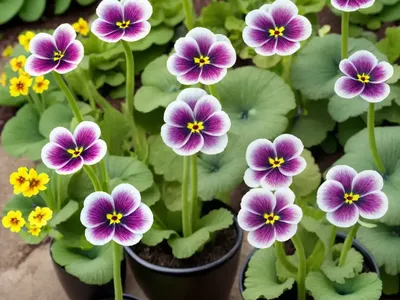
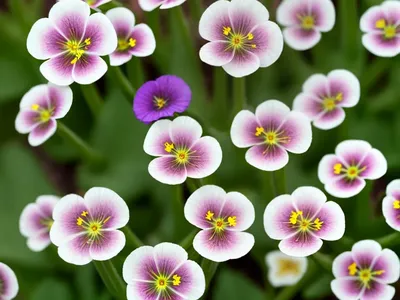
- Charming Flowers: The petite, trumpet-shaped flowers of Alpine Balsam come in an array of captivating hues, including shades of pink, purple, and white, adding a delightful burst of color to the garden landscape.
- Hardy Nature: Alpine Balsam exhibits resilience and endurance, thriving in challenging alpine conditions and enduring fluctuating weather with fortitude.
- Attracts Pollinators: The nectar-rich flowers of Alpine Balsam entice an array of pollinators, including bees and butterflies, contributing to the ecological vibrancy of garden settings.
Links to External Resources
To further enrich your knowledge and exploration of Alpine Balsam (Erinus Alpinus), I recommend delving into the following resources:
- Royal Horticultural Society – Alpine Balsam Plant Profile
- Alpine Garden Society – Erinus Alpinus Cultivation Guide
- Missouri Botanical Garden – Erinus Alpinus Horticultural Tips
- American Society for the Prevention of Cruelty to Alpines – Alpine Balsam Growing Guide
- Gardening Know How – Alpine Balsam Care and Maintenance
Wrapping Up
In conclusion, the allure of Alpine Balsam (Erinus Alpinus) transcends its charming appearance, encompassing its cultural significance, cultivation practices, and ecological contributions. As we immerse ourselves in the enchanting world of this captivating plant, we gain valuable insights into its uses, care requirements, and propagation techniques, paving the way for enhanced appreciation and successful cultivation.
Whether adorning garden landscapes, container gardens, or alpine-inspired settings, Alpine Balsam infuses a touch of natural splendor and whimsy, captivating the hearts of gardening enthusiasts and nature aficionados. By embracing the unique appeal and resilience of this delightful species, gardeners can enrich their outdoor spaces and partake in the timeless allure of alpine beauty.
So, embark on your journey with Alpine Balsam, savoring the elegance of its blooms, celebrating its hardy nature, and reveling in the wondrous transformations it bestows upon gardens and landscapes. With a palette of captivating colors and a spirit as resilient as the alpine environments it hails from, Alpine Balsam invites you to explore the enchanting world of ornamental gardening and bask in the enduring charm of nature’s treasures.