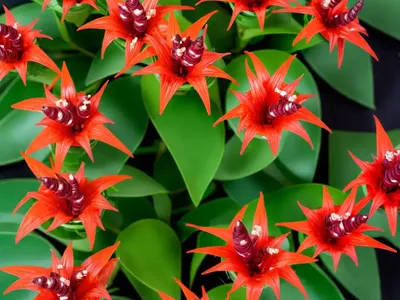
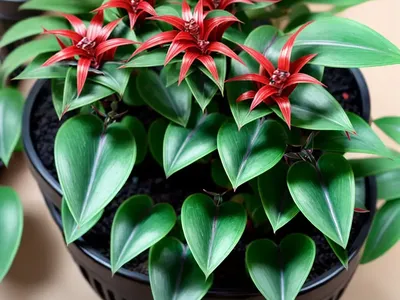
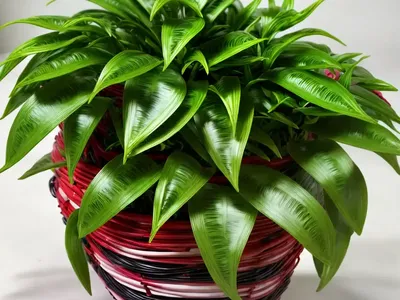
Twisted Lipstick Plant (Aeschynanthus ‘Rasta’)
The Twisted Lipstick Plant, scientifically known as Aeschynanthus ‘Rasta’, is a stunning and unique plant known for its cascading vines and vibrant.
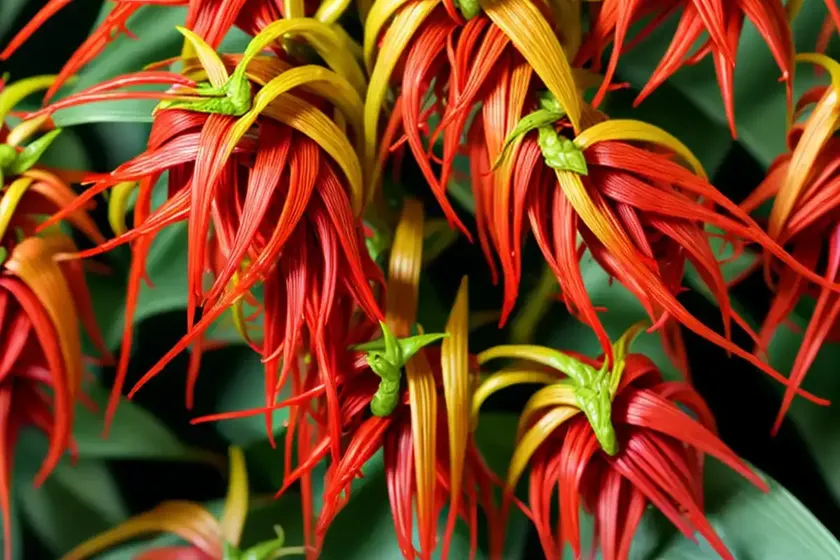
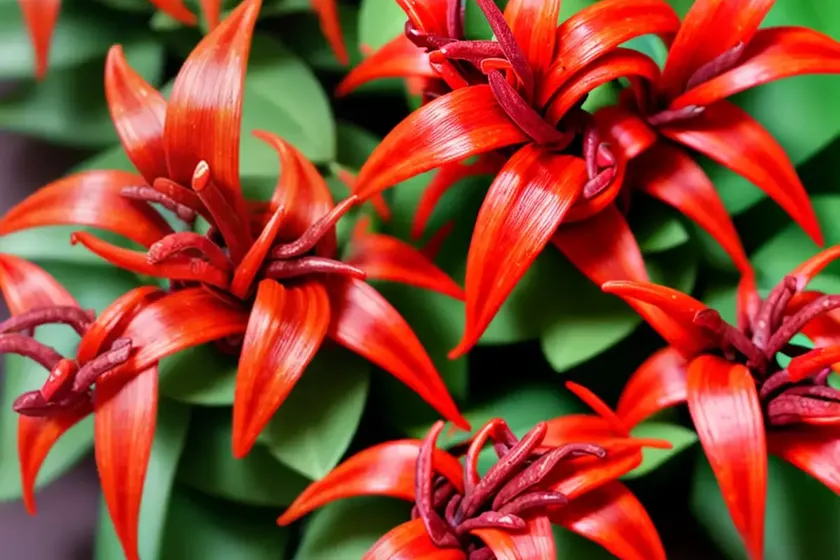
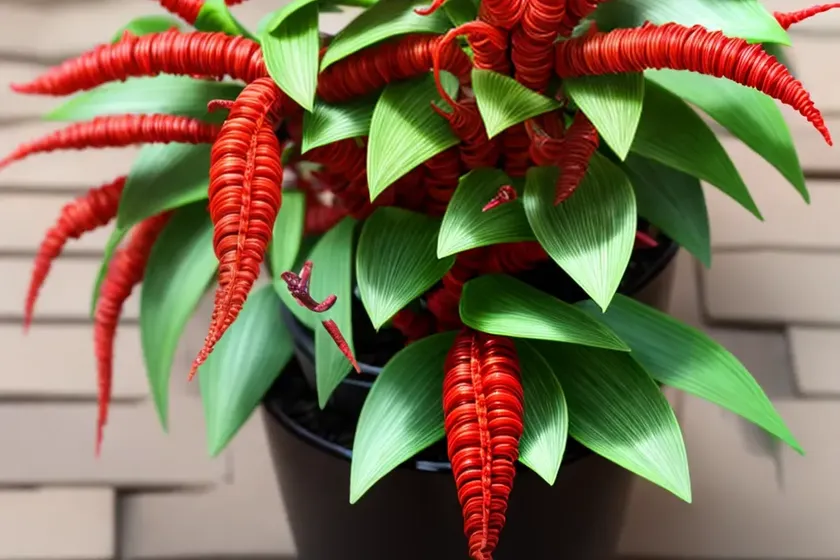
The Twisted Lipstick Plant, scientifically known as Aeschynanthus ‘Rasta’, is a stunning and unique plant known for its cascading vines and vibrant, tubular flowers that resemble a tube of lipstick. This tropical plant belongs to the Gesneriaceae family and is native to Southeast Asia, particularly in regions such as Malaysia, Thailand, and the Philippines. The ‘Rasta’ variety of Aeschynanthus is particularly popular for its eye-catching red flowers, making it a sought-after choice for indoor and outdoor gardens.
In this comprehensive guide, we will delve into the various aspects of caring for the Twisted Lipstick Plant, from its preferred growing conditions to propagation methods and common diseases. Whether you’re a seasoned plant enthusiast or a beginner looking to add a touch of exotic beauty to your home, this guide will provide you with the essential knowledge to nurture and appreciate the stunning Aeschynanthus ‘Rasta’ to its fullest potential.
Key Takeaways – Twisted Lipstick Plant (Aeschynanthus ‘Rasta’)
Culture
The Twisted Lipstick Plant, with its vibrant blooms and trailing vines, embodies a tropical allure that can elevate the ambiance of any indoor or outdoor setting. Its cultural significance extends beyond its aesthetic appeal, as it holds traditional value in various Southeast Asian communities.
Uses
In addition to its ornamental value, the Twisted Lipstick Plant has been employed in traditional medicine for its purported healing properties. Furthermore, its vibrant red flowers and lush foliage make it an ideal choice for enhancing the visual appeal of homes, offices, and public spaces.
Water
Proper watering is crucial in maintaining the health and vitality of the Twisted Lipstick Plant. Understanding its specific water requirements will help prevent issues such as root rot or dehydration, ensuring lush growth and abundant flowering.
Sunlight
As a tropical plant, the Twisted Lipstick Plant thrives in bright, indirect sunlight. Appropriate placement in your home or garden will promote healthy growth and encourage prolific flowering.
Fertilizer
Balanced and timely fertilization is essential for supplying the Twisted Lipstick Plant with vital nutrients for sustained growth and vibrant blooms. Understanding the fertilization needs of Aeschynanthus ‘Rasta’ will contribute to its overall well-being.
Soil
The choice of potting mix and soil composition directly impacts the health and growth of the Twisted Lipstick Plant. Tailoring the soil conditions to mimic its native habitat is crucial for ensuring its long-term health and beauty.
Pruning
Pruning plays a significant role in shaping the growth and appearance of the Twisted Lipstick Plant. Understanding the techniques and timing for pruning will aid in maintaining its elegance and vigor.
Propagation
Expanding your collection of Twisted Lipstick Plants or sharing the beauty of Aeschynanthus ‘Rasta’ with others can be achieved through the propagation of stem cuttings. Mastering the propagation methods will enable you to multiply these captivating plants with ease.
Container Popularity
The Twisted Lipstick Plant’s graceful cascading vines and vibrant flowers make it a popular choice for container gardening. Its versatility and beauty allow for various creative display options, making it a favored selection for both indoor and outdoor container gardens.
Common Diseases
Understanding the common diseases that can affect the Twisted Lipstick Plant is crucial for early detection and effective treatment. Implementing preventive measures will promote its overall health and vitality.
Disease Diagnosis
Recognizing the symptoms and signs of diseases that may afflict the Twisted Lipstick Plant is essential for prompt intervention and mitigation. Accurate diagnosis will aid in preserving the plant’s beauty and resilience.
Common Pests
Pests pose a potential threat to the well-being of the Twisted Lipstick Plant. Familiarizing yourself with the common pests and implementing appropriate pest control measures will safeguard the plant from infestations.
Twisted Lipstick Plant (Aeschynanthus ‘Rasta’) Care Guide
Twisted Lipstick Plant Culture
The Twisted Lipstick Plant, with its cascading vines and vibrant blooms, is deeply ingrained in the cultural traditions of Southeast Asia. This tropical plant holds both ornamental and medicinal significance, contributing to its esteemed status in various communities.
Ornamental Significance
Hailing from the tropical regions of Southeast Asia, the Twisted Lipstick Plant has captivated plant enthusiasts and horticulturists with its striking appearance and vibrant flowers. Its cascading growth habit and tubular, red blooms make it a popular choice for enhancing the visual appeal of homes, offices, and public spaces.
In native Southeast Asian cultures, the Twisted Lipstick Plant is often revered for its beauty and symbolic significance. Its bright red flowers are associated with vitality and joy, and the plant is sometimes used in traditional ceremonies and festivities.
Medicinal Uses
Beyond its ornamental value, the Twisted Lipstick Plant has been utilized for its purported medicinal properties in traditional healing practices. In some cultures, extracts from the plant are used to address various health concerns, including skin conditions and digestive ailments. While scientific research on its medicinal properties is ongoing, the plant’s traditional significance in holistic healing practices is testament to its cultural relevance.
Growing Conditions
Water
Proper watering is essential for maintaining the health and vigor of the Twisted Lipstick Plant. Understanding its water requirements and implementing a balanced watering regimen will contribute to lush growth and prolific flowering.
Twisted Lipstick Plant Watering Tips:
– Ensure that the potting mix is well-draining to prevent waterlogged conditions.
– Water the plant when the top inch of the soil feels dry to the touch.
– Adjust the frequency of watering based on environmental conditions, such as temperature and humidity.
– Use room-temperature water to avoid shocking the plant’s roots.
Sunlight
As a tropical plant, the Twisted Lipstick Plant thrives in bright, indirect sunlight. Providing the appropriate amount of light will promote healthy growth and encourage abundant flowering.
Aeschynanthus ‘Rasta’ Sunlight Requirements:
– Place the plant in a location with bright, indirect light, such as near a north-facing window or in a well-lit room with sheer curtains.
– Protect the plant from direct sunlight, especially during the intense midday hours, to prevent leaf burn.
Fertilizer
Regular fertilization is crucial for supplying the Twisted Lipstick Plant with essential nutrients for sustained growth and vibrant blooms. Choosing a balanced fertilizer and adhering to a consistent feeding schedule will contribute to the plant’s overall health and flowering performance.
Fertilizing Aeschynanthus ‘Rasta:
– Use a well-balanced, water-soluble fertilizer formulated for flowering houseplants.
– Feed the plant during the growing season, typically from spring to early autumn, following the manufacturer’s instructions for dilution and frequency.
– Reduce or withhold fertilizer during the plant’s dormant period in late autumn and winter.
– Flush the soil occasionally with water to prevent the buildup of fertilizer salts.
Soil
The choice of potting mix and soil composition significantly influences the growth and health of the Twisted Lipstick Plant. Tailoring the soil conditions to mimic its native habitat is crucial for ensuring its long-term well-being.
Recommended Soil Mix for Aeschynanthus ‘Rasta:
– Use a well-draining potting mix with a combination of peat moss, perlite, and coarse sand.
– Incorporate organic matter, such as compost or coconut coir, to improve moisture retention and nutrient availability while maintaining good drainage.
– Aim for a slightly acidic to neutral soil pH range (pH 6.0-6.5) for optimal growth and nutrient uptake.
– Repot the plant every 1-2 years to refresh the soil and provide ample space for root development.
Pruning
Pruning is an essential aspect of maintaining the graceful growth and appearance of the Twisted Lipstick Plant. Understanding the principles of pruning will aid in shaping the plant and promoting its overall vigor.
Aeschynanthus ‘Rasta’ Pruning Guidelines:
– Use clean, sharp pruning shears to trim back overgrown or leggy stems to encourage bushier growth.
– Remove spent flowers and yellowing leaves to maintain a tidy and attractive appearance.
– Prune the plant after the flowering period to maintain its desired shape and size.
– Avoid excessive pruning, as the Twisted Lipstick Plant blooms on mature growth, and over-pruning may limit flowering.
Propagation
Expanding your collection of Twisted Lipstick Plants or sharing the beauty of Aeschynanthus ‘Rasta’ with others can be achieved through the propagation of stem cuttings. Mastering the propagation methods will enable you to multiply these captivating plants with ease.
Propagation Techniques for Aeschynanthus ‘Rasta:
– Take 4-6 inch stem cuttings from the parent plant, ensuring that each cutting has several nodes.
– Remove the lower leaves from the cuttings to expose the nodes, which will encourage root development.
– Dip the cut ends in a rooting hormone to promote faster and more reliable root formation.
– Plant the cuttings in a well-draining potting mix and keep them consistently moist under bright, indirect light.
Container Popularity
The Twisted Lipstick Plant’s graceful cascading vines and vibrant flowers make it a popular choice for container gardening. Its versatile and beautiful nature allows for various creative display options, making it a favored selection for both indoor and outdoor container gardens.
Popular Container Gardening Ideas for Aeschynanthus ‘Rasta:
– Plant the Twisted Lipstick Plant in a hanging basket or a tall, decorative pot to showcase its trailing growth habit.
– Create a lush and visually appealing display by combining Aeschynanthus ‘Rasta’ with other complementary houseplants, such as ferns or trailing vines.
– Use the plant as a centerpiece in a mixed container arrangement, incorporating colorful foliage and flowers for a stunning composition.
– Place the Twisted Lipstick Plant in a well-draining pot with adequate drainage holes to ensure healthy root growth.
Common Diseases
Understanding the common diseases that can afflict the Twisted Lipstick Plant is crucial for early detection and effective treatment. Implementing preventive measures will promote its overall health and vitality.
Common Diseases Affecting Aeschynanthus ‘Rasta:
1. Powdery Mildew: The plant may develop a powdery white coating on the leaves and stems due to fungal infections favored by high humidity and inadequate air circulation.
– Treatment: Improve air circulation, avoid overhead watering, and apply a fungicidal spray as needed.
2. Root Rot: Overwatering or poorly draining soil can lead to root rot, characterized by yellowing, wilting, and mushy roots.
– Treatment: Adjust the watering regimen, repot the plant in well-draining soil, and trim away affected roots.
3. Botrytis Blight: This fungal disease can cause gray mold on the plant’s leaves and flowers, particularly in humid conditions.
– Treatment: Remove affected plant parts, improve air circulation, and apply fungicidal treatments as necessary.
Disease Diagnosis
Recognizing the symptoms and signs of diseases that may afflict the Twisted Lipstick Plant is essential for prompt intervention and mitigation. Accurate diagnosis will aid in preserving the plant’s beauty and resilience.
Diagnosing Diseases in Aeschynanthus ‘Rasta:
– Monitor the plant for changes in leaf color, texture, or appearance, as well as any signs of wilting or deformities.
– Inspect the soil and roots for any signs of decay, foul odors, or excessive moisture.
– Seek prompt professional advice if you notice persistent or severe symptoms that indicate a potential disease.
Common Pests
Pests pose a potential threat to the well-being of the Twisted Lipstick Plant. Familiarizing yourself with the common pests and implementing appropriate pest control measures will safeguard the plant from infestations.
Common Pests Affecting Aeschynanthus ‘Rasta:
1. Aphids: These tiny, sap-sucking insects can cluster on the plant’s tender growth tips and buds, causing stunted growth and distorted foliage.
– Control: Rinse the plant with a strong stream of water, apply insecticidal soap, or introduce natural predators like ladybugs.
2. Spider Mites: These minuscule pests can cause stippling and webbing on the plant’s leaves, leading to weakened growth and vitality.
– Control: Increase humidity, isolate infested plants, and apply a targeted miticide to eliminate spider mite infestations.
3. Mealybugs: These cottony, soft-bodied insects can gather on the plant’s stems and leaf nodes, draining sap and causing yellowing or wilting.
– Control: Remove mealybugs by hand, apply alcohol-soaked cotton swabs to affected areas, and introduce beneficial insects for long-term control.
Botanist’s Tips
As a plant enthusiast and botanist, here are some expert tips for successfully caring for the Twisted Lipstick Plant:
- Monitor Environmental Conditions: Regularly assess factors such as temperature, humidity, and light levels to ensure that the plant’s growing environment aligns with its preferences.
- Observe Watering Cues: Pay attention to the plant’s response to watering, such as wilting or yellowing leaves, to adjust your watering schedule accordingly.
- Promote Air Circulation: Enhance air circulation around the plant by using fans or positioning it in well-ventilated areas to minimize the risk of fungal diseases.
- Regular Inspections: Routinely inspect the plant for signs of pests and diseases, intervening promptly to address any issues that arise.
- Mindful Pruning: When pruning the Twisted Lipstick Plant, aim to maintain its natural growth habit while shaping it for aesthetic appeal and overall health.
Fun Facts
- The vibrant red flowers of the Twisted Lipstick Plant are a magnet for hummingbirds, making it a delightful addition to gardens that aim to attract these tiny, nectar-loving birds.
- In its native habitats, the Twisted Lipstick Plant can often be found growing as an epiphyte, thriving on tree trunks and branches with minimal soil. This characteristic makes it a versatile and adaptable plant for unconventional growing conditions.
Links to External Resources
- The American Gesneriad Society – An authoritative source for information on gesneriads, including Aeschynanthus species and care guidelines.
- Royal Horticultural Society – An invaluable resource for horticultural guidance, plant care advice, and extensive plant databases.
- University of Florida IFAS Extension – Provides comprehensive resources on gardening, horticulture, and pest management, offering insights into caring for a wide range of plants.
In conclusion, the stunning Twisted Lipstick Plant, Aeschynanthus ‘Rasta’, with its cascading vines and vibrant red flowers, is a captivating addition to any plant lover’s collection. By understanding its specific cultural significance, preferred growing conditions, and essential care guidelines, you can nurture this tropical beauty to its fullest potential, delighting in its lush growth and enchanting blossoms.
Whether you choose to display it in a hanging basket, as a trailing centerpiece, or as part of a lush container garden, the Twisted Lipstick Plant is sure to imbue your space with a touch of exotic elegance and natural beauty. By following the insights and recommendations outlined in this guide, you can embark on a rewarding journey of cultivating and appreciating the unique allure of Aeschynanthus ‘Rasta’ in your own botanical haven.
With dedicated care and a deep appreciation for its tropical charm, the Twisted Lipstick Plant will thrive, bringing joy and a dash of vibrant color to your indoor or outdoor oasis. Let its cascading vines and vivid red flowers be a source of inspiration and wonder, as you embark on a delightful botanical adventure with this enchanting tropical gem.
Remember to share your nurturing experiences, creative displays, and captivating blooms with fellow plant enthusiasts, spreading the joy and fascination that the Twisted Lipstick Plant, Aeschynanthus ‘Rasta’, has to offer.
Note: The information provided in this guide is intended for educational and informational purposes only. Individual plant care and maintenance may vary based on specific environmental conditions and regional factors. Always seek professional advice for precise guidance on plant care, propagation, and pest management.
Keywords: Twisted lipstick plant care, Aeschynanthus ‘Rasta’ plant, Growing Twisted lipstick plant, Aeschynanthus ‘Rasta’ propagation, Best conditions for Twisted lipstick plant, Twisted lipstick plant watering, Aeschynanthus ‘Rasta’ pruning, Twisted lipstick plant indoor, Aeschynanthus ‘Rasta’ varieties, Twisted lipstick plant disease control, Aeschynanthus ‘Rasta’ pests, Twisted lipstick plant fertilization, Aeschynanthus ‘Rasta’ sunlight requirements, Twisted lipstick plant potting mix, Aeschynanthus ‘Rasta’ pot size, Twisted lipstick plant humidity needs, Aeschynanthus ‘Rasta’ trailing plant, Twisted lipstick plant hanging basket, Aeschynanthus ‘Rasta’ care tips, Twisted lipstick plant growth habits, Aeschynanthus ‘Rasta’ flowering, Twisted lipstick plant toxic to pets, Aeschynanthus ‘Rasta’ common problems, Twisted lipstick plant indoor decor, Aeschynanthus ‘Rasta’ soil requirements, Twisted lipstick plant winter care, Aeschynanthus ‘Rasta’ lighting needs, Twisted lipstick plant repotting, Aeschynanthus ‘Rasta’ leaf shape, Twisted lipstick plant hanging display ideas, Aeschynanthus ‘Rasta’ temperature tolerance, Twisted lipstick plant root rot prevention, Aeschynanthus ‘Rasta’ humidity tray, Twisted lipstick plant air purification, Aeschynanthus ‘Rasta’ container gardening, Twisted lipstick plant water retention, Aeschynanthus ‘Rasta’ drought tolerance, Twisted lipstick plant companion plants, Aeschynanthus ‘Rasta’ heat resistance, Twisted lipstick plant leaf patterns, Aeschynanthus ‘Rasta’ hanging display ideas, Twisted lipstick plant natural habitat, Aeschynanthus ‘Rasta’ nutrient requirements, Twisted lipstick plant indoor air quality, Aeschynanthus ‘Rasta’ vine growth, Twisted lipstick plant soil acidity, Aeschynanthus ‘Rasta’ leaf color variations, Twisted lipstick plant wall decor, Aeschynanthus ‘Rasta’ creeping growth habit, Twisted lipstick plant dormancy period.