Lace Flower (Alsobia Dianthiflora)
Lace Flower, scientifically known as Alsobia dianthiflora, is a charming and delicate plant that has gained popularity due to its ornamental value and ease.
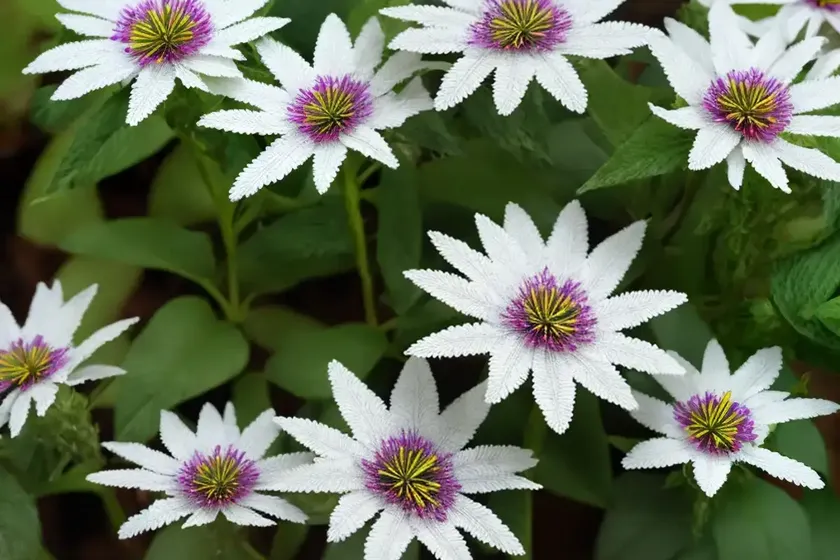
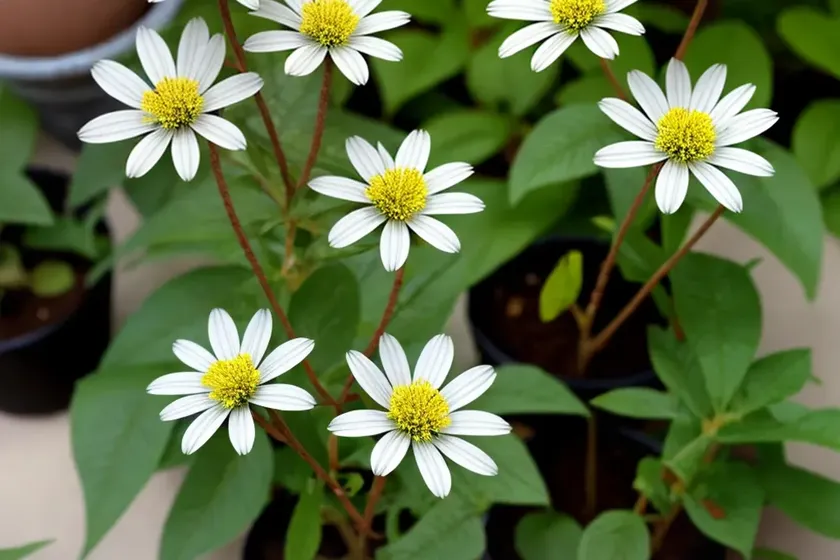
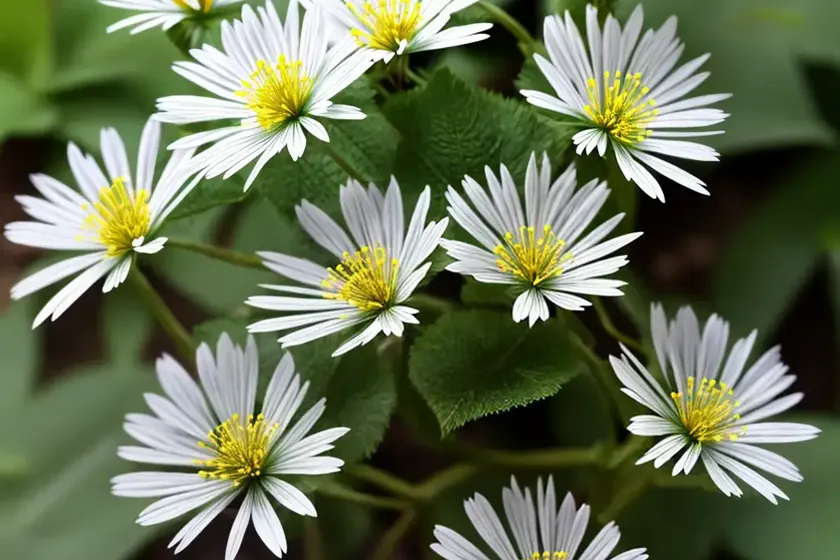
Lace Flower, scientifically known as Alsobia dianthiflora, is a charming and delicate plant that has gained popularity due to its ornamental value and ease of care. This plant belongs to the Gesneriaceae family and is native to Central and South America. Its unique foliage and small, white, star-shaped flowers make it a favorite among indoor gardeners and plant enthusiasts.
In this comprehensive guide, we will delve into the various aspects of caring for Lace Flower, including its cultural requirements, propagation methods, common pests and diseases, and much more. Whether you are a seasoned plant enthusiast or a beginner looking to add a touch of elegance and beauty to your indoor space, this guide will equip you with the knowledge and insights needed to cultivate and appreciate the enchanting Lace Flower.
What is Lace Flower (Alsobia dianthiflora)?
Lace Flower, or Alsobia dianthiflora, is a herbaceous perennial plant known for its trailing stems and attractive foliage. The plant is characterized by its ovate, deep green leaves with serrated edges, which create a lace-like appearance, thus earning it the common name “Lace Flower.”
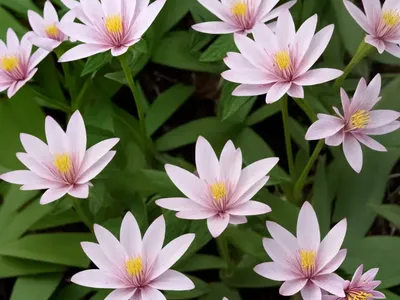
The delicate nature of the plant’s leaves, coupled with its small, dainty white flowers that resemble tiny stars, contributes to its visual appeal. The flowers may have a slight fragrance, adding to the overall allure of this ornamental plant.
Lace Flower is often sought after for its suitability as an indoor plant, making it an excellent choice for enhancing the aesthetic appeal of interior spaces such as living rooms, kitchens, offices, and bedrooms. Its trailing growth habit also makes it well-suited for hanging baskets and elevated planters, where its cascading stems can create an elegant and graceful display.
Key Takeaways – Lace Flower (Alsobia dianthiflora)
Before we delve deeper into the specifics of caring for Lace Flower, let’s summarize some key takeaways about this enchanting plant:
- Scientific Name: Alsobia dianthiflora
- Common Names: Lace Flower, Lace Flower Vine
- Family: Gesneriaceae
- Native Habitat: Central and South America
- Growth Habit: Trailing, cascading
- Foliage: Deep green, ovate leaves with serrated edges
- Flowers: Small, white, star-shaped flowers with a delicate fragrance
- Suitability: Well-suited for indoor cultivation, hanging baskets, and elevated planters
Now that we have an overview of Lace Flower’s characteristics, let’s explore the specific care requirements and cultivation practices that will enable you to nurture this captivating plant successfully.
Culture
Water
Proper watering is crucial for maintaining the health and vitality of Lace Flower. As a plant that thrives in a moist environment, it is essential to ensure that the soil remains consistently moist, but not waterlogged. When watering your Lace Flower, aim to keep the soil evenly moist at all times, allowing the top layer of the soil to dry out slightly before the next watering.
- Frequency: Water Lace Flower regularly, especially during the growing season, ensuring that the soil does not dry out completely between waterings.
- Watering Technique: Use a watering can with a fine spout to water the plant gently, allowing the water to penetrate the soil without causing disturbance to the foliage.
Sunlight
Lace Flower prefers bright, indirect light, making it well-suited for indoor cultivation. Position the plant in a location where it can receive ample natural light, such as near a north- or east-facing window. Avoid exposing Lace Flower to direct sunlight, particularly during the intense midday hours, as this can lead to leaf scorch and damage the delicate foliage.
- Light Requirements: Provide Lace Flower with bright, indirect light to ensure healthy growth and vibrant foliage.
- Light Duration: Aim for approximately 6-8 hours of indirect sunlight per day to meet the plant’s light requirements.
Fertilizer
Fertilizing Lace Flower is essential for promoting robust growth and encouraging the development of new foliage and flowers. Use a balanced, water-soluble fertilizer formulated for flowering plants or foliage plants, diluted to half the recommended strength. Apply the fertilizer every 4-6 weeks during the active growing season, typically from spring to early fall.
- Fertilizer Type: Choose a balanced, water-soluble fertilizer suitable for both flowering and foliage plants.
- Application Frequency: Apply fertilizer every 4-6 weeks during the growing season for optimal growth and flowering.
Soil
The choice of soil plays a significant role in the overall health and well-being of Lace Flower. A well-draining, nutrient-rich potting mix is ideal for this plant, providing the necessary aeration and moisture retention to support healthy root development and growth. Consider using a high-quality commercial potting mix designed specifically for tropical or flowering plants, which typically contains a blend of peat moss, perlite, and organic matter.
- Soil Type: Opt for a well-draining, nutrient-rich potting mix formulated for tropical or flowering plants.
- Aeration: Ensure that the soil provides adequate aeration for the roots while retaining moisture to support the plant’s hydration needs.
Pruning
Pruning Lace Flower is beneficial for maintaining its overall shape, controlling its size, and promoting a fuller, more bushy growth habit. As the plant grows, trim back any leggy or straggly stems to encourage branching and promote new growth. Additionally, promptly remove any yellowing or damaged leaves to maintain the plant’s visual appeal and prevent the spread of diseases.
- Pruning Frequency: Regularly inspect the plant and prune as needed to maintain its desired shape and size.
- Pruning Technique: Use clean, sharp pruning shears to trim back overgrown or unruly stems, ensuring a neat and tidy appearance.
Propagation
Propagating Lace Flower is a rewarding way to expand your plant collection and share the beauty of this ornamental species with others. The plant can be propagated easily through stem cuttings, which can develop into new, independent plants with proper care and attention. Select healthy, non-flowering stems for propagation, and follow a few simple steps to successfully propagate Lace Flower.
- Propagation Method: Use stem cuttings to propagate Lace Flower, selecting healthy, non-flowering stems for best results.
- Propagation Medium: Plant the stem cuttings in a well-draining potting mix and maintain a consistently moist environment to encourage root development.
Container Popularity
Lace Flower’s versatility and aesthetic appeal make it a popular choice for container gardening, both indoors and outdoors. The plant’s trailing growth habit and delicate foliage lend themselves well to various types of containers, including hanging baskets, elevated planters, and decorative pots. When selecting a container for Lace Flower, consider the plant’s growth requirements, ensuring that the container provides adequate drainage and space for the plant to thrive.
- Container Types: Choose from hanging baskets, elevated planters, or decorative pots to showcase Lace Flower’s trailing growth habit.
- Drainage: Select containers with drainage holes to prevent waterlogging and promote healthy root growth.
Common Diseases
Lace Flower, like many other plants, is susceptible to certain diseases and health issues that can affect its overall vigor and appearance. Understanding the common diseases that may impact Lace Flower will empower you to recognize the signs and symptoms early, enabling you to take proactive measures to address and mitigate these concerns.
Disease Diagnosis
Here are some common diseases that may affect Lace Flower, along with their potential symptoms and diagnostic indicators:
| Disease | Symptoms | Diagnostic Indicators |
|---|---|---|
| Powdery Mildew | White, powdery spots on leaves | Powdery patches on foliage, especially in humid conditions |
| Root Rot | Wilted, yellowing leaves | Soil that is excessively damp or waterlogged, along with foul odor |
| Leaf Spot | Dark, irregular spots on leaves | Circular or irregular lesions on the foliage, often with a dark center |
Understanding the potential diseases that Lace Flower may encounter will enable you to implement appropriate measures to prevent, control, and manage these issues effectively.
Common Pests
In addition to diseases, Lace Flower may also be susceptible to various pests that can compromise its health and vitality. Identifying and addressing pest infestations promptly is crucial for safeguarding the plant and maintaining its overall well-being.
Some common pests that may affect Lace Flower include:
- Aphids: Small, soft-bodied insects that cluster on the undersides of leaves, causing leaf distortion and yellowing.
- Spider Mites: Tiny arachnids that produce webbing on the foliage, leading to stippled, discolored leaves and overall decline in plant health.
- Mealybugs: Small, white, cottony insects that congregate on the stems and leaf undersides, sapping the plant’s vitality and causing stunted growth.
Visual inspection of the plant, particularly the undersides of leaves and along the stems, can help in early detection of pest infestations. Implementing organic pest control methods or using horticultural oils and insecticidal soaps as needed can effectively manage these pest issues.
Botanist’s Tips
As a plant scientist specializing in the cultivation and study of ornamental plants, here are a few insightful tips and recommendations for successfully growing and caring for Lace Flower:
- Adequate Moisture: Pay close attention to the plant’s watering needs, ensuring that the soil remains evenly moist without becoming waterlogged.
- Gentle Pruning: When pruning Lace Flower, use sharp, clean pruning shears and make precise cuts to promote healthy growth and discourage disease.
- Propagation Success: When propagating Lace Flower from stem cuttings, maintain a consistently moist environment to support the development of new roots.
- Disease Vigilance: Regularly inspect Lace Flower for signs of powdery mildew, root rot, or leaf spot, and take timely action to address any health issues.
Adhering to these tips will contribute to the overall health, vitality, and beauty of Lace Flower, enabling you to cultivate this ornamental plant with confidence and success.
Fun Facts
Did You Know?
- Lace Flower belongs to the Gesneriaceae family, which includes numerous ornamental and horticulturally significant plant species, making it a part of a diverse and fascinating botanical family.
- The delicate, white flowers of Lace Flower have a star-like appearance and may emit a subtle, pleasant fragrance, adding to the plant’s charm and allure.
- Lace Flower’s trailing growth habit and lacy foliage make it an ideal choice for creating visually captivating hanging baskets and elevated plant displays, enhancing the aesthetic appeal of any indoor space.
Notable Attributes
- Ornamental Value: With its graceful foliage and dainty blooms, Lace Flower is prized for its ornamental value, adding a touch of elegance and charm to interior spaces.
- Versatile Cultivation: Lace Flower’s adaptability to different container types and its suitability for indoor environments make it a versatile and sought-after plant choice.
- Easy Propagation: The plant’s ease of propagation through stem cuttings makes it an accessible option for expanding your plant collection and sharing its beauty with others.
Links to External Resources
For additional insights and information about Lace Flower, including its cultivation, propagation, and more, consider exploring the following external resources:
- Royal Horticultural Society – Alsobia dianthiflora
- University of Florida IFAS Extension – Alsobia dianthiflora Guide
- North Carolina State University Extension – Lace Flower Care Tips
- American Horticultural Society – Growing Lace Flower Indoors
- The Gesneriad Society
These resources provide in-depth guidance on cultivating Lace Flower, offering valuable insights to support your journey in caring for this enchanting plant.
In conclusion, Lace Flower, or Alsobia dianthiflora, is a captivating and versatile plant with an array of ornamental qualities that make it a delightful addition to any indoor garden or plant collection. By understanding and implementing the cultural practices and care guidelines outlined in this comprehensive guide, you can create a thriving and visually captivating display of Lace Flower, enjoying its beauty and elegance while nurturing it to its fullest potential. Whether you are drawn to its delicate foliage, charming blooms, or ease of care, Lace Flower is sure to captivate and delight, enriching your indoor spaces with its grace and allure.
Remember to share the beauty of Lace Flower with fellow plant enthusiasts and continue to explore the fascinating world of ornamental plants, enriching your botanical knowledge and appreciation along the way. Happy gardening, and may your Lace Flower flourish and bloom with exuberant vitality!