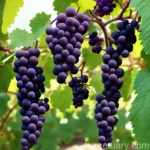
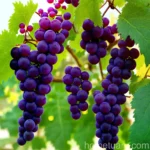
The Fascinating World of Seedless Grape (Vitis labrusca ‘Concord Seedless’)
Grapes have been revered for centuries for their delicious taste and versatility in culinary applications. One of the most popular varieties of grapes is the seedless grape (Vitis labrusca ‘Concord Seedless’), known for its sweet flavor and juicy flesh. In this comprehensive guide, we will delve into the world of seedless grapes, focusing on the iconic Concord Seedless grape variety. We will explore its cultivation, characteristics, uses, and maintenance, providing valuable insights for both home gardeners and commercial grape growers.
What is a Seedless Grape (Vitis labrusca ‘Concord Seedless’)?
The seedless grape, specifically the Vitis labrusca ‘Concord Seedless’ variety, is a cultivar renowned for its flavorful, seedless berries. This grape belongs to the Vitis labrusca species, which is native to North America and is highly valued for its use in winemaking, fresh consumption, and the production of grape juice.
Key Takeaways
Seedless Grape (Vitis labrusca ‘Concord Seedless’)
- Cultivation: Understanding the optimal conditions for growing seedless grapes
- Uses: Exploring the diverse uses of Concord Seedless grapes
- Water: Water requirements for healthy grapevines
- Sunlight: The importance of sunlight for grape cultivation
- Fertilizer: Nutritional needs and fertilization strategies for seedless grapes
- Soil: Ideal soil conditions for planting and maintaining grapevines
- Pruning: Pruning techniques to promote grapevine health and productivity
- Propagation: Methods for propagating seedless grape varieties
- Container Culture: Tips for growing seedless grapes in containers
- Common Diseases: Identifying and managing diseases affecting seedless grapes
- Common Pests: Prevention and control of pests that pose a threat to grapevines
- Botanist’s Tips: Expert advice for successful seedless grape cultivation
- Fun Facts: Intriguing and lesser-known facts about seedless grapes
Let’s embark on an educational journey to uncover the enticing world of the seedless grape (Vitis labrusca ‘Concord Seedless’).
Cultivation of Seedless Grape (Vitis labrusca ‘Concord Seedless’)
Cultivating seedless grapes, especially the Concord Seedless variety, requires careful attention to environmental conditions, maintenance practices, and disease management. Successful grape cultivation entails a holistic approach that considers factors such as water, sunlight, soil, and fertilizer.
Water
Proper irrigation is crucial for the healthy growth of seedless grapevines. These plants require consistent moisture, especially during the growing season and fruit development. However, it is essential to avoid overwatering, as excessively wet soil can lead to root rot and other water-related issues.
| Watering Guidelines for Seedless Grapevines |
|---|
| – Adequate moisture during the growing season |
| – Avoid overwatering to prevent waterlogging |
| – Consider drip irrigation for controlled watering |
| – Adjust watering frequency based on weather conditions |
Sunlight
Sunlight is a primary requirement for the successful cultivation of seedless grapes. These plants thrive in full sunlight, which promotes photosynthesis, fruit maturation, and overall vine vigor. When selecting a site for planting, ensure that it receives ample sunlight throughout the day, particularly during the peak growing season.
Fertilizer
Fertilization plays a vital role in providing essential nutrients to seedless grapevines, sustaining their growth, and supporting the development of flavorful fruits. Conducting soil tests to assess nutrient levels can guide the application of fertilizers, ensuring that the plants receive the appropriate balance of nitrogen, phosphorus, and potassium, along with necessary micronutrients.
Soil
The choice of soil significantly impacts the health and productivity of seedless grapevines. Well-draining soil with good aeration is ideal for grape cultivation. While these plants can adapt to various soil types, they prefer loamy or sandy soils that prevent waterlogging and facilitate root development.
Pruning
Pruning is a critical aspect of grapevine maintenance, contributing to fruit quality, vine structure, and disease prevention. Proper pruning helps manage vine vigor, remove diseased or damaged wood, and shape the plant for optimal productivity. Timing and technique are essential considerations when carrying out pruning activities.
| Pruning Recommendations for Seedless Grapevines |
|---|
| – Winter pruning to remove dormant canes |
| – Summer pruning for canopy management |
| – Removal of excess growth and non-fruitful shoots |
| – Training young vines for proper structure |
Propagation
Propagation methods are employed to multiply desirable grape varieties, including seedless cultivars such as the Concord Seedless grape. Common propagation techniques for grapevines include hardwood cuttings, grafting, and layering. Each approach has its advantages and is used based on the specific objectives of the grower.
Container Culture
Growing seedless grapevines in containers is a viable option, particularly for individuals with limited gardening space or those seeking to create portable vine displays. Container-grown grapes require appropriate support, watering, and care to thrive, making them a versatile choice for urban and small-space gardening.
Uses of Seedless Grape (Vitis labrusca ‘Concord Seedless’)
The uses of seedless grapes, particularly the Concord Seedless variety, are diverse and encompass culinary applications, winemaking, fresh consumption, and the production of grape-derived products. These grapes are celebrated for their sweet flavor, vibrant color, and versatility in various preparations.
- Fresh Consumption: Enjoyed as a nutritious, flavorful snack
- Wine Production: Utilized in winemaking to create delightful, aromatic wines
- Grape Juice: Pressed to yield refreshing, naturally sweet grape juice
- Culinary Applications: Incorporation into desserts, salads, and savory dishes
- Health Benefits: Source of antioxidants, vitamins, and dietary fiber
Common Diseases Affecting Seedless Grapes
Like all cultivated plants, seedless grapevines are susceptible to certain diseases that can impact their growth and fruit production. Understanding the symptoms, causes, and management strategies for common grape diseases is essential for maintaining healthy vineyards and ensuring high-quality yields.
Disease Diagnosis
Effective disease management begins with accurate diagnosis. Timely identification of symptoms such as leaf discoloration, wilting, and fruit rot can aid in the early detection of diseases. Consulting with agricultural extension services and plant pathology experts can provide valuable insights into disease diagnosis and control measures.
Common Diseases
| Common Grape Diseases | Symptoms | Management Strategies |
|---|---|---|
| – Powdery Mildew | White powdery patches on leaves | Fungicidal treatments, cultural practices |
| – Downy Mildew | Yellow spots on leaves, fuzzy growth | Fungicide application, canopy management |
| – Botrytis Bunch Rot | Gray mold on berries | Sanitation, reduced humidity, fungicidal sprays |
| – Anthracnose | Dark lesions on leaves and fruit | Pruning, fungicidal applications, disease-resistant cultivars |
Common Pests Threatening Seedless Grapevines
Pests can significantly impact the health and productivity of seedless grapevines, necessitating proactive pest management strategies to safeguard the plants and their fruits. By identifying and addressing pest infestations early, growers can minimize damage and uphold the vitality of their grape crops.
| Common Grape Pests | Identification | Pest Control Measures |
|---|---|---|
| – Grapevine Moth | Larvae feeding on grape clusters | Pheromone traps, biological control, insecticides |
| – Grape Berry Moth | Larvae infesting berries | Monitoring, pheromone traps, insecticidal applications |
| – Grape Leafhopper | Leaf-sucking insects | Natural predators, insecticidal soaps, reflective mulches |
| – Japanese Beetle | Foliage and fruit feeders | Handpicking, biological control, insecticide treatments |
Botanist’s Tips for Successful Seedless Grape Cultivation
As a plant scientist and advocate for sustainable agriculture, I offer the following expert tips to guide growers in their endeavors to cultivate healthy, productive seedless grapevines.
Botanist’s Tips
- Soil Preparation: Conduct soil tests and amend the soil as needed to create an optimal growing environment for grapevines.
- Integrated Pest Management: Implement integrated pest management (IPM) practices to minimize reliance on chemical pesticides and promote natural pest controls.
- Companion Planting: Explore the benefits of companion planting to enhance grapevine health and ecosystem diversity.
- Organic Practices: Embrace organic growing methods to produce high-quality seedless grapes while prioritizing environmental stewardship.
Fun Facts about Seedless Grapes
- Seedless grapes are the product of natural or induced mutations that suppress seed development within the berries, resulting in a juicy, seed-free fruit.
- The Concord Seedless grape, with its distinctive sweet flavor and rich color, has been a beloved favorite in the United States for decades, valued for its use in both fresh consumption and winemaking.
- The cultivation of seedless grapes involves the utilization of disease-resistant varieties, advanced breeding techniques, and sustainable agricultural practices to enhance vine health and crop yield.
Conclusion
In conclusion, the seedless grape (Vitis labrusca ‘Concord Seedless’) represents a captivating and highly sought-after grape variety distinguished by its delectable flavor, seedlessness, and wide-ranging uses. This comprehensive guide has provided valuable insights into the cultivation, characteristics, uses, and maintenance of the Concord Seedless grape, equipping growers with the knowledge to nurture thriving grapevines.
Celebrated for their culinary versatility, nutritional benefits, and potential for winemaking, seedless grapes continue to captivate the palates of consumers and inspire the dedication of grape growers worldwide. As we embrace the allure of the seedless grape, let us appreciate the artistry and science behind its cultivation, cherishing the bountiful harvests and delightful flavors it bestows.
As an avid advocate for sustainable agriculture and horticultural innovation, I invite you to delve deeper into the captivating world of seedless grape cultivation, encompassing the art and science of growing, preserving, and enjoying this beloved fruit.
For further exploration, you can refer to the following resources and articles:
- Grape Growing Tips and Information
- Seedless Grape Varieties for Home Gardeners
- Grapevine Pest Management
This journey into the realm of seedless grapes offers a tapestry of flavors, aromas, and agricultural insights, inviting both seasoned enthusiasts and aspiring growers to partake in the delight of nurturing and savoring the fruits of the vine.
Happy cultivating, and may the splendor of seedless grapes enrich your horticultural pursuits and culinary experiences.