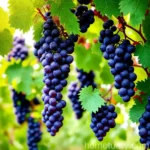
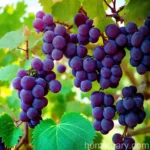
Plant Profile: Grape (Vitis ‘Himrod’)
Grapes are one of the most beloved and culturally significant fruits, with a history that dates back thousands of years. The diversity of grape varieties caters to various preferences, and they have many uses, from being consumed fresh to being transformed into wine, juice, or raisins. In this article, we will delve into the world of growing grapes, focusing on the Vitis ‘Himrod’ variety. We will cover its culture, uses, care guidelines, and tips to ensure successful cultivation.
What is Vitis ‘Himrod’?
Vitis ‘Himrod’ is a popular white grape cultivar known for its sweet, juicy berries and excellent flavor. This variety is a hybrid of the Ontario and Thompson Seedless grapes, developed by the New York State Agricultural Experiment Station. ‘Himrod’ grapes are seedless and are prized for their use in fresh eating, making them an ideal choice for home gardeners who desire a delicious and versatile grape variety.
Key Takeaways
Before we delve into the specifics of growing Vitis ‘Himrod’ grapes, let’s outline the key takeaways that we will cover in this comprehensive guide:
- Understanding the culture and uses of Vitis ‘Himrod’
- Providing the necessary water, sunlight, fertilizer, and soil conditions for optimal growth
- Learning about pruning, propagation, and growing grapes in containers
- Exploring common diseases and pests that affect grapevines
- Gaining botanical tips and fun facts about Vitis ‘Himrod’
- Providing links to external resources for further exploration
Now, let’s embark on a journey through the world of Vitis ‘Himrod’ grapes, exploring its cultivation, care requirements, and the joy of growing this delightful fruit in your home garden.
Culture
Cultivating Vitis ‘Himrod’ grapes requires an understanding of its specific needs and growth patterns. Let’s explore the cultural aspects of this grape variety, from its water and sunlight requirements to its preferred soil and fertilizer needs.
Water
Grapes, including Vitis ‘Himrod’, thrive in well-drained soil and require consistent moisture, especially during the growing season and fruit development stages. Irrigate young grapevines regularly to encourage strong root development. However, be cautious not to overwater, as excessive moisture can lead to root rot and other issues. Once established, mature grapevines are relatively drought-tolerant but still benefit from regular, deep watering, particularly during dry spells.
Consider incorporating a drip irrigation system or soaker hoses to deliver water directly to the root zone, reducing water waste and minimizing the risk of fungal diseases associated with overhead watering. Additionally, mulching around the base of grapevines helps retain soil moisture and suppress weed growth.
| Watering Techniques for Vitis ‘Himrod’ |
|---|
| – Young Grapevines: Regular irrigation to encourage root development |
| – Mature Grapevines: Periodic deep watering during dry spells |
| – Irrigation Systems: Consider drip irrigation or soaker hoses |
| – Mulching: Helps retain moisture and suppresses weeds |
Sunlight
Grapes are known for their affinity for sunlight, and Vitis ‘Himrod’ is no exception. To thrive and produce high-quality fruit, grapevines require ample sunlight, ideally a minimum of 6-8 hours of direct sunlight per day. Adequate sunlight exposure allows the leaves to harness energy through photosynthesis, promoting healthy growth and sweet, flavorful grapes.
When selecting a planting site or positioning grapevines in your garden, prioritize locations with full sun exposure. Be mindful of potential obstructions such as buildings or trees that may cast shade over the grapevines.
| The Role of Sunlight in Grape Ripening |
|---|
| – Sunlight Requirement: Minimum of 6-8 hours of direct sunlight daily |
| – Photosynthesis: Energy production for healthy growth and fruit development |
| – Planting Considerations: Select locations with full sun exposure |
Fertilizer
Like many fruit-bearing plants, grapevines benefit from balanced fertilization to support their nutritional needs and foster robust growth. Prior to planting, assess the soil’s fertility and pH levels to determine if any amendments are necessary. A soil test can provide valuable insights and recommendations for the appropriate fertilizer regimen.
During the growing season, apply a balanced fertilizer, such as a 10-10-10 formulation, in early spring before bud break to provide essential nutrients for the upcoming growing season. Additionally, a side dressing of compost or well-aged manure around the base of the grapevines can contribute to soil organic matter and supplement the nutrient intake.
| Recommended Fertilizers for Grapevines |
|---|
| – Soil Assessment: Conduct soil test for fertility and pH |
| – Balanced Fertilization: Apply 10-10-10 formulation in early spring |
| – Organic Amendments: Utilize compost or well-aged manure as a supplement |
Soil
Grapes, including Vitis ‘Himrod’, thrive in well-drained soil with good aeration and fertility. Additionally, soil pH plays a crucial role in grapevine health and fruit quality. The ideal soil pH for grape cultivation ranges from 6.0 to 6.5, providing an optimal environment for nutrient uptake and root development.
When planting Vitis ‘Himrod’ grapevines, ensure the soil is sufficiently prepared with organic matter, such as compost or aged manure, to improve soil structure and fertility. Avoid waterlogged or compacted soil, as these conditions can hinder root growth and lead to various issues, including poor fruit development and susceptibility to diseases.
| Vitis ‘Himrod’ Soil Preferences |
|---|
| – Well-Drained Soil: Essential for root health and disease prevention |
| – Optimal pH: Range of 6.0 to 6.5 for nutrient uptake |
| – Organic Matter: Incorporate compost or aged manure for soil improvement |
Uses
The versatile nature of Vitis ‘Himrod’ grapes opens up a myriad of culinary possibilities and utilization. Let’s explore the various uses of this delightful grape variety, extending beyond fresh consumption.
Fresh Eating
Vitis ‘Himrod’ grapes are renowned for their sweet, juicy flesh and delightful flavor, making them a delightful snack for fresh consumption. Whether enjoyed straight from the vine or incorporated into fruit salads, these seedless grapes offer a burst of natural sweetness and a refreshing taste.
Wine Making
Grapes have long been cherished for their role in winemaking, and Vitis ‘Himrod’ grapes are no exception. Home winemakers can utilize the grapes to craft delicious white wines with floral and fruity undertones. The versatility and balanced sugar levels of ‘Himrod’ grapes make them an excellent choice for producing flavorful and aromatic wines.
Culinary Applications
In addition to serving as a delectable snack, ‘Himrod’ grapes can elevate various culinary creations. From adding them to desserts and pastries to using them in savory dishes, these grapes bring a unique sweetness and texture to a wide range of recipes. Furthermore, they can be transformed into jams, jellies, and preserves to be enjoyed throughout the year.
| Grape Recipes for Delicious Meals |
|---|
| – Fresh Fruit Salads: Incorporate ‘Himrod’ grapes for natural sweetness |
| – Wine Making: Craft flavorful white wines with ‘Himrod’ grapes |
| – Culinary Creations: Enhance desserts, pastries, and savory dishes with grapes |
Continue below…