Plant Scientist’s Guide to Grape (Vitis ‘Canadice’)
Grapes have been cultivated for thousands of years and continue to be a popular fruit worldwide. One particular variety that has gained attention among growers and enthusiasts is the Canadice grape (Vitis ‘Canadice’). In this comprehensive guide, we will explore the characteristics of the Canadice grape, its cultivation, uses, and tips for maintenance and care.
What is Grape (Vitis ‘Canadice’)?
The Canadice grape belongs to the Vitis genus and is known for its exceptional taste and versatility. It is a hybrid grape variety, renowned for its sweet flavor and seedless berries. The compact clusters and early ripening make it a desirable choice for home gardeners and commercial growers alike.
The Vitis ‘Canadice’ cultivar is derived from the Vitis vinifera species, which is widely recognized for wine production. However, Canadice grapes are also a delightful table grape, often consumed fresh or used in various culinary applications.
Key Takeaways – Grape (Vitis ‘Canadice’)
Before delving into the specifics of Canadice grape cultivation and care, let’s summarize some key points about this remarkable grape variety:
- Cultivation: Canadice grapes are known for their early ripening and sweet flavor, making them an excellent choice for home gardens and commercial vineyards.
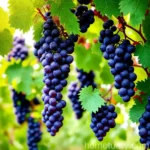
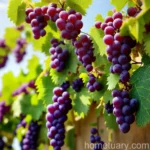
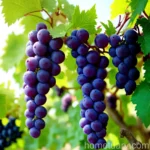
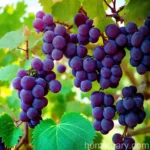
- Characteristics: The grapes are seedless and form in compact clusters, making them easy to harvest and enjoy.
- Care Requirements: Providing the right balance of water, sunlight, and soil nutrients is crucial for the optimal growth of Canadice grapevines.
- Disease Resistance: Canadice grapes exhibit good resistance to common grape diseases, but proactive management is essential to maintain plant health.
- Propagation: These grapes can be propagated through various techniques, including cuttings, to expand vineyards and share this delightful variety with others.
Now, let’s delve deeper into each aspect of Canadice grape cultivation and maintenance:
Culture
Cultivating Canadice grapes involves understanding their specific needs and creating an environment conducive to their growth and productivity. This section will cover the cultural requirements and best practices for nurturing these grapevines.
Water
Proper watering is essential for the healthy development of Canadice grapevines. Adequate moisture is critical, especially during the growing season and fruit formation. However, it’s equally important to avoid waterlogged conditions that can lead to root rot and other moisture-related issues.
- Watering Tips:
- Provide regular, deep watering to ensure the roots receive ample moisture.
- Use drip irrigation or soaker hoses to deliver water directly to the root zone and minimize evaporation.
- Adjust the watering frequency based on the vine’s growth stage and environmental conditions.
Sunlight
Grapes, including the Canadice variety, thrive in full sun. Ample sunlight is necessary for photosynthesis, fruit development, and the accumulation of sugars that contribute to the grapes’ sweetness. When selecting a site for planting Canadice grapevines, prioritize locations that receive direct sunlight for the majority of the day.
- Sunlight Requirements:
- Aim for at least 6-8 hours of direct sunlight daily for optimal grapevine growth.
- Ensure that the vines are not shaded by buildings, trees, or other structures during the peak sunlight hours.
- Consider the angle of the sun throughout the day and across the seasons when planning the vineyard layout.
Fertilizer
Fertilization plays a crucial role in providing the essential nutrients for vigorous growth and fruit production in Canadice grapevines. Understanding the nutrient requirements and applying fertilizer at the right times can significantly impact the health and yield of the grapevines.
- Fertilizer Application:
- Conduct a soil test to assess the existing nutrient levels and pH before applying any fertilizers.
- Choose a balanced fertilizer formulation with a slightly higher ratio of nitrogen for vine growth and development.
- Apply fertilizer in early spring as new growth emerges, and consider additional applications based on the vine’s response and soil conditions.
Soil
The soil composition and structure are key factors in the successful cultivation of Canadice grapes. Well-draining soil with good fertility and proper pH levels creates an optimal foundation for grapevine growth and fruit production.
- Soil Preferences:
- Aim for loamy, well-draining soil with a pH range of 6.0-6.5 for optimal nutrient availability.
- Incorporate organic matter such as compost to improve soil structure and fertility.
- Consider soil amendments based on the soil test results to address specific deficiencies and ensure a balanced nutrient profile for the grapevines.
Pruning
Pruning grapevines, including the Canadice variety, is a critical aspect of vineyard management. Proper pruning promotes vine health, regulates growth, and ensures the production of high-quality fruit. Understanding the pruning techniques and timing is essential for maximizing the potential of Canadice grapevines.
- Pruning Techniques:
- Use dormant pruning to remove excess growth, damaged wood, and non-fruitful canes to maintain an open canopy and facilitate air circulation.
- Apply spur pruning or cane pruning methods based on the vine training system and desired fruiting structure.
- Prune annually during the dormant season, typically in late winter or early spring, before new growth emerges.
Propagation
Expanding the cultivation of Canadice grapes often involves propagation to create new vine stock. Understanding the propagation methods and mastering the techniques allows growers to propagate vines for personal use or commercial purposes.
- Propagation Methods:
- Utilize hardwood cuttings from healthy, disease-free vines for propagation during the dormant season.
- Implement techniques such as rooting hormone application and proper environmental conditions to encourage the development of roots on the cuttings.
- Consider other methods like layering and grafting for specific propagation goals and vineyard management strategies.
Container Popularity
Canadice grapes have gained popularity among container gardeners due to their compact growth habits and suitability for container cultivation. Growing these grapevines in containers allows individuals with limited space to enjoy the benefits of homegrown grapes.
- Benefits of Container Cultivation:
- Enables grape cultivation in small gardens, patios, or balconies where traditional vineyard setups may not be feasible.
- Provides greater control over soil composition, water management, and sunlight exposure for the grapevines.
- Offers the flexibility to move the containers to optimize growing conditions and protect the vines from extreme weather.
Container Gardening Tips
When cultivating Canadice grapes in containers, specific considerations and care practices are essential to ensure the health and productivity of the grapevines.
- Container Selection:
- Choose large, sturdy containers with adequate drainage holes to prevent waterlogging.
-
Select containers with a volume of at least 15-20 gallons to accommodate the root system and support the vigorous growth of the grapevines.
-
Soil Mix:
- Use a well-draining, moisture-retentive potting mix formulated for container cultivation of fruits or grapes.
-
Consider adding a layer of gravel or perlite at the bottom of the container to enhance drainage and prevent water accumulation around the roots.
-
Watering and Fertilization:
- Monitor the moisture level regularly and water the grapevines when the top inch of the soil becomes dry.
-
Apply a balanced, slow-release fertilizer designed for fruit-bearing plants to provide essential nutrients throughout the growing season.
-
Sunlight and Placement:
- Position the containers in a location that receives ample sunlight, preferably 6-8 hours of direct sunlight daily.
-
Rotate the containers periodically to ensure uniform sunlight exposure and balanced growth of the grapevines.
-
Training and Pruning:
- Implement appropriate pruning techniques to manage the growth of grapevines in containers and maintain a manageable size.
- Consider using trellises or stakes to support the vines and guide their growth within the container space.
Common Diseases
Like all grape varieties, Canadice grapes are susceptible to certain diseases that can affect their growth and fruit quality. Being aware of common grape diseases and their management approaches is crucial for maintaining the health and productivity of Canadice grapevines.
Disease Diagnosis
Recognizing the symptoms and signs of grape diseases is the first step in implementing effective disease management strategies. Some common grape diseases that can impact Canadice grapes include mildews, fungal infections, and viral diseases.
- Common Grape Diseases:
- Powdery Mildew: Characterized by a powdery white growth on leaves and berries, leading to reduced photosynthesis and fruit quality.
- Downy Mildew: Causes yellowish lesions on leaves, reduced vigor, and potential fruit rot in severe cases.
- Botrytis Bunch Rot: Leads to gray mold on berries, particularly in humid conditions, and can compromise fruit quality.
Disease Prevention and Control
Proactive measures and cultural practices can significantly reduce the risk of grape diseases and minimize their impact on Canadice grapevines.
- Integrated Pest Management (IPM):
- Implement IPM strategies to monitor and manage pests and diseases while minimizing the use of chemical controls.
-
Introduce beneficial organisms and natural predators to maintain a balanced ecosystem within the vineyard.
-
Cultural Practices:
- Prune grapevines to promote air circulation and reduce the humidity that fosters disease development.
-
Remove and destroy affected plant material to prevent the spread of diseases within the vineyard.
-
Fungicide Applications:
- Use fungicides judiciously as part of a comprehensive disease management program, taking into account the timing and specific products recommended for grape diseases.
Common Pests
In addition to diseases, Canadice grapevines may face challenges from various pests that can impact vine health and fruit production. Understanding the common grape pests and their management is vital for preserving the vitality and yield of the grapevines.
- Common Grape Pests:
- Grape Phylloxera: Small, aphid-like insects that infest the roots and leaves of grapevines, leading to stunted growth and reduced vigor.
- Grapevine Moth: Larvae of grapevine moths can damage grape clusters, impacting fruit quality and potentially leading to secondary infections.
Botanist’s Tips
As a plant scientist with a deep appreciation for grape cultivation, I’d like to share some expert tips for nurturing and enjoying Canadice grapevines to their full potential:
- Soil Testing: Conduct regular soil tests to assess nutrient levels, pH, and any potential imbalances that may impact vine health.
- Integrated Care: Embrace holistic and integrated approaches to vineyard management, incorporating organic practices, biodiversity, and sustainable pest and disease control methods.
- Observation and Adaptation: Regularly observe the grapevines throughout the growing season and adapt care practices based on their response to environmental conditions and treatments.
Fun Facts
As we explore the world of Canadice grapes and their cultivation, here are some fascinating facts about this delightful grape variety:
- Early Ripening: Canadice grapes are known for their early ripening, allowing growers to enjoy their sweet, seedless berries earlier in the season.
- Versatility: In addition to being enjoyed fresh, Canadice grapes can be used in various culinary applications, including salads, desserts, and jams.
- Compact Clusters: The grapes form in tightly-packed clusters, making them visually appealing and easy to harvest.
Links to External Resources
To further expand your knowledge and expertise in grape cultivation and Canadice grape care, consider exploring the following resources:
- Grape Growing and Cultivation Guide
- Grape Diseases and Disorders: A Comprehensive Guide
- Grape Pruning Techniques and Best Practices
As we conclude this comprehensive guide to Canadice grapes, I encourage you to apply the insights and recommendations shared here to cultivate healthy, flourishing grapevines and enjoy the delightful fruits of your labor. Whether you’re a dedicated home gardener or a passionate vineyard enthusiast, the journey of grape cultivation is filled with learning, discovery, and the joy of savoring the bountiful harvest from your vineyard.
Remember to engage in ongoing observation, experimentation, and community sharing to further enhance your grape-growing expertise and contribute to the vibrant world of grape cultivation.
Happy growing and grape-tasting!